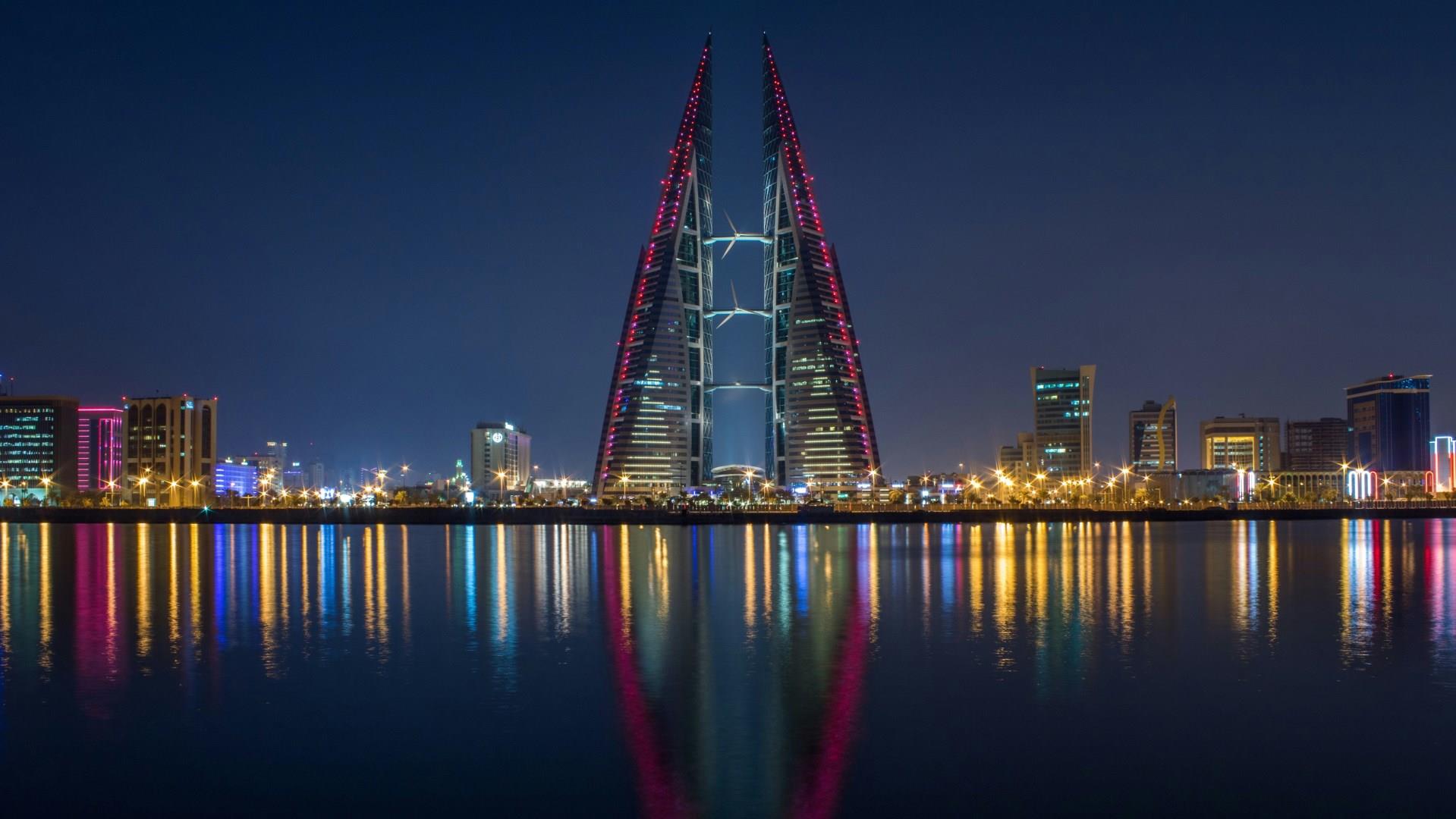
Manama
Manama pulses with stories from long ago and today. Just beyond the modern skyline lies Qal’at al‑Bahrain, a layered mound once the capital of Dilmun, used by societies from the Kassites to the Portuguese. Visitors can climb its crumbling stairways and imagine life across centuries there. Nearby, the Bahrain National Museum, opened in 1988 in a stately waterside building, displays archaeological finds from ancient Dilmun to modern-day artifacts and is one of the Gulf's first modern museums.
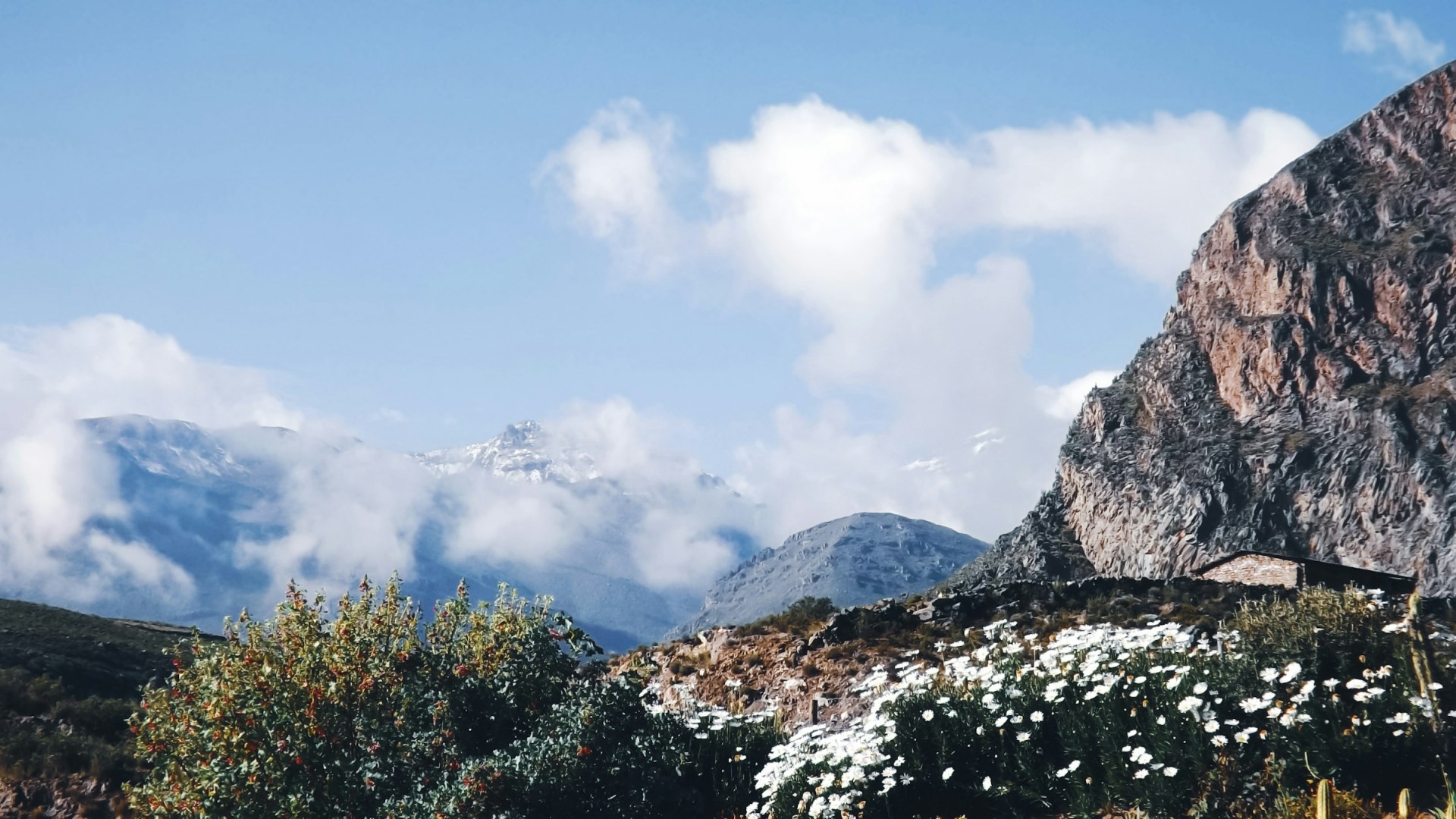
Chivay
Chivay is a highland town in Peru’s Arequipa Region and the main urban center of the Colca Valley. Set at more than 3,600 meters above sea level, it lies among cultivated slopes, rugged mountains, and deep valleys shaped by the Colca River. The town serves as an important gateway to the Colca Canyon and surrounding communities, with accommodations, restaurants, markets, and transport connections supporting visitors exploring the area.

Spain
Spain offers a wide range of experiences shaped by centuries of layered history and regional diversity. From the Moorish palaces of Andalusia to the Roman aqueduct in Segovia and the Gaudí-designed landmarks of Barcelona, each city reflects a different chapter in Spain’s past. In Granada, the Alhambra still stands as a masterpiece of Islamic architecture, with detailed carvings, hidden courtyards, and panoramic views of the Sierra Nevada mountains.

La Gomera
La Gomera, one of the Canary Islands, offers a unique and captivating escape with its lush landscapes and rich cultural heritage. Known for its dramatic terrain, the island is a haven for nature enthusiasts and hikers. The Garajonay National Park, a UNESCO World Heritage site, is the crown jewel of La Gomera, featuring dense laurel forests that date back to the Tertiary period.
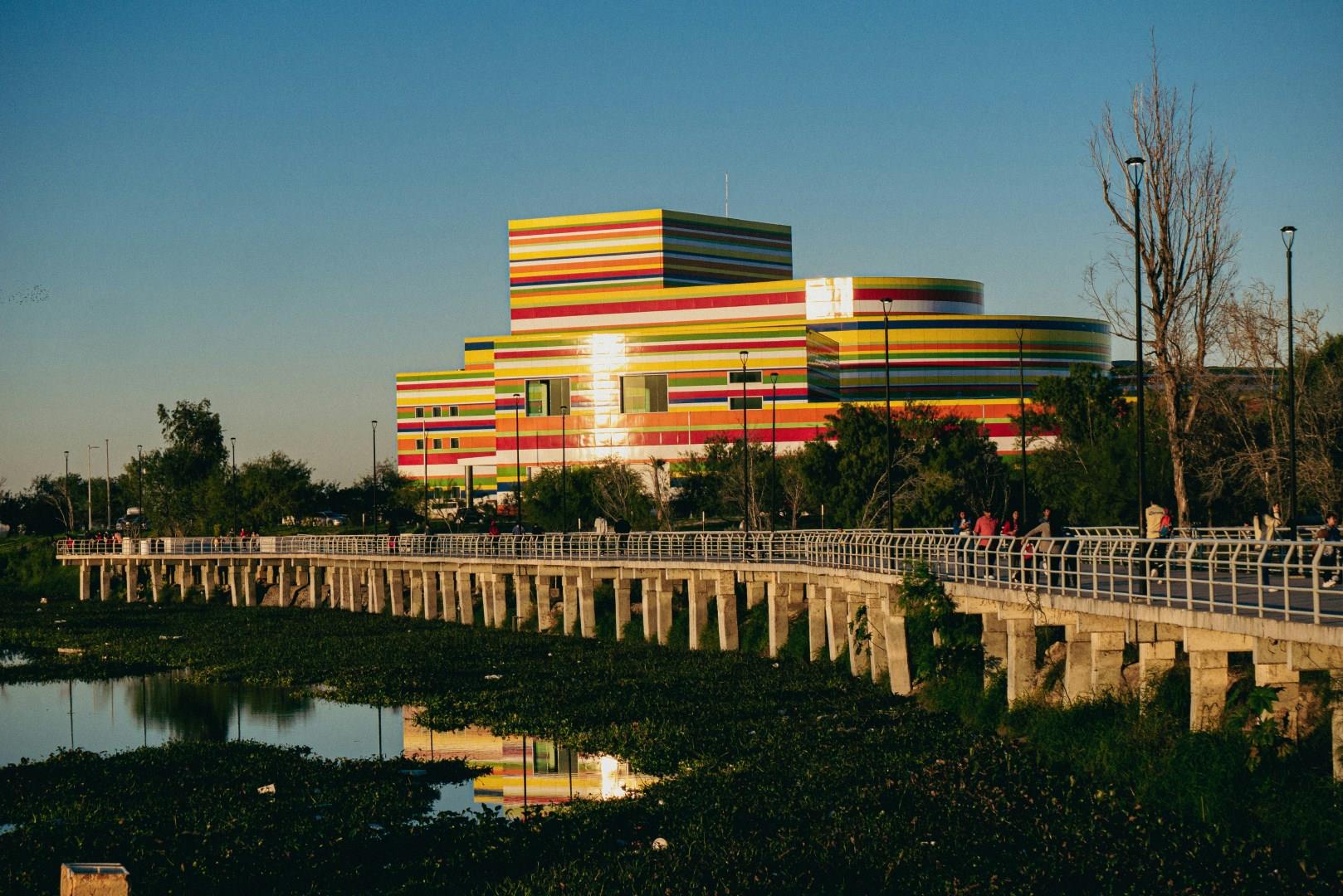
Reynosa
Reynosa, located along the northern border of Tamaulipas, is a city shaped by its position as a cultural and economic bridge between Mexico and the United States. Founded in 1749, Reynosa has grown into a vital manufacturing and trade center, but it also holds onto traditions that reflect both its regional roots and binational influences. The Plaza Principal is a popular gathering spot, often hosting live music and seasonal festivals.