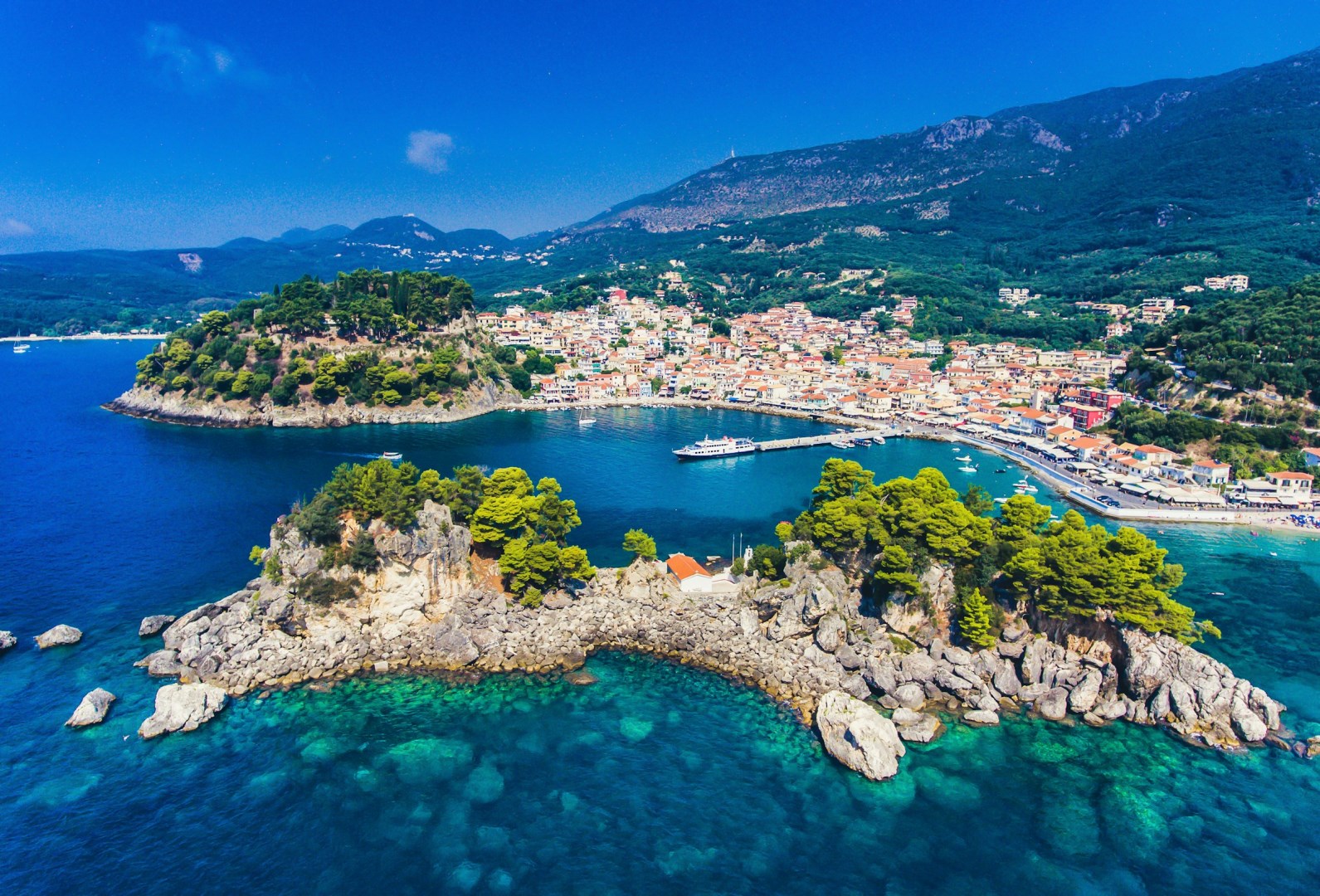
Parga is a coastal town in Epirus, northwestern Greece, built in an amphitheater around a sheltered bay on the Ionian Sea. Colorful houses rise along the hillside toward the Venetian castle, while the small islet of Panagia sits just offshore with a chapel and the remains of a French fort. The old town is characterized by narrow cobbled lanes, stone arches, and traditional houses, while the waterfront is lined with cafés, tavernas, and small boats.
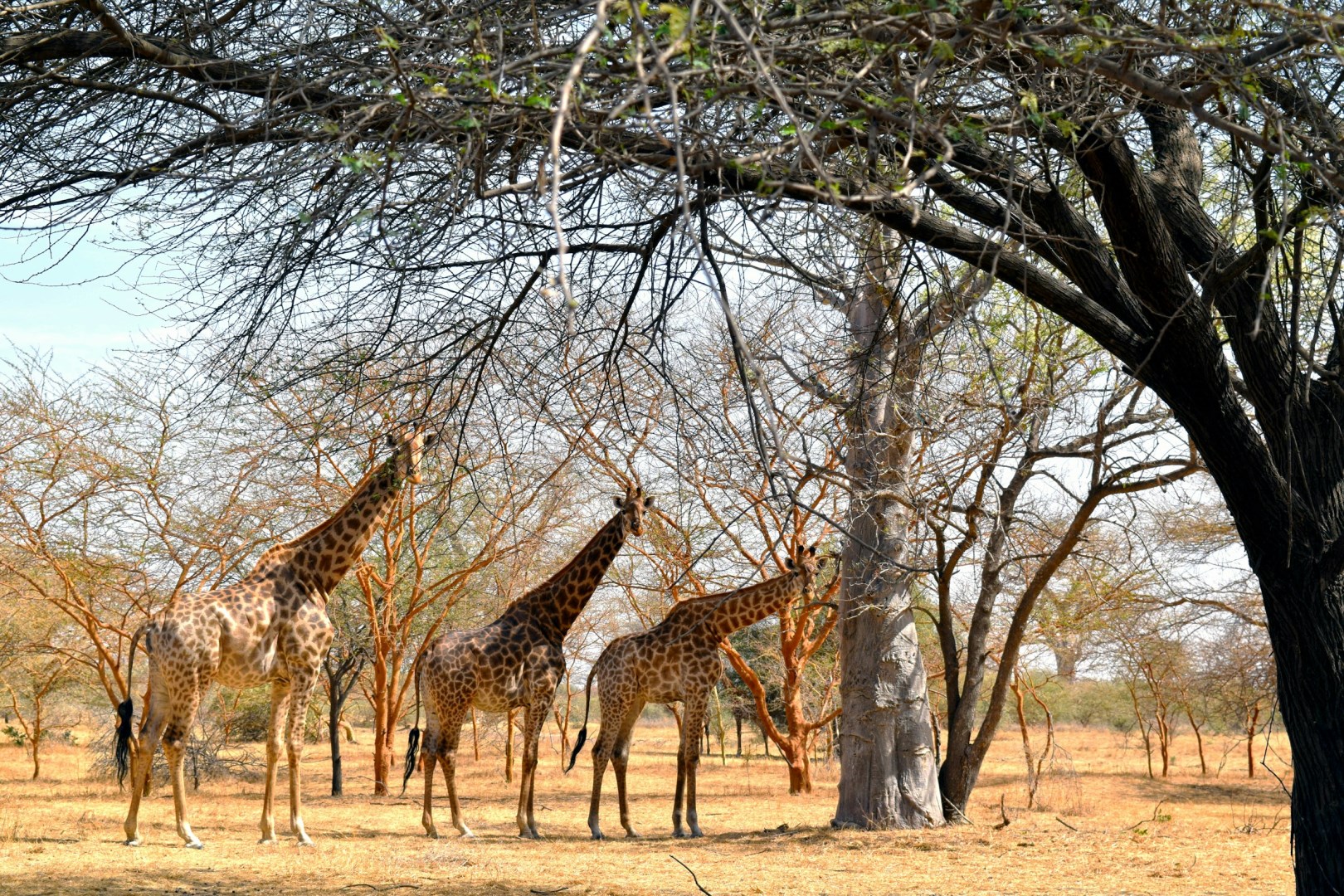
Bandia Reserve is a private wildlife reserve in Senegal’s Thiès Region, located near the village of Bandia and within easy reach of Dakar, Mbour, and the resort area of Saly. Covering about 3,500 hectares, the reserve protects a landscape of dry savanna, thorny scrub, seasonal water sources, and large baobab trees.
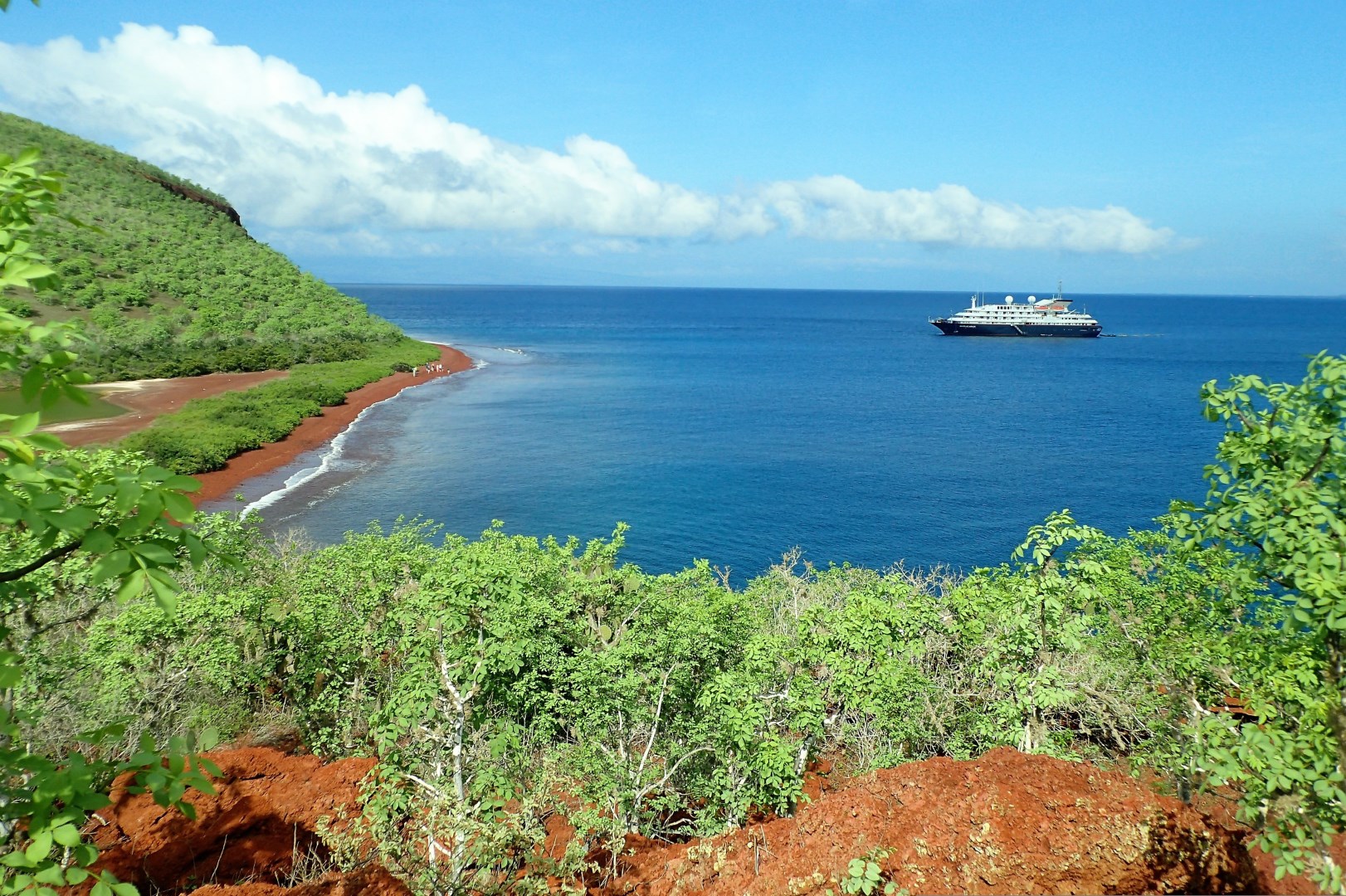
Set in the heart of the Galápagos archipelago, Santiago Island offers a raw and untamed landscape shaped by volcanic forces. Unlike more developed islands in the region, Santiago remains largely uninhabited, giving visitors a rare look at ecosystems that have evolved with minimal human presence. Its coastline shifts from black lava fields to soft sandy beaches, while inland trails reveal hardened flows and scattered vegetation slowly reclaiming the terrain.
Situated on the north coast of the Snæfellsnes peninsula between a mountain range and the sea is the small town of Grundarfjordur, Iceland. Though certainly now the most well-known town on the peninsula, its nearby mountain Kirkjufell ("church mountain" in Icelandic) is perhaps Iceland's most famous.
Dorset, a picturesque county on England’s southern coast, is a haven for history lovers, nature enthusiasts, and seaside wanderers alike. Known for its rolling hills, sandy beaches, and charming towns, Dorset offers a perfect blend of scenic beauty and cultural heritage. The county is home to part of the Jurassic Coast, a UNESCO World Heritage Site renowned for its dramatic cliffs and fossil-rich beaches.

Photo Credit: Photo by ManuelTheLensman on Unsplash
Photo Credit: Photo by Maria Oswalt on Unsplash
Macon, Georgia, known as the “Heart of Georgia,” offers a blend of historic charm and Southern hospitality. Begin your exploration at the Ocmulgee Mounds National Historical Park, where ancient Native American earthworks provide a glimpse into the rich cultural heritage of the region. The park’s expansive grounds and museum showcase artifacts from the Mississippian period, offering a fascinating look at the early inhabitants of the area.
In downtown Macon, the Cherry Blossom Festival transforms the city each spring into a pink paradise. Held annually in March, this festival celebrates the blooming of thousands of cherry trees and features parades, live music, and cultural events. The city's unique history is further highlighted at the Georgia Sports Hall of Fame, where exhibits celebrate the achievements of Georgia's sports legends, from college football stars to Olympic champions.
Macon’s vibrant arts scene is evident at the Macon Museum of Arts and Sciences, which boasts an eclectic collection of art, natural history exhibits, and a planetarium. Nearby, the historic Hay House offers a peek into 19th-century Southern elegance with its stunning architecture and beautifully preserved interiors.
Fun fact: Macon is also home to the Allman Brothers Band Museum at the Big House, dedicated to the legendary rock band and their early days. This museum provides an in-depth look at the band's history and their influence on the Southern rock genre. With its rich cultural tapestry, Macon offers a diverse and engaging experience for all visitors.
Other Popular Destinations in Georgia
Savannah
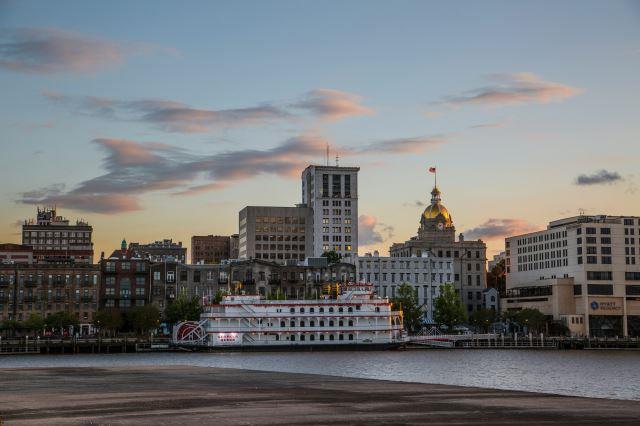
Savannah, Georgia, is a city that moves at its own pace, shaded by moss-draped oaks and shaped by centuries of stories. Founded in 1733, it was Georgia’s first city and still wears its history proudly. Visitors walking through the Historic District will find cobblestone streets, hidden gardens, and 22 public squares, each with its own character.
Jekyll Island
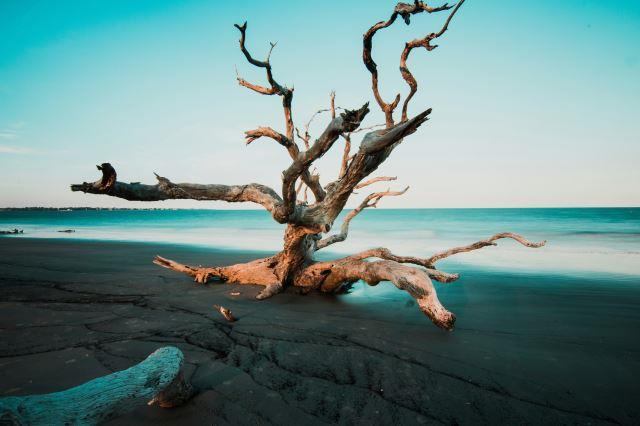
Jekyll Island, one of Georgia’s Golden Isles, is a barrier island with a story that stretches from ancient Indigenous cultures to Gilded Age millionaires. Today, it’s a state park carefully preserved for public enjoyment, offering a quiet blend of coastal landscapes, historic landmarks, and outdoor activities. With only a limited number of commercial developments allowed, the island maintains a peaceful, uncrowded atmosphere that’s hard to find on most Southeastern beaches.