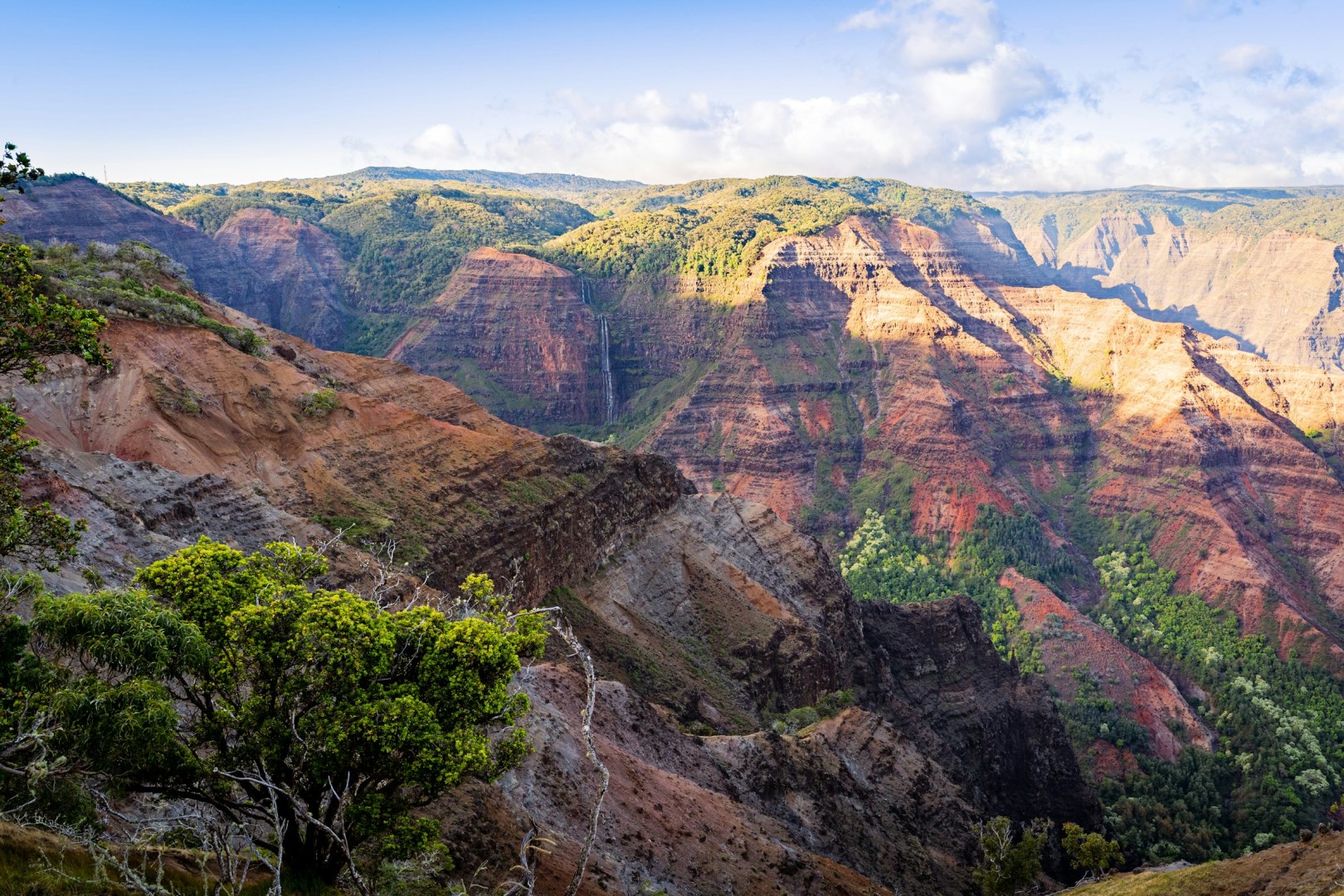
The Canyon valleys of the Waimea River and its tributary were once heavily populated, and the town was an early center of native government. It was here that Captain James Cook, English Navigator-Explorer, made his first landing in the Hawaiian Islands on January 20, 1778. Waimea developed as a provisioning port for whalers and sandalwood traders. A ruined Russian fort, built (1815) in a futile attempt to seize the isle, occupies a coastal bluff aboe the Waimea River. A rich sugar-plantation
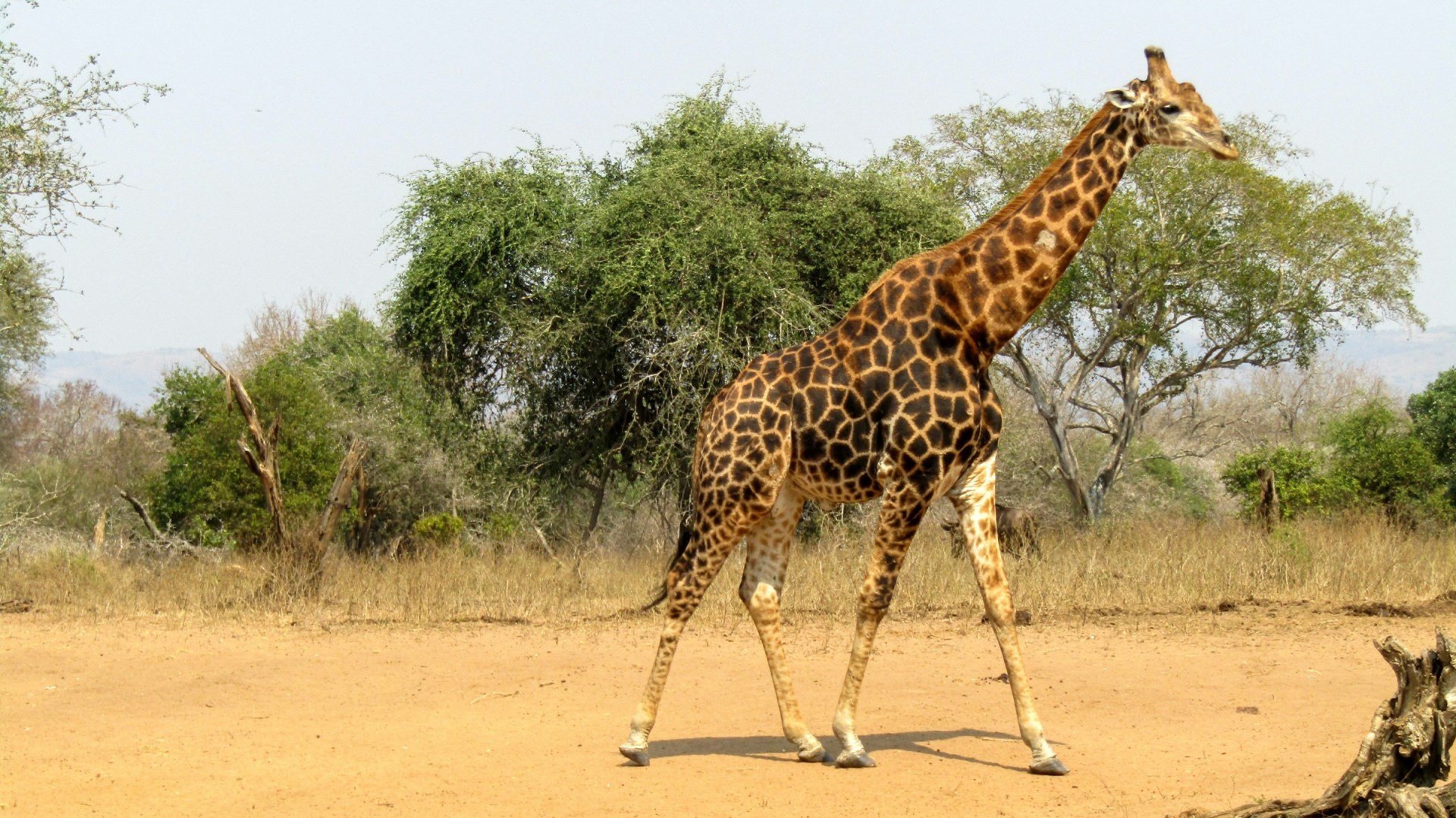
Mkuze is a small town in northern KwaZulu-Natal, situated within the uMkhanyakude District near the Lebombo Mountains and the eastern edge of the Pongola River system. It serves as a regional centre for the surrounding rural communities and provides access to some of the province’s important wildlife areas.
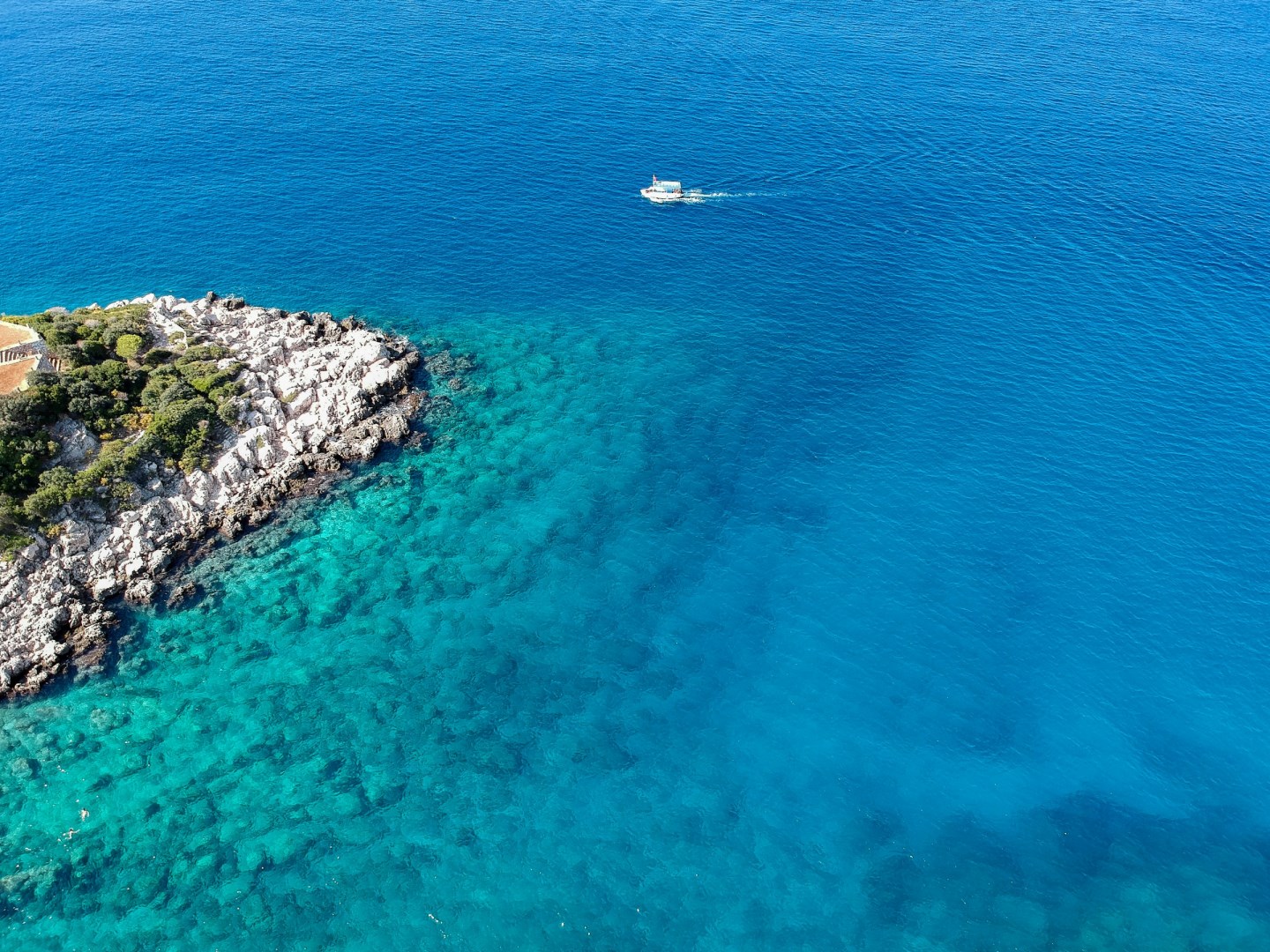
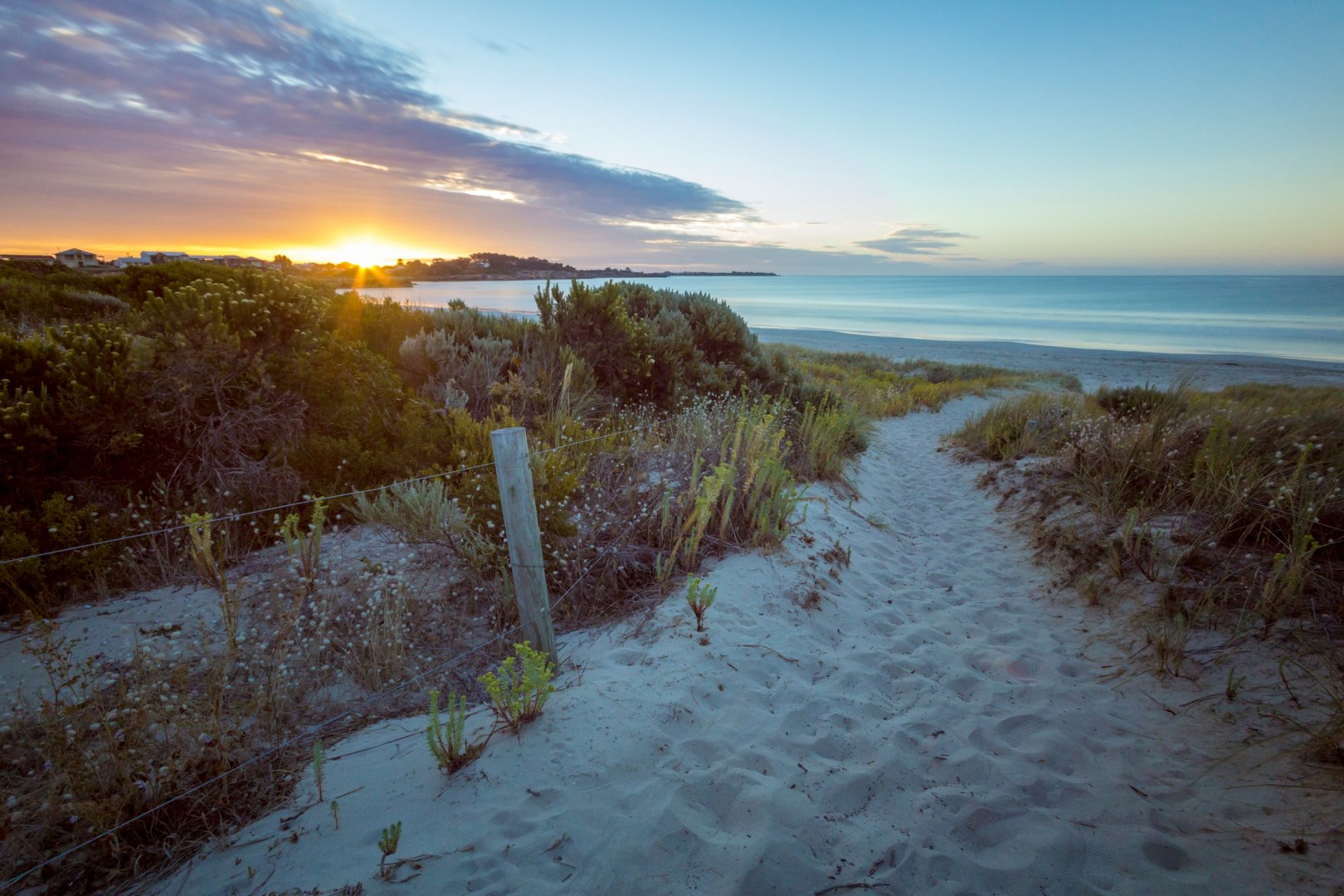
Robe is a small coastal town on South Australia’s Limestone Coast, overlooking Guichen Bay between long beaches, low dunes, lakes, and rocky headlands. Its setting combines a working fishing community with a historic town center containing numerous heritage-listed buildings. Robe developed as a port serving the pastoral districts of the southeast, and its maritime character remains visible around the harbor and waterfront.
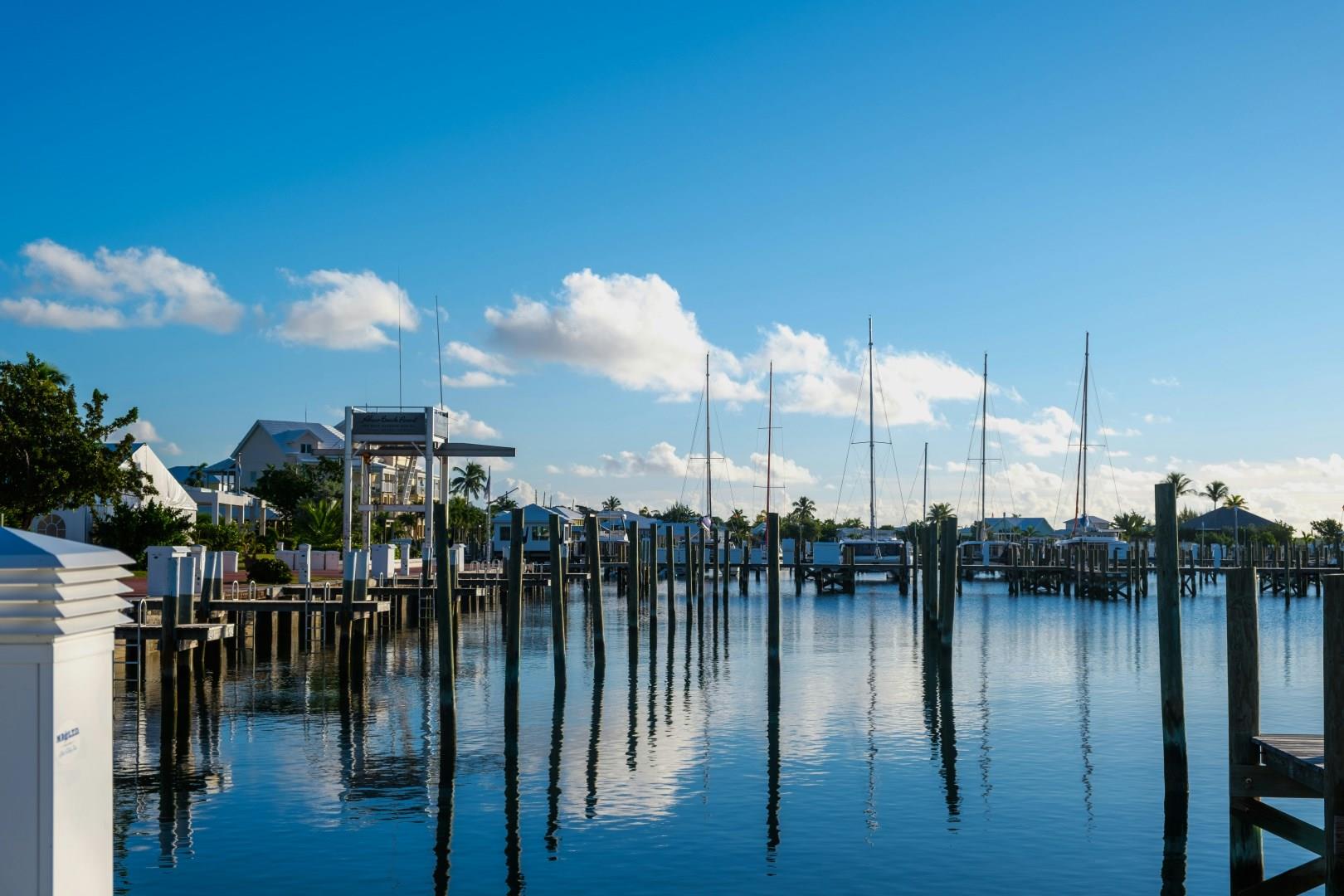
The Abaco Islands, part of The Bahamas, stretch across more than 120 cays and islands, offering a laid-back yet adventurous escape. Known for their calm waters and sheltered harbors, the Abacos are often called the sailing capital of The Bahamas, drawing boaters and yachters from around the world.
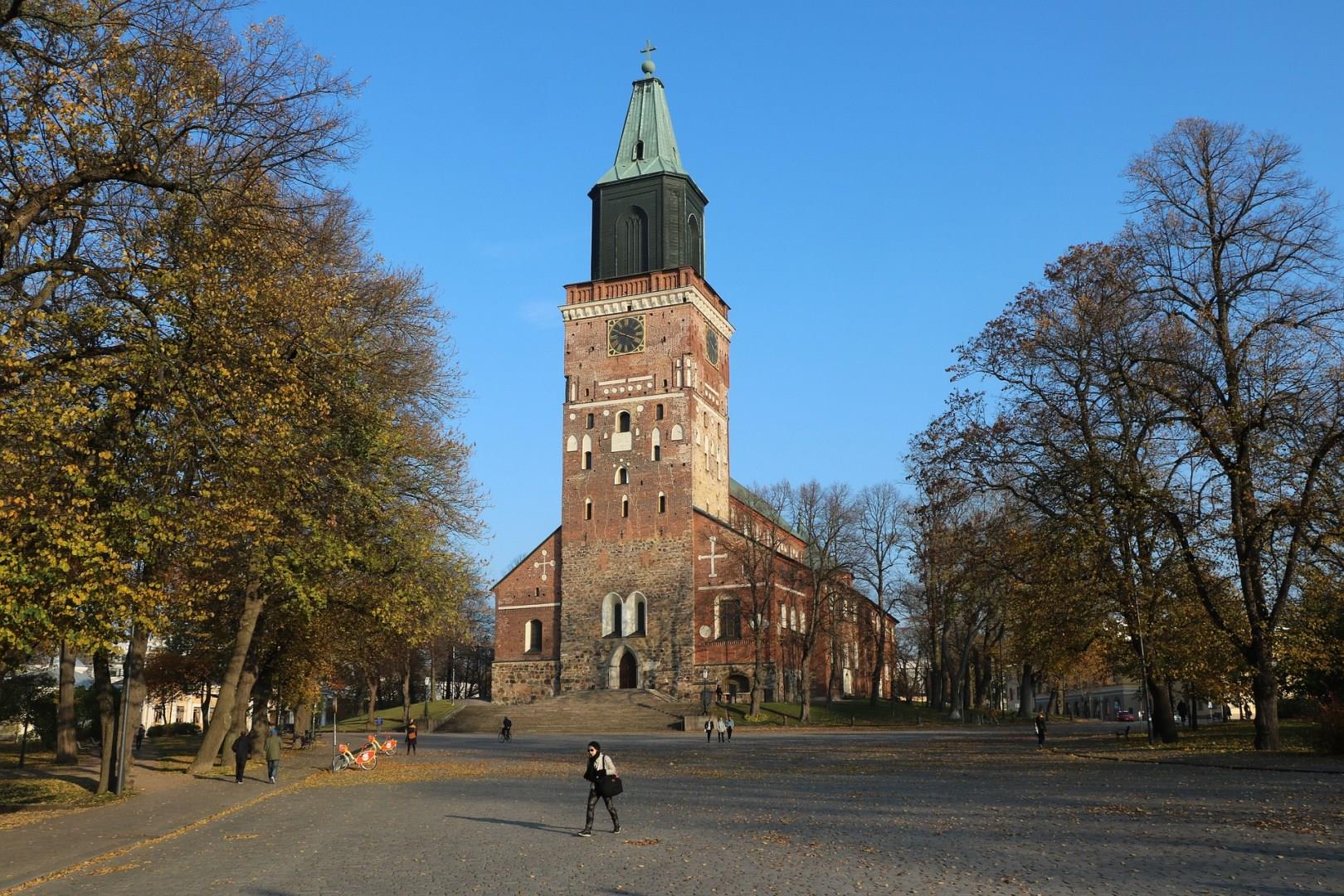
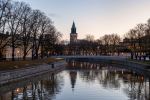
Turku, Finland’s oldest city, is a captivating blend of rich history and contemporary charm. Established in the early 13th century, Turku is renowned for its medieval architecture, including the majestic Turku Castle. Overlooking the Aura River, this fortress-turned-museum offers an immersive glimpse into Finnish history with its extensive exhibits on medieval life, weaponry, and art.
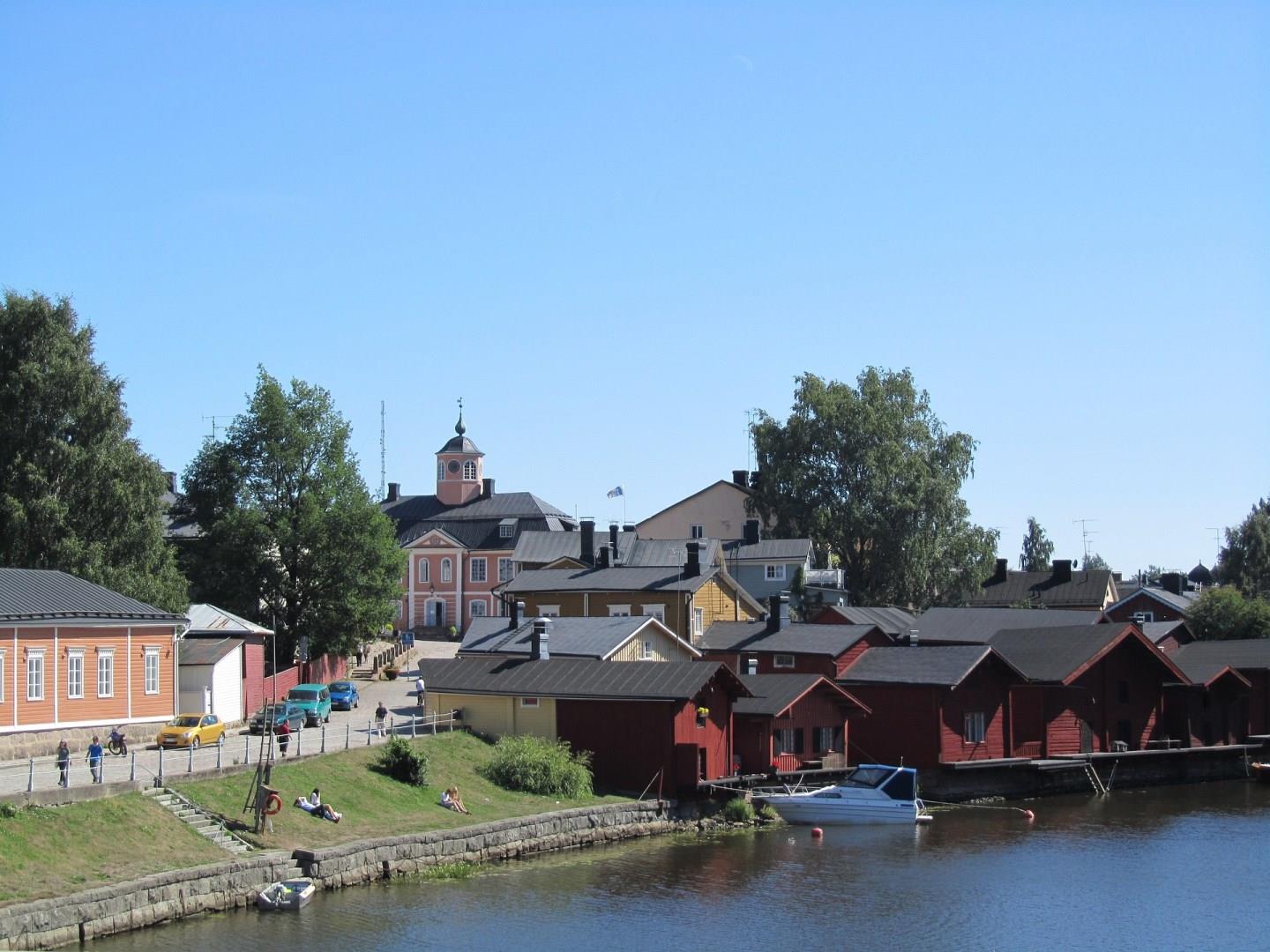
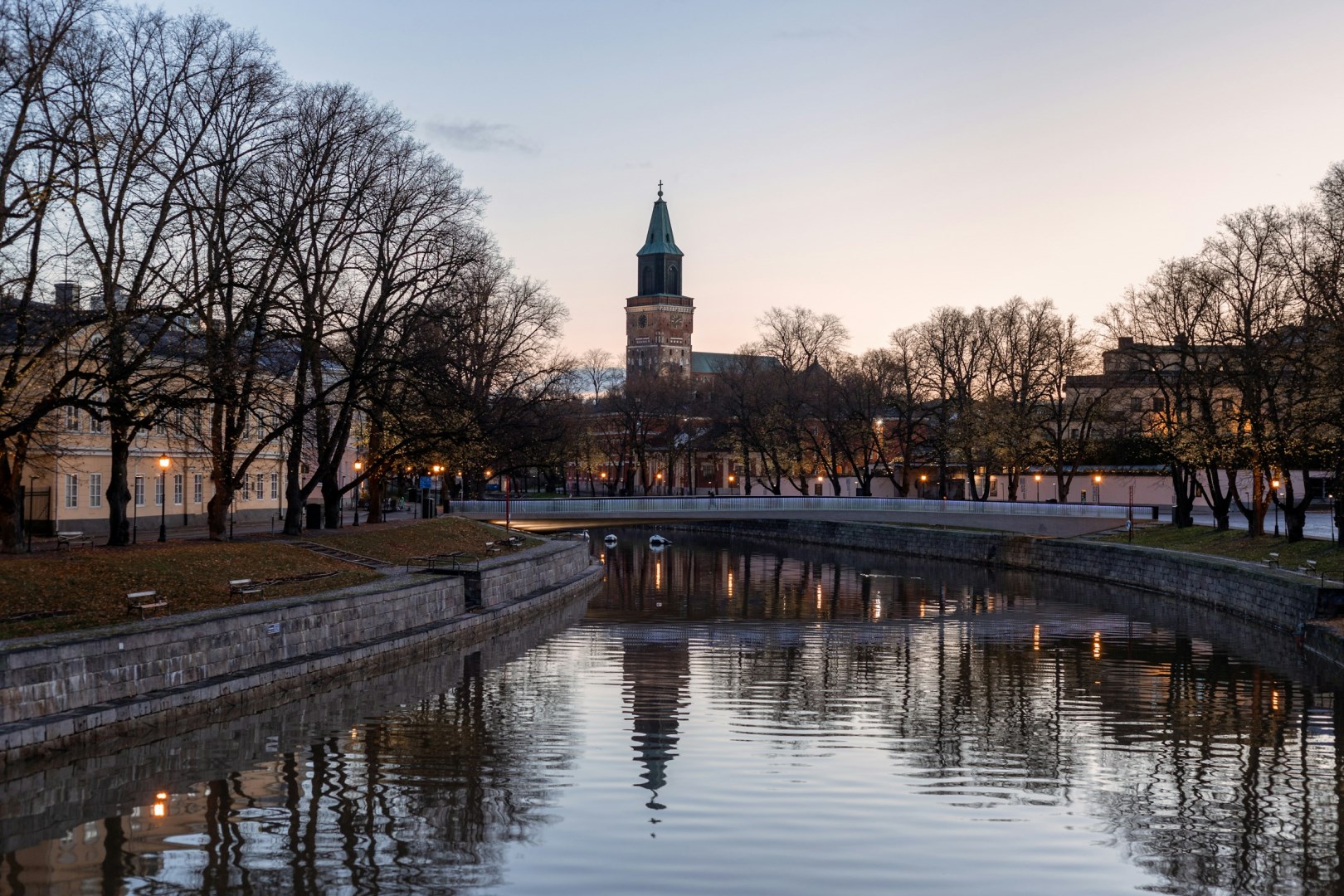
The city’s historic heart beats strongly in the Old Town and its charming wooden houses. A leisurely stroll along the Aura River, which runs through the city, reveals the scenic beauty of Turku’s riverside parks and lively café culture. The riverbanks come alive during the summer months with outdoor markets, festivals, and an abundance of food and drink options, perfect for savoring Finnish delicacies while enjoying the views.
Turku is also known for its vibrant cultural scene. The Turku Art Museum and the Turku Philharmonic Orchestra offer enriching cultural experiences, while the city’s Christmas Market is a festive highlight, attracting visitors with its cozy atmosphere and unique Finnish crafts. A fun fact about Turku is that it was the European Capital of Culture in 2011, which spotlighted its cultural and historical significance on the global stage.
For the best experience, visit Turku from May to September when the weather is pleasant and the city’s outdoor events are in full swing. Whether exploring medieval castles or enjoying modern festivals, Turku offers a compelling blend of the old and the new that promises a memorable visit.
Other Popular Destinations in Finland
Helsinki
Nature is never far in Helsinki. Locals swim in the sea, walk forested trails, and gather mushrooms or berries all within city limits. One popular local habit is heading to the sauna, and the city offers several open-to-the-public options. Löyly, located on the waterfront, combines traditional wood-burning saunas with a sleek, modern design. In winter, visitors can even pair a sauna session with a quick dip through a hole cut in the ice for an experience both shocking and strangely calming.
Rovaniemi
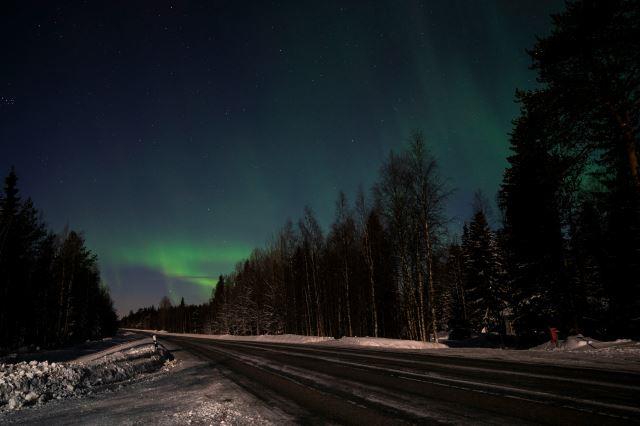
Rovaniemi, located just a few kilometers south of the Arctic Circle, is widely recognized as the official hometown of Santa Claus. From late August through early April, the Northern Lights are visible on clear nights, and several local guides offer nighttime tours to remote locations for optimal viewing. During summer, the sun doesn't set for weeks, giving travelers the rare chance to hike or kayak under a sky that stays bright at midnight.