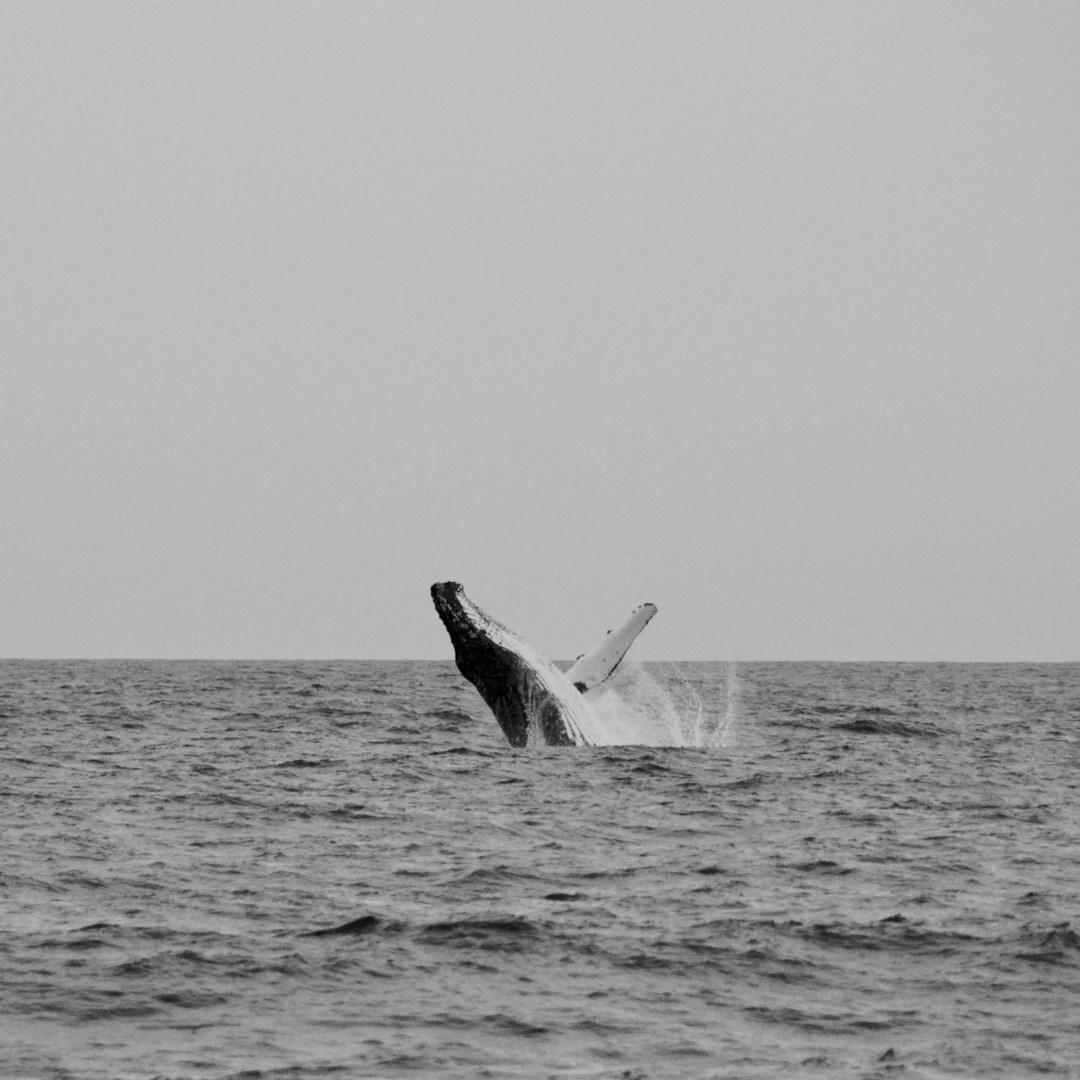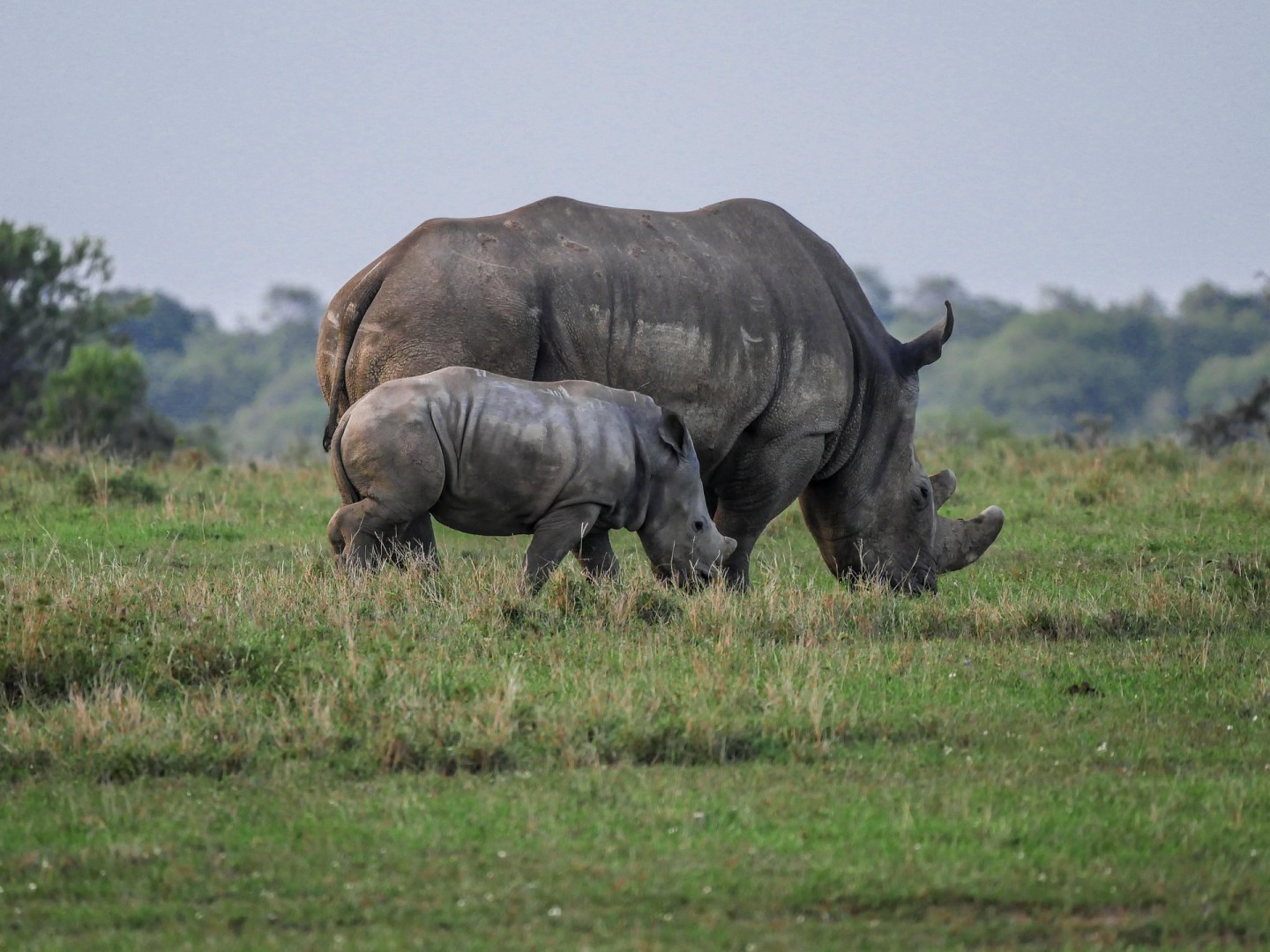
Ol Pejeta Conservancy lies in Kenya’s Laikipia region near Nanyuki, overlooking Mount Kenya and the Aberdare ranges. Covering about 90,000 acres, it combines wildlife conservation, cattle ranching, tourism, and community development within one managed landscape. The conservancy is particularly known for its work protecting rhinos and other threatened species. Its open grasslands, wooded areas, and river habitats support elephants, lions, zebras, giraffes, and many other animals.
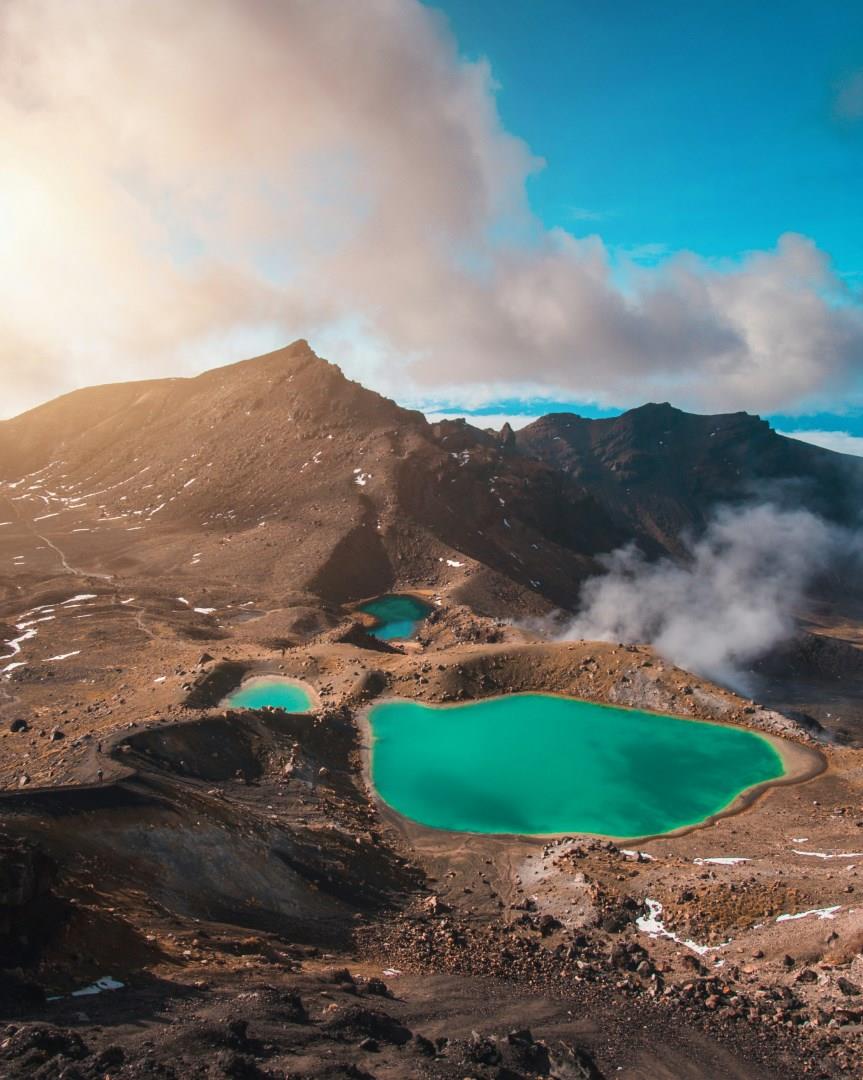
Tongariro National Park, on New Zealand’s North Island, holds deep cultural meaning as well as striking geological presence. It was the country’s first national park, gifted to the nation by Ngāti Tūwharetoa chiefs in the 19th century, establishing a model that tied conservation to Māori guardianship. The volcanic peaks of Tongariro, Ngāuruhoe, and Ruapehu are considered ancestors, giving the landscape a living cultural identity rather than a purely scenic one.
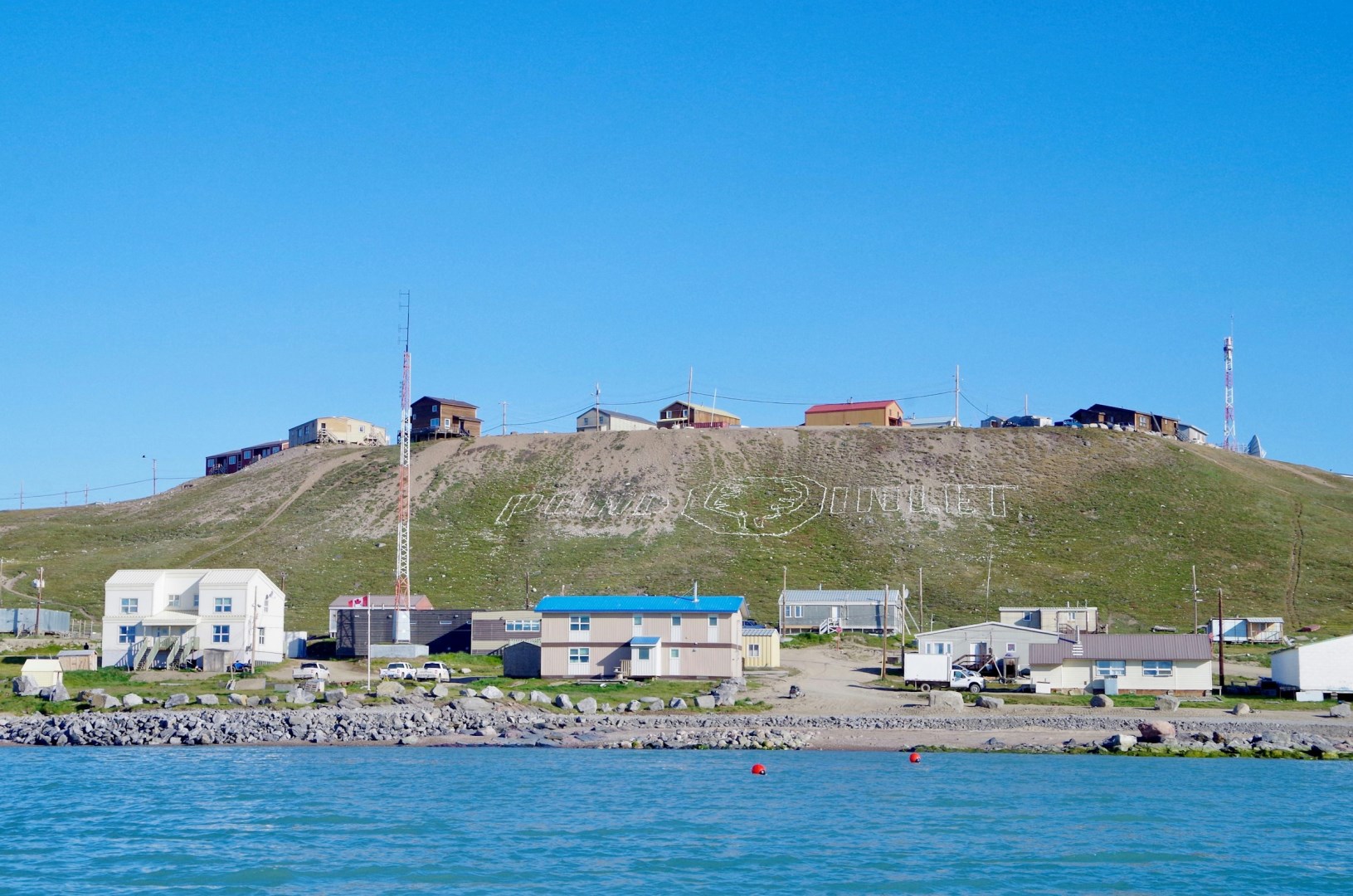
Pond Inlet is an Inuit community on the northern coast of Baffin Island in Nunavut, positioned beside Eclipse Sound and surrounded by rugged mountains, rocky islands, and Arctic tundra. The community is known in Inuktitut as Mittimatalik, a name associated with the area's traditional Inuit identity.
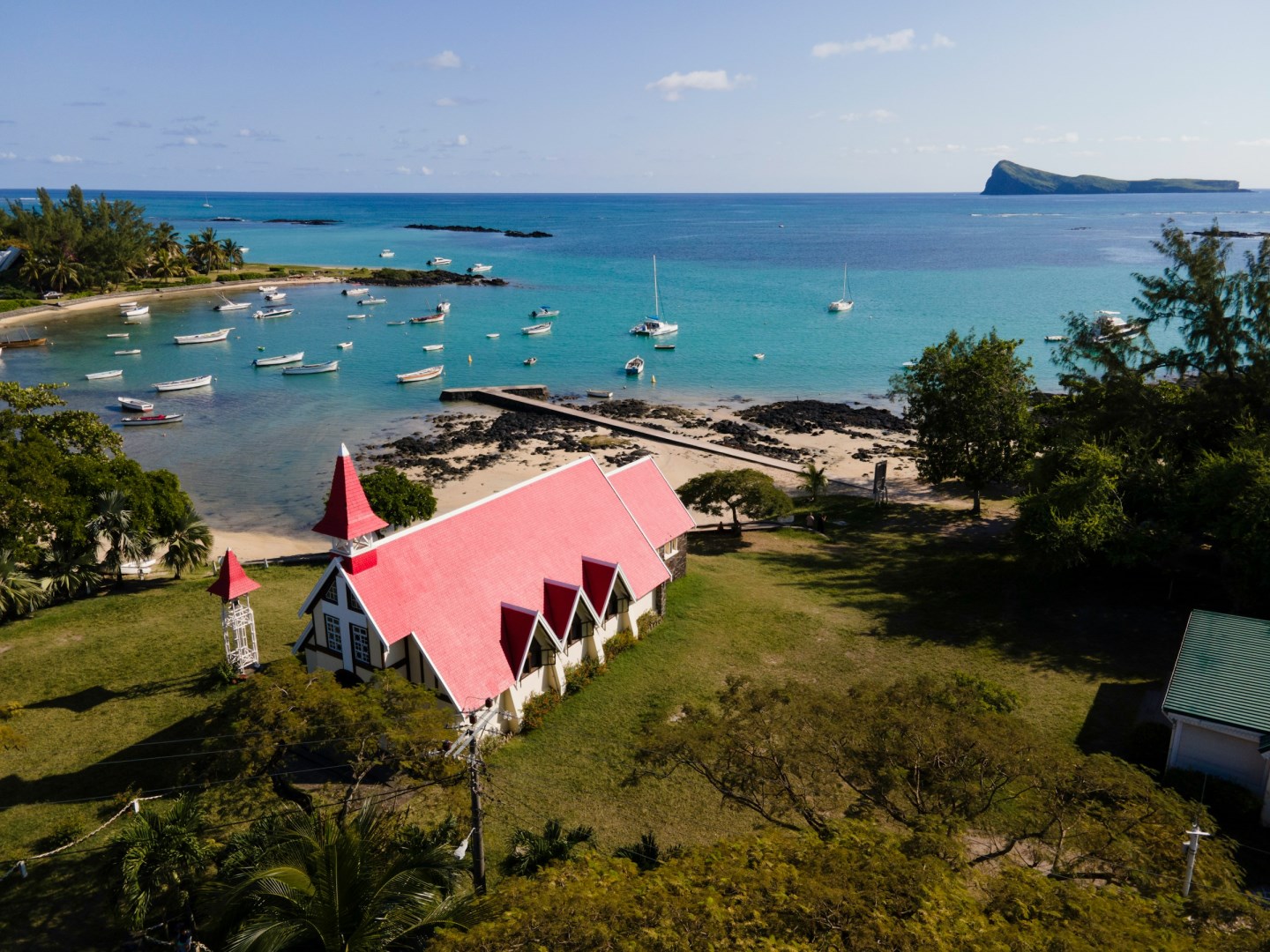
Cap Malheureux is a small coastal village at the northern tip of Mauritius, facing the islands and open waters beyond Grand Baie. It is best known for Notre-Dame Auxiliatrice, a Catholic chapel with a bright red roof that stands beside the shoreline and has become one of northern Mauritius’s most recognizable landmarks.
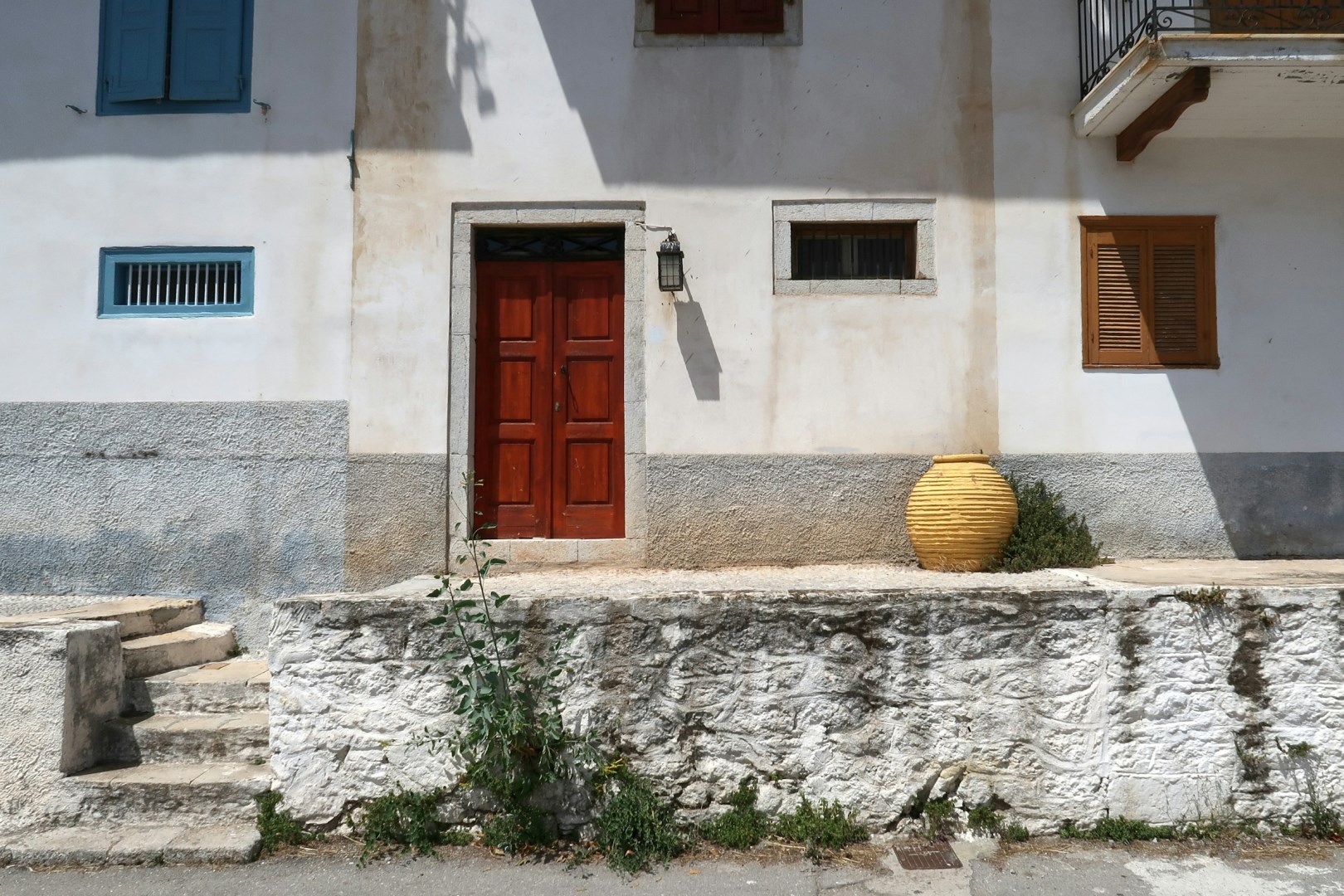
Itea is famous for its honey and olives. That said, it is the perfect little town to stay in as a starting point for day trips to such places as Delphi, one of the most popular and interesting archaeological sites in the world, and Amphissa, the capital of prefecture. Itea is also host to many festivals in the winter and summer months.
Newcastle is the capital of the Hunter Valley Region, in New South Wales. Located on the east coast of Australia, the Hunter Region encompasses a land area of approximately 31,000 square kilometers and a resident population of around 544,000 people. Newcastle's population is estimated at 132,000 people. Getting to and from Newcastle is simple. From Sydney, it is a comfortable 2 hour drive (Sydney is 171 kilometers to the south); 30 minutes by air and two hours by passenger train (there is a regular hourly service). There are also direct flights from Brisbane and Canberra. Newcastle is the gateway to the Hunter Valley and is now a very different place to the time when steel and coal industries were the main source of employment. Long gone are the smoky grey industrial images - they have been replaced with elegantly restored historic buildings; picturesque parks and gardens; an extensive selection of restaurants boasting cuisine from around the world; and the natural beauty of its white sandy beaches and harbor. There is a wide selection of magnificent art galleries and museums; nightclubs and eateries; and extensive shopping facilities. The long list of natural attractions
within easy access of the city includes everything from wilderness areas, rainforests and beaches to world famous vineyards. The green rolling hills of Australia's oldest winemaking region are studded with restaurants, guest houses, and of course, the vineyards where more than twenty varieties of grape ripen slowly in the warm summer sunshine to produce some of Australia's finest wines. Lakes, beaches, rivers and bays, combine with lush countryside to make the Hunter
region surrounding Newcastle almost unlimited in its appeal.
Other Popular Destinations in Australia
Sydney
Sydney, Australia, is a vibrant city where iconic landmarks, diverse neighborhoods, and natural beauty converge. The Sydney Opera House, with its striking sail-like design, and the Sydney Harbour Bridge are symbols recognized around the world, yet the city offers much more beyond its famous skyline.
Cairns
Cairns is the majestic entrance to Australia's Great Barrier Reef. This warm, tropical destination is located in Far North Queensland. Must-see attractions in Cairns include the Tjapukai Aboriginal Cultural Park, which educates tourists about indigenous peoples, and restaurant and bar-dotted Cairns Esplanade, which has a lagoon for swimming.