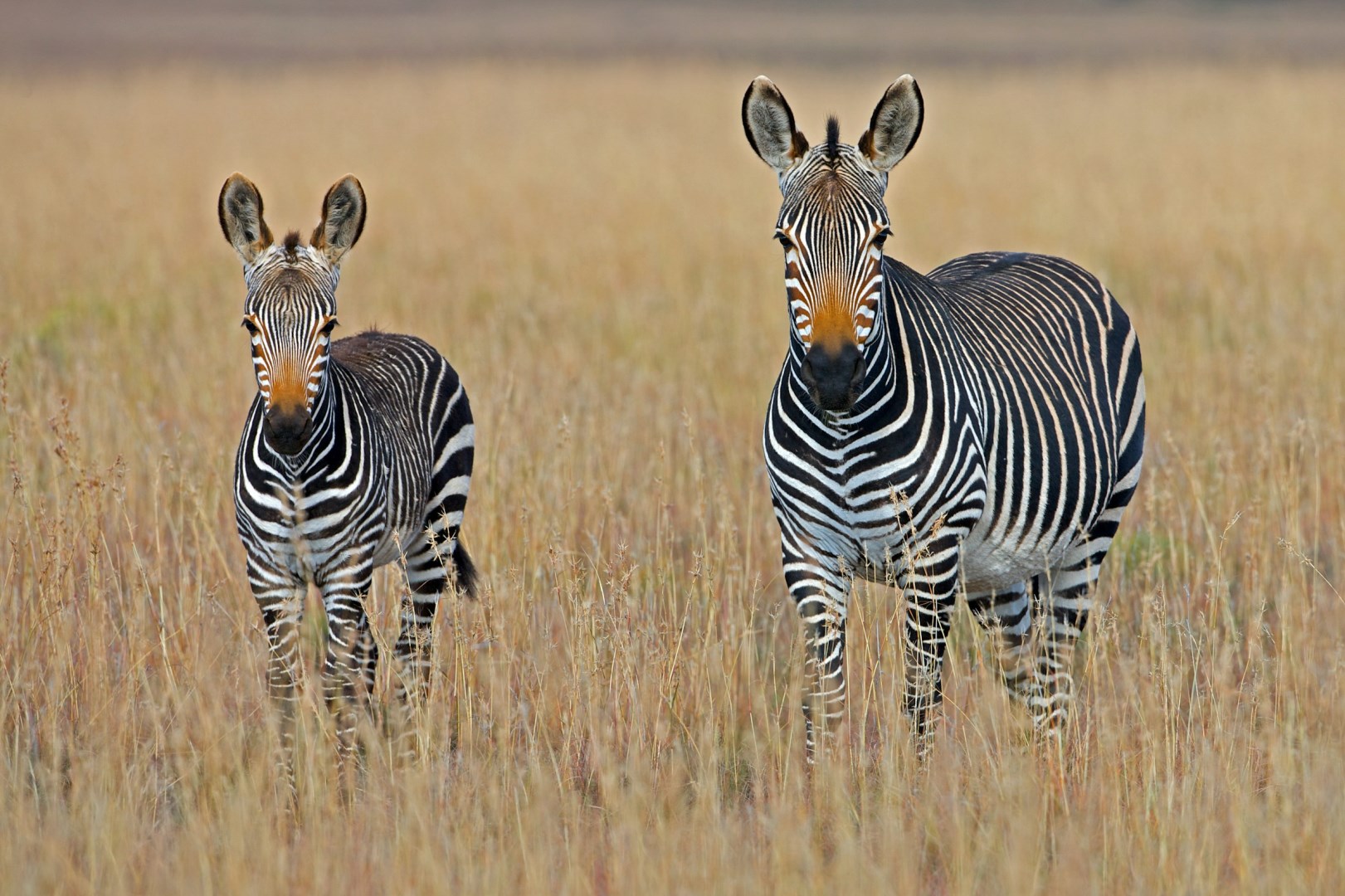
Mountain Zebra National Park lies in the Eastern Cape near Cradock, protecting a rugged section of the Great Karoo. The park’s landscape includes open grassland, rocky mountains, valleys, and dry plateaus, with vegetation adapted to the region’s semi-arid conditions. It was established to protect the Cape mountain zebra, a species that was once severely reduced in number.
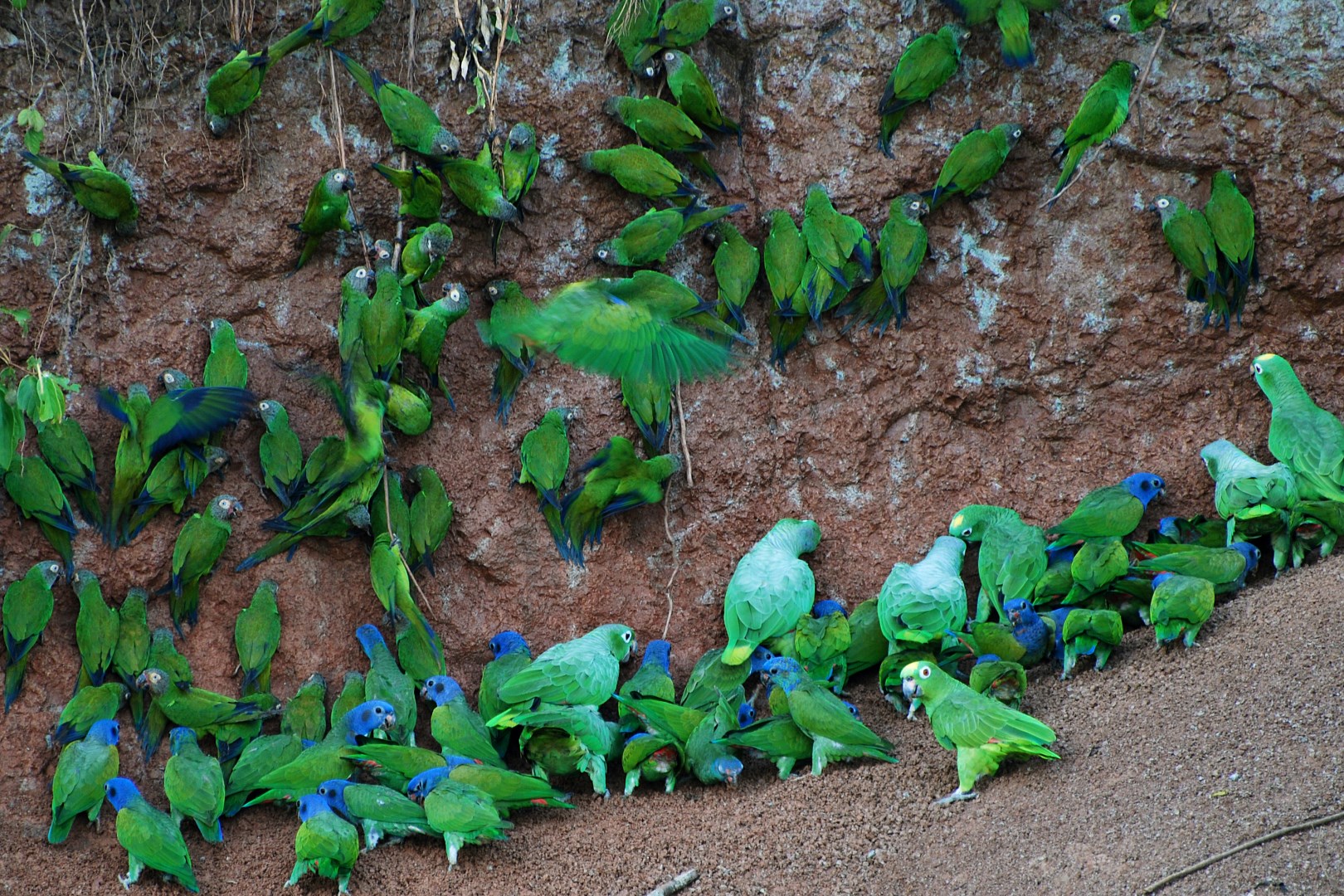
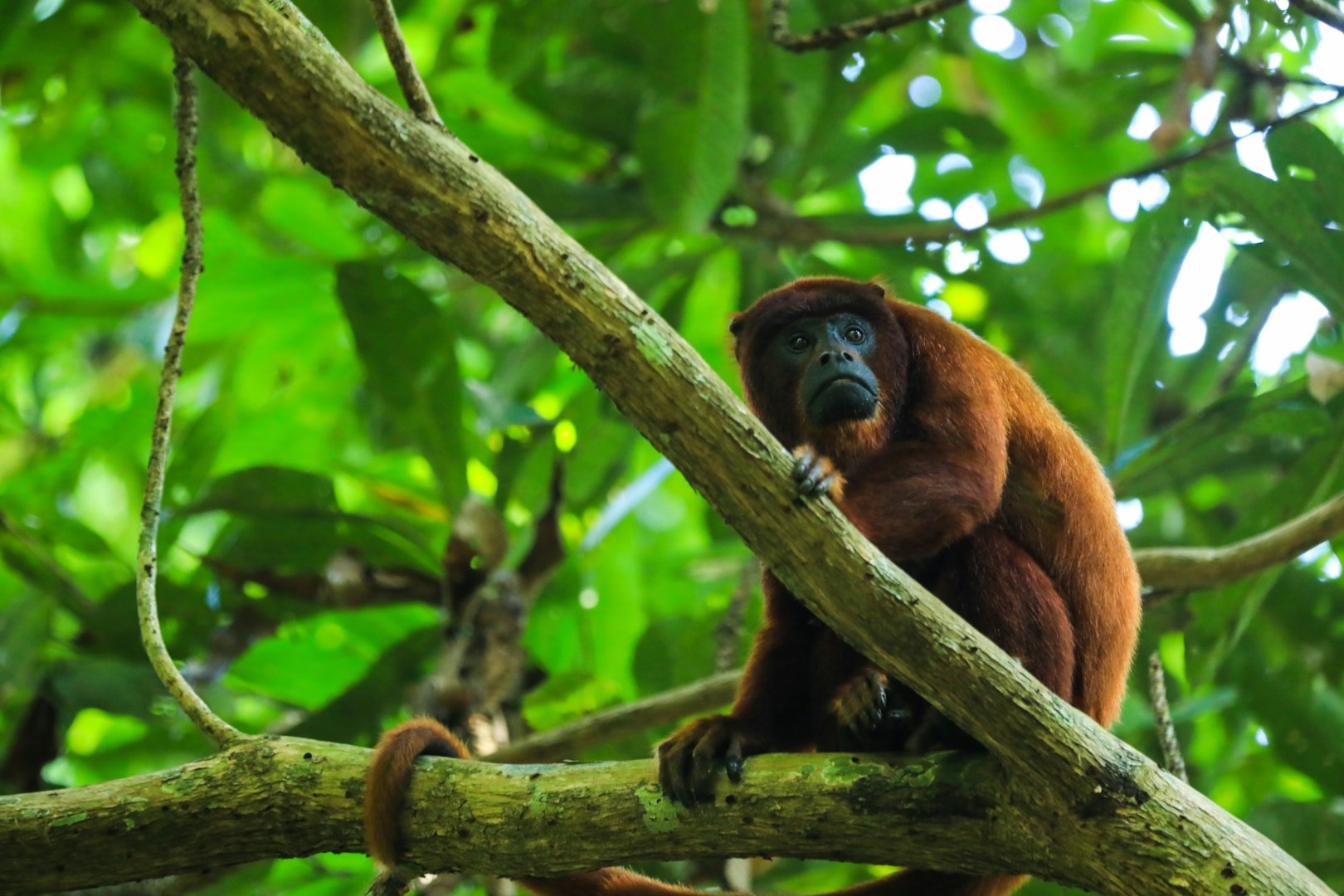
Yasuní National Park lies in Ecuador’s Amazon region, between the Napo and Curaray rivers, and protects one of the country’s largest areas of lowland rainforest. The park contains dense tropical forest, rivers, lagoons, swamps, and seasonally flooded areas, creating a wide range of habitats. Its location near the equator and its varied terrain support exceptionally high biological diversity.
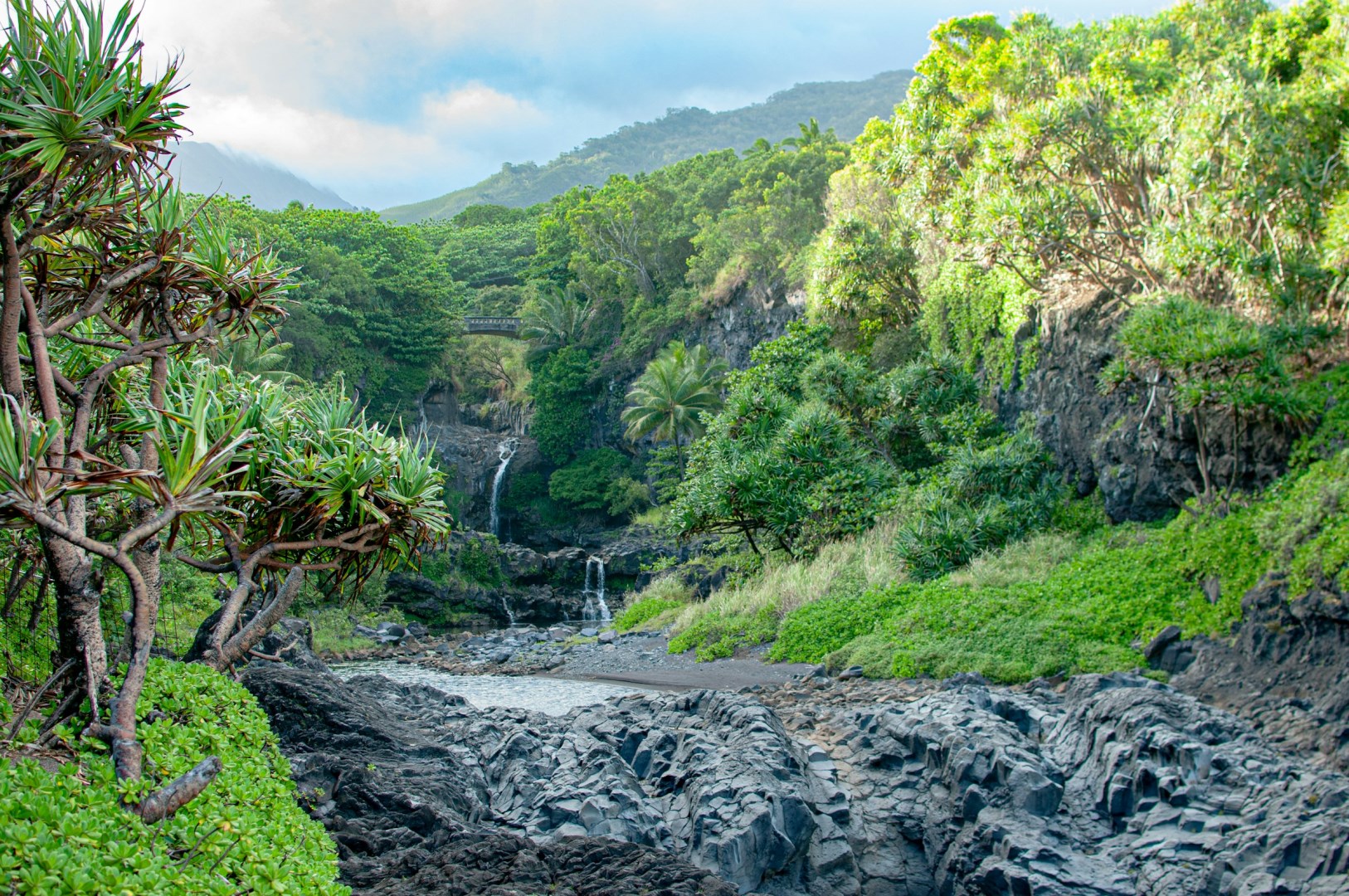
Maui, both second youngest and second largest of the Hawaiian Islands, is home to the world's largest dormant volcano, Haleakala, meaning "House of the Sun." Last erupting about 200 years ago, it makes up the eastern end of the island. Maui was formed by volcanic activity from Haleakala on the east and the West Maui Mountains to the west. The connecting isthmus between the two spots was formed from joining lava from both and gives Maui its nickname, the Valley Isle.
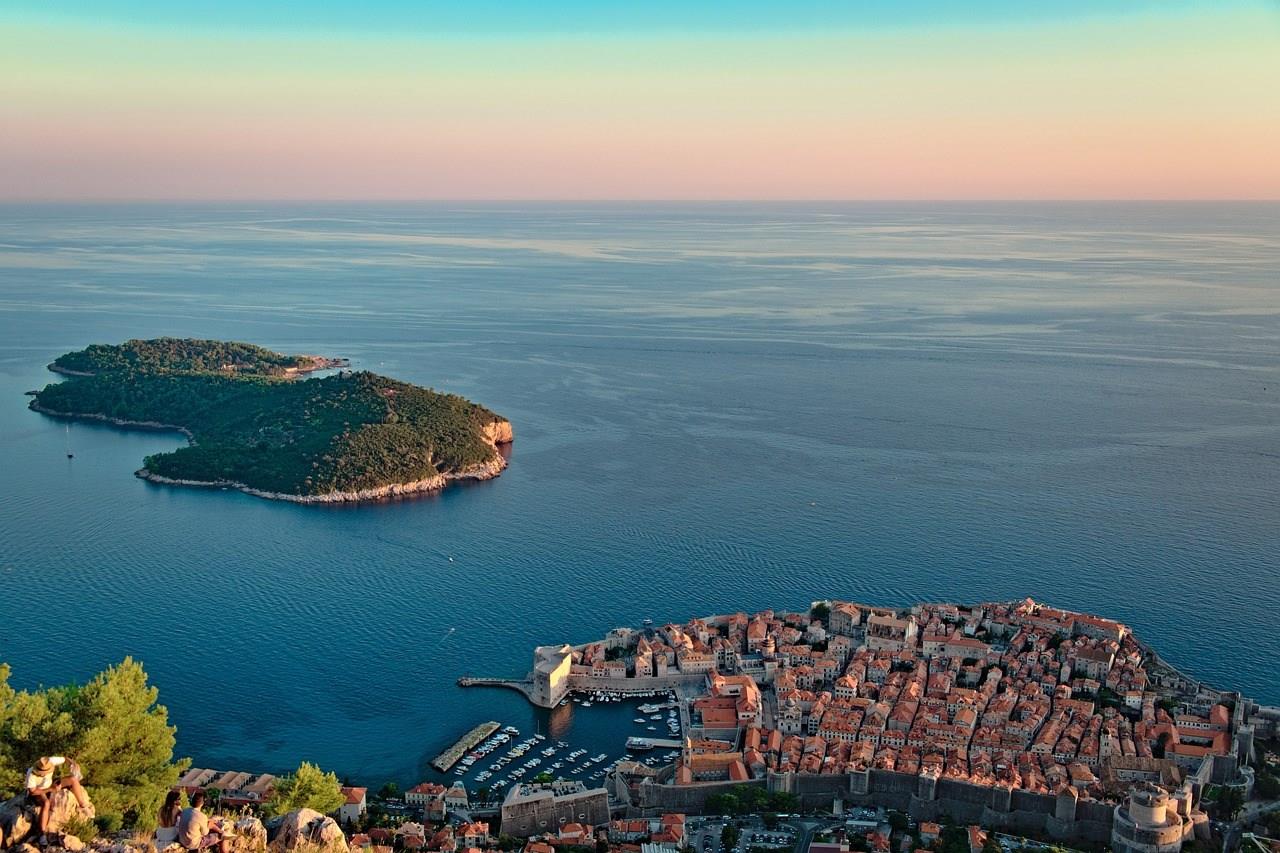
The Mediterranean Sea is more than a body of water, it’s a living crossroads of civilizations, flavors, and landscapes. Stretching across three continents and touching over 20 countries, it has been a stage for ancient empires, maritime trade, and cultural exchange for thousands of years. From the sun-drenched shores of southern Spain to the whitewashed villages of the Greek islands, each coastline tells a different story.
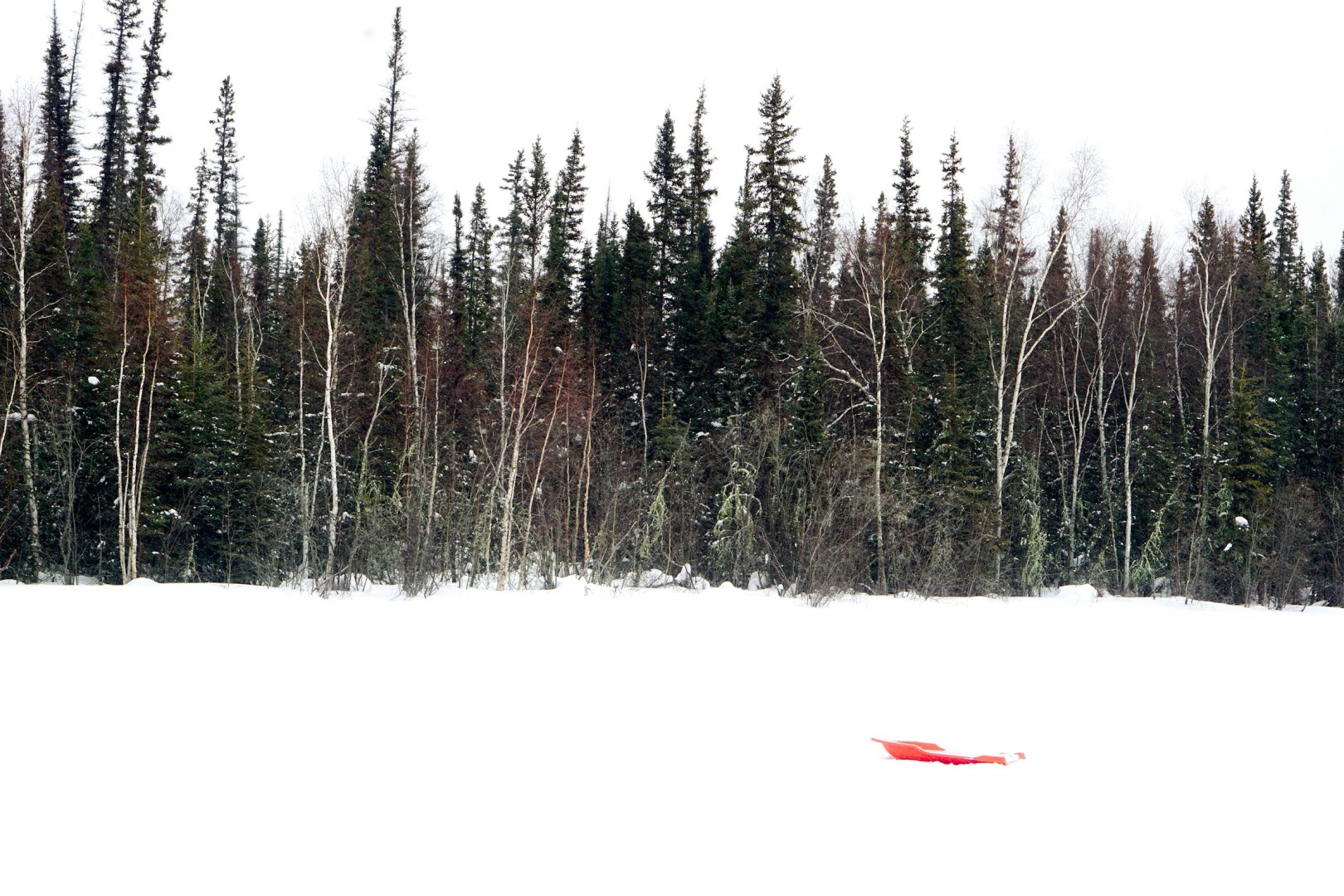
The Northwest Territories is a vast northern region of Canada defined by open tundra, boreal forests, major rivers, and some of the country’s largest lakes. Yellowknife, the territorial capital, sits on the northern shore of Great Slave Lake and serves as a central hub for travel, government, arts, and northern commerce. Farther north, communities such as Inuvik and Tuktoyaktuk provide access to the Arctic landscape and coastal regions. T
Photo Credit: Photo by Sébastien Goldberg on Unsplash
Photo Credit: Photo by Jaime Dantas on Unsplash
Photo Credit: Photo by Dylan Shaw on Unsplash
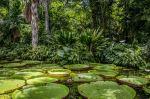
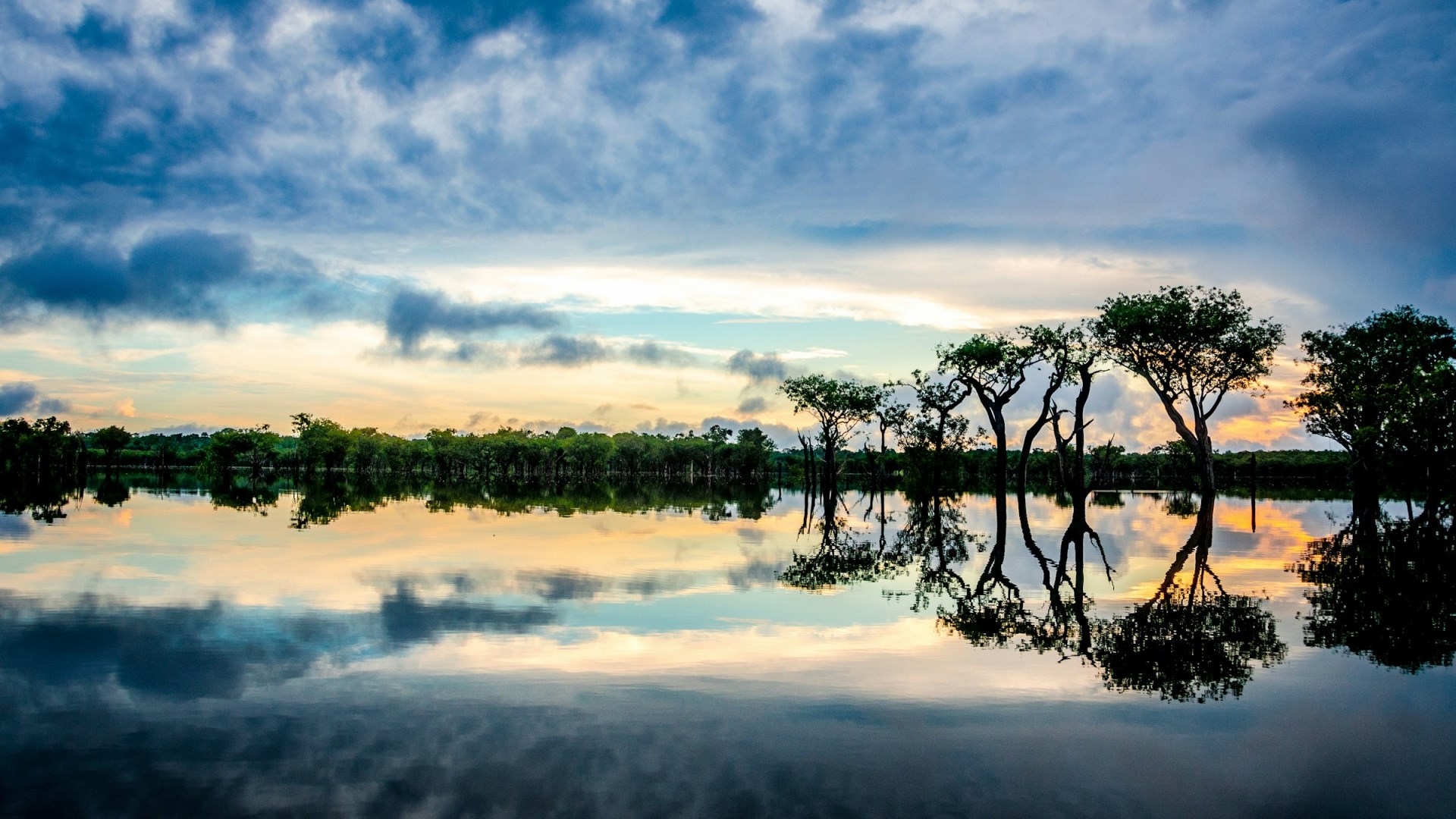
Exploring the Amazon Rainforest in Brazil is like venturing into the heart of a living, breathing world. The Amazon Rainforest, often referred to as the "lungs of the Earth," is a lush, sprawling expanse that teems with extraordinary biodiversity. Located primarily in northern Brazil, this vast jungle covers over 5.5 million square kilometers and is home to an estimated 10% of the known species on the planet.
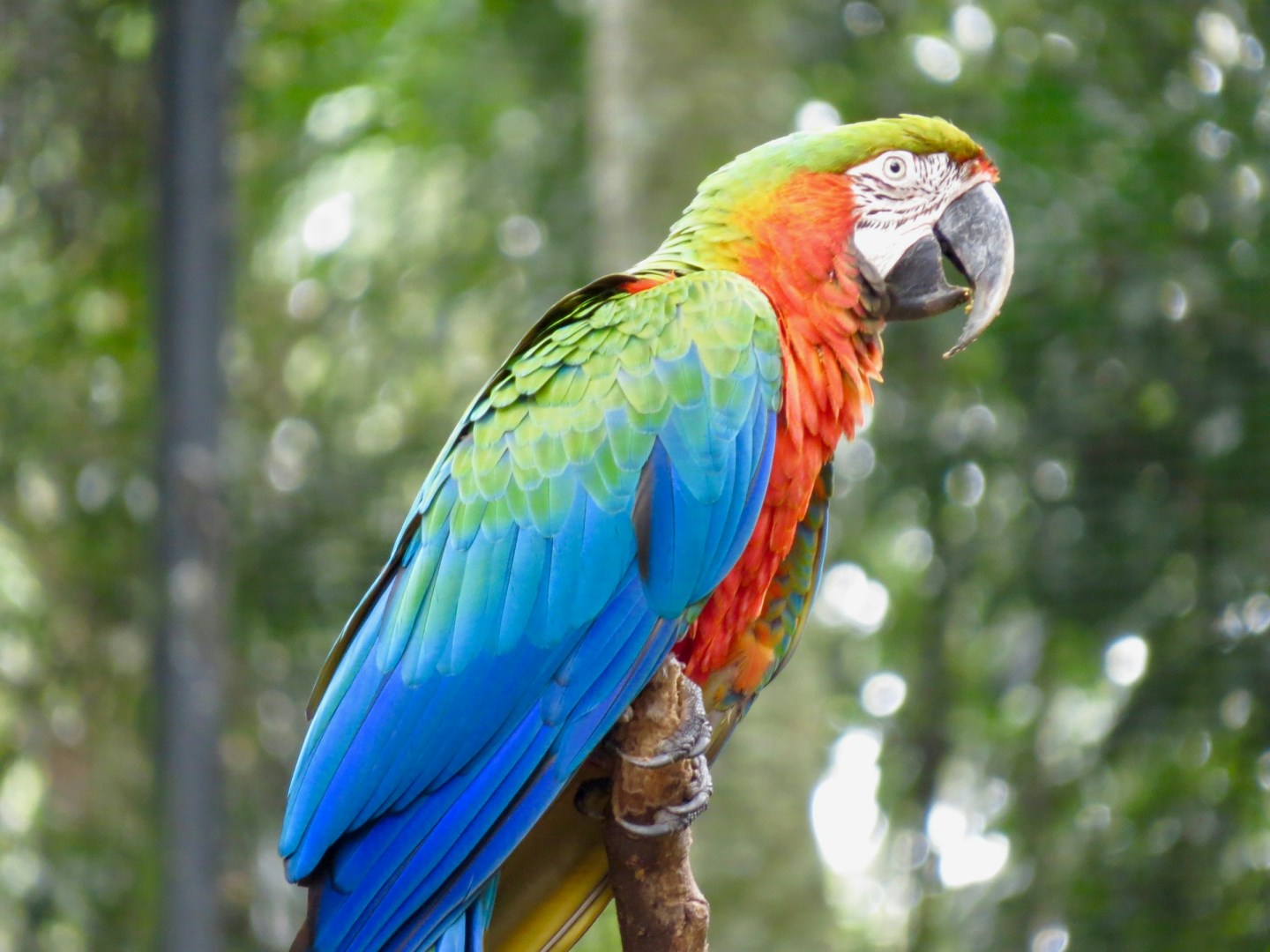
One of the highlights of visiting the Amazon is immersing yourself in its rich ecosystem. From guided boat tours along the meandering Amazon River to treks through dense jungle trails, the region offers unparalleled opportunities for wildlife spotting. Expect to encounter vibrant toucans, elusive jaguars, and playful pink river dolphins. For an in-depth exploration, you might consider a stay at an eco-lodge, where you can experience the forest's serenity while supporting sustainable tourism.
In addition to its natural splendor, the Amazon is a cultural treasure trove. Indigenous communities, such as the Yanomami and Kayapo, live in harmony with their environment and offer visitors unique insights into traditional practices and crafts. Engaging with these communities through responsible tourism initiatives helps preserve their heritage and fosters a deeper understanding of their way of life.
Fun Fact: The Amazon Rainforest is so vast that it influences global weather patterns. Its dense vegetation releases moisture into the atmosphere, which helps regulate the Earth's climate. So, by visiting the Amazon, you're not only experiencing its natural beauty but also contributing to the health of the planet.
Whether you're an adventure seeker or a nature enthusiast, the Amazon Jungle offers an unparalleled journey into one of the world's most vital and vibrant ecosystems.
Other Popular Destinations in Brazil
Rio de Janeiro
Exhilarating Rio de Janeiro, the vibrant South American destination and cultural capital, abounds with iconic landmarks, beaches, and attractions. Christ the Redeemer, the hundred-foot mosaic statue atop Corcovado Mountain, overlooks the glittering coastline and is instantly recognizable, having become an enduring symbol of the city itself. Its arms stretching wide, the prominent figure beckons you to explore this inviting locale.
Iguassu Falls
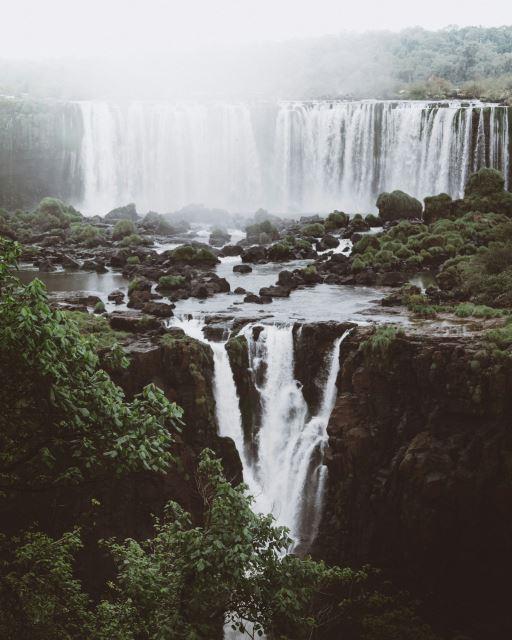
Iguassu Falls, straddling the border between Brazil and Argentina, is a breathtaking natural wonder that captivates visitors with its sheer scale and beauty. This UNESCO World Heritage Site boasts the largest waterfall system in the world, with nearly 275 individual falls cascading over a rugged landscape.