Cannon Beach
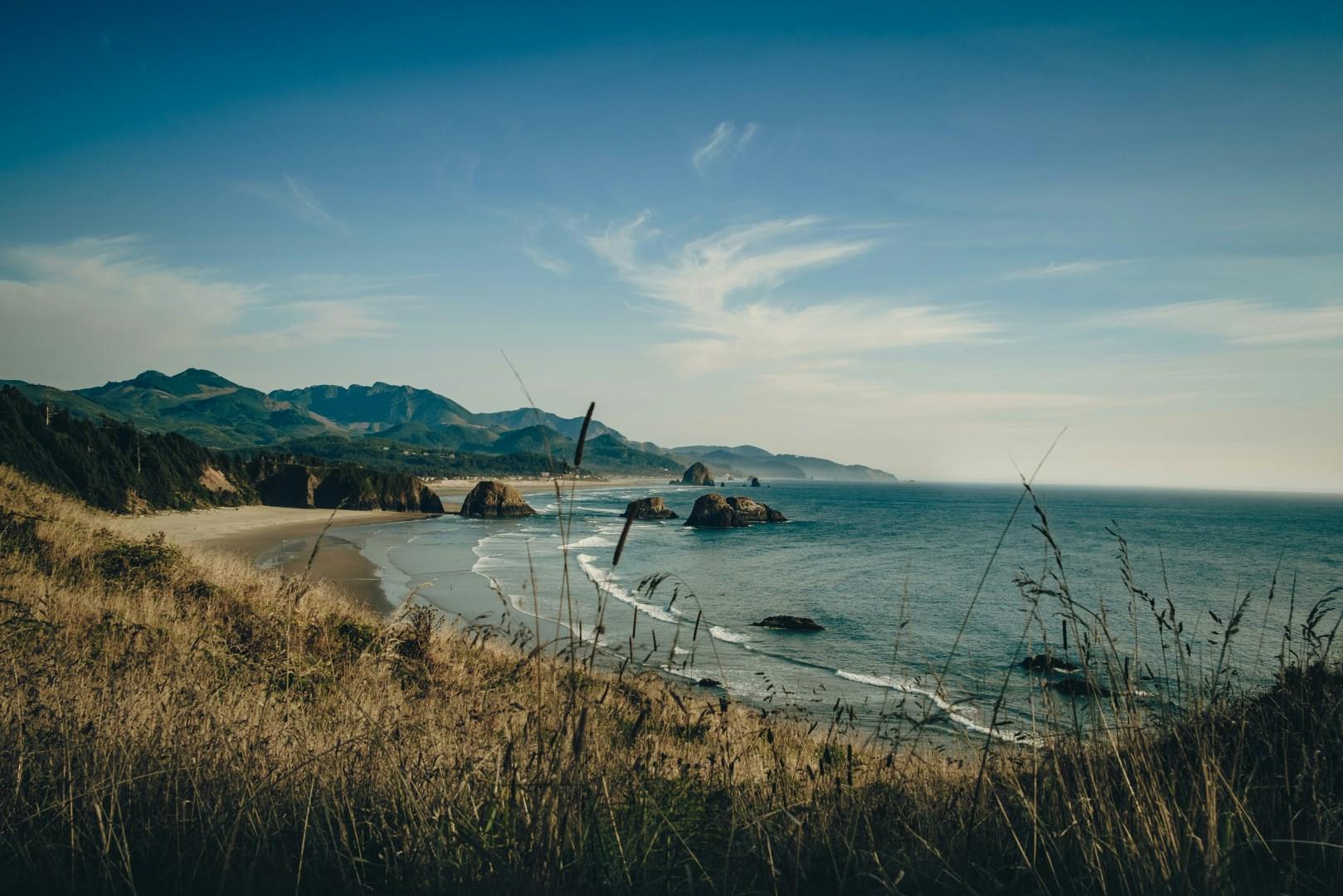
Cannon Beach, Oregon, offers an enchanting coastal escape along the Pacific Ocean. Known for its iconic Haystack Rock, a towering sea stack that rises 235 feet above the sand, this charming town is a visual feast for visitors. This natural landmark, surrounded by tide pools, is a prime spot for bird watching and marine life observation. The beach's scenic beauty, combined with its dramatic rock formations and golden sands, makes it a must-visit for nature enthusiasts and photographers alike.

Bayonne
Bayonne, nestled in the heart of France's Basque Country, offers a delightful blend of history, culture, and gastronomy. This charming city, with its half-timbered houses and narrow cobbled streets, sits at the confluence of the Nive and Adour rivers, creating a picturesque setting that invites leisurely exploration. The Gothic Bayonne Cathedral, a UNESCO World Heritage Site offers stunning views and an opportunity to admire its breathtaking 13th-century architecture.
Santa Cruz de Tenerife
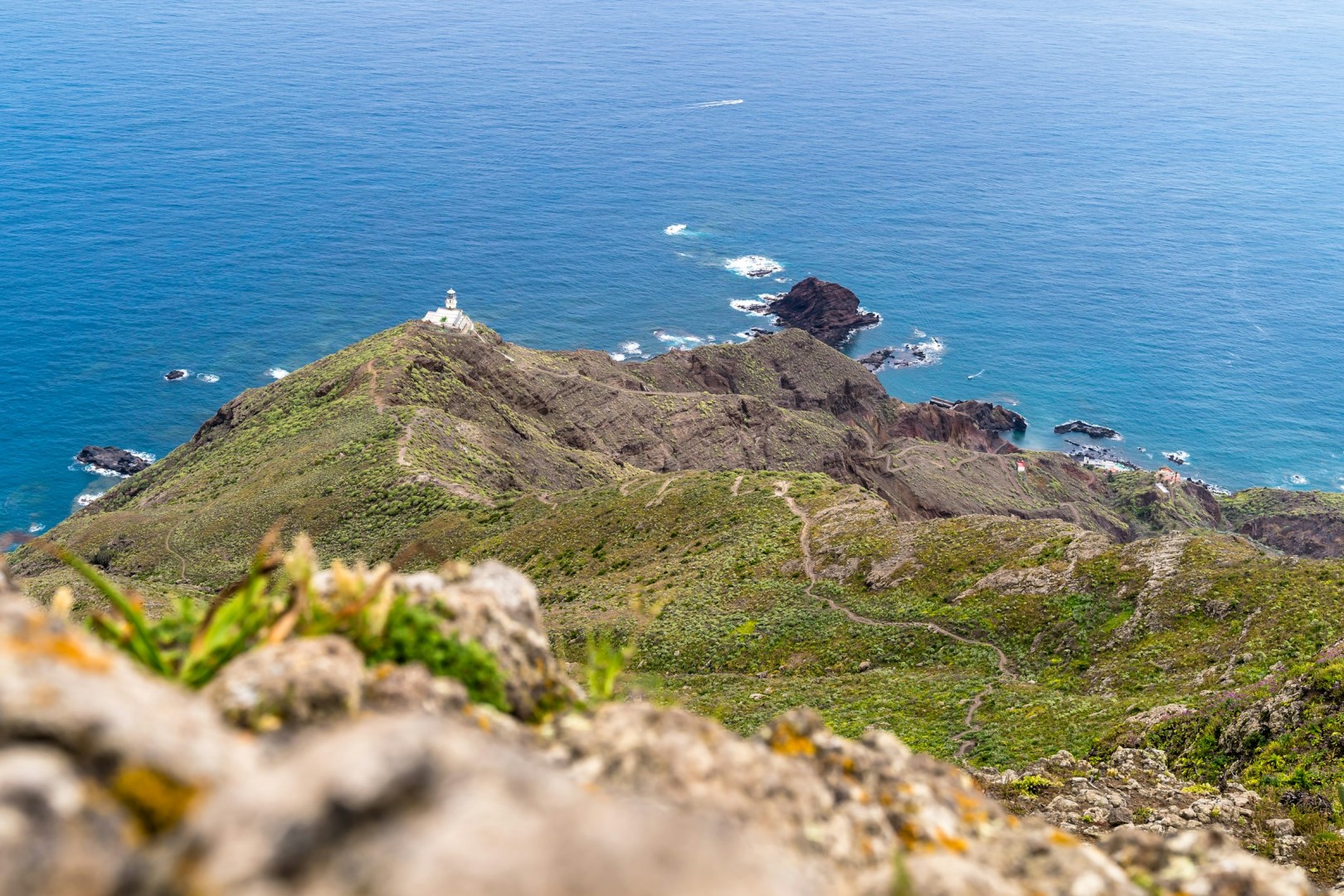
The city of Santa Cruz De Tenerife, located on the island of Tenerife, is a favorite stop for Transatlantic voyagers. Tenerife is both the largest and most populated of the seven Canary Islands and of Spain itself. As the island's main city, Santa Cruz De Tenerife is home to almost half of the island's population.

Cortina D'Ampezzo
Nestled in the heart of the Dolomites, Cortina d'Ampezzo is Italy's premier alpine destination, renowned for its breathtaking natural beauty and world-class ski resorts. Known as the "Queen of the Dolomites," this charming town has long been a magnet for outdoor enthusiasts and luxury travelers alike. Cortina offers some of the best skiing in Europe, all set against the dramatic backdrop of UNESCO World Heritage-listed mountains .

Mount Kilimanjaro
Mount Kilimanjaro, located in Tanzania, stands as Africa’s highest peak and an iconic symbol of adventure. This majestic stratovolcano rises 5,895 meters (19,341 feet) above sea level, making it one of the world’s most accessible high summits. Climbing Kilimanjaro offers a unique opportunity to traverse multiple climate zones, from lush rainforests and alpine meadows to the icy summit.