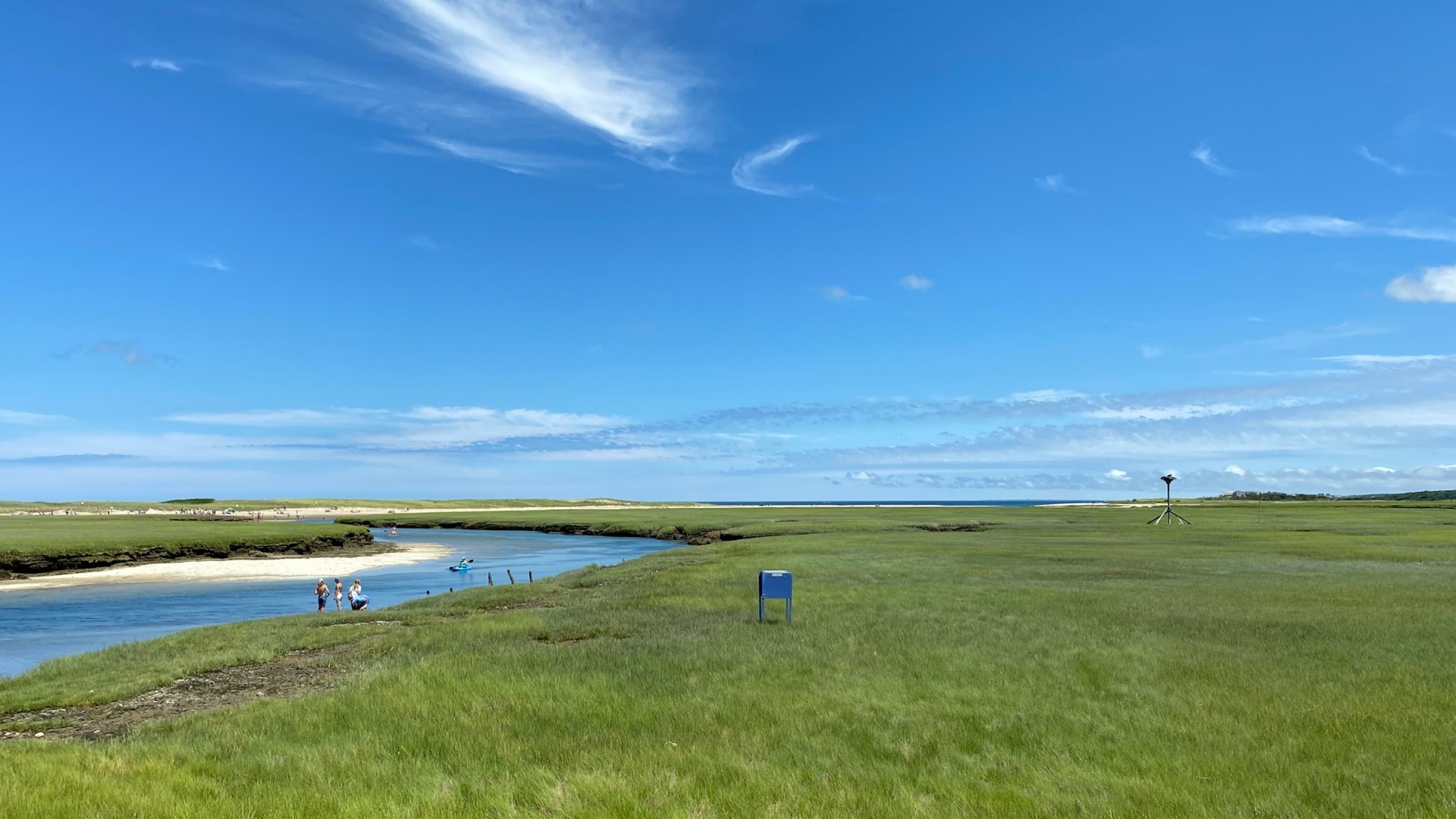
Sandwich, Massachusetts, occupies the Upper Cape near the eastern end of the Cape Cod Canal and is recognized as the oldest town on Cape Cod. Its historic center combines colonial-era homes, a village common, small shops, galleries, and landmarks around Shawme Pond. The town extends from inland woodlands and freshwater ponds to salt marshes and Cape Cod Bay, giving it a varied coastal landscape.
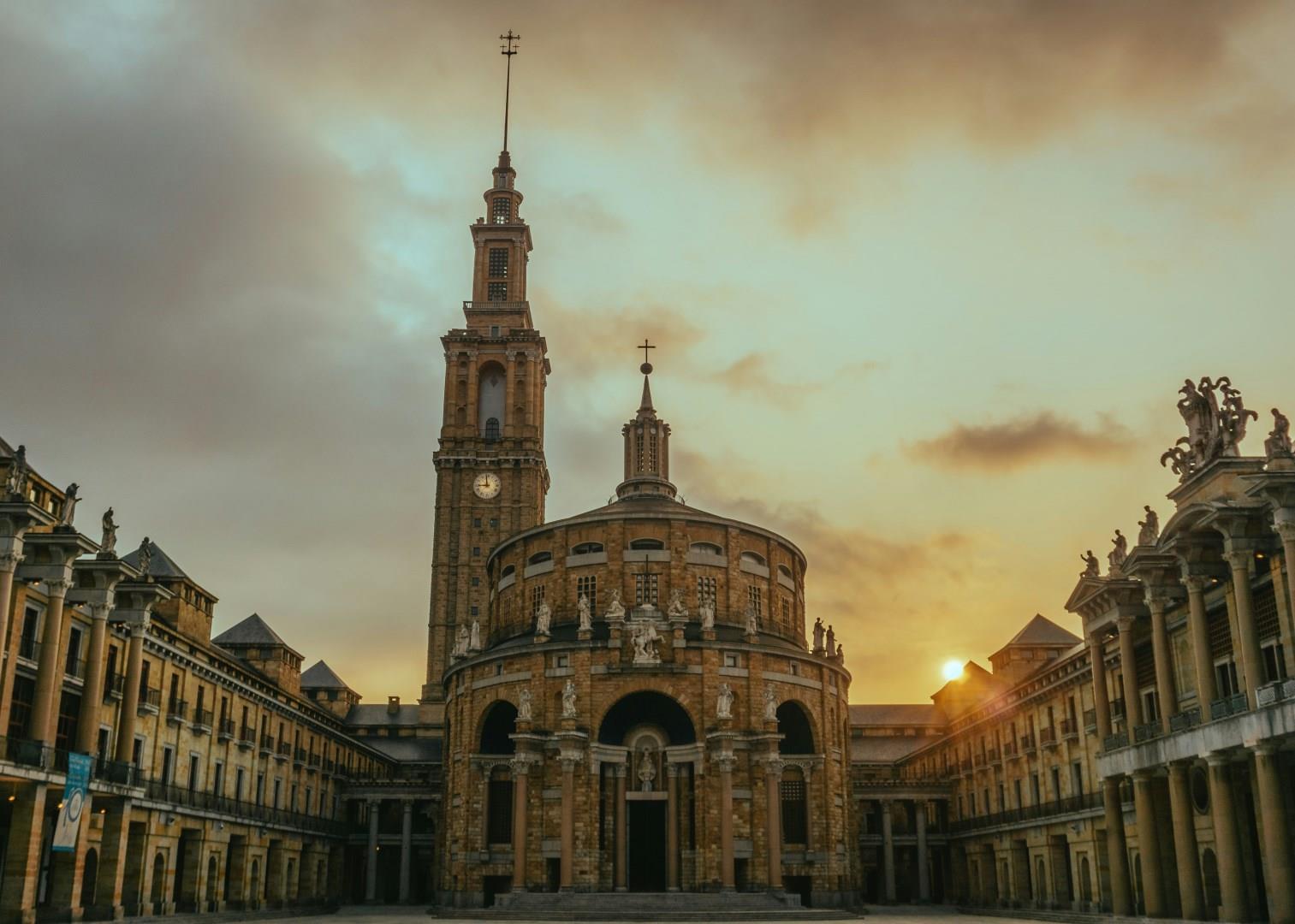
Gijón sits on Spain’s northern coast in Asturias, shaped by its long relationship with the Cantabrian Sea. From its origins as a Roman settlement to its later growth as an industrial and port city, Gijón has balanced maritime work with civic life.
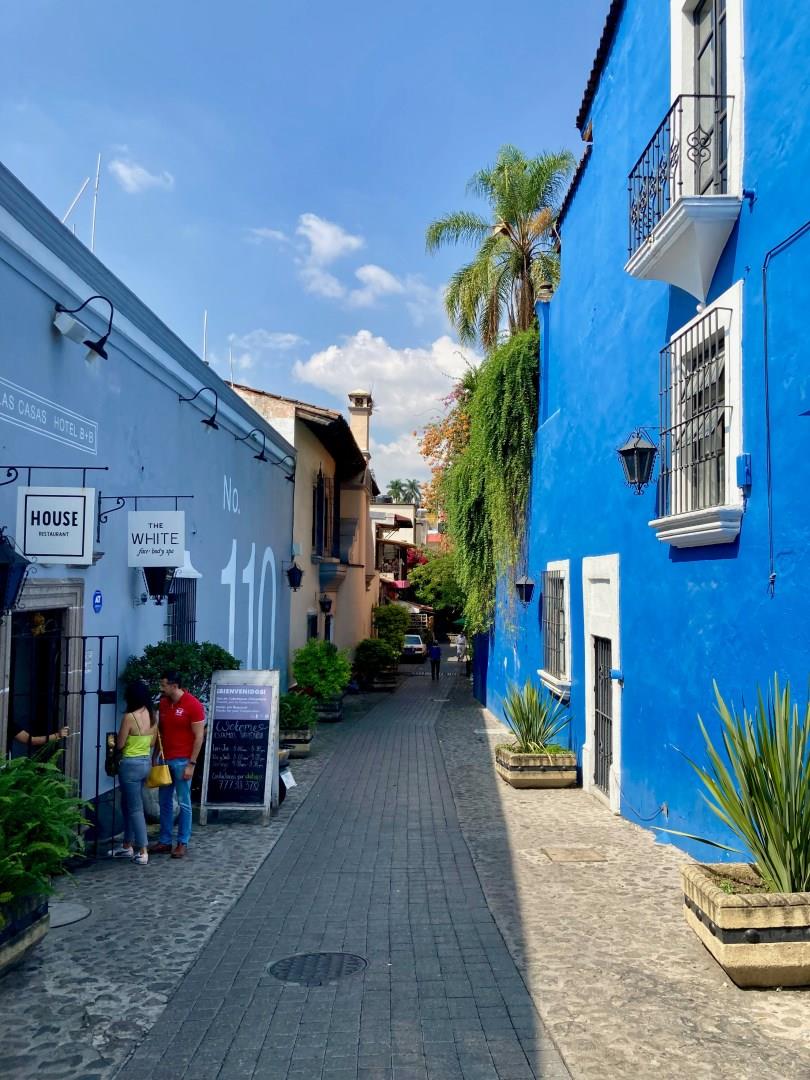
Cuernavaca, often called the “City of Eternal Spring,” has long been a retreat for those seeking warm weather and relaxing surroundings just 90 minutes from Mexico City. With a history that stretches back to the Aztec empire, the city is layered with centuries of cultural change. The historic center of Cuernavaca combines architecture from multiple eras, with narrow streets leading to quiet plazas and colonial churches.

Höfn is a small fishing town in southeastern Iceland, located on a narrow peninsula surrounded by the waters of Hornafjörður and nearby lagoons. The town sits beneath the large Vatnajökull ice cap, whose glaciated peaks form a prominent backdrop to the surrounding landscape. Höfn is an important service and fishing center for southeast Iceland, with a harbor, restaurants, shops, and accommodation.
The River Nile, most often associated with Egypt and its ancient civilizations, actually flows through eight other countries including Uganda, Ethiopia, Sudan, and Kenya. It is formed by two major tributaries, the White Nile and Blue Nile, and is considered by many to be the longest river in the world when measured from its source waters in Rwanda and Burundi.
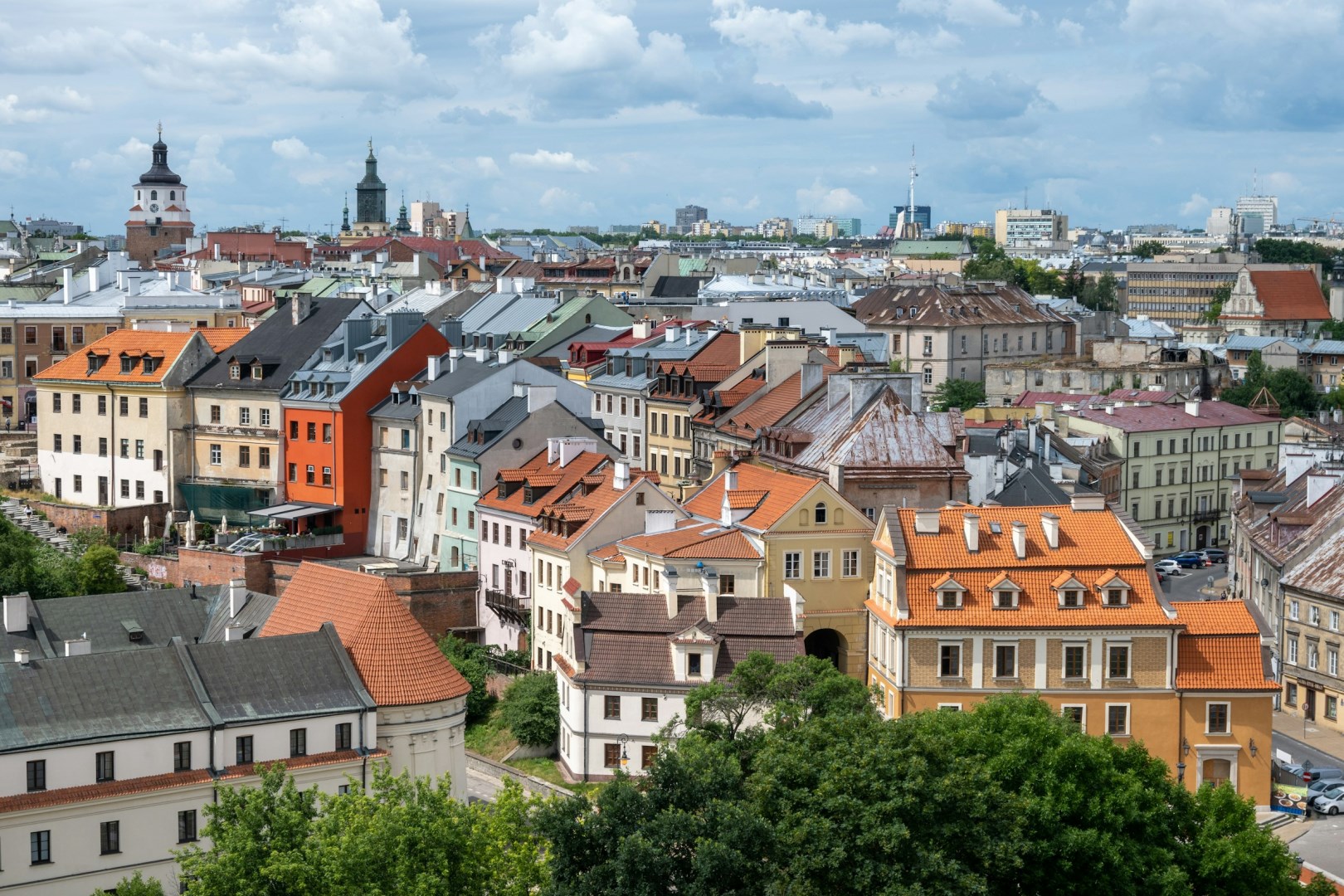
Photo Credit: Photo by Tomasz Zielonka on Unsplash
Located on a trade route to Lithuania and Russia, Lublin was already an important center by the time it received its municipal charter in 1317. The city still remains relatively unknown to foreign tourists. From the original defense walls and the Krakow Gate, the remnant of Lublin's medieval wall system to the town hall and the Renaissance burgher houses in the Market Square, Lublin offers numerous visual delights. The Dominican Church, with its exquisite Firlej Chapel, is a must-see for every visitor. The same stands true for the remains of the Gothic Royal Castle, with its late 14th century Holy Trinity Chapel housing one of the finest examples of medieval Byzantine-style polychromes in Europe.
Lublin is a renowned academic center with its Maria Curie-Sklodowska University and Academy of Medicine. Lublin Catholic University, where pope John Paul II once taught, was established in 1918 and operated continuously throughout the post-war era.
Areas outside of Lublin contain many points of interest as well. An ethnographic park offers a fascinaitng trip through time. Kazimierz Dolny is a picturesque town long favored by artists and writers, and Zamosc, a delightful Renaissance city, is a registered world class heritage location.
Other Popular Destinations in Poland
Kraków
Kraków lies in southern Poland along the Vistula River and serves as one of the country’s most recognized cultural centers. Its layout is shaped by a well-preserved historic core, with streets radiating from a large central square. The city retains a human scale, where daily life unfolds among historic buildings, universities, and markets. It stands apart for its continuity of urban life, where medieval structures coexist with modern institutions without dramatic contrast.
Wroclaw
Wrocław, a captivating gem in southwestern Poland, enchants visitors with its rich history, vibrant culture, and stunning architecture. The city’s picturesque Old Town is centered around the magnificent Market Square (Rynek), where colorful facades and historic buildings like the Gothic Wrocław Town Hall create a fairy-tale atmosphere.