Nata
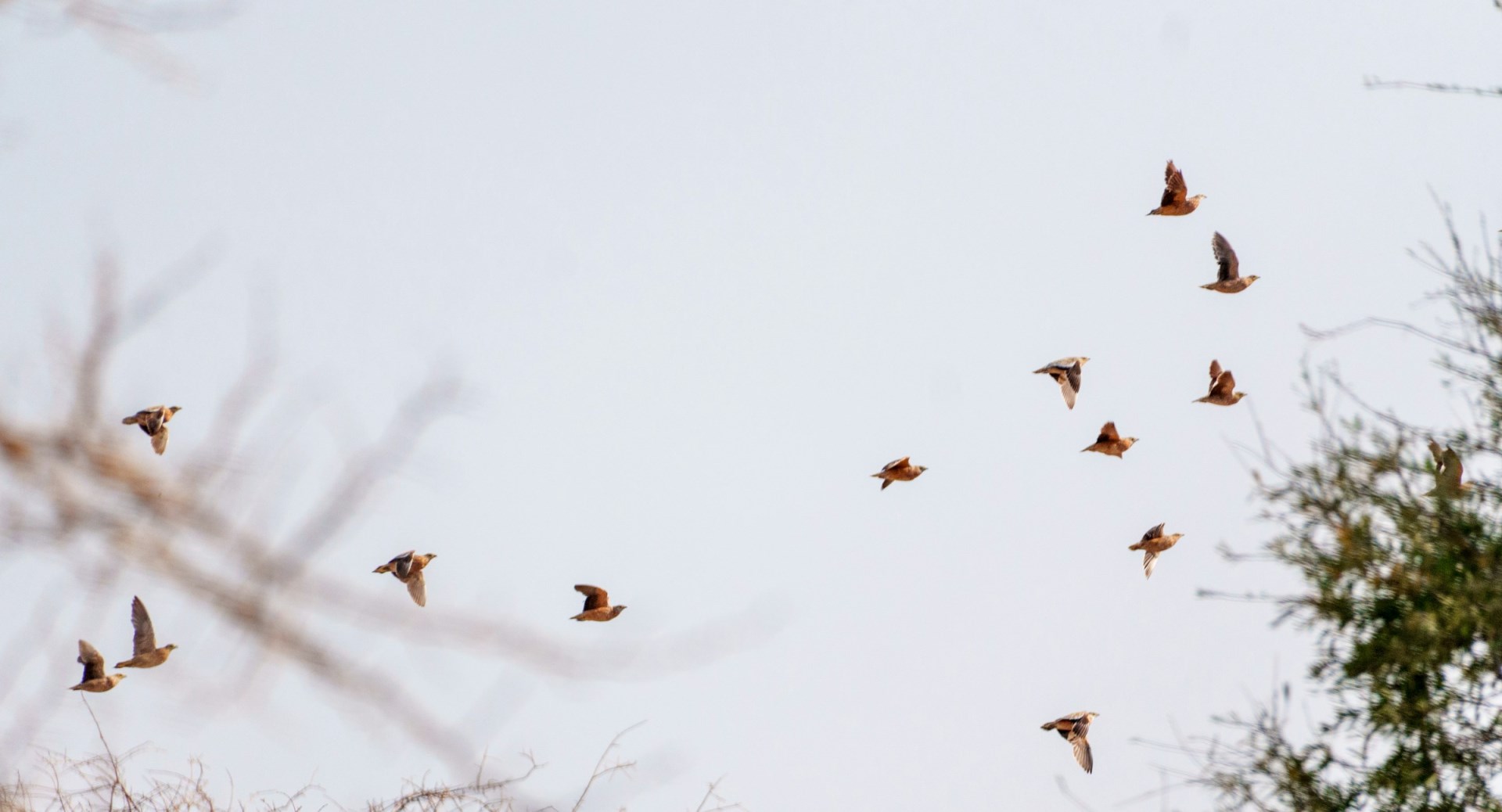
Nata is a small village in northeastern Botswana, situated where several roads meet between Maun, Francistown, Kasane, and the Makgadikgadi salt pans. Its location makes it an important stopping point for travellers crossing the country's northern and central regions. The surrounding landscape is predominantly dry, with grasslands, scrub, woodlands, and expansive salt-pan systems shaped by seasonal rainfall.
Liberia
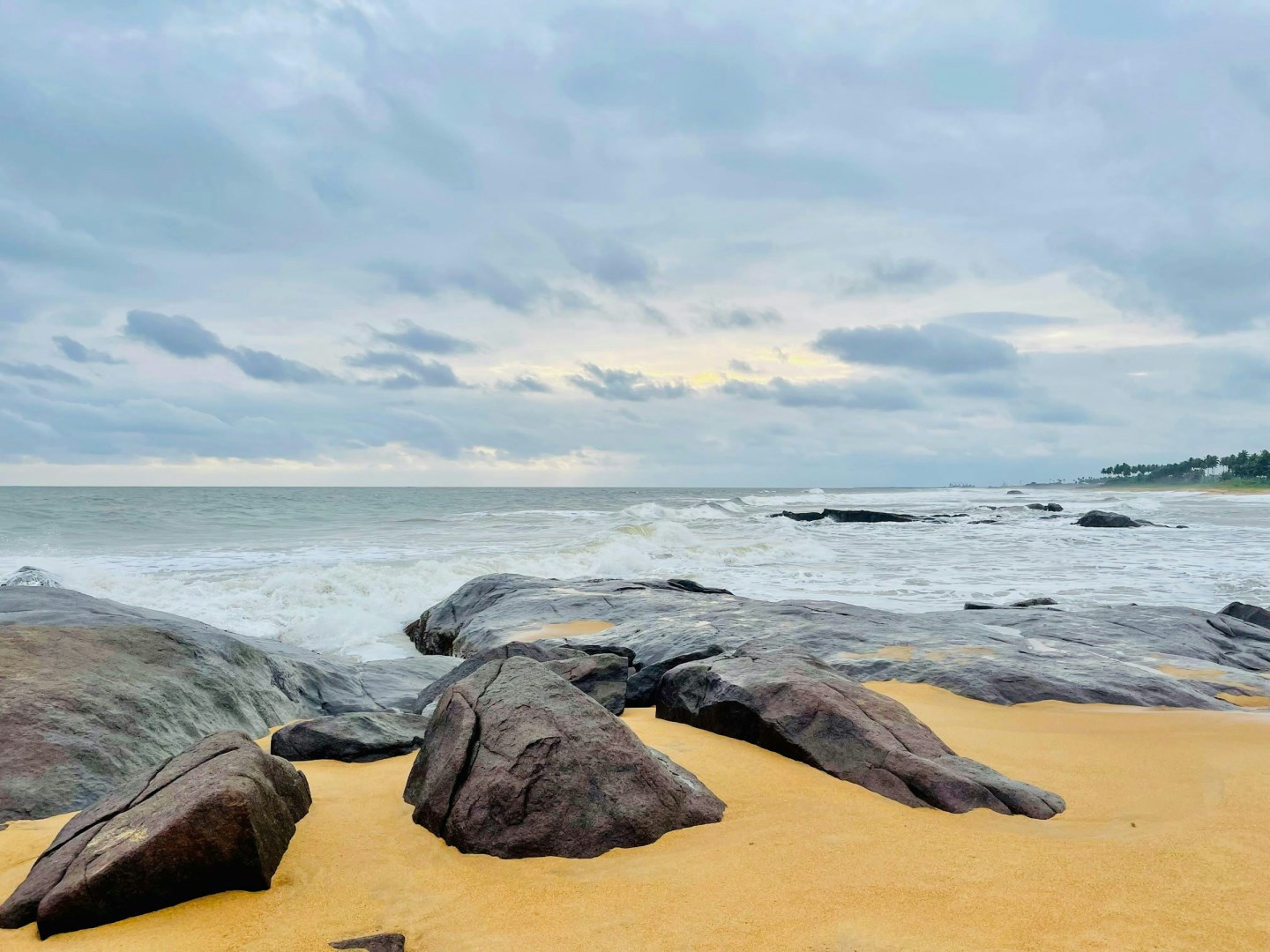
Liberia, republic in western Africa, bounded on the north by Sierra Leone and Guinea, on the east by Côte d'Ivoire, and on the south and west by the Atlantic Ocean. Liberia has an area of 99,067 sq. km (38,250 sq. mi.). Liberia was founded in the early 1800s by freed American slaves. Monrovia is the capital and largest city.
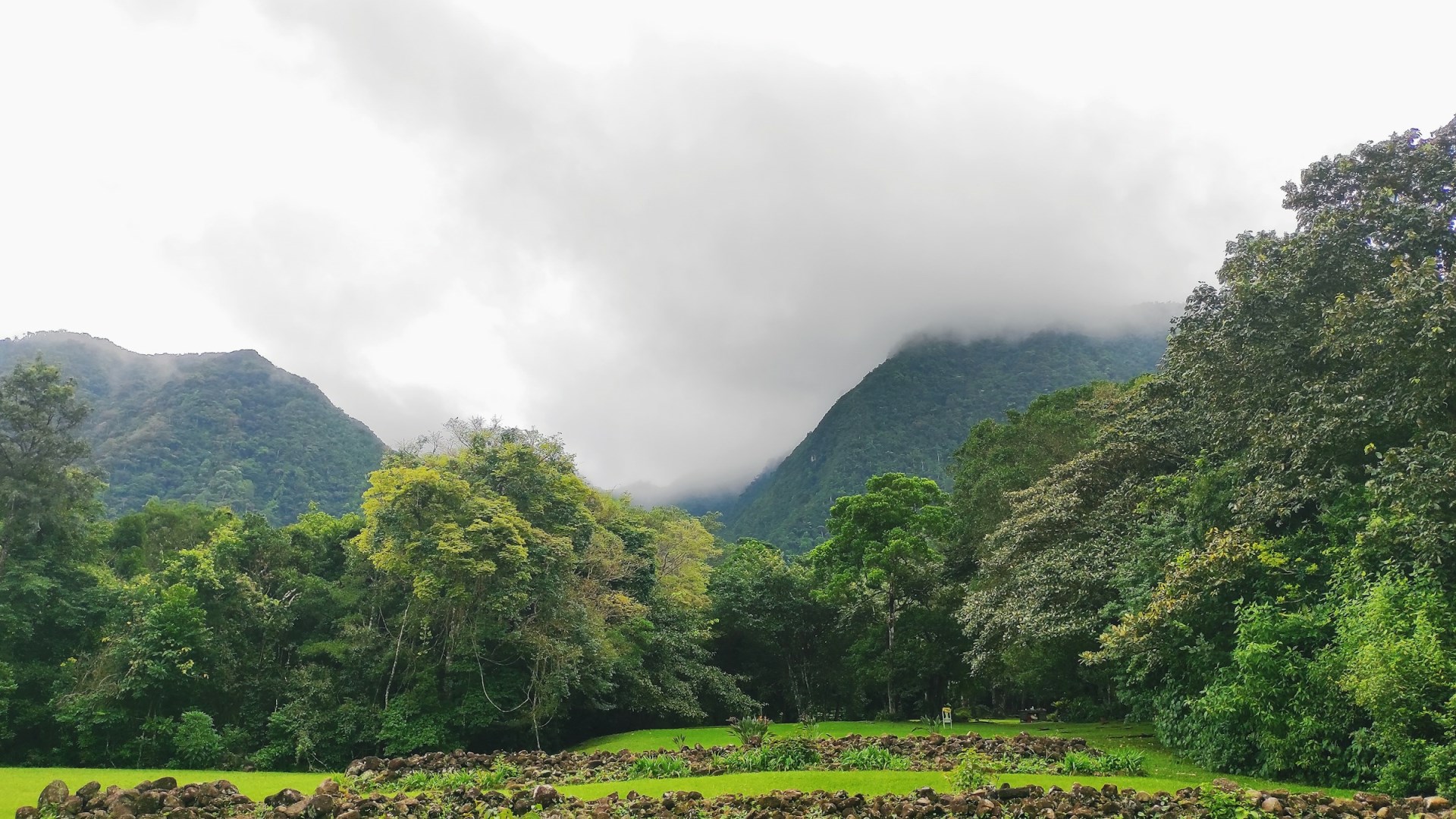
El Valle de Antón
El Valle de Antón is a mountain town in Panama’s Coclé Province, set within the broad crater of an inactive volcano. Its elevated setting gives the area a cooler climate than much of the surrounding lowlands, while mountains and forested slopes surround the town. Streams, waterfalls, gardens, farms, and wooded areas are found throughout the valley, creating a landscape shaped by volcanic geology and tropical vegetation.
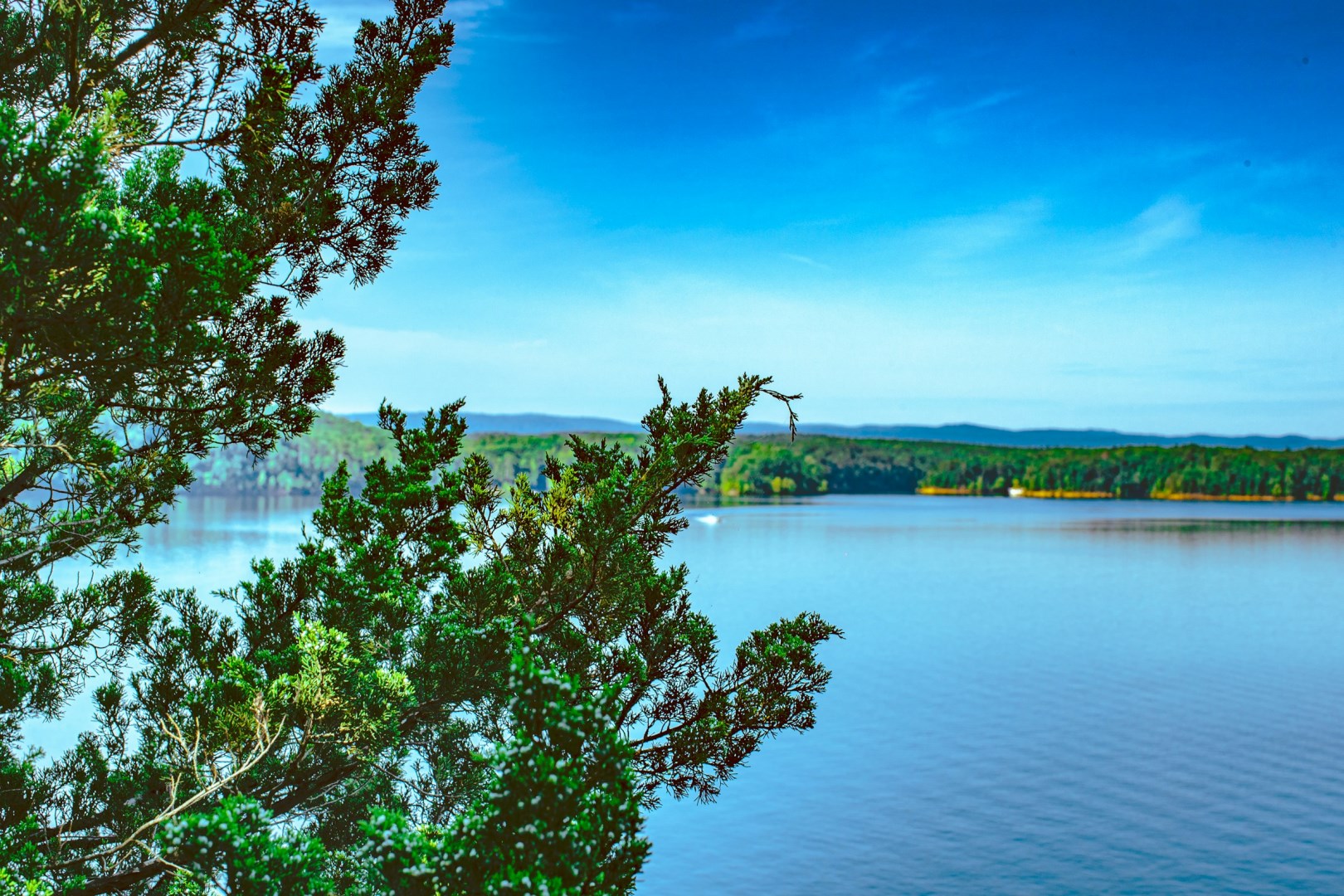
Lake Ouachita
Lake Ouachita is a large reservoir in west-central Arkansas, surrounded by the forested hills of the Ouachita Mountains. The lake lies within the Ouachita National Forest and has a highly irregular shoreline formed by numerous coves, islands, and wooded peninsulas. Its clear water and undeveloped shoreline distinguish it from many reservoirs in more urbanized parts of the state.

Kotor
This coastal town in Montenegro is part of the World Heritage Site dubbed the Natural and Culturo-Historical Region of Kotor. It holds several summer events, such as the Summer Carnival or Bokeljska Noc. One of the most notable and charming aspects of the town is the large population of cats that have become a symbol of the city.