Pinnacle Mountain State Park is a protected recreation area west of Little Rock, Arkansas, centered on the distinctive summit of Pinnacle Mountain. The park covers more than 2,300 acres along the Arkansas River and combines forested slopes, rocky ridges, wetlands, and open river landscapes. Pinnacle Mountain rises above the surrounding Ouachita Mountain foothills and is one of the most recognizable natural landmarks near the state capital.
If it wasn't for Paris, Ghent would be medieval Europe's largest city. Steeped in history both rebellious and industrious, it sits at the junction of the Leie and Scheldt rivers and was once the site of armed battles by its townsfolk, who raged against heavy taxes and restricted civil liberties.
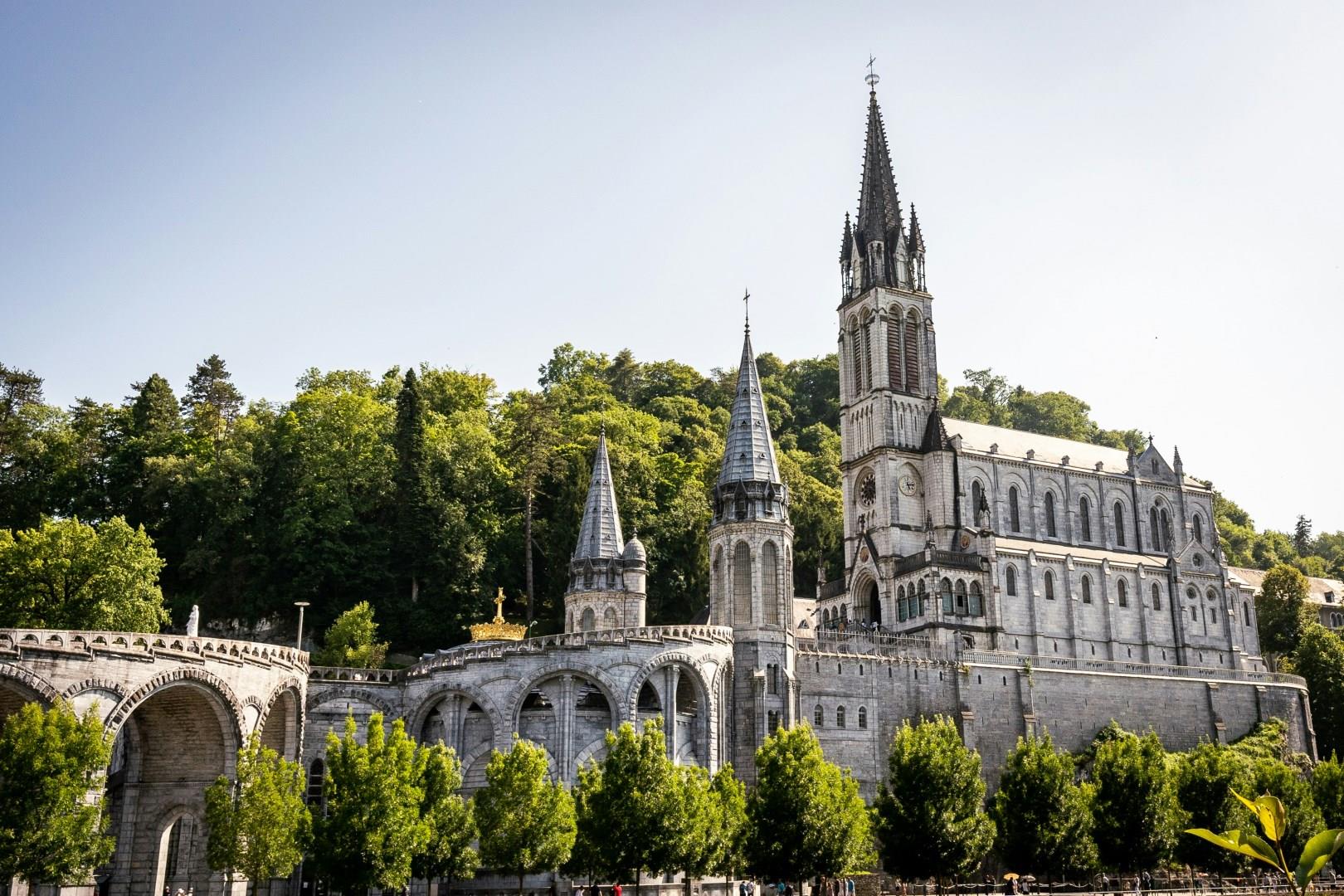
Located at the foot of the Pyrenees in southwestern France, Lourdes is best known for the Marian apparitions reported by 14-year-old Bernadette Soubirous in 1858. These events transformed the small market town into one of the most visited pilgrimage sites in the world. The Sanctuary of Our Lady of Lourdes, which includes the Grotto of Massabielle, the Basilica of the Immaculate Conception, and the underground Basilica of St. Pius X, draws millions each year.
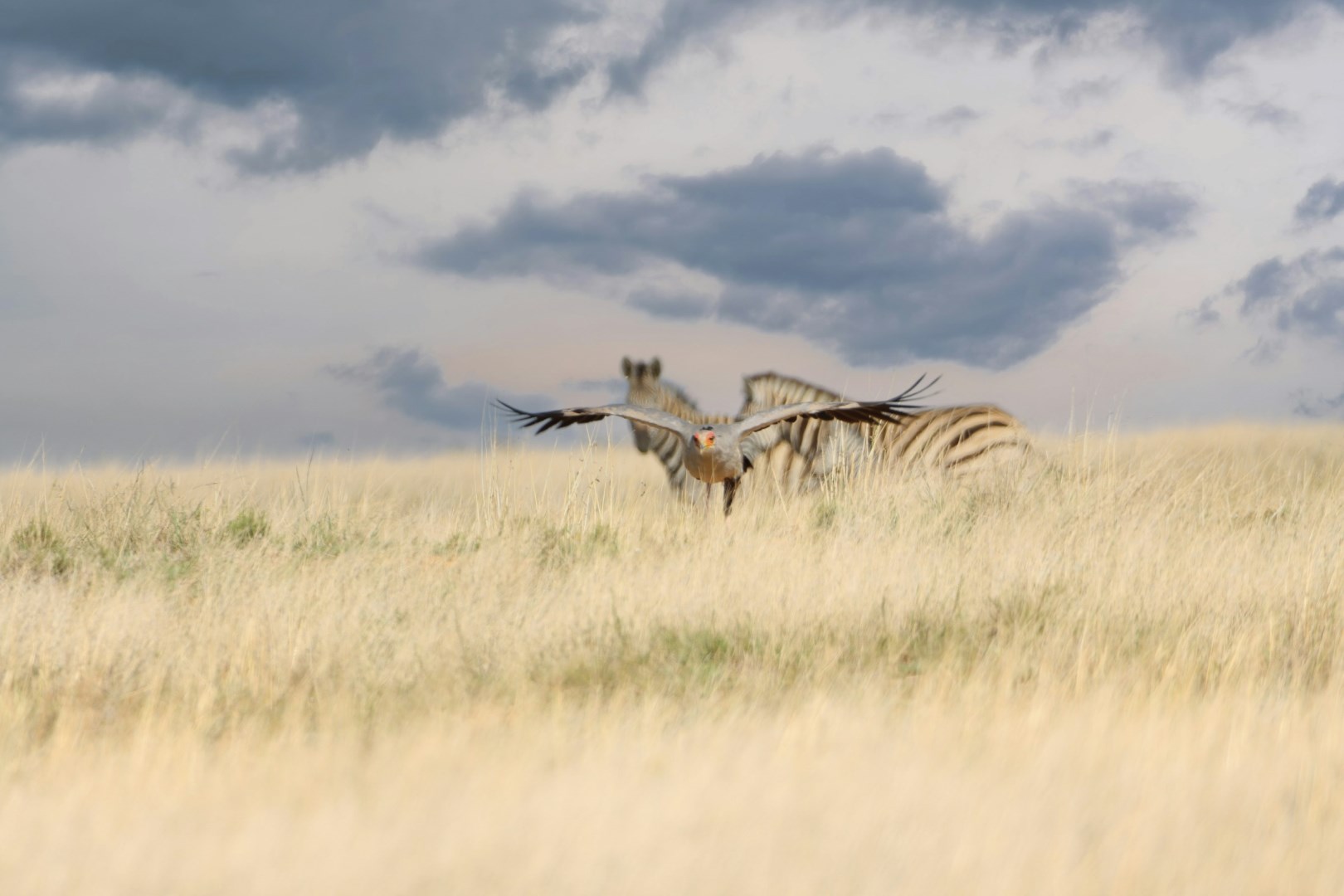
Bloemfontein is the capital of the Free State province and South Africa’s judicial capital, located near the geographic centre of the country. Known locally as Bloem, the city is often called the “City of Roses,” a reference to the many rose gardens found around its streets and parks. Its character comes from a combination of government institutions, historic sandstone buildings, museums, universities, and open spaces.
Dakar, the lively capital of Senegal, stands at the edge of the Atlantic Ocean on the Cape Verde Peninsula. As the westernmost city on the African mainland, it has long been a crossroads of cultures, trade, and ideas.
Photo Credit: Photo by Valerio Gentile on Unsplash
Photo Credit: Photo by Rob Conger on Unsplash
Photo Credit: Photo by Darko M. on Unsplash
Photo Credit: Photo by Daniel Andrews on Unsplash
Photo Credit: Photo by Bernd 📷 Dittrich on Unsplash
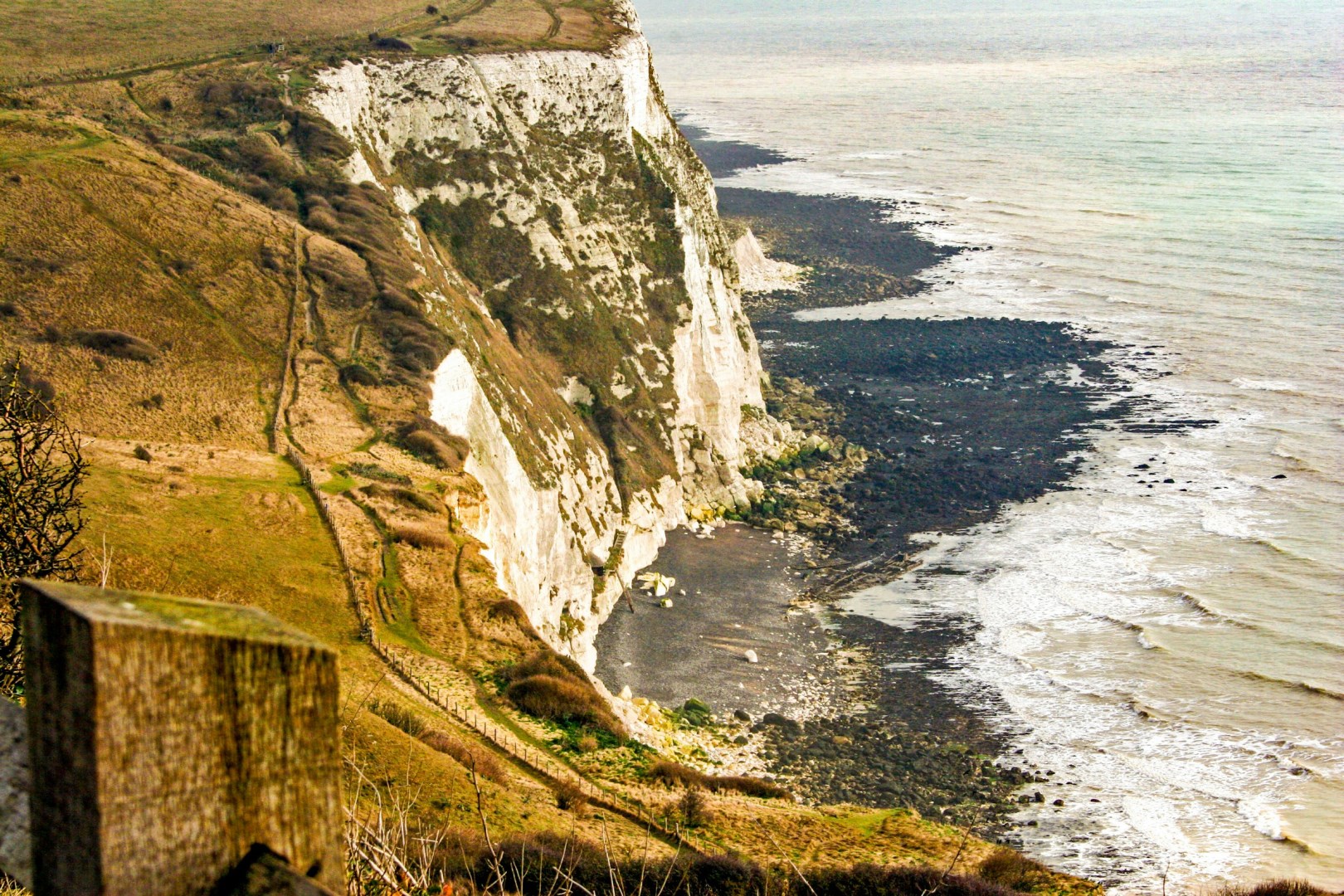
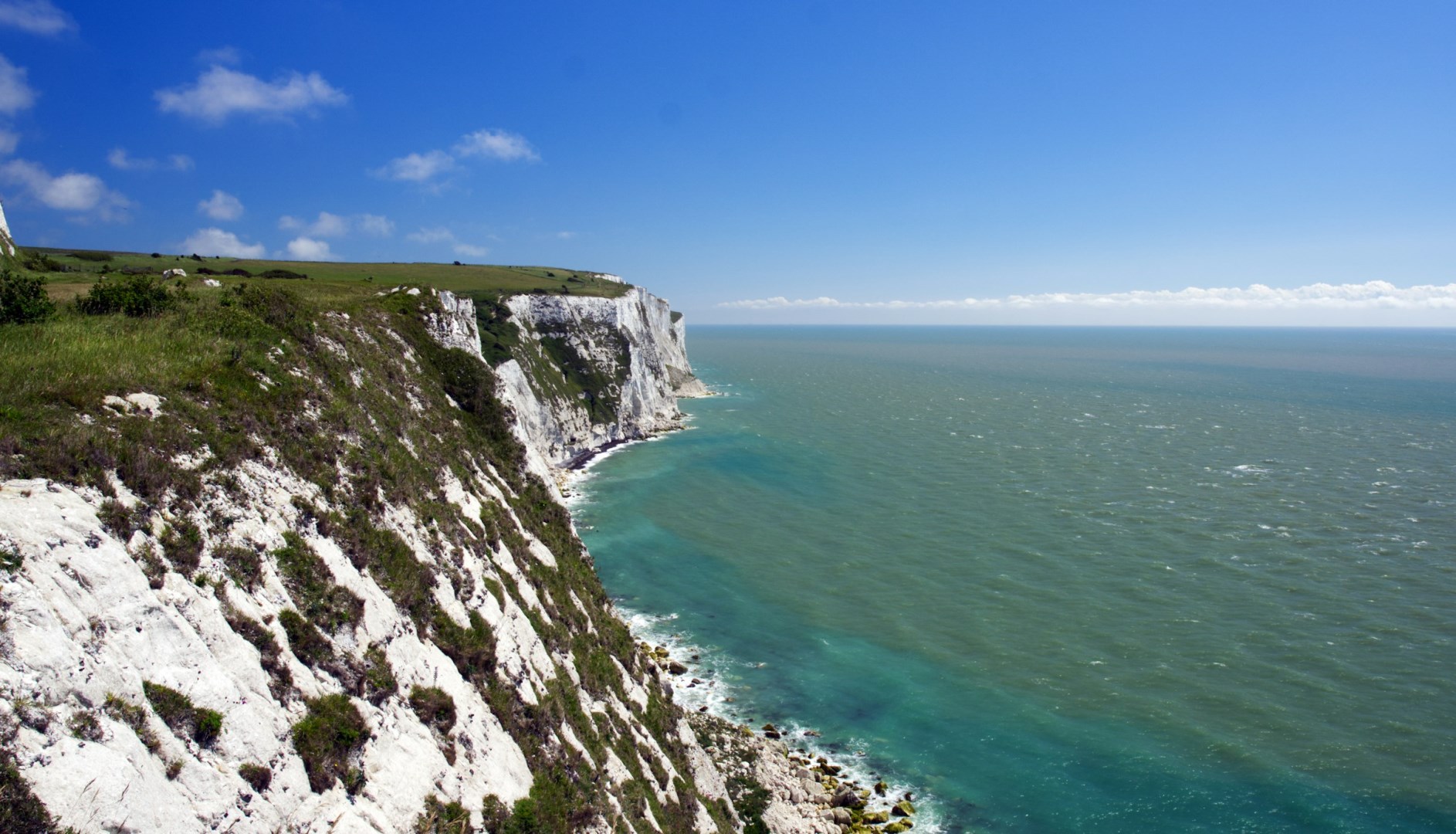
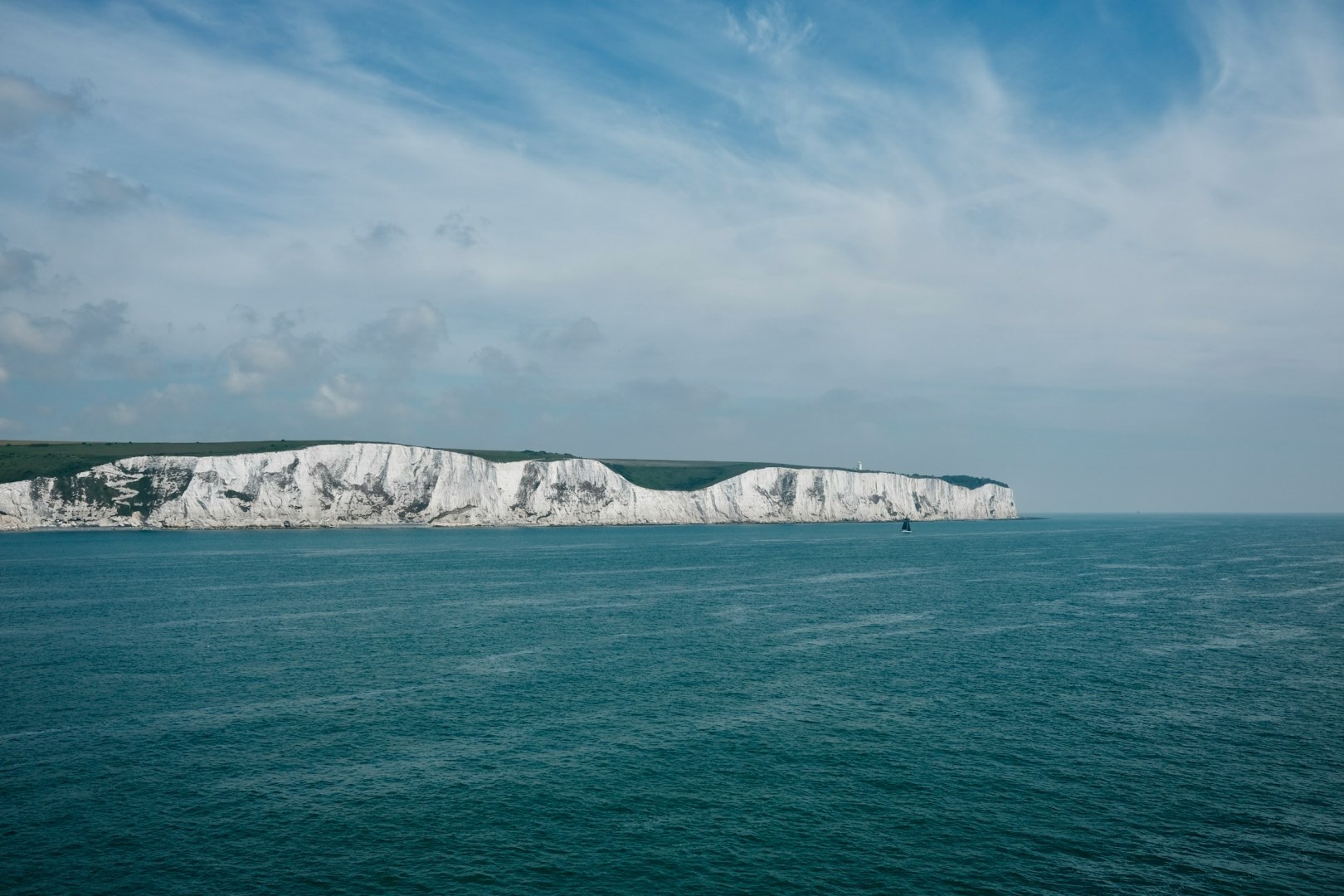
The historic city of Dover, nestled on the southern coast of England, is a captivating destination known for its iconic White Cliffs and strategic maritime heritage. Overlooking the Strait of Dover, these towering chalk cliffs offer breathtaking views across to France and serve as a symbol of Britain's resilience. A visit to the cliffs is a must, with picturesque walking paths and scenic viewpoints that showcase one of the most famous natural landmarks in the UK.
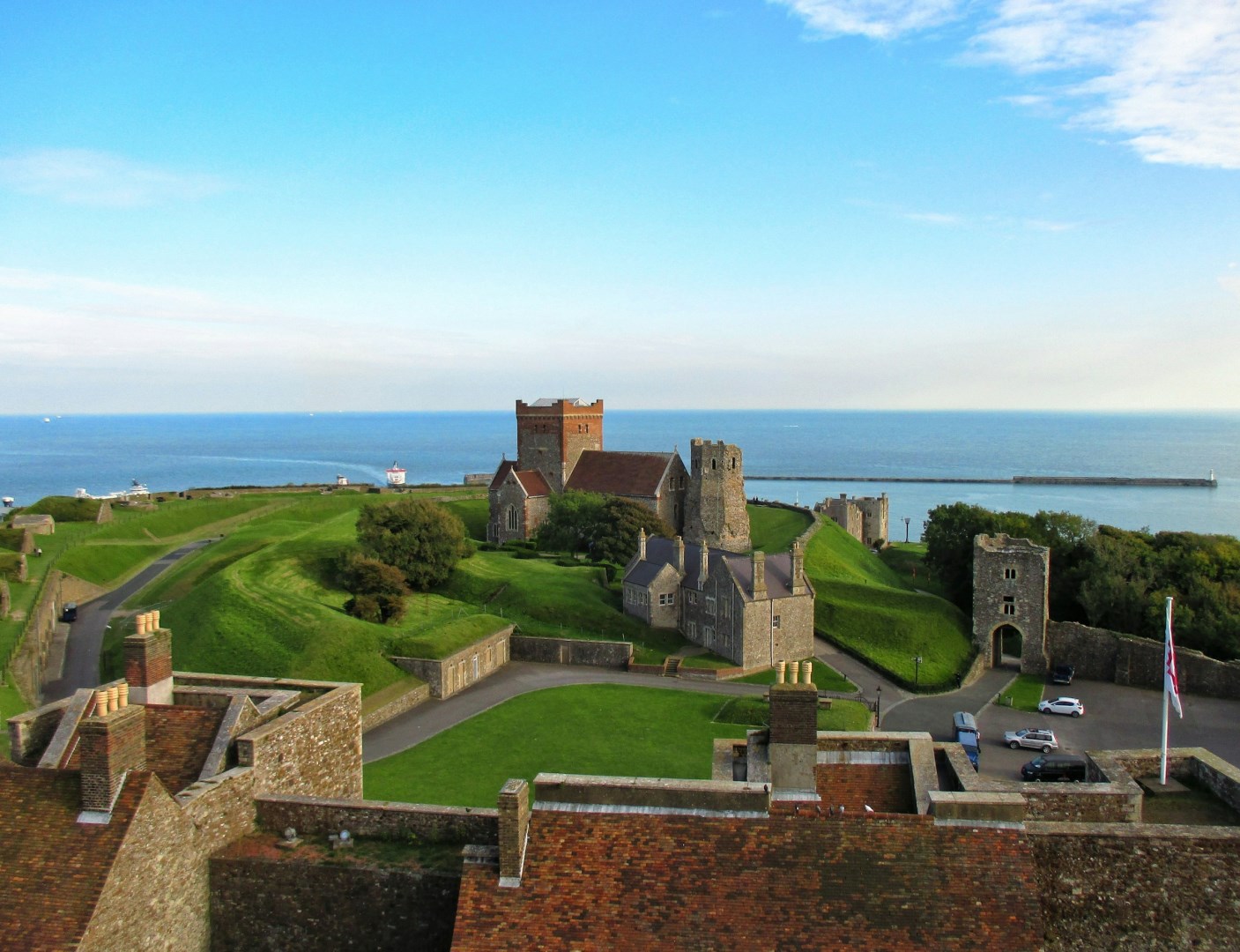
Dover's rich history is equally impressive. The Dover Castle, an imposing fortress dating back to the 11th century, stands sentinel over the city and offers a fascinating glimpse into England’s military past. Explore the castle’s medieval interiors, underground wartime tunnels, and sweeping views from the battlements. The castle has played a pivotal role in British history, including its strategic importance during World War II (English Heritage - Dover Castle).
Stroll through Dover’s charming town center to discover its maritime legacy. The Dover Museum, located near the harbor, features exhibits on the city’s seafaring history, including the famous Dover Bronze Age Boat, one of the oldest known seagoing vessels in the world. Nearby, the bustling Dover Marina offers a vibrant mix of shops, restaurants, and coastal walks perfect for a relaxing day out.
Fun Fact: Dover’s cliffs have been a beacon of hope and guidance for seafarers for centuries. The famous phrase “The white cliffs of Dover” has inspired numerous songs and literary works, symbolizing the welcoming sight of England for those crossing the Channel.
Other Popular Destinations in England
London
London is among the world's most visited cities, with countless attractions and a history stretching back two millennia. Visitors will discover historic iconic structures like Westminster Abbey, Big Ben, and Tower Bridge, as well as recent marvels such as London Eye, a giant observation wheel that offers breathtaking views of the whole city.
York
York, England, is a city where over 2,000 years of history comes to life. Originally founded by the Romans in 71 AD as Eboracum, York has witnessed the rise and fall of empires, from the Vikings to the Normans. Today, the city retains its medieval charm, with its historic York Minster, one of the largest Gothic cathedrals in Northern Europe, standing proudly as its centerpiece.