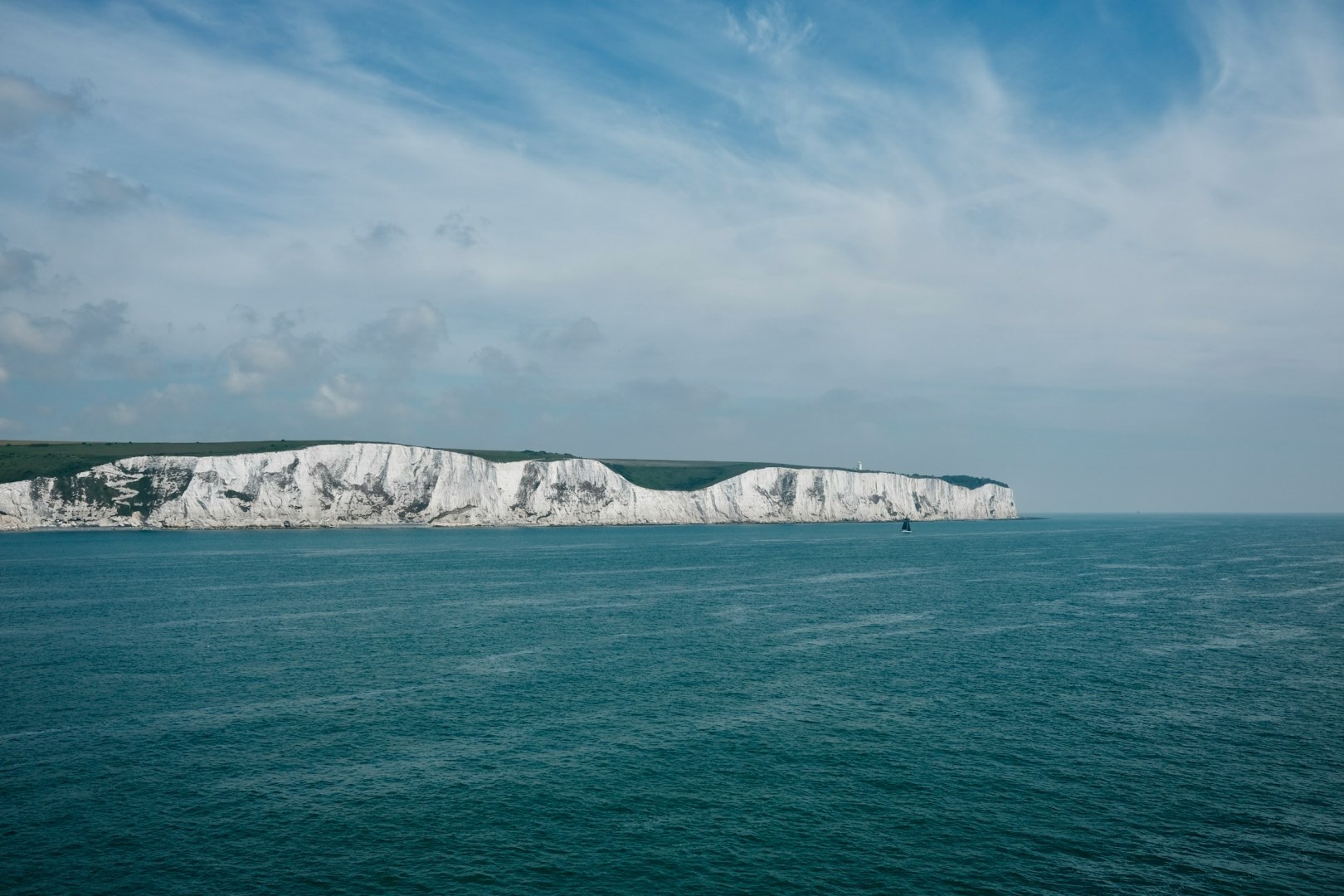
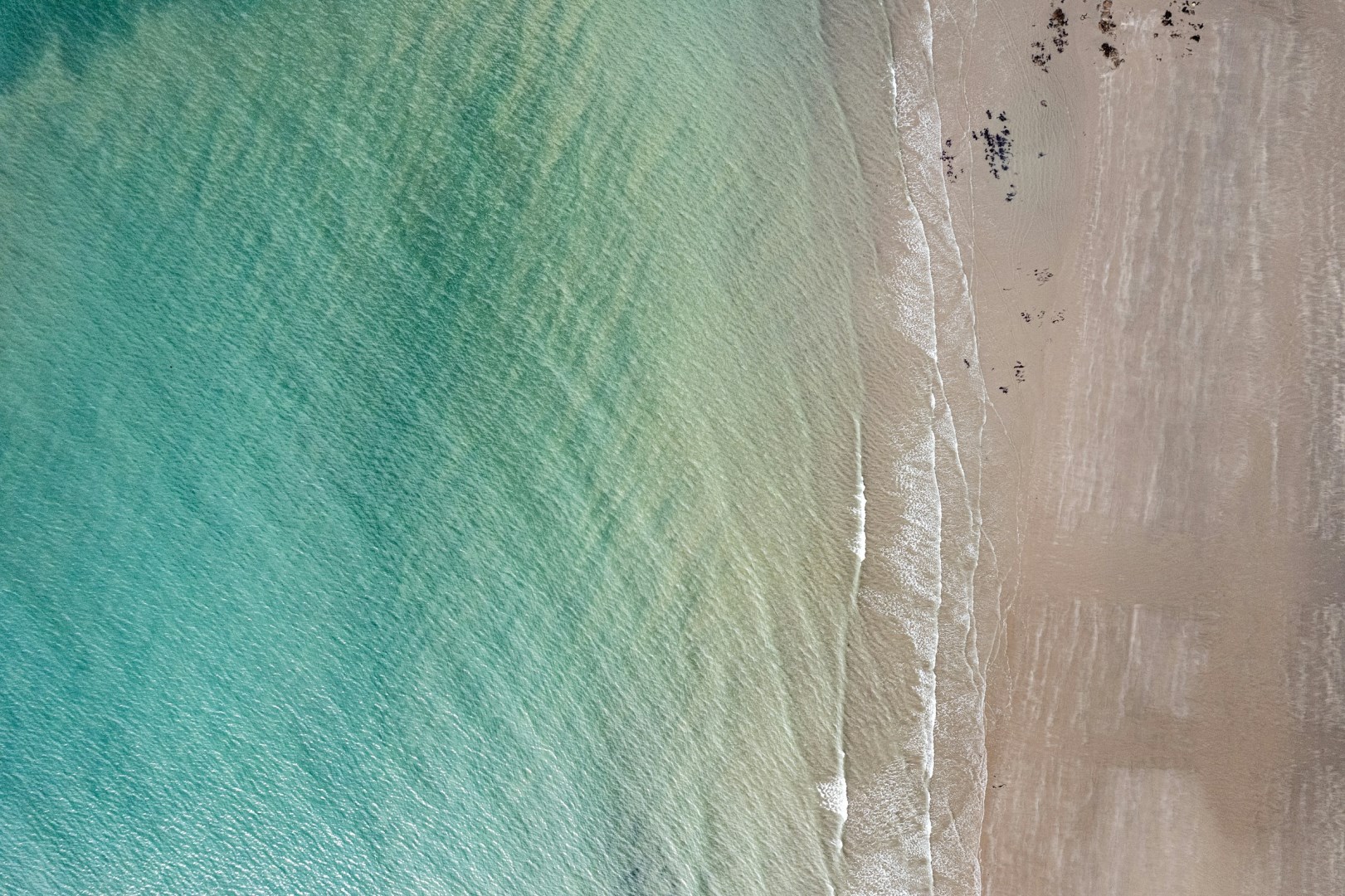
Guadeloupe's major center is Pointe-à-Pitre, a conglomeration of old and new buildings clustered around the bustling harborside market. Pointe-a-Pitre is Gudeloupe's most popular city--explore the beaches of Grand-Terre and the French fort ruins and volcanic mountaintop of Basse-Terre.
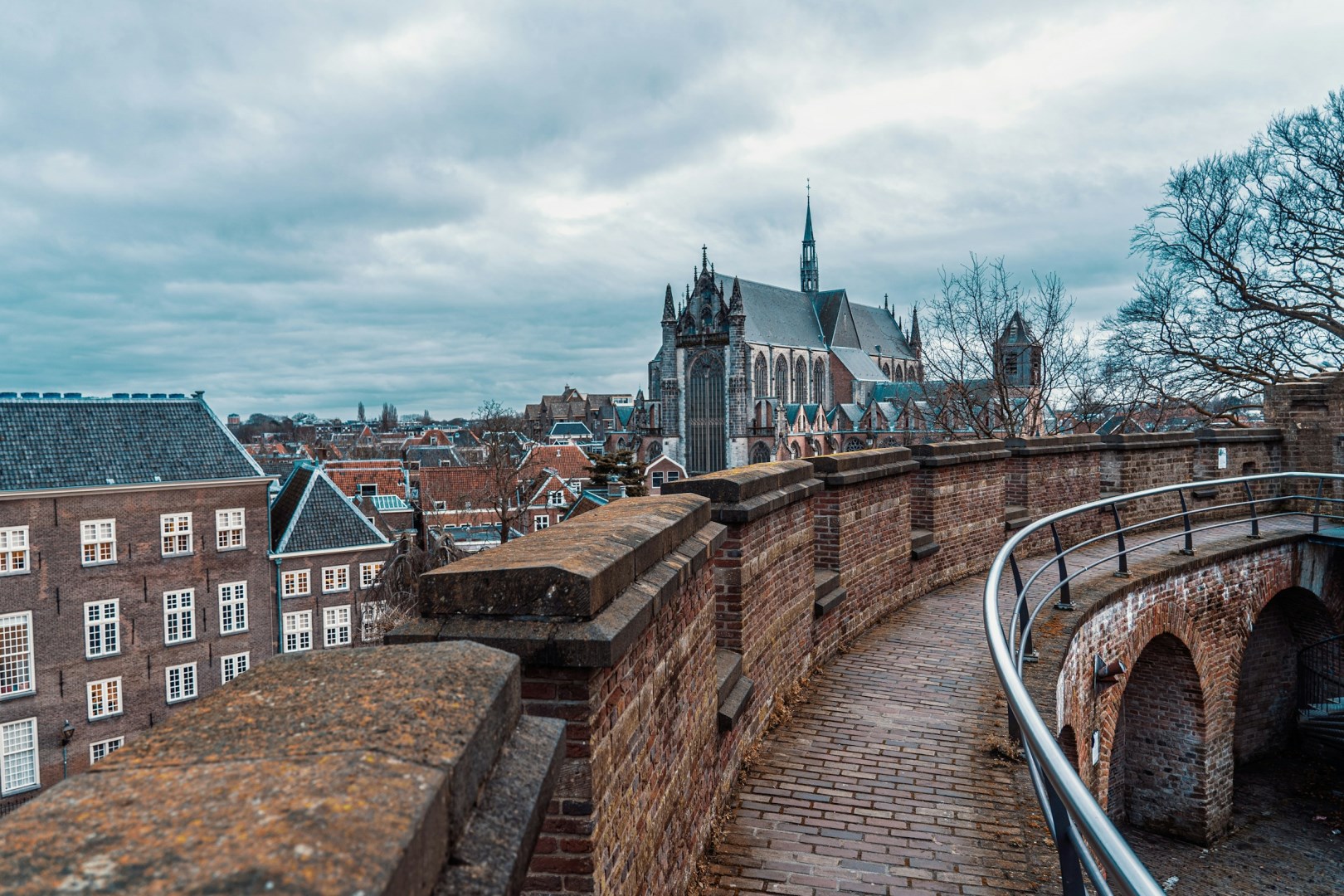
Leiden or Leyden, city in the western Netherlands, in Zuid-Holland (South Holland) Province, on the Old Rhine River, near The Hague. Leiden is also the site of the State University of Leiden, one of the oldest and most distinguished universities in Europe. It was the birthplace of several important Dutch painters, including Rembrandt, Jan van Goyen, and Jan Steen. During the 17th century the English settlers who became known as the Pilgrims took refuge in Leiden before leaving for North America.
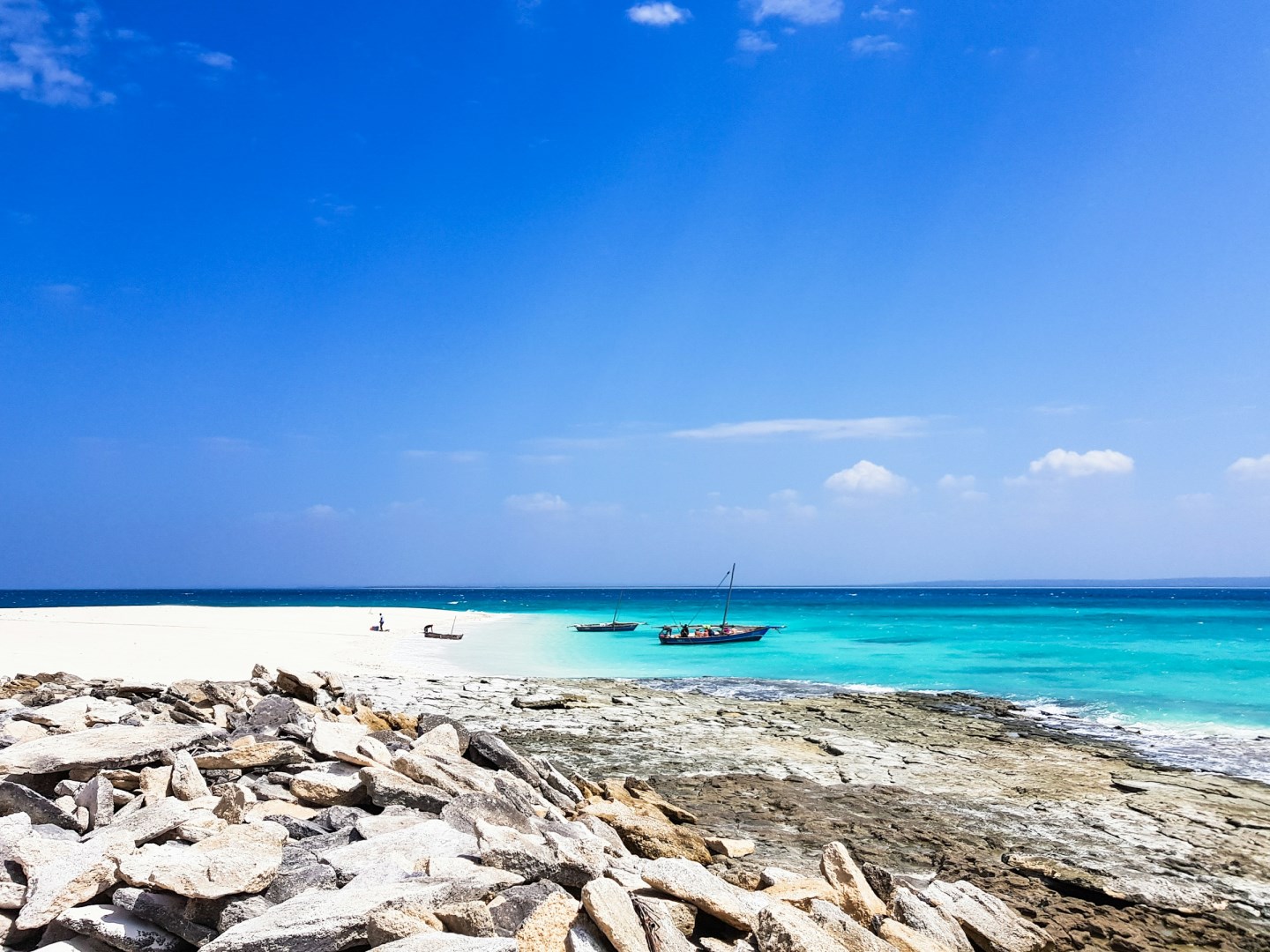
Rolas Island is a small coastal island in Mozambique, set in the Indian Ocean and shaped by the sandy shores, warm waters and tropical conditions characteristic of the country’s long eastern coastline.
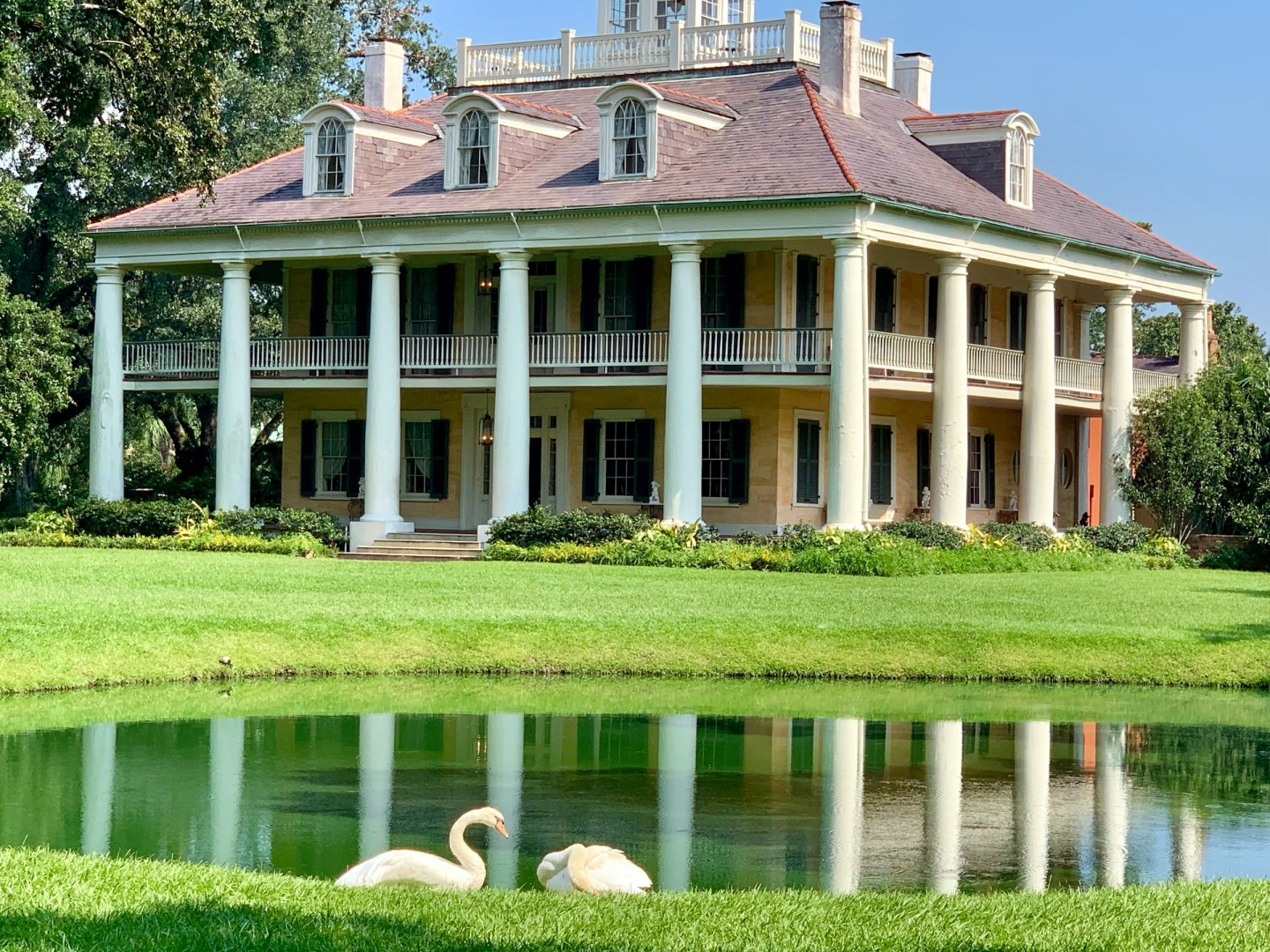
Darrow is a small community in Ascension Parish along the east bank of the Mississippi River, positioned between Baton Rouge and New Orleans on Louisiana’s historic Great River Road. Its identity is closely connected to the river, sugar-cane agriculture, and the plantation landscapes that line this stretch of the Mississippi. Rather than functioning as a large urban destination, Darrow offers access to historic estates, gardens, museums, and rural river scenery.

Potosí rises on the Altiplano of southern Bolivia and for centuries it was one of the richest cities in the world because of what lies just beyond its streets. At the foot of Cerro Rico (“Rich Mountain”), silver was discovered in the mid-1500s, and within a few decades the city became a center of mining and wealth that shaped global trade and economies.
Photo Credit: Photo by Valerio Gentile on Unsplash
Photo Credit: Photo by Rob Conger on Unsplash
Photo Credit: Photo by Darko M. on Unsplash
Photo Credit: Photo by Daniel Andrews on Unsplash
Photo Credit: Photo by Bernd 📷 Dittrich on Unsplash
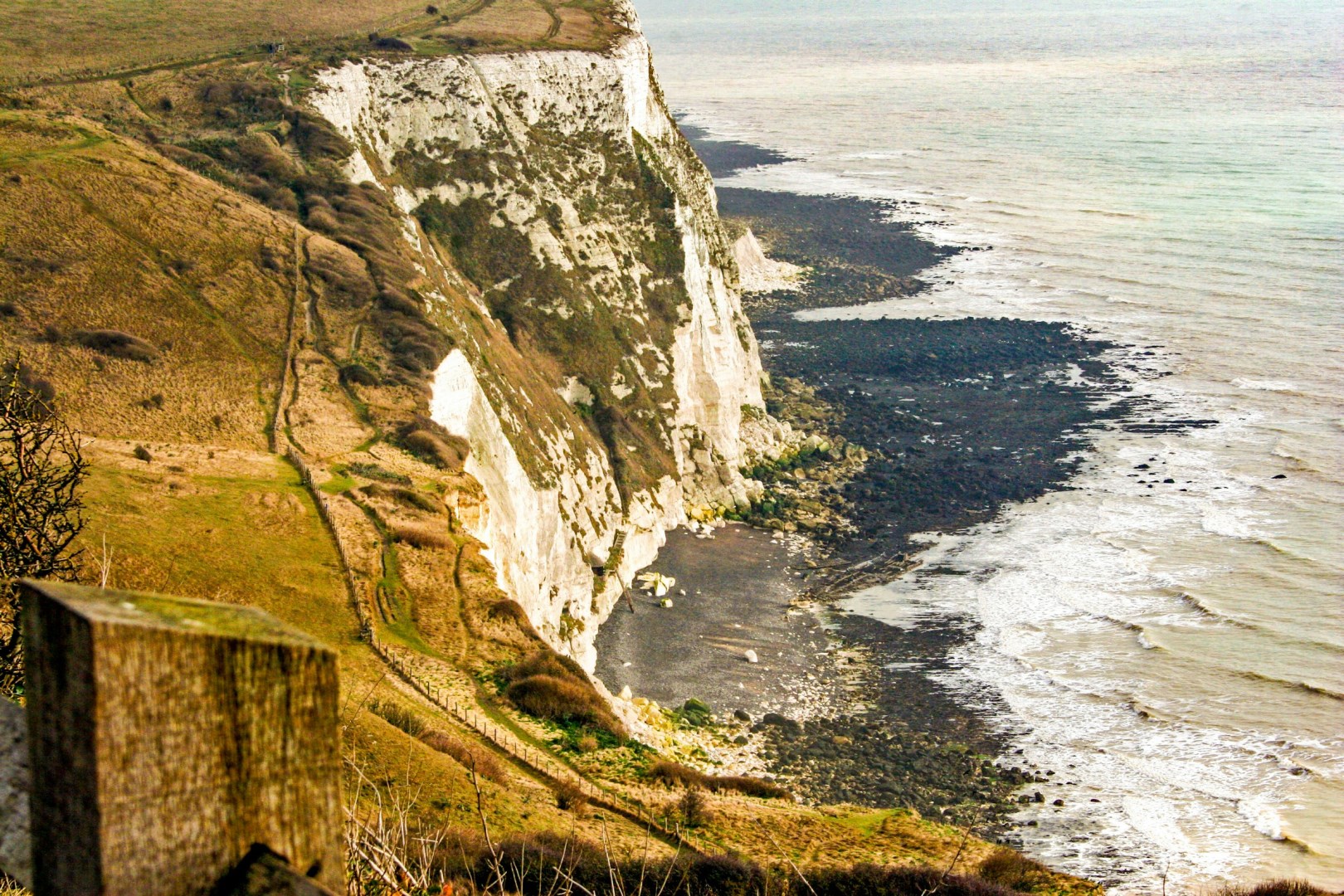
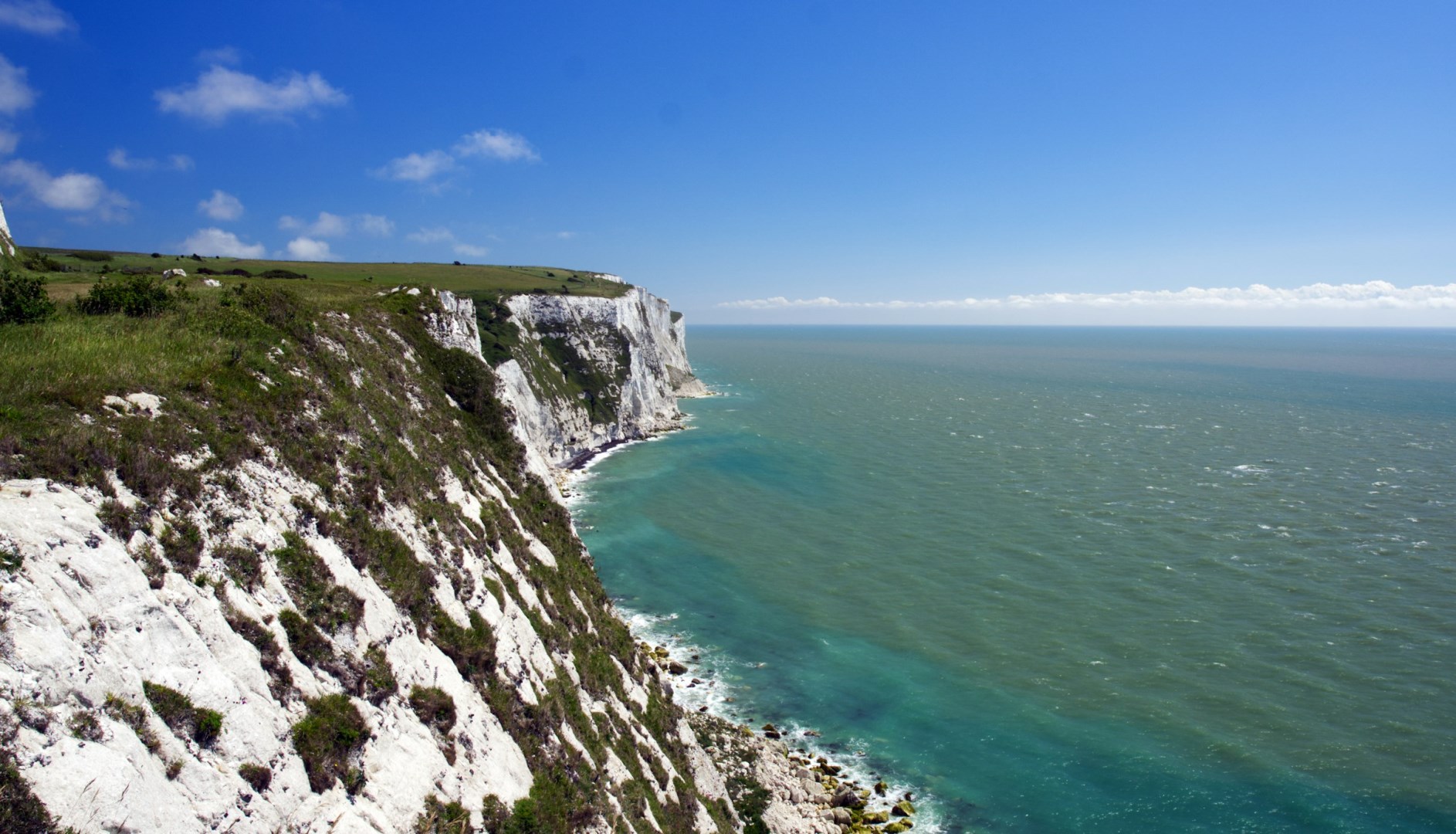
The historic city of Dover, nestled on the southern coast of England, is a captivating destination known for its iconic White Cliffs and strategic maritime heritage. Overlooking the Strait of Dover, these towering chalk cliffs offer breathtaking views across to France and serve as a symbol of Britain's resilience. A visit to the cliffs is a must, with picturesque walking paths and scenic viewpoints that showcase one of the most famous natural landmarks in the UK.
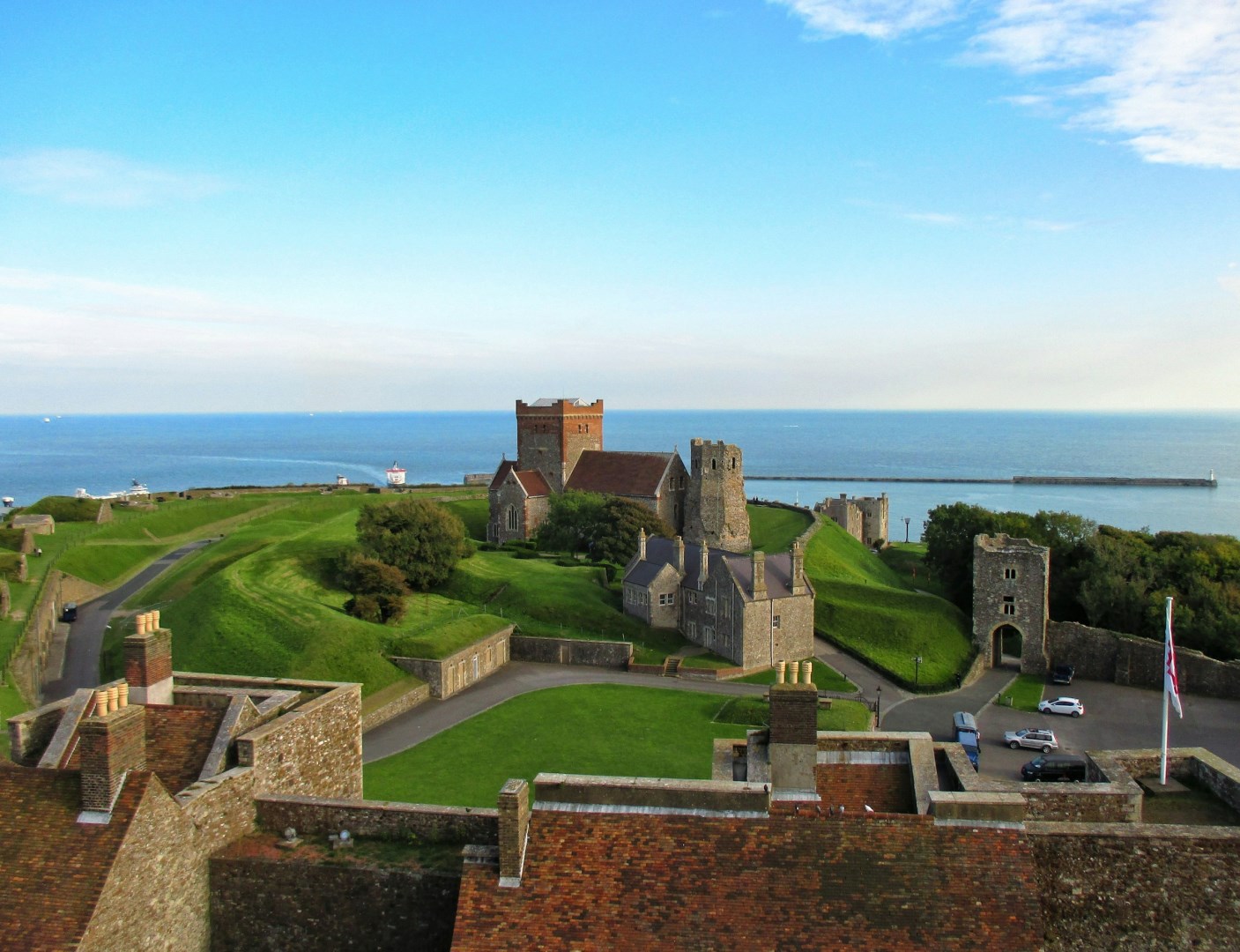
Dover's rich history is equally impressive. The Dover Castle, an imposing fortress dating back to the 11th century, stands sentinel over the city and offers a fascinating glimpse into England’s military past. Explore the castle’s medieval interiors, underground wartime tunnels, and sweeping views from the battlements. The castle has played a pivotal role in British history, including its strategic importance during World War II (English Heritage - Dover Castle).
Stroll through Dover’s charming town center to discover its maritime legacy. The Dover Museum, located near the harbor, features exhibits on the city’s seafaring history, including the famous Dover Bronze Age Boat, one of the oldest known seagoing vessels in the world. Nearby, the bustling Dover Marina offers a vibrant mix of shops, restaurants, and coastal walks perfect for a relaxing day out.
Fun Fact: Dover’s cliffs have been a beacon of hope and guidance for seafarers for centuries. The famous phrase “The white cliffs of Dover” has inspired numerous songs and literary works, symbolizing the welcoming sight of England for those crossing the Channel.
Other Popular Destinations in England
London
London is among the world's most visited cities, with countless attractions and a history stretching back two millennia. Visitors will discover historic iconic structures like Westminster Abbey, Big Ben, and Tower Bridge, as well as recent marvels such as London Eye, a giant observation wheel that offers breathtaking views of the whole city.
York
York, England, is a city where over 2,000 years of history comes to life. Originally founded by the Romans in 71 AD as Eboracum, York has witnessed the rise and fall of empires, from the Vikings to the Normans. Today, the city retains its medieval charm, with its historic York Minster, one of the largest Gothic cathedrals in Northern Europe, standing proudly as its centerpiece.