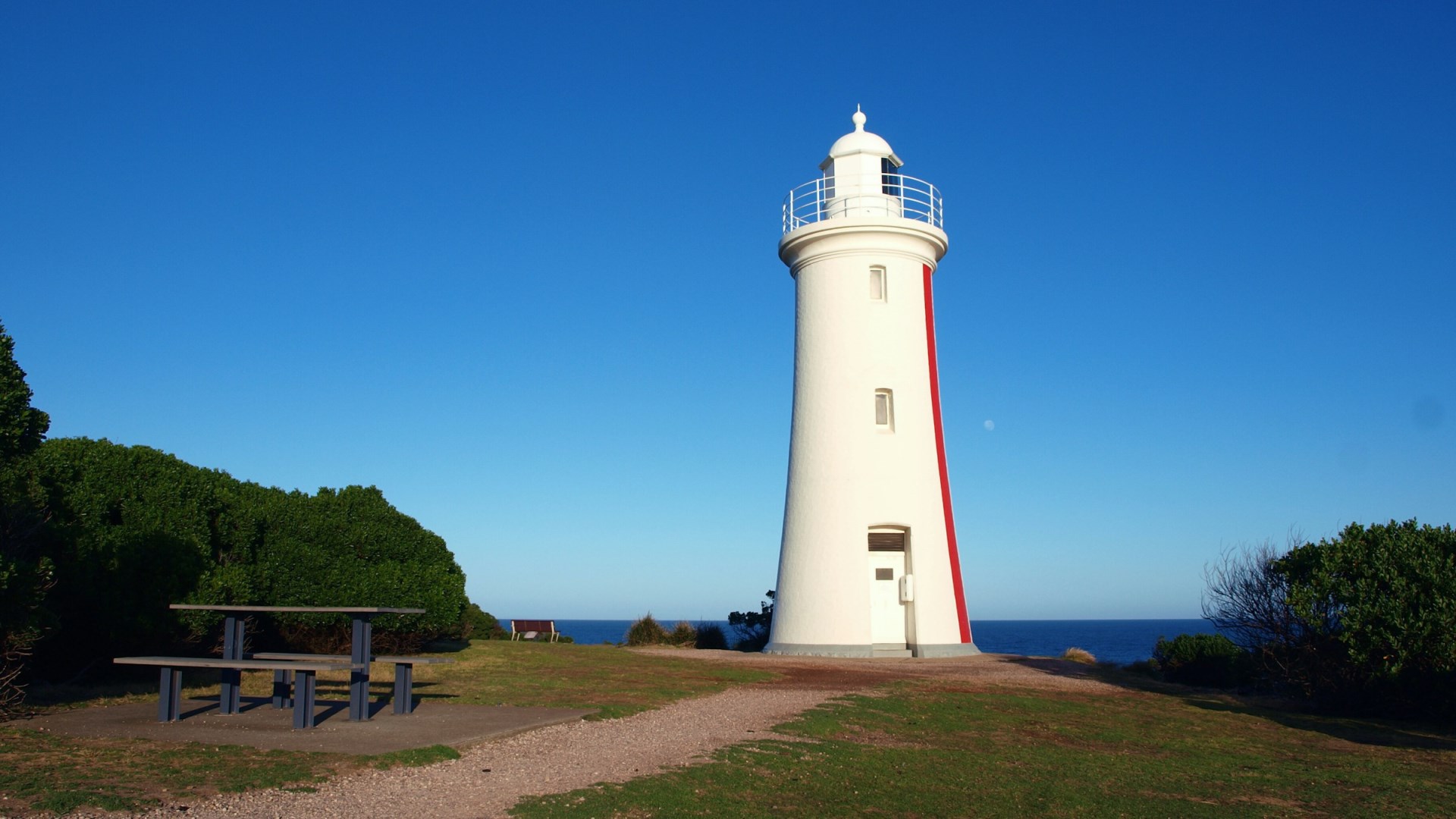
If you are travelling to Tasmania on the Spirit of Tasmania, then Devonport will be your first port of call. On arriving at Tasmania the first thing you will see, will probably be the Mersey Bluff and the Bluff Lighthouse. Along with passenger ferries, the port is still active with the exportation of products from north Tasmania.
Vancouver Island, British Columbia, is a nature lover's paradise, offering a diverse landscape that ranges from rugged coastlines to lush rainforests. The island’s stunning natural beauty is best explored through its extensive network of parks and outdoor spaces, such as the iconic Pacific Rim National Park Reserve and Strathcona Provincial Park, British Columbia’s oldest provincial park.
St. George’s, the capital of Grenada, is a picturesque harbor town nestled within the rim of an extinct volcano. Its horseshoe-shaped Carenage, lined with pastel-colored colonial buildings, offers a postcard-perfect introduction to the island.
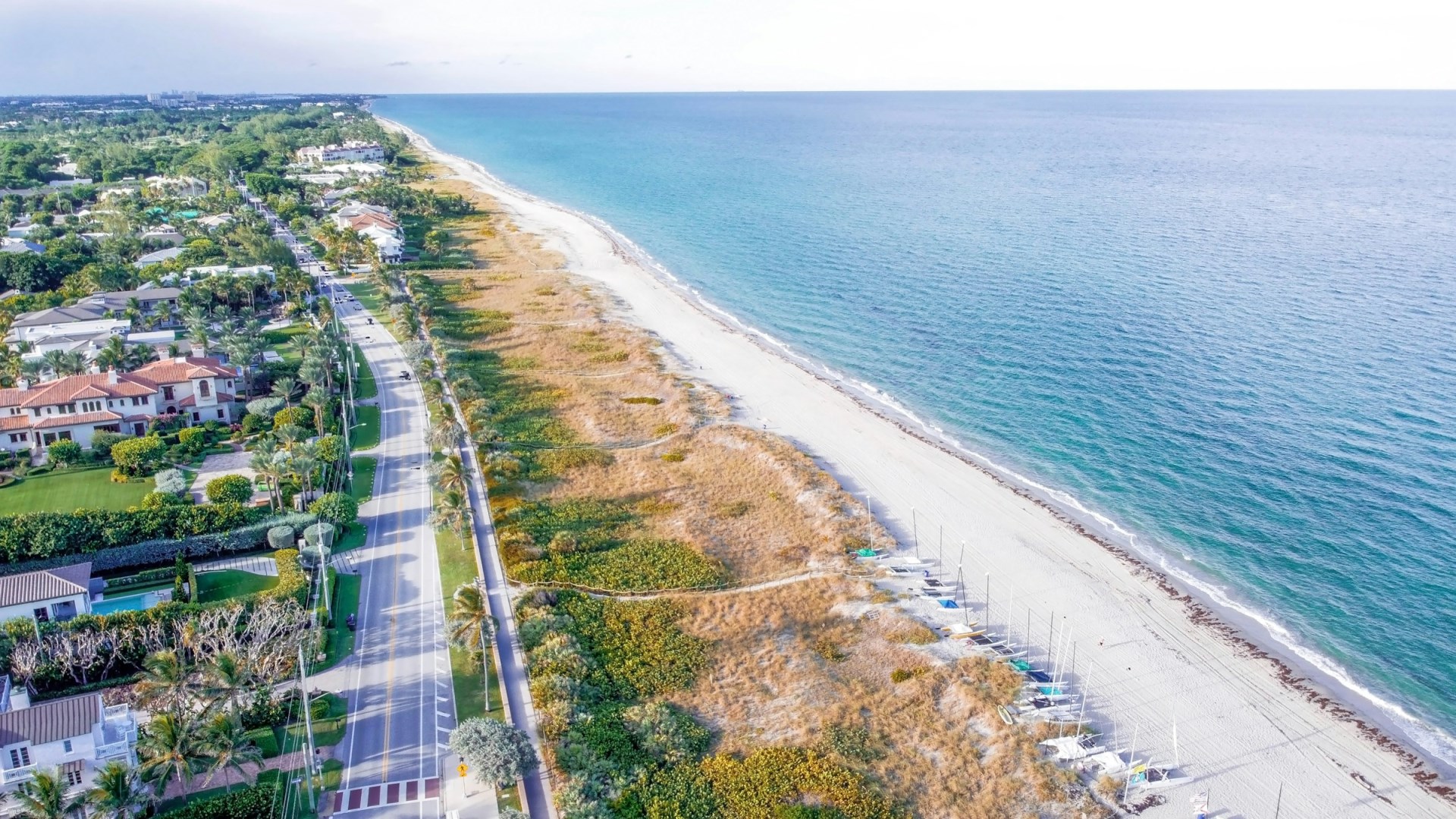
Delray Beach is a coastal city in southeastern Florida, positioned between the Atlantic Ocean and the Intracoastal Waterway in Palm Beach County. Its central Atlantic Avenue corridor connects the beach with a historic downtown filled with restaurants, galleries, shops, and cultural venues. The city’s shoreline provides a broad public beach, while inland neighborhoods include parks, waterways, and distinctive residential districts.
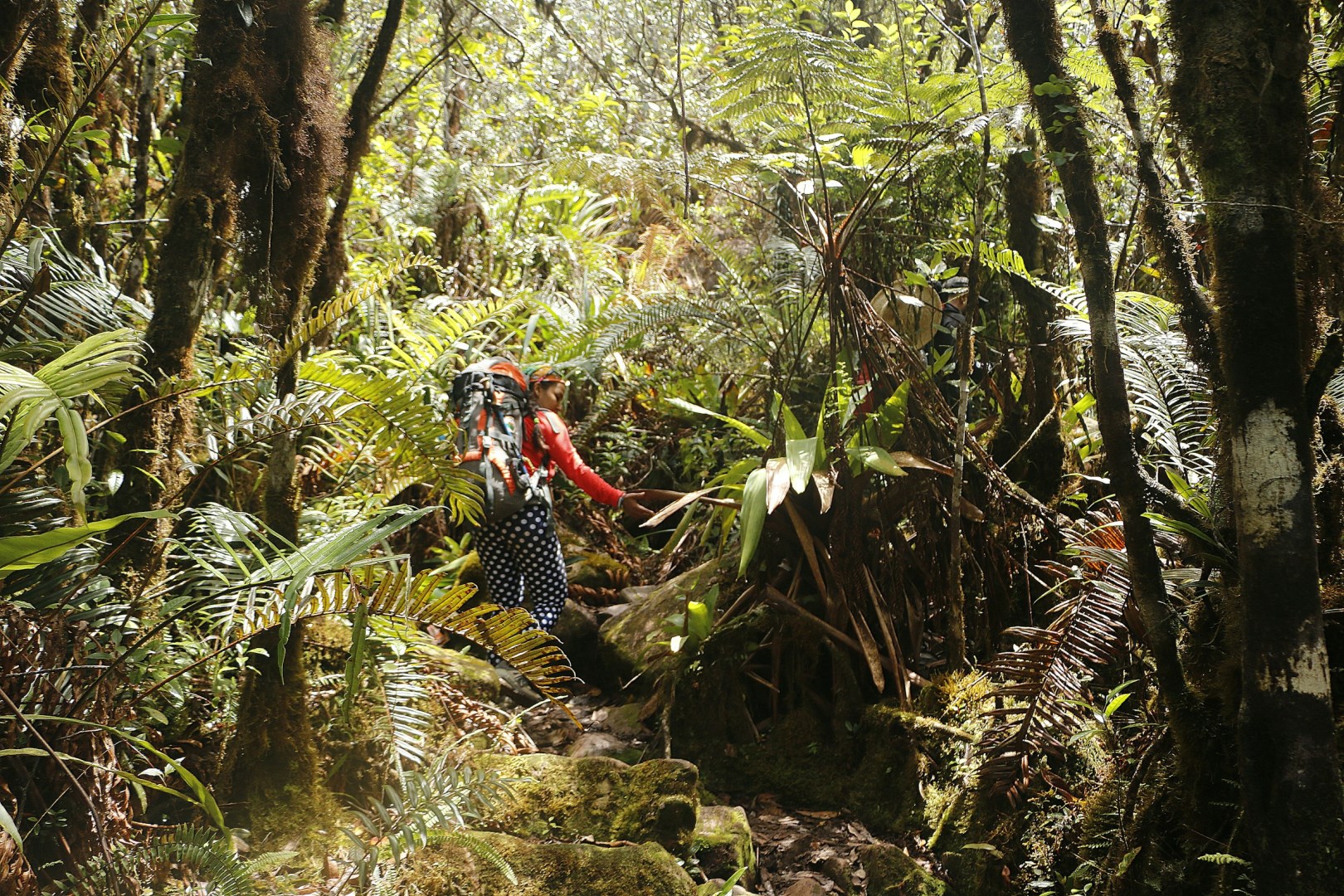
As you cruise along the Orinoco, South America's second-longest river, you will pass an imposing 17th-century fort. Just up the river is Ciudad Guayana, your gateway to Angel Falls. The falls, discovered 60 years ago by American bush pilot Jimmy Angel, are the hightest in the world. More than a half-mile hight and 15 times taller than Niagara Falls, they are undoubtedly one of the world's most breathtaking natural wonders.
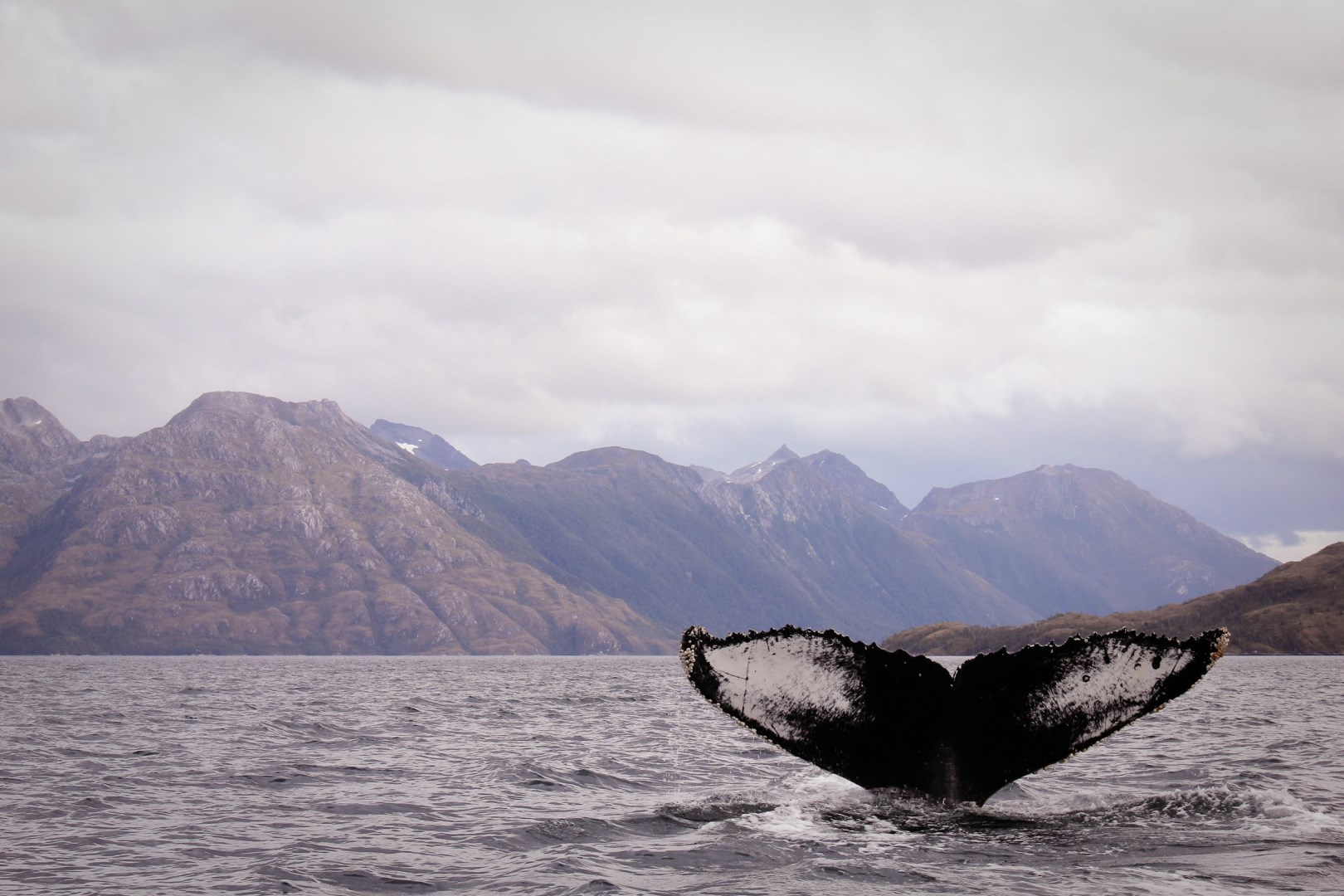
The Strait of Magellan, a pivotal waterway connecting the Atlantic and Pacific Oceans, offers an extraordinary experience for travelers seeking both natural wonder and historical significance. This legendary strait, named after the Portuguese explorer Ferdinand Magellan who navigated it in 1520, is a gateway to the rugged beauty of southern Chile. Visitors can embark on unforgettable cruises to explore the strait's dramatic landscapes, including its towering cliffs, glacial fjords, and the awe-inspiring Tierra del Fuego archipelago.
One of the most captivating features of the Strait of Magellan is its rich history. The region has been a critical maritime route for centuries, and its strategic importance is highlighted by the historic Port of Punta Arenas. This city, the largest settlement near the strait, has a fascinating maritime heritage that can be explored at the Nausicaa Museum and the Magellan Strait Museum (Visit Chile). For those interested in indigenous cultures, the nearby Yaghan Museum offers insights into the life and traditions of the indigenous Yaghan people who have lived in this challenging environment for millennia,
Nature lovers will be enthralled by the diverse wildlife that inhabits the strait. The waters are home to a variety of marine life, including penguins, sea lions, and even the occasional orca. A visit to Isla Magdalena allows for close encounters with large colonies of Magellanic penguins, which nest on the island from September to April. Additionally, the region’s glaciers and national parks offer breathtaking scenery and ample opportunities for hiking and outdoor adventure.
Fun Fact: The Strait of Magellan was once considered the only feasible route for ships traveling from the Atlantic to the Pacific until the construction of the Panama Canal. This historical significance makes it not only a natural marvel but also a key piece of maritime history.
Other Popular Destinations in Chile
Santiago
Flanked by the Chilean Coast Range and the snowy Andes, Chile's largest metropolis offers a dazzling array of sights and attractions for visitors to pursue. Mirrored skyscrapers, 16th-century churches, hip cafes, dance clubs... and did we mention the delicious Chilean cuisine?
San Pedro De Atacama
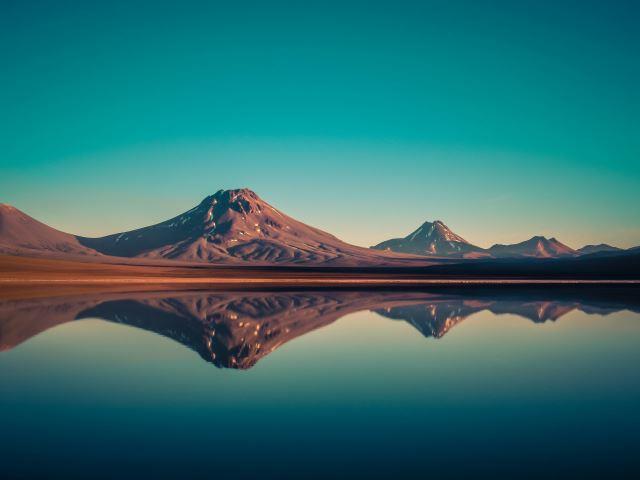
San Pedro de Atacama, a small town in northern Chile, sits at over 2,400 meters above sea level in one of the most geologically diverse areas on Earth. Surrounded by volcanoes, salt flats, geysers, and ancient lava flows, it has long served as a gateway to the Atacama Desert. This desert is the driest non-polar place in the world, where some weather stations have never recorded rainfall.