Thoddoo
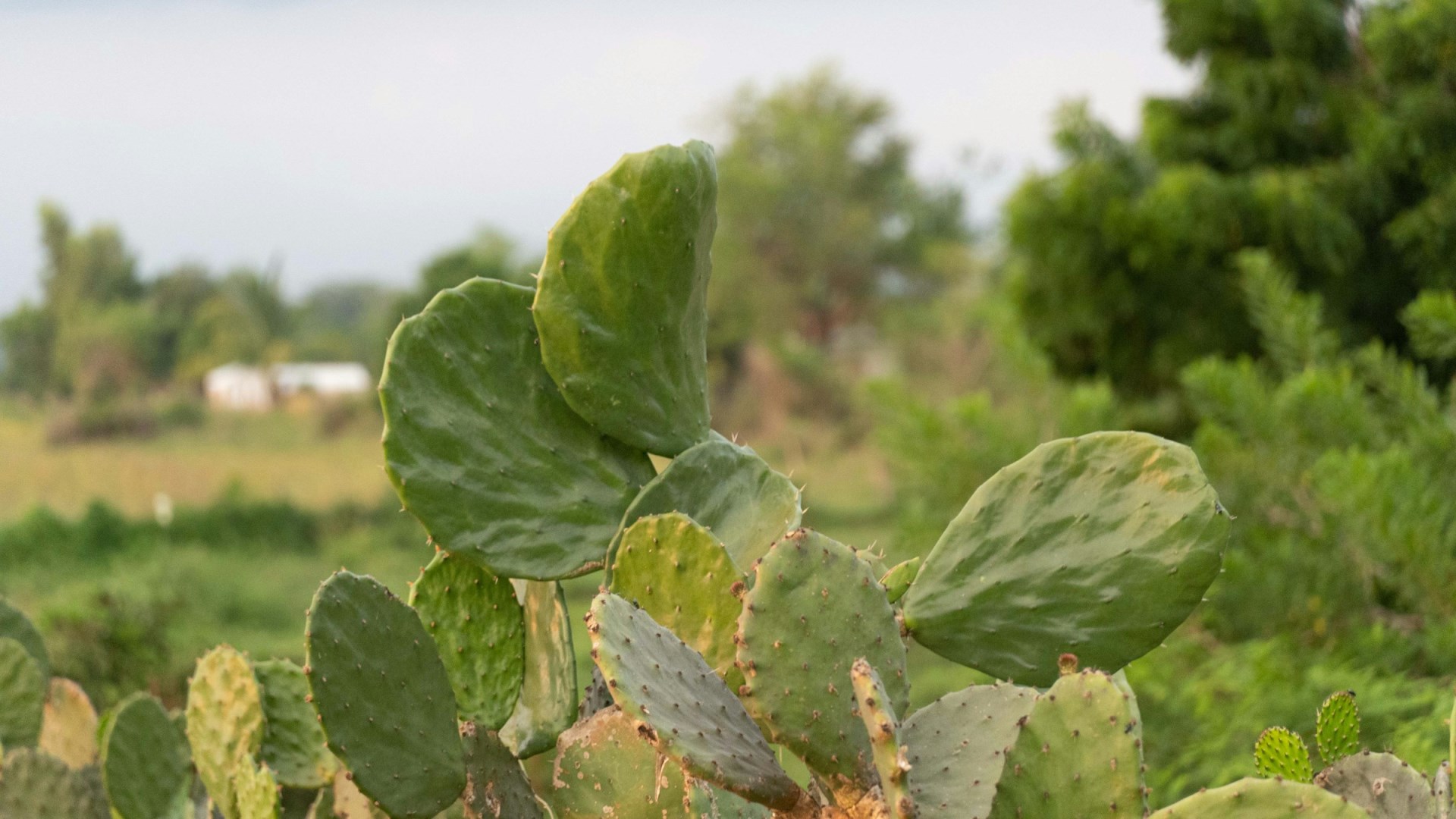
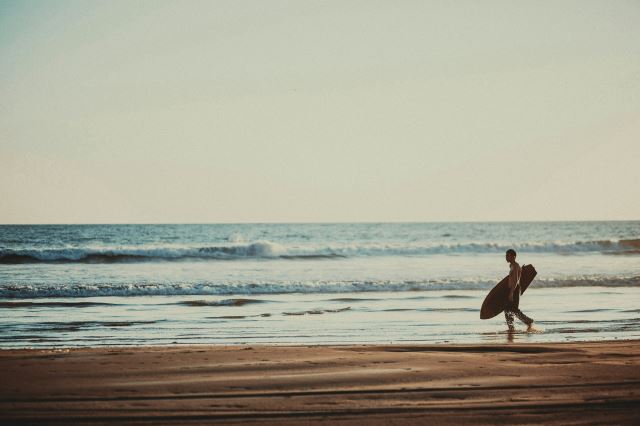
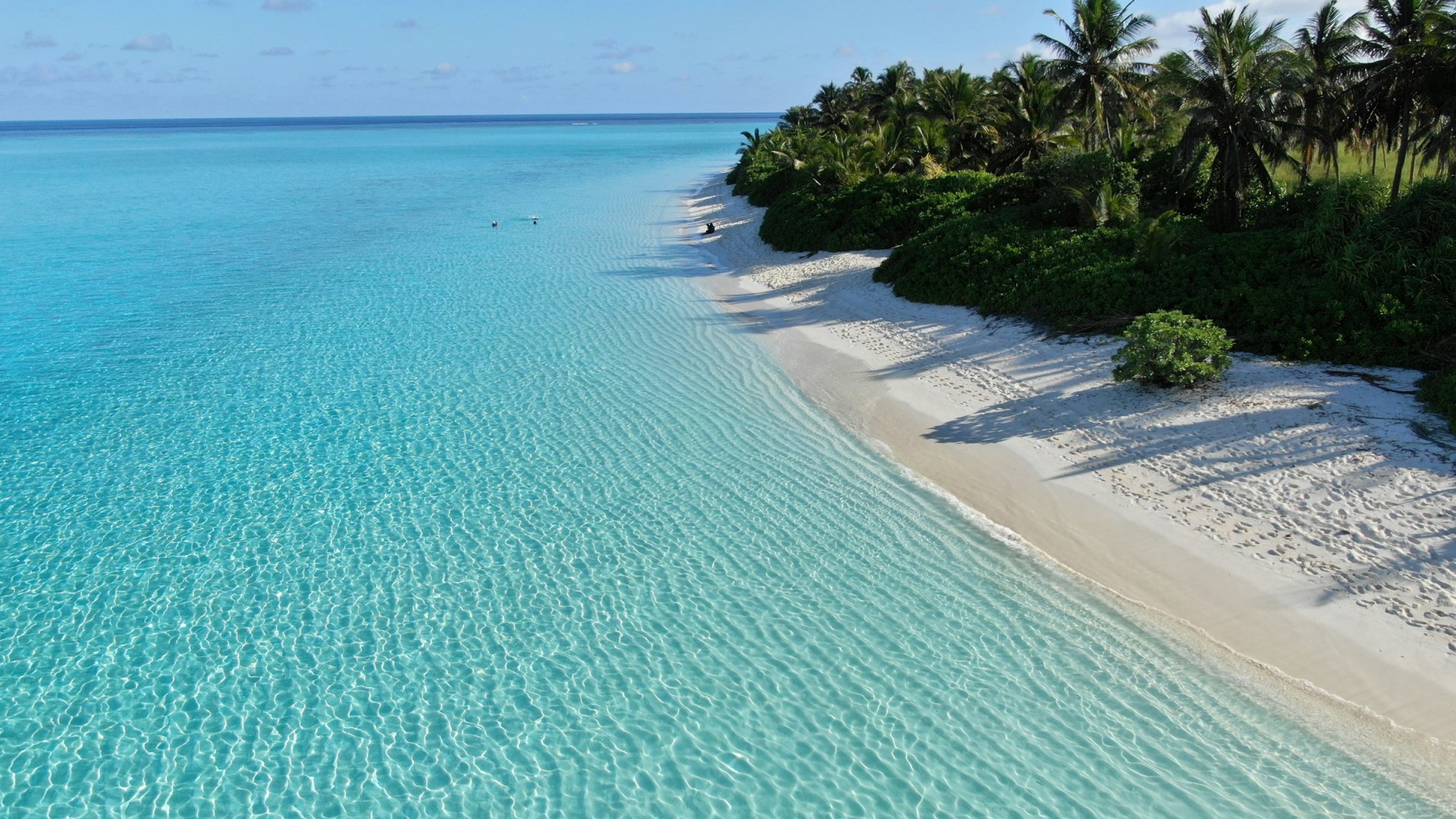
Thoddoo is a local island in the North Ari Atoll of the Maldives, distinguished by its unusually strong agricultural tradition. While coral reefs, beaches, and lagoons surround the island, much of its interior is covered by productive farmland, with watermelon, papaya, eggplant, chili, drumstick, breadfruit, and other crops cultivated for local consumption and markets. The island’s broad green interior sets it apart from many smaller Maldivian islands where available land is more limited.
Alifu Dhaalu Atoll
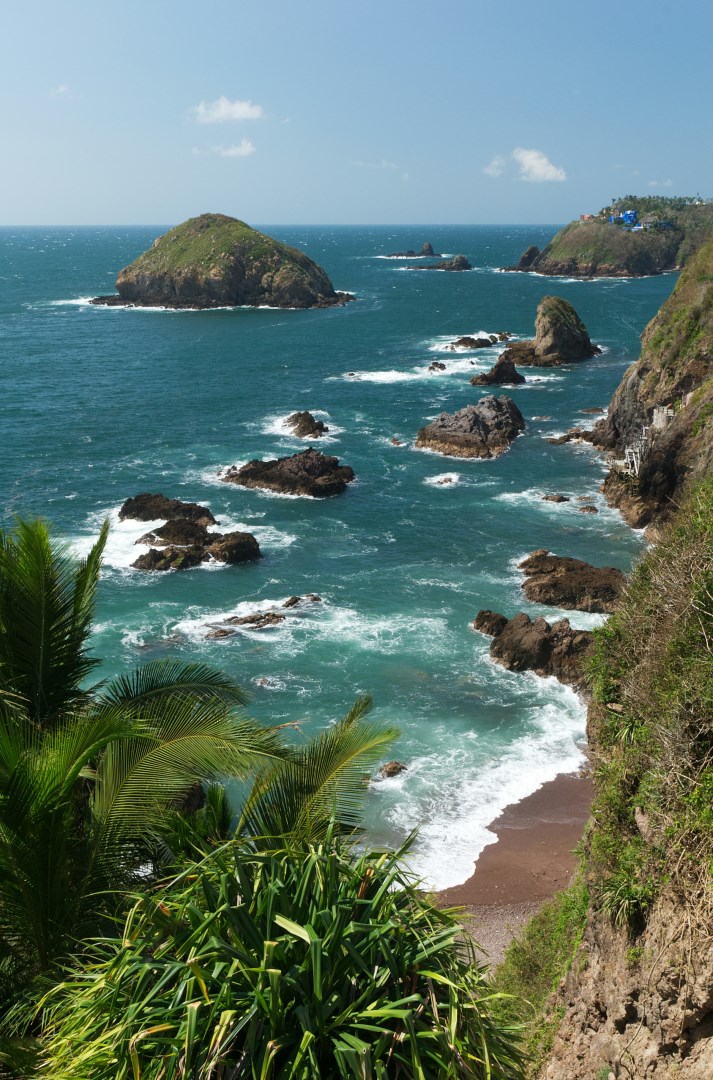
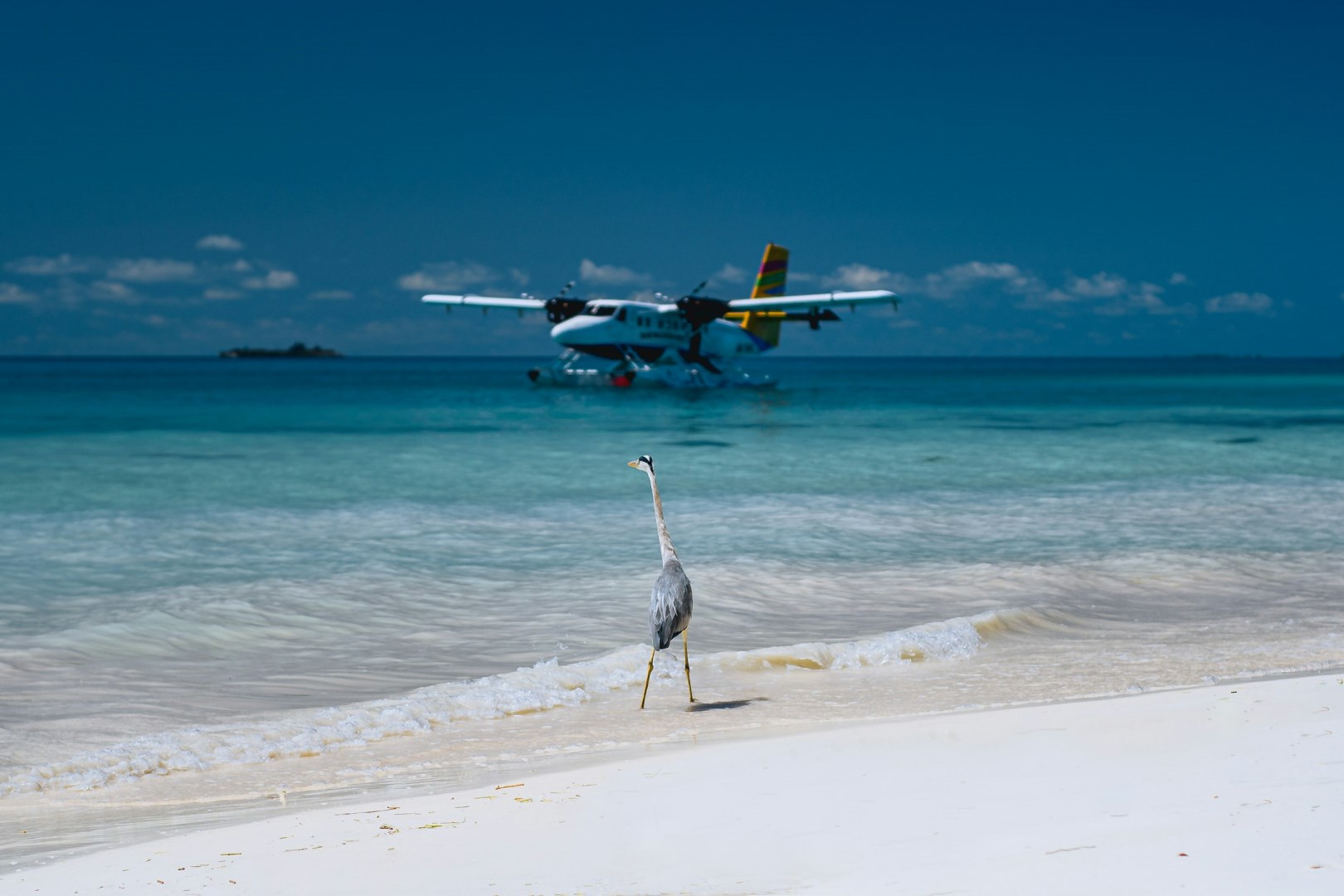
Alifu Dhaalu Atoll, also known as South Ari Atoll, lies southwest of Malé in the central Maldives and includes a mixture of inhabited islands, uninhabited islets, sandbanks, and resort islands. The atoll is surrounded by coral reefs and clear lagoon waters, while many of its inhabited islands retain compact communities shaped by fishing and maritime traditions. Mahibadhoo serves as the administrative capital, with Dhangethi, Dhigurah, Omadhoo, and Mandhoo among the better-known local islands.
Murghab
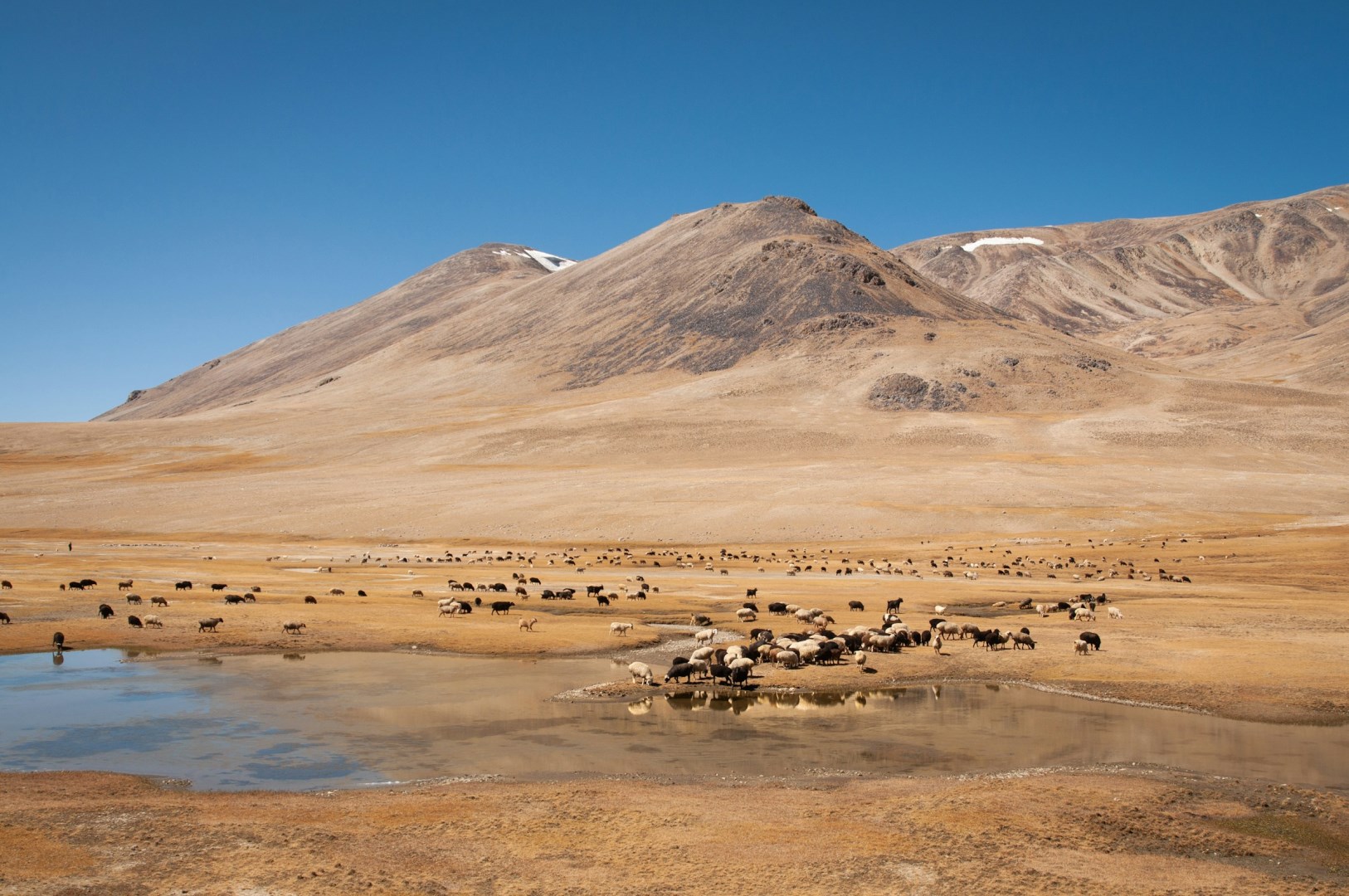
Murghab is a remote mountain town in eastern Tajikistan, located in the high-altitude Pamirs of the Gorno-Badakhshan Autonomous Region. It sits within a broad, dry landscape of gravel plains, mountain ranges, and sparse alpine vegetation, where trees are largely absent. Murghab is an important stopping point on the Pamir Highway, connecting eastern and western parts of the Pamirs and continuing toward Kyrgyzstan.
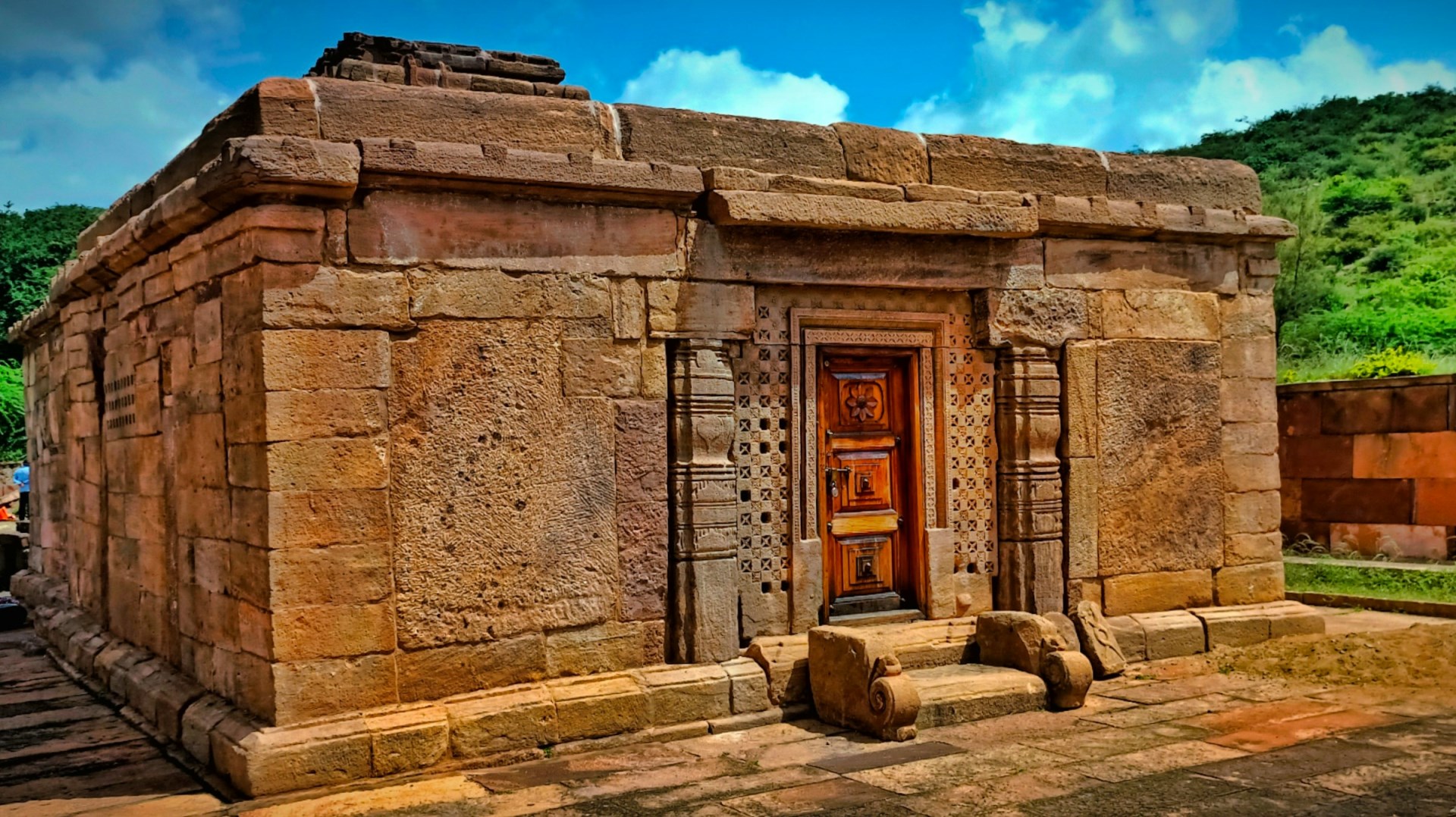
Badami
Badami is a historic town in Karnataka’s Bagalkot district, set among red sandstone cliffs and rocky hills in the northern Deccan. Once an important Chalukyan capital, the town is now best known for its rock-cut temples, carved directly into the sandstone surrounding Agastya Lake. The compact setting brings together ancient monuments, a reservoir, rocky outcrops, and narrow valleys, creating a landscape closely tied to the region’s architectural heritage. Badami also forms part of the important

Cape Town
Cape Town, located at the southern tip of South Africa, is one of the world’s most striking coastal cities. Towering over it is Table Mountain, a flat-topped landmark that can be reached by cable car or on foot, offering sweeping views of the city, ocean, and beyond.