Sharm El Sheikh
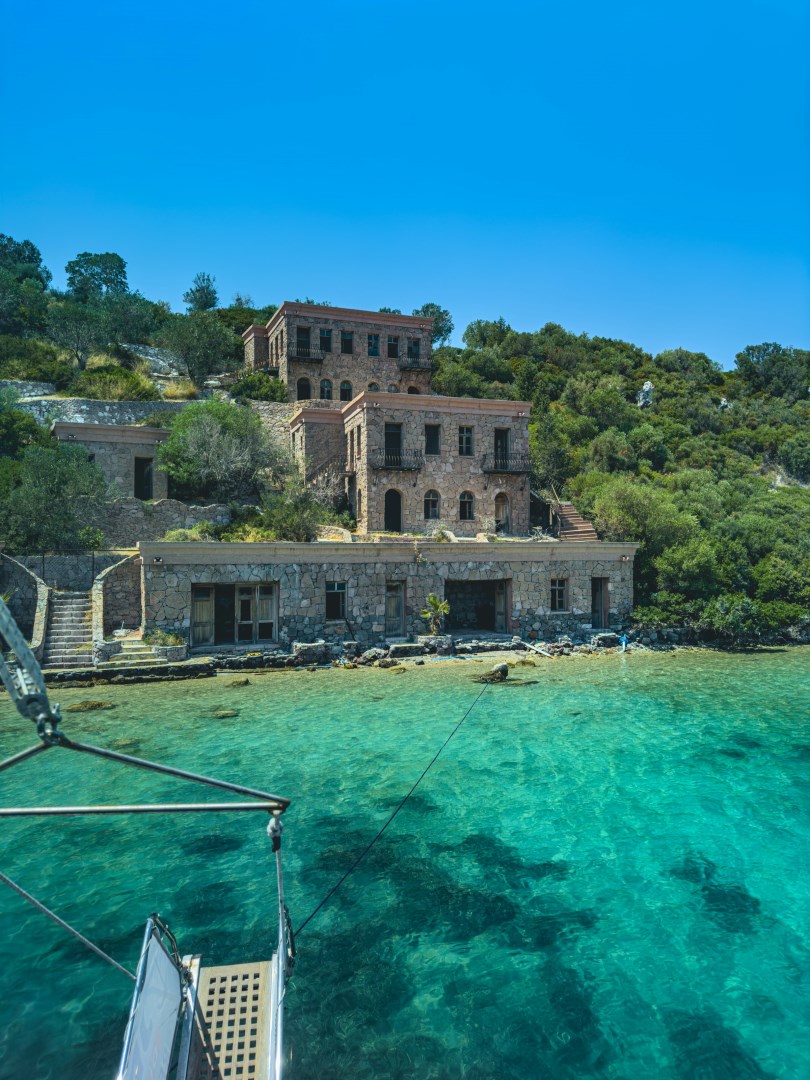
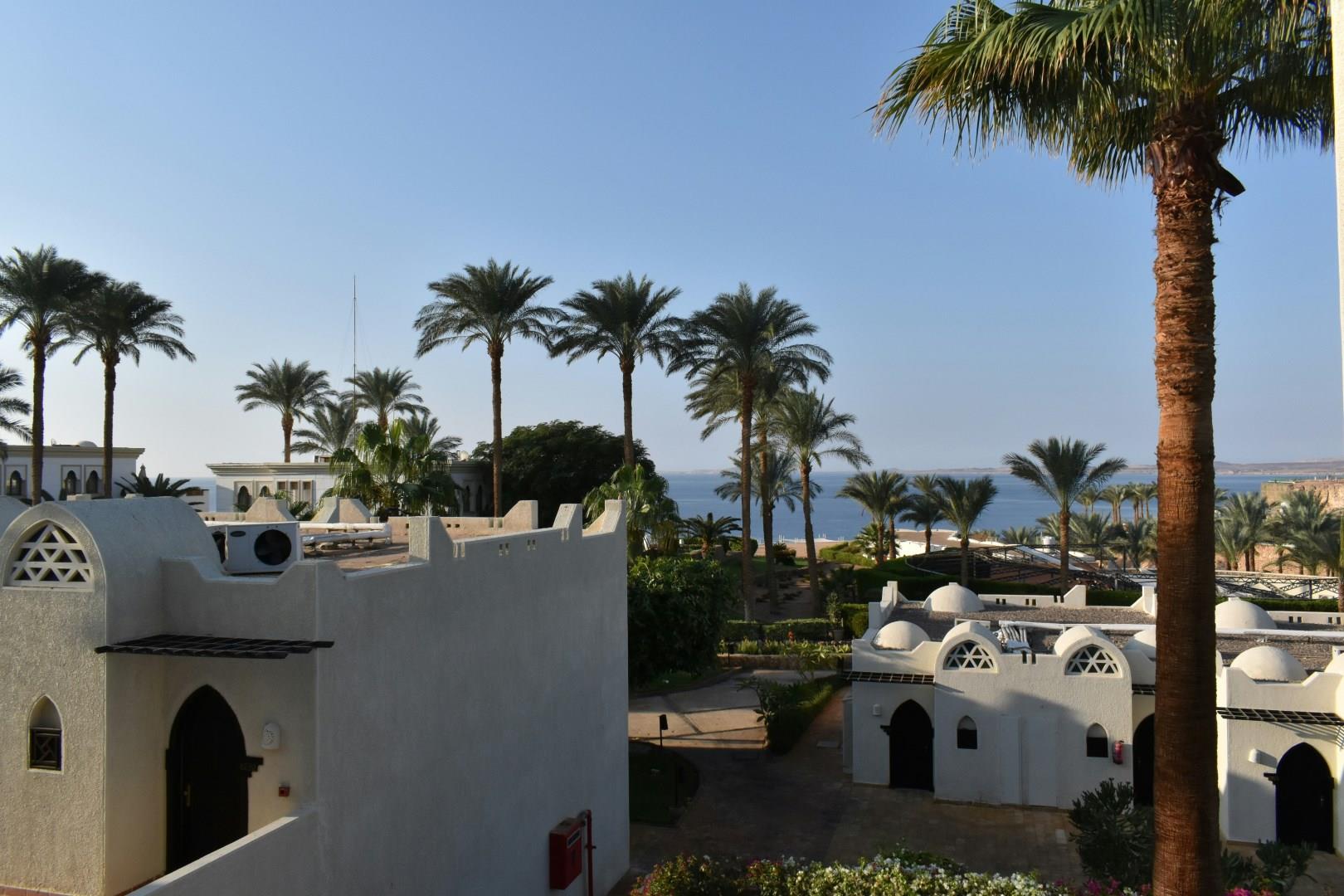
Sharm El Sheikh sits on the southern tip of Egypt’s Sinai Peninsula, where the sparkling Red Sea meets desert ridges and wide skies. From its beginnings as a small fishing village it has grown into one of the world’s most recognized seaside destinations, drawing travelers to explore coral reefs, seaside promenades, and desert landscapes all within easy reach.
Yemen
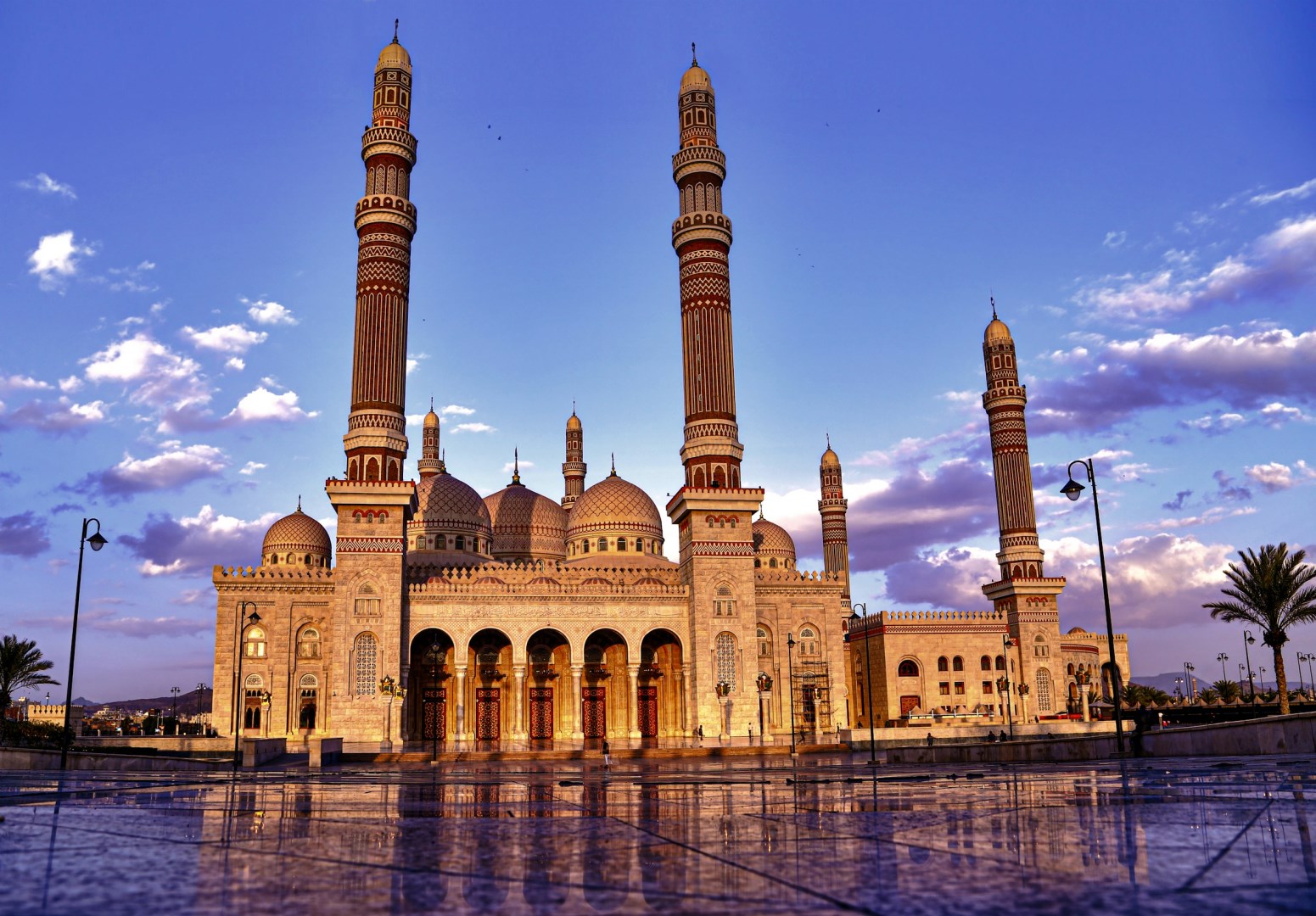
Yemen’s Old City of Sana'a stands as a living mosaic of civilizations. Just past the ornate Bab al‑Yaman gate, towering homes made of adobe, lime plaster, and layered with qatad (plaster) rise like giants in the maze of markets and quiet courtyards. Nearby, the ruins of Ghumdan Palace, once said to rival skyscrapers, recall a pre‑Islamic past and offer echoes of bygone architectural ambition.
Larnaca
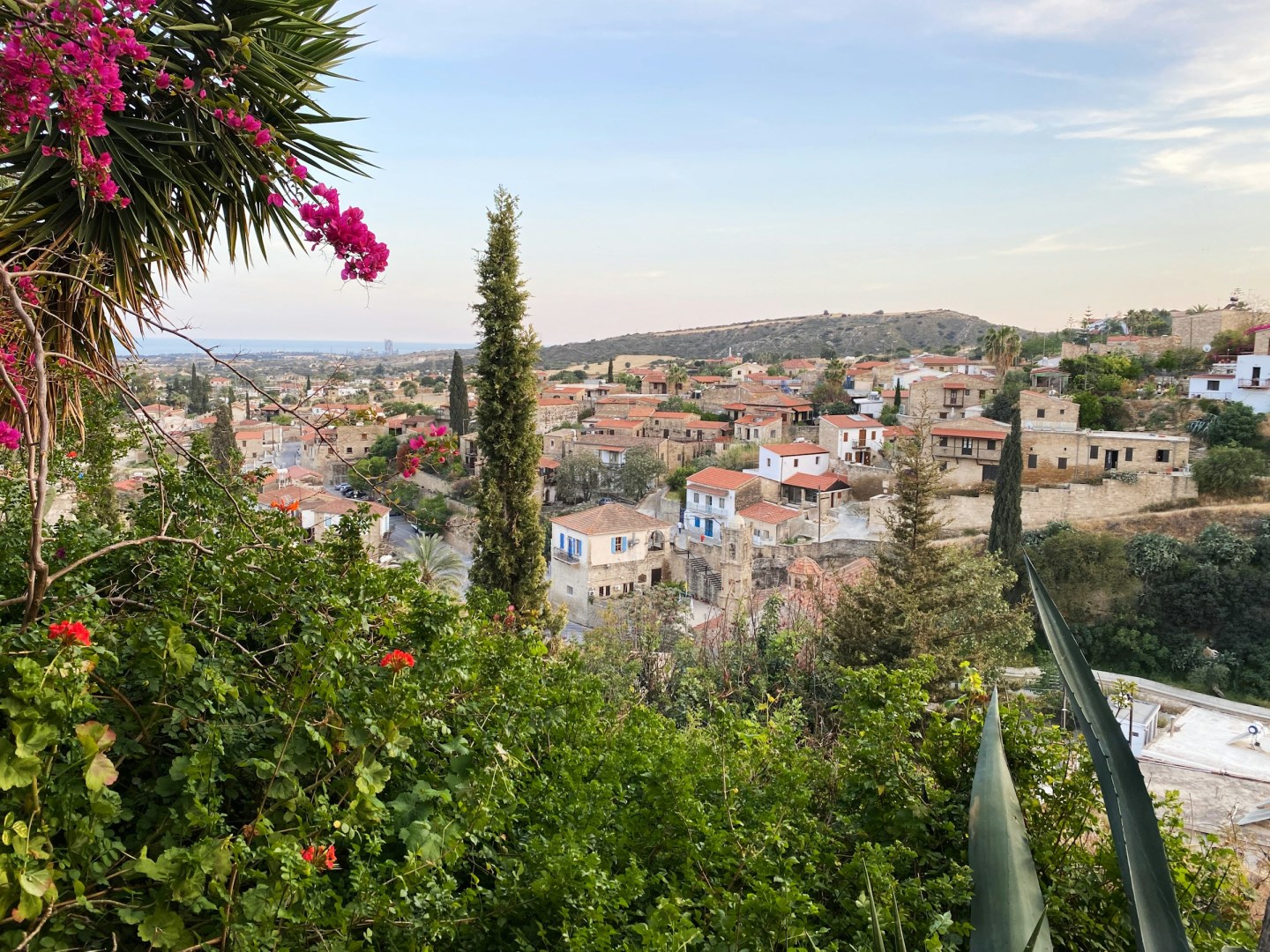
Larnaca is a coastal city in southeastern Cyprus, built around a broad bay on the Mediterranean Sea. It is one of the island's main urban centers and combines a long waterfront, sandy beaches, historic neighborhoods, and archaeological sites. The palm-lined Finikoudes promenade runs beside the central beach and continues toward the old harbor and medieval castle.
Luzon
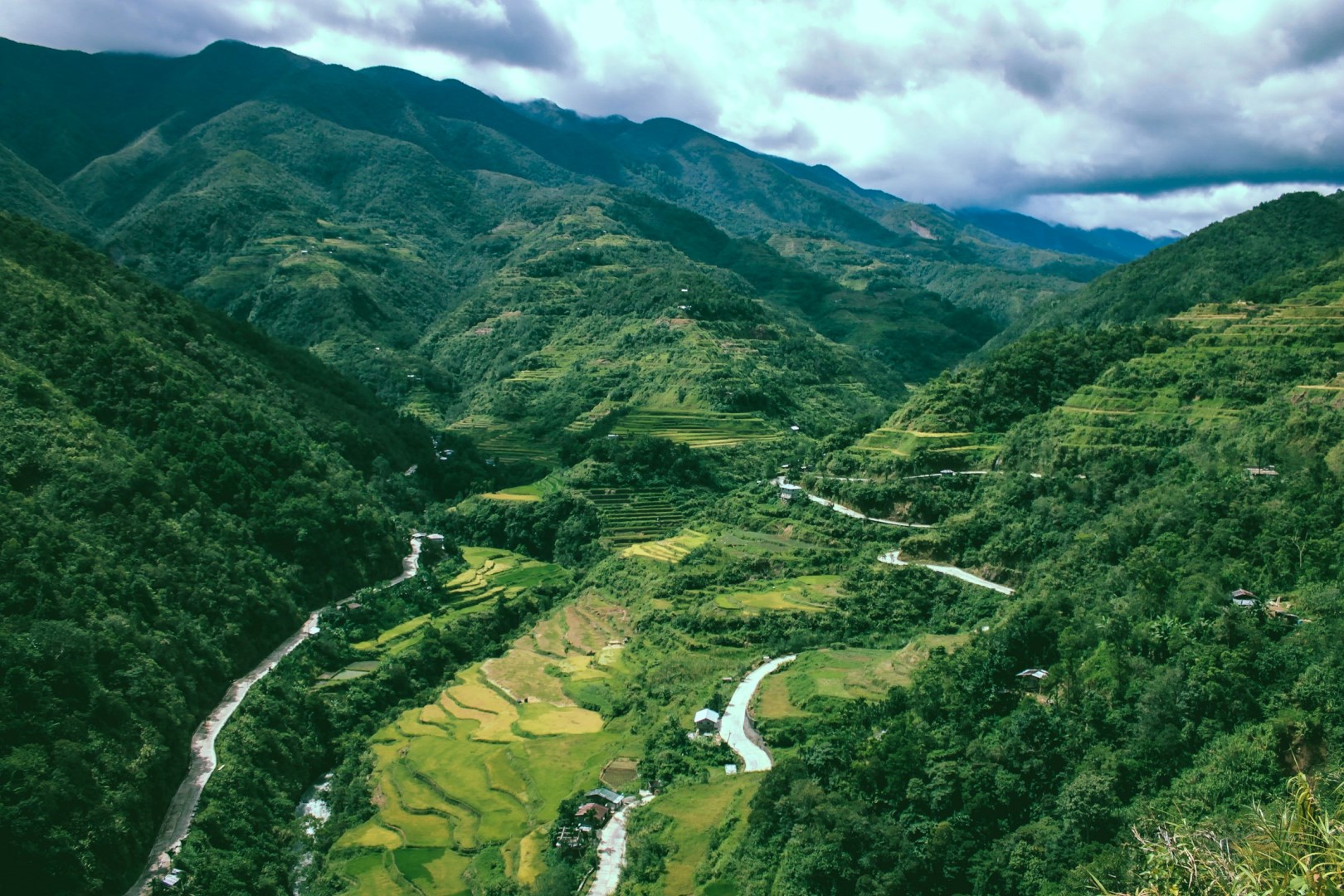
Luzon is the 15th largest island in the world, and the most populous island in the Philippines, home to 53 million people and the country’s capital, Manila. Luzon boasts a unique and eye-catching topography, with a variety of terrains and distinct geographical features. The north’s flat coastline and tropical pine forests meet at the site of Mount Pulag, Luzon’s tallest mountain peak.
Trabzon
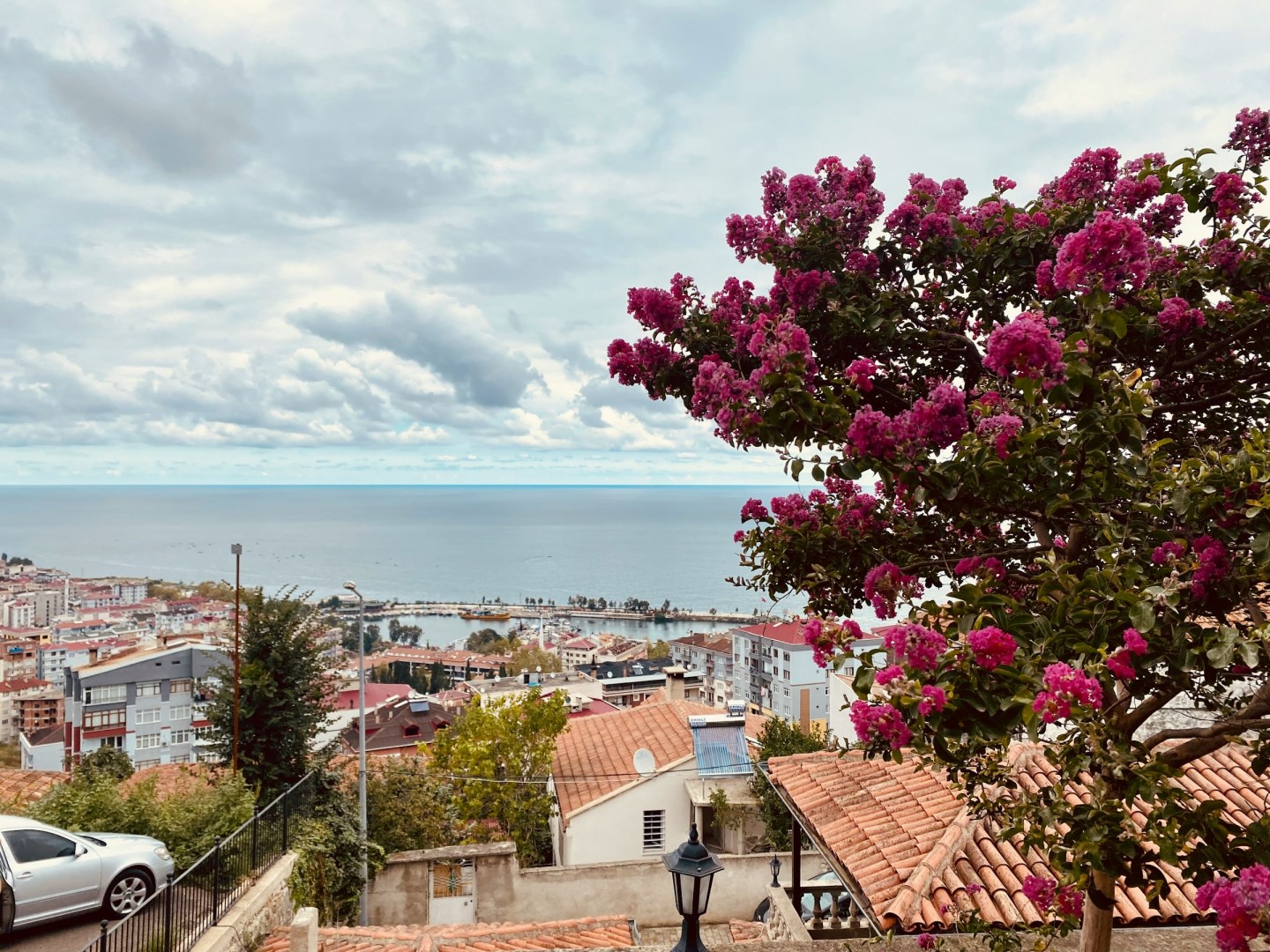
Trabzon was founded in the 7th century B.C. by Milletain colonists. On entering the city, on a green hill descending to the sea, is a well-preserved 13th century Byzantine church, now the Avasofya Museum. The walls of this church are decorated with frescoes, some of the finest examples of Byzantine craftmanship. The higher part of the city, the old quarter, inside the still extant fortifications with its timber houses, should be visited.