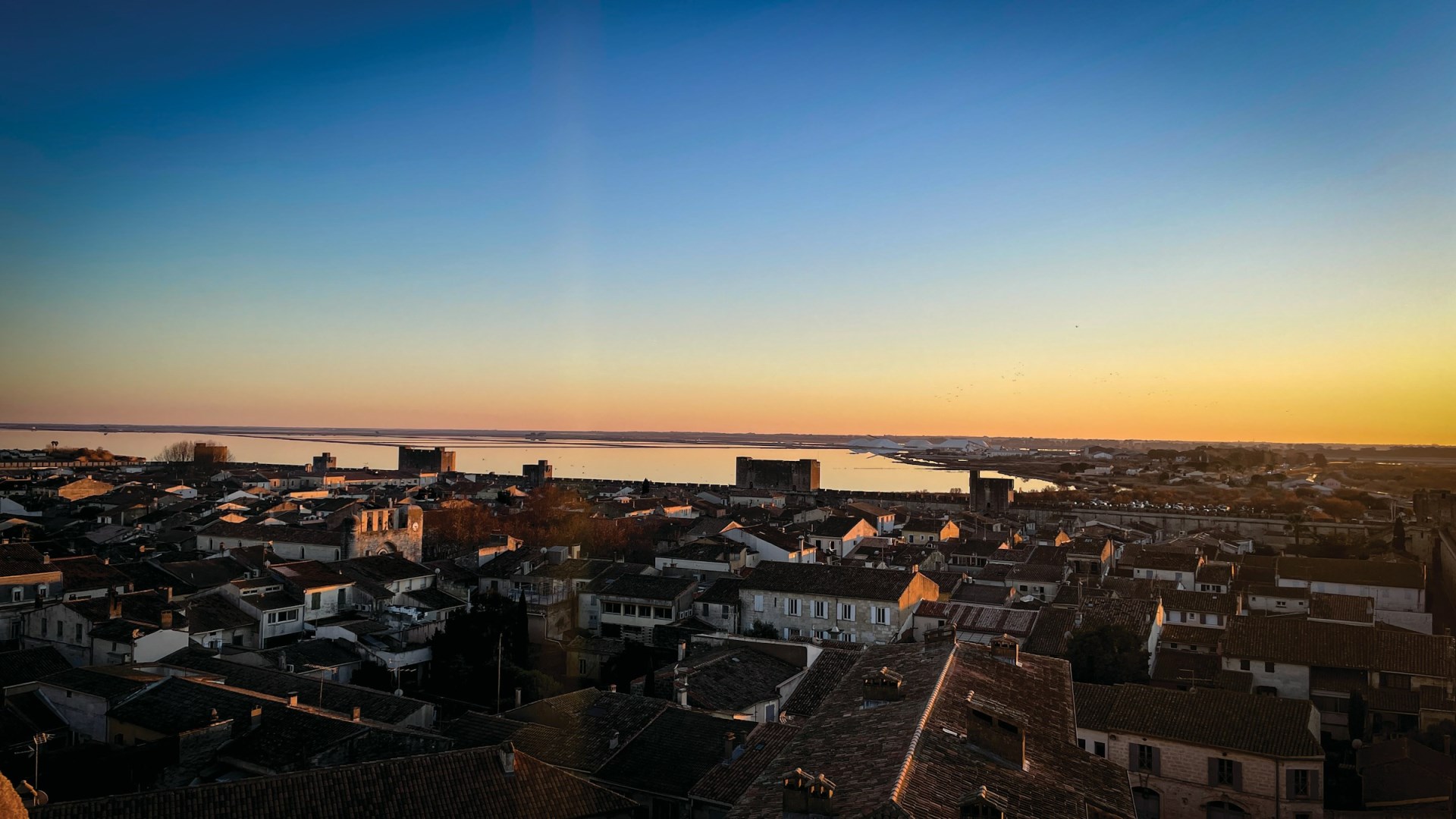
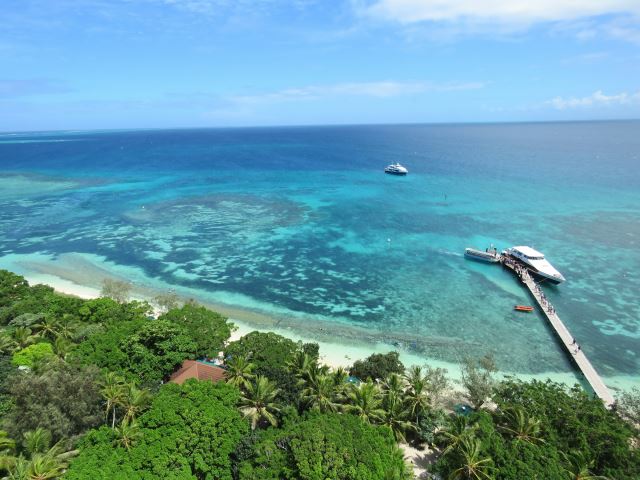
Aigues-Mortes is a fortified medieval town in the Camargue gardoise of southern France, surrounded by salt marshes, lagoons, and flat coastal plains. Its remarkably preserved stone walls enclose a compact historic centre of narrow streets, small squares, cafés, and historic buildings. The town's name means “dead waters,” reflecting the marshy landscape around it.
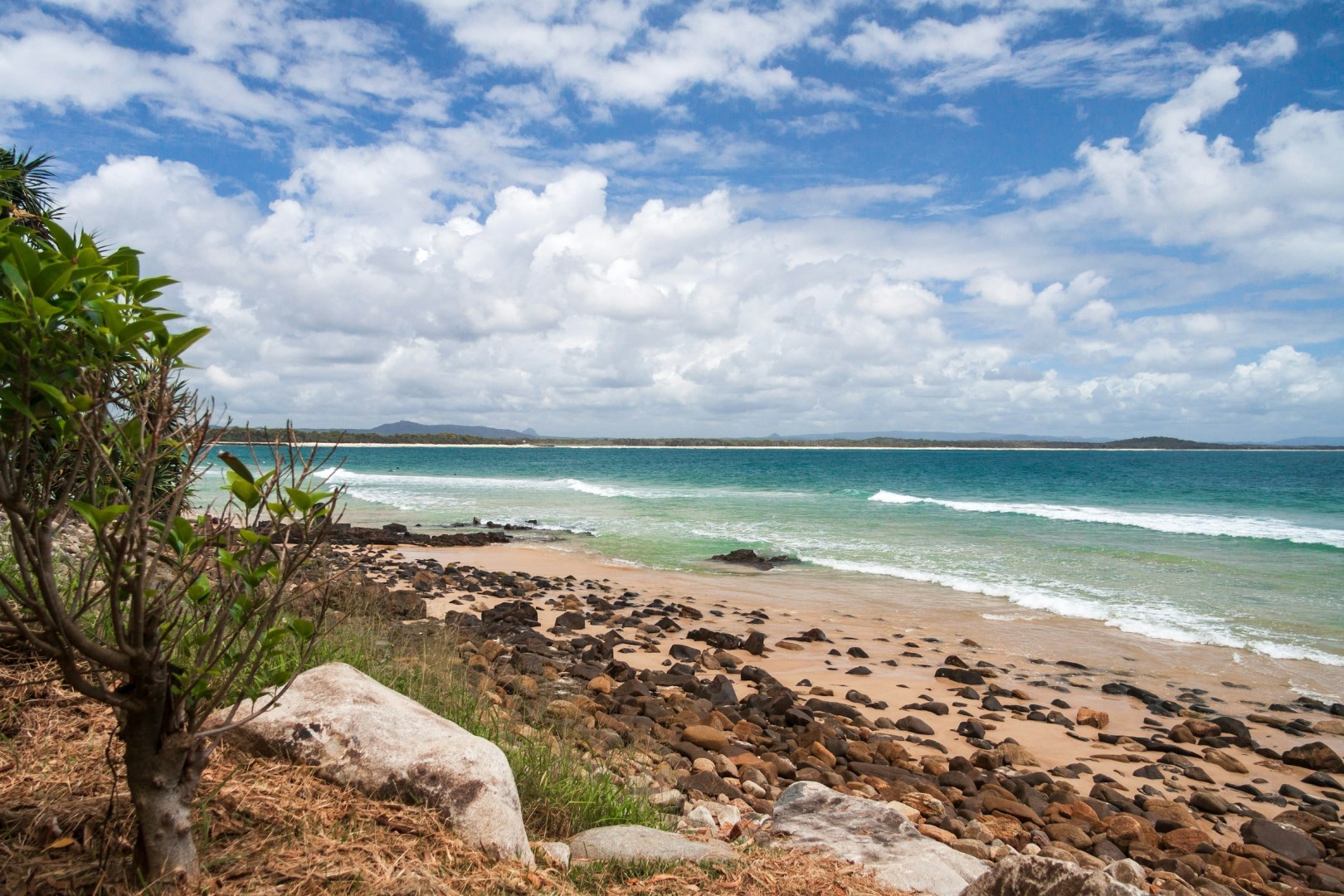
Noosa Heads, located on Queensland’s Sunshine Coast, is a coastal town renowned for its pristine beaches, lush hinterland, and relaxed yet sophisticated atmosphere. The town sits at the mouth of the Noosa River, where calm waterways meet the Pacific Ocean, creating ideal conditions for swimming, kayaking, and paddleboarding.
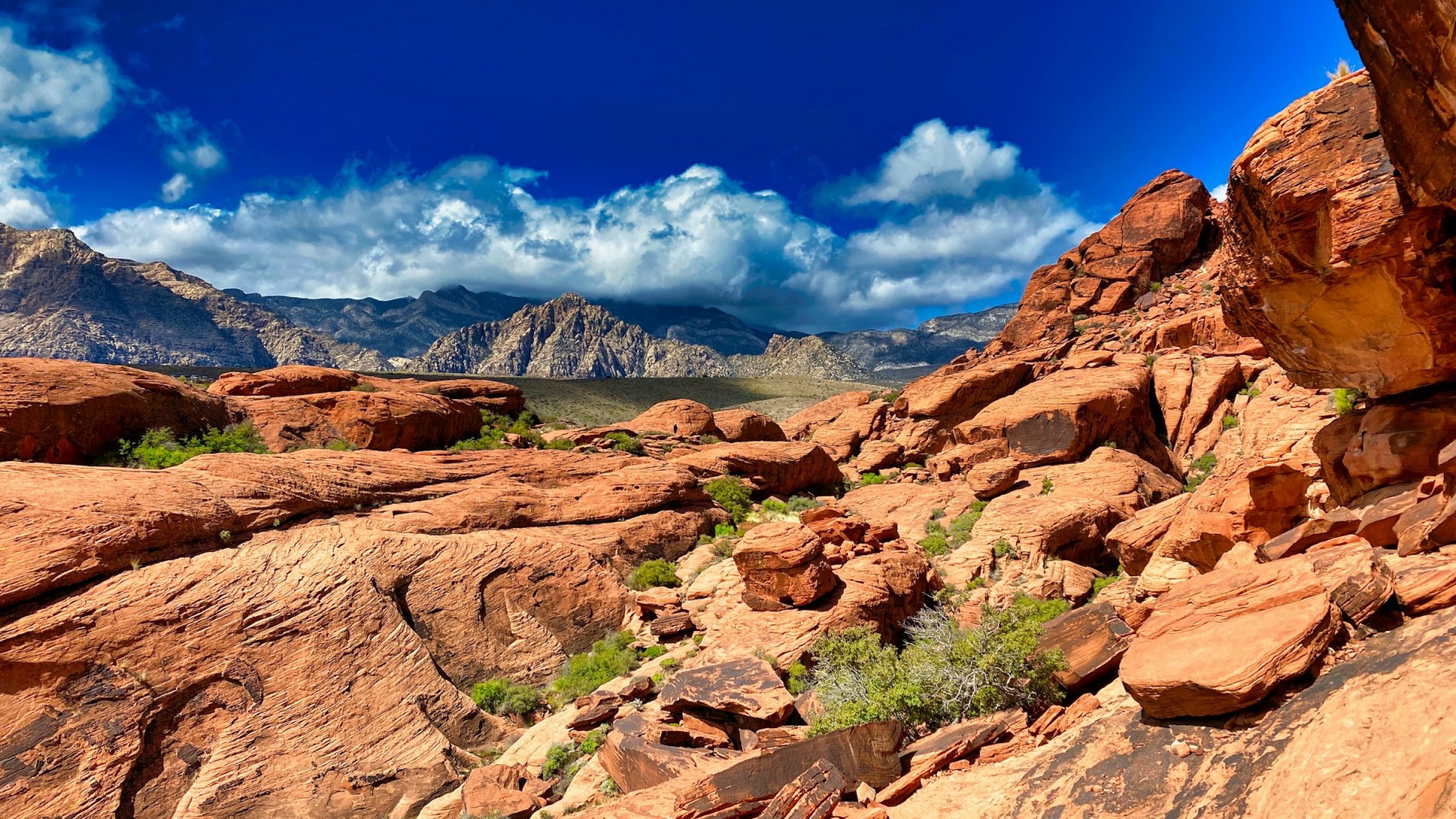
Red Rock Canyon National Conservation Area lies about 17 miles west of the Las Vegas Strip, where the Mojave Desert rises into sandstone cliffs, rugged mountains, and broad desert valleys. Nevada’s first National Conservation Area, it covers nearly 198,000 acres and provides a sharp contrast to the developed landscape of Las Vegas. The area is best known for its red and cream-colored rock formations, especially the Calico Hills and the Red Rock escarpment.
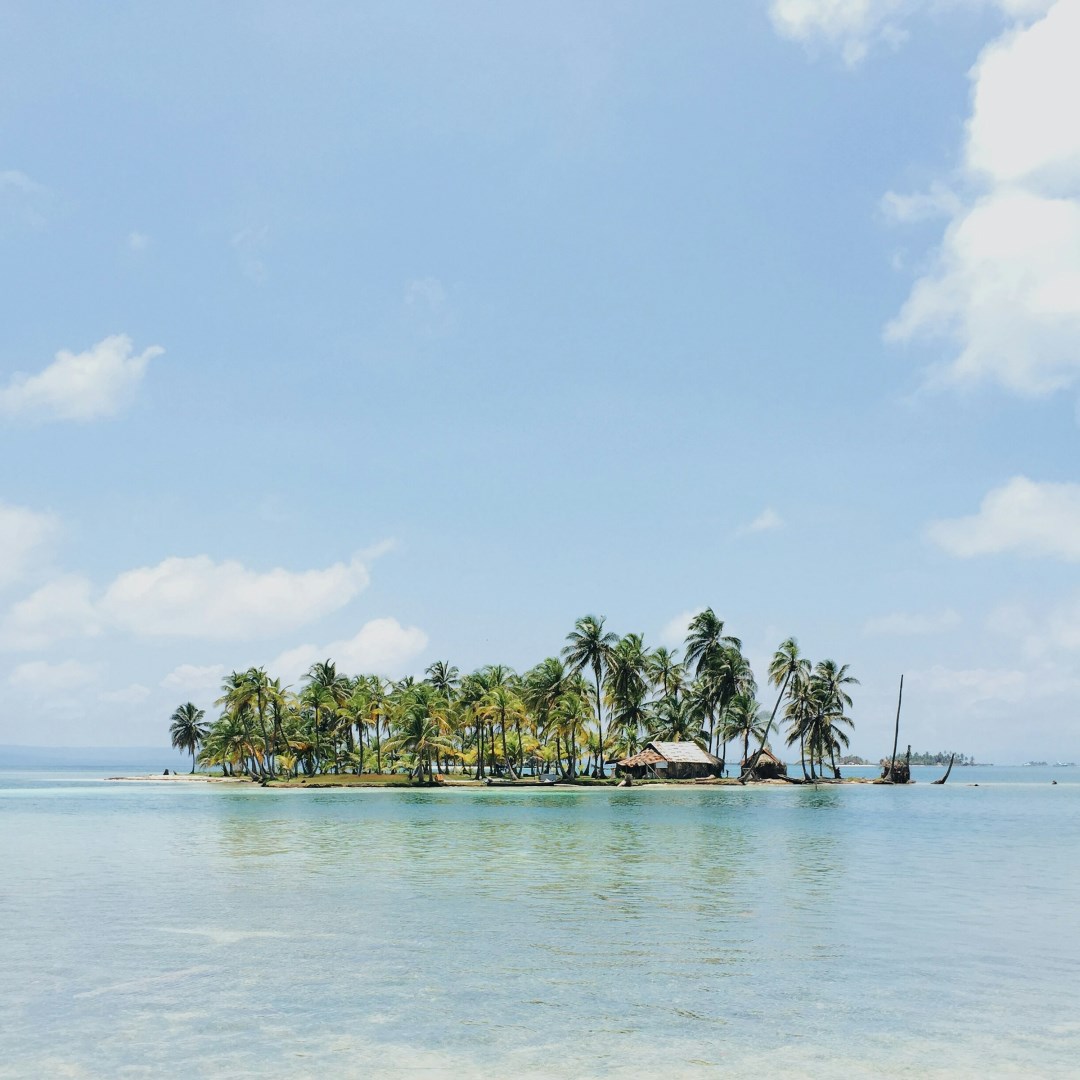
Kuna Yala, officially known as Guna Yala, is an Indigenous comarca along Panama's Caribbean coast, extending from the province of Colón toward the border with Colombia. Its best-known feature is the Guna Yala archipelago, made up of hundreds of small islands and islets surrounded by coral reefs and clear Caribbean waters. Many islands are low and covered with coconut palms, while others are uninhabited.
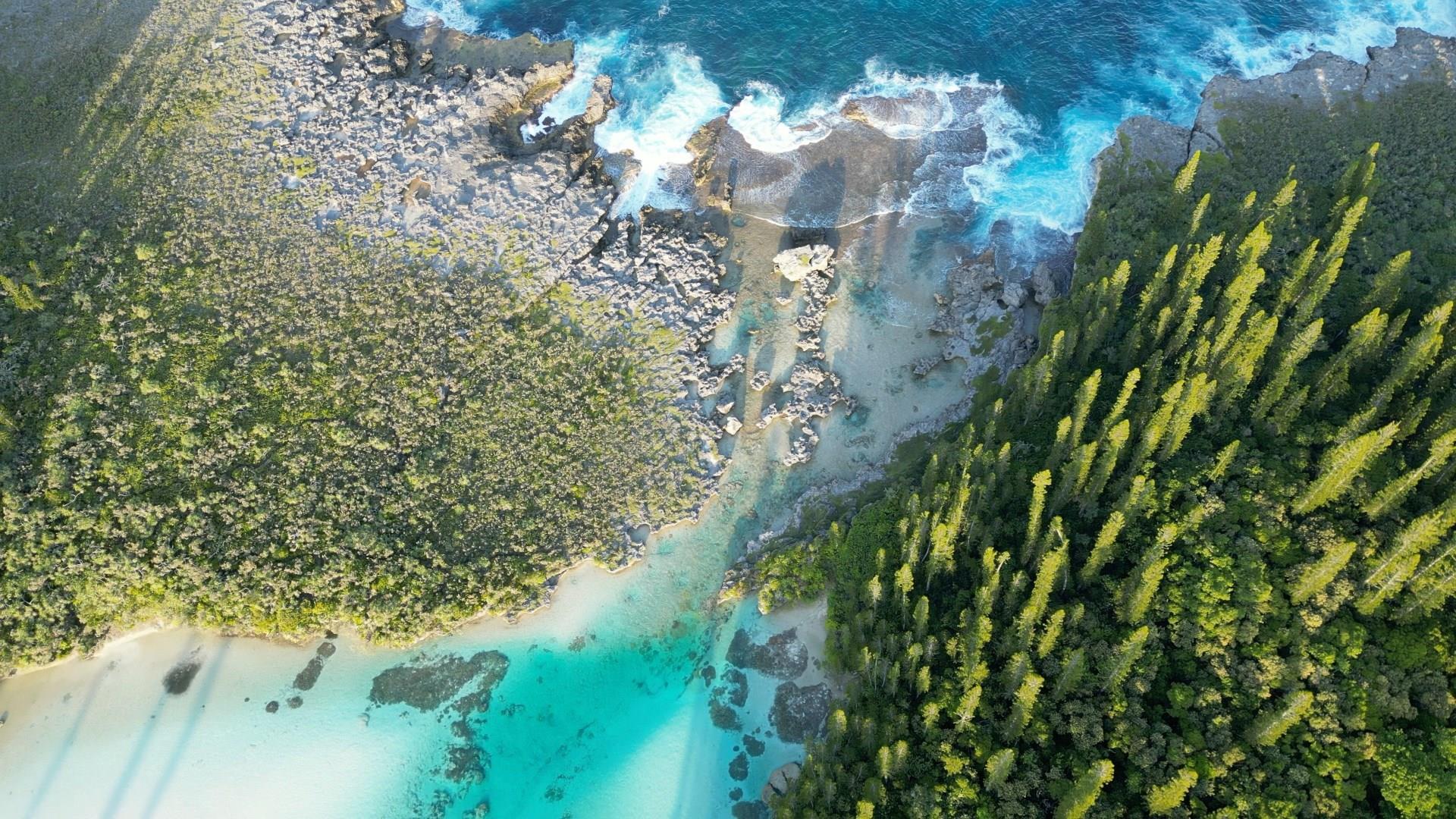
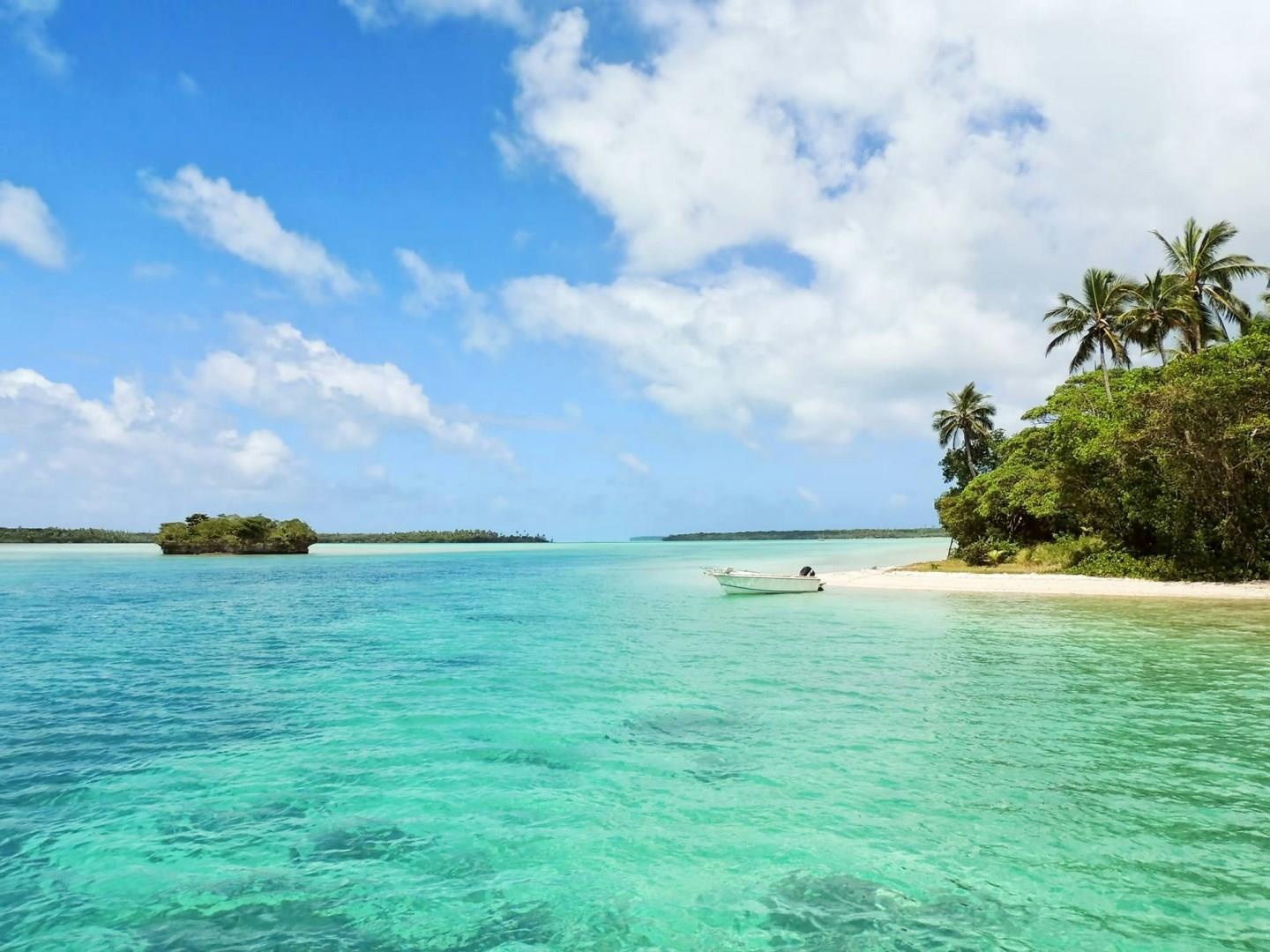
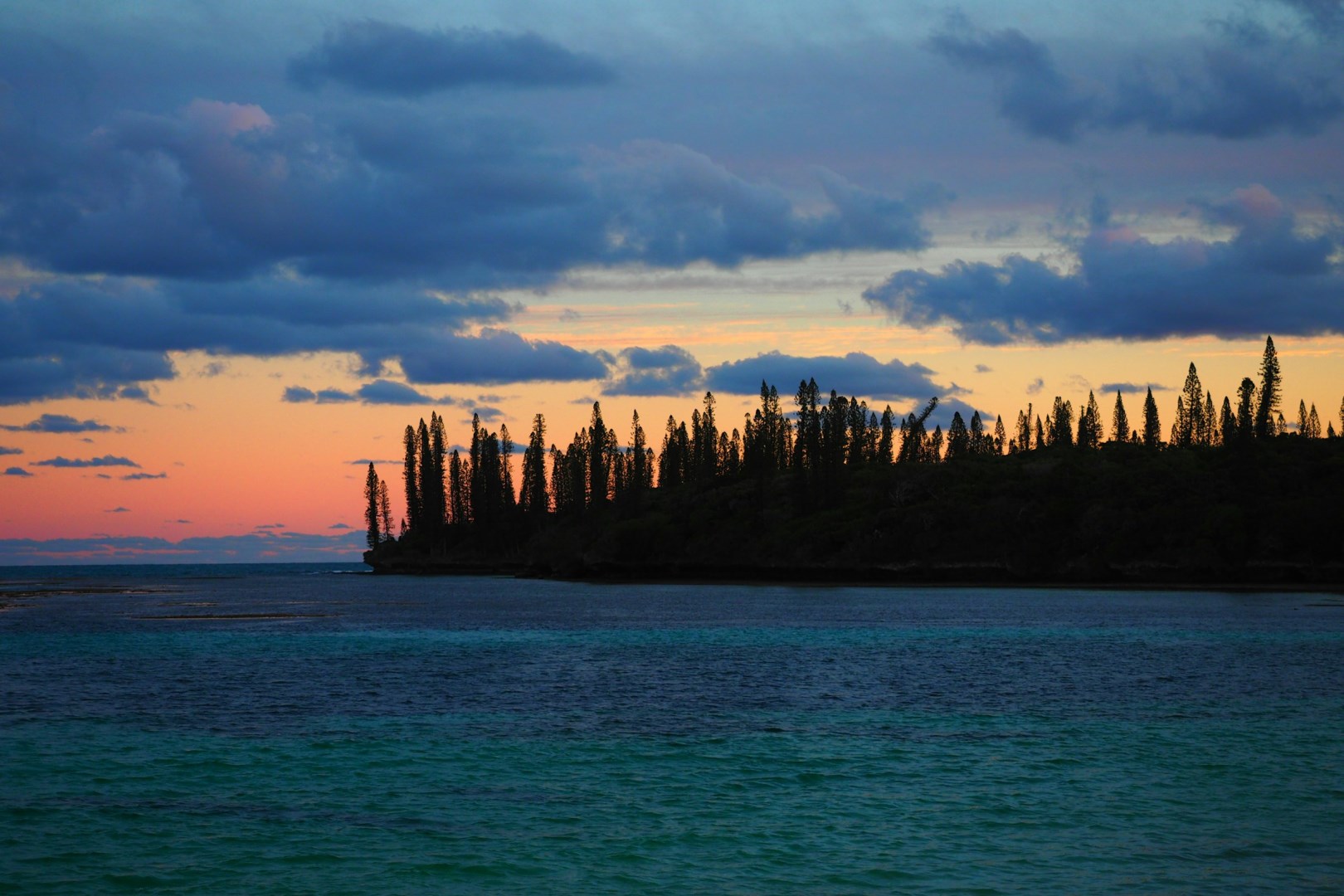
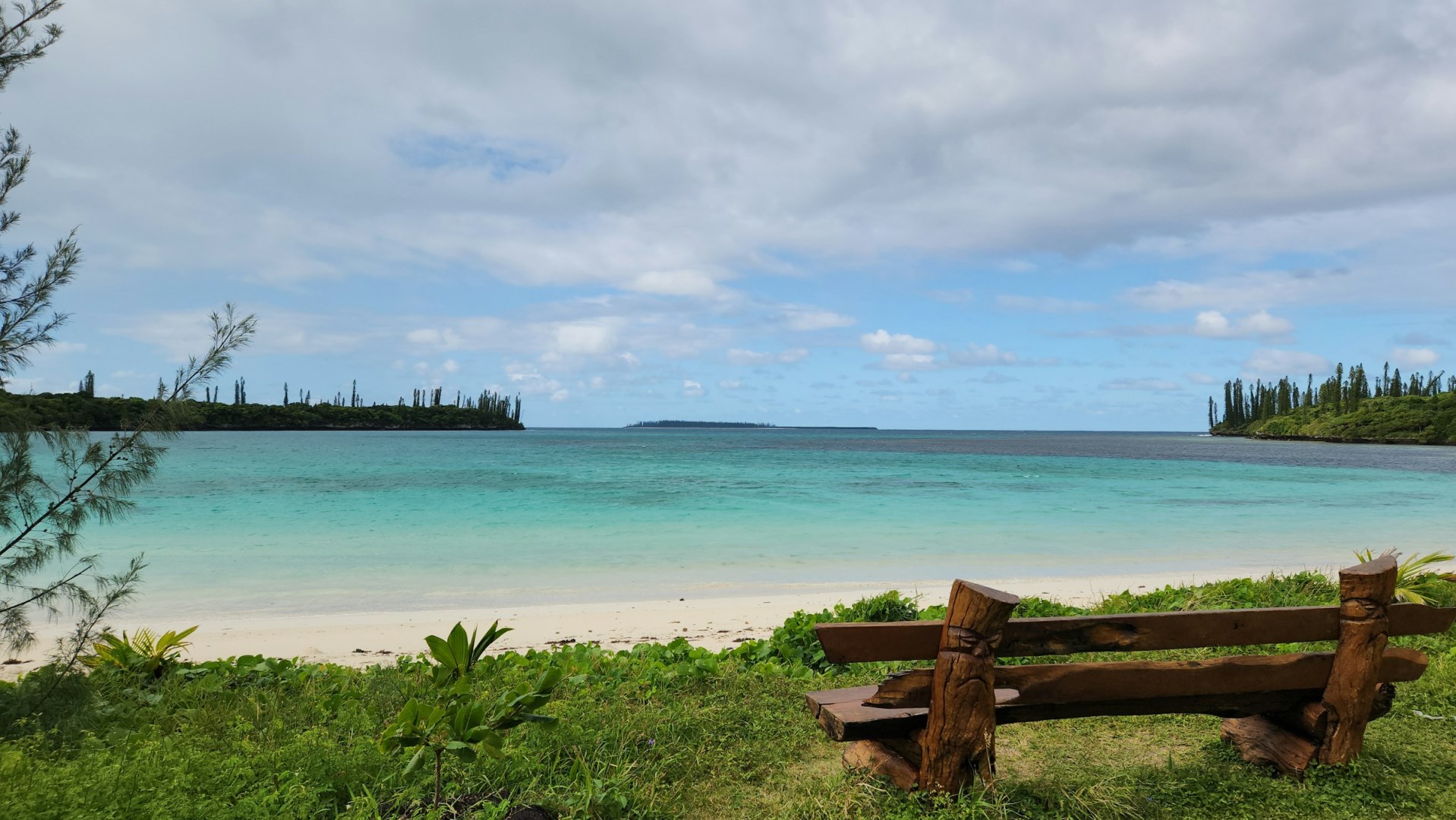
Île des Pins, often referred to as the "Island of Pines," is a serene paradise located in New Caledonia. This tropical haven is renowned for its pristine beaches, turquoise lagoons, and lush pine forests, offering visitors an idyllic escape from the everyday. The island's charm extends beyond its beaches. The Pic N'Ga peak offers panoramic views of the island's lush landscape, accessible via a scenic hike through dense forest.
A fascinating aspect of Île des Pins is its historical significance. The island is home to the Grotte de la Reine Hortense, a cave linked to the island's colonial past and named after Queen Hortense of France. The cave’s intriguing formations and historical context add a layer of depth to the island’s natural beauty.
A fun fact about Île des Pins is its unique “pinus” trees, which are actually New Caledonian pines, a species found nowhere else in the world. The island's blend of natural beauty, cultural richness, and historical intrigue makes it an irresistible destination for travelers seeking both relaxation and adventure. For the best experience, visit between September and November when the weather is pleasantly warm and ideal for outdoor activities.
Other Popular Destinations in New Caledonia
Noumea
Nouméa, the vibrant capital of New Caledonia, offers a captivating mix of French sophistication and Pacific charm. This bustling city is renowned for its beautiful beaches, such as Anse Vata, where turquoise waters and white sand invite relaxation and water sports.
Amédée Islet
Amédée Islet, known locally as Îlot Amédée, is a small coral islet in the lagoon off the southern coast of New Caledonia. It lies within the New Caledonian Lagoon, a UNESCO World Heritage site recognized for its extensive reef systems and marine habitats. The islet is surrounded by shallow turquoise waters, coral reefs, and sandy beaches, while low vegetation covers much of its interior. Its most recognizable landmark is the Amédée Lighthouse.