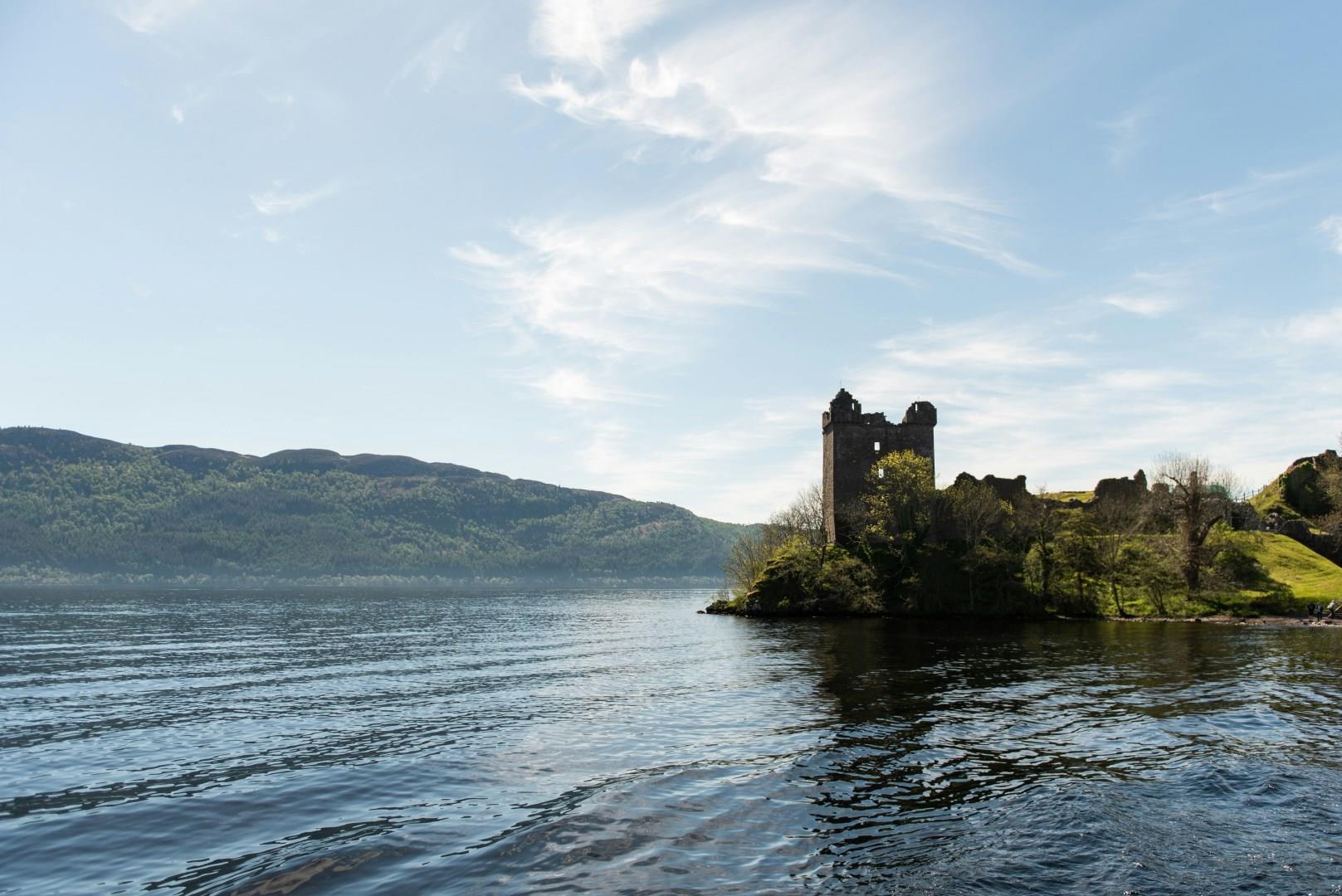
Loch Ness stretches over 23 miles through the Scottish Highlands, holding more freshwater than all the lakes in England and Wales combined. Best known for its elusive resident, the so-called Loch Ness Monster, the loch has sparked international curiosity since the first modern "sighting" in 1933. While Nessie remains elusive, the surrounding landscape offers clear reasons to visit with steep hillsides, forested trails, and ancient ruins framing one of Scotland’s most iconic bodies of water.
Blaye is a small town on the Gironde estuary in southwestern France, north of Bordeaux, known for its riverside setting, historic citadel, and connection with the vineyards of northern Gironde. The town rises gently from the estuary, with the fortified Citadel of Blaye occupying a prominent position above the water. Its old streets contain stone houses, cafés, and shops, while the waterfront provides views across the broad estuary toward the Médoc peninsula.
Flanked by the Chilean Coast Range and the snowy Andes, Chile's largest metropolis offers a dazzling array of sights and attractions for visitors to pursue. Mirrored skyscrapers, 16th-century churches, hip cafes, dance clubs... and did we mention the delicious Chilean cuisine?
Nature is never far in Helsinki. Locals swim in the sea, walk forested trails, and gather mushrooms or berries all within city limits. One popular local habit is heading to the sauna, and the city offers several open-to-the-public options. Löyly, located on the waterfront, combines traditional wood-burning saunas with a sleek, modern design. In winter, visitors can even pair a sauna session with a quick dip through a hole cut in the ice for an experience both shocking and strangely calming.
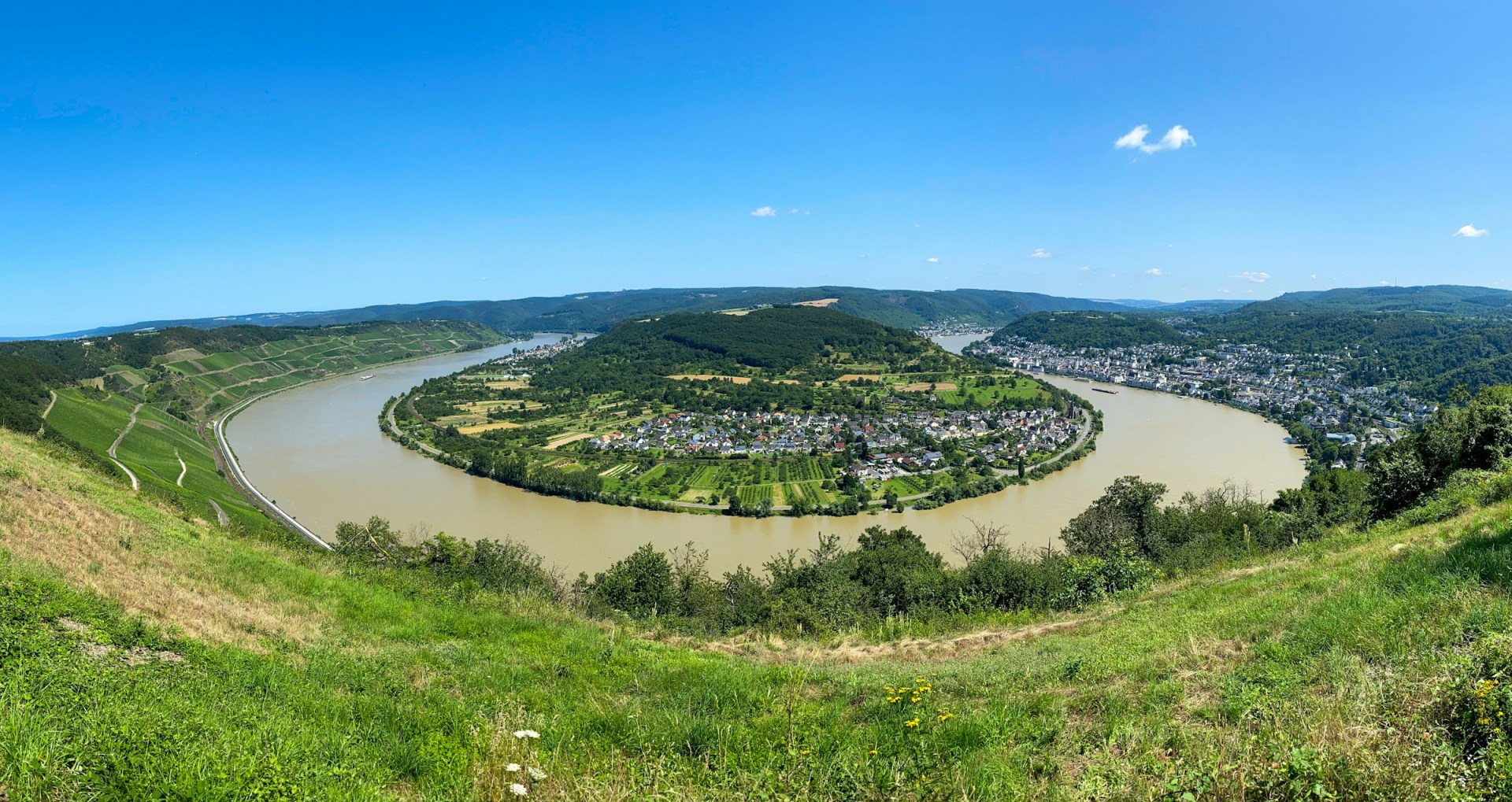
Boppard, the pearl of the Rhein, gets its nickname from the fact that it is situated on part of a horse-shoe ben in the Rhein, resembling a pearl in an oyster shell. This bend is one of the most severe anywhere on the Rhein, so much so that the town frontage faces due north while the vineyards, one the same band face due south. The bend is also known as the "bendiest bend on the Rhein."
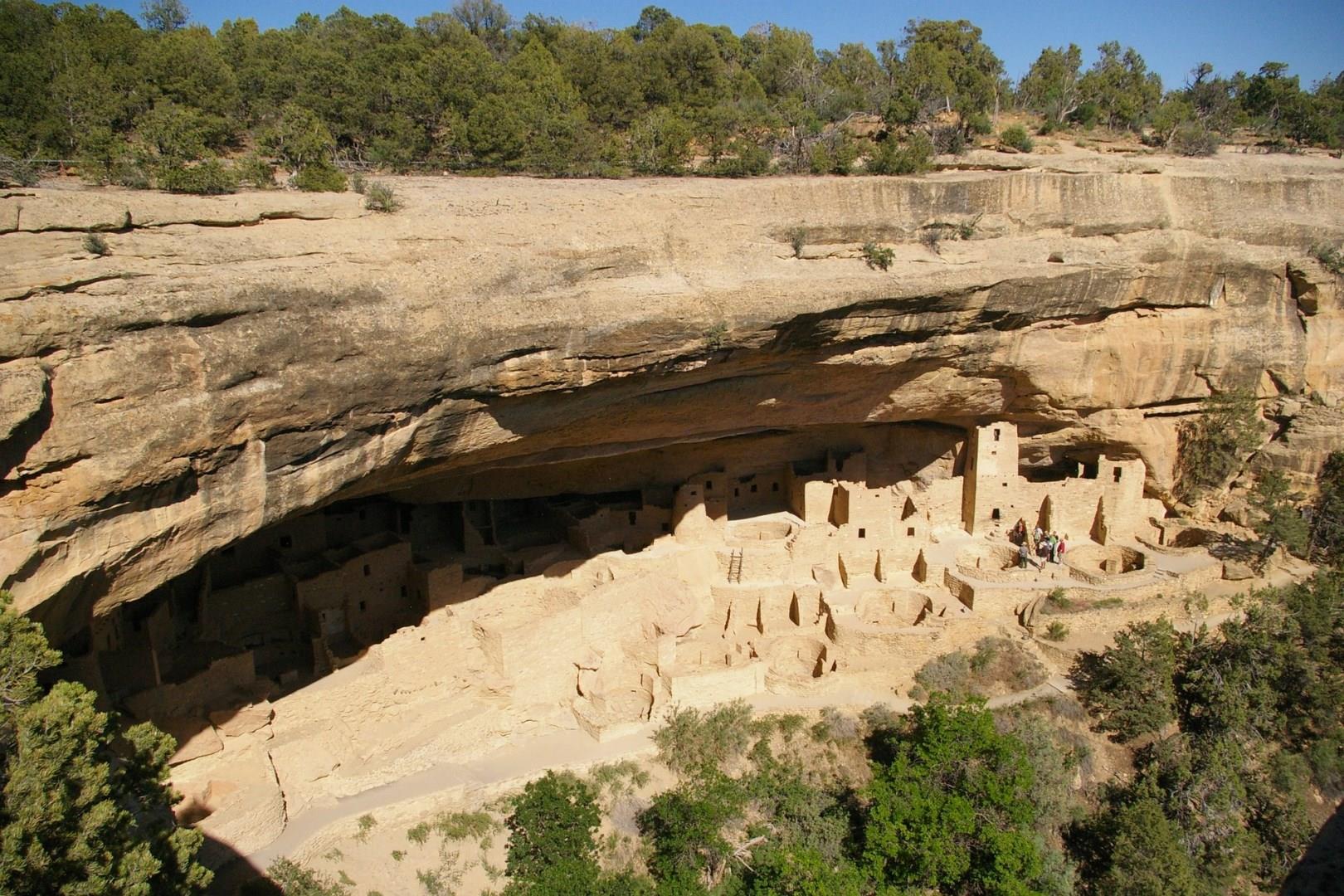
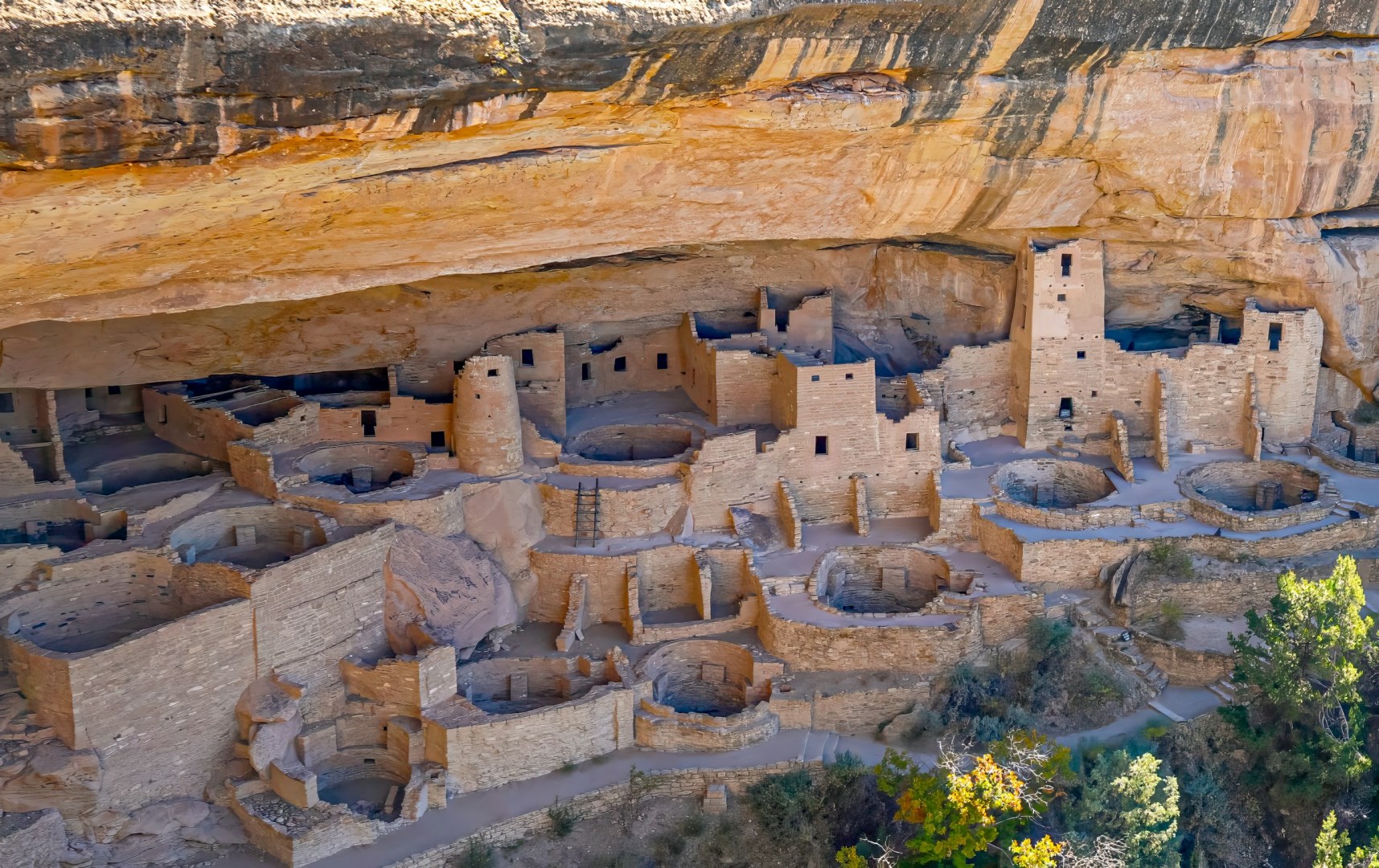
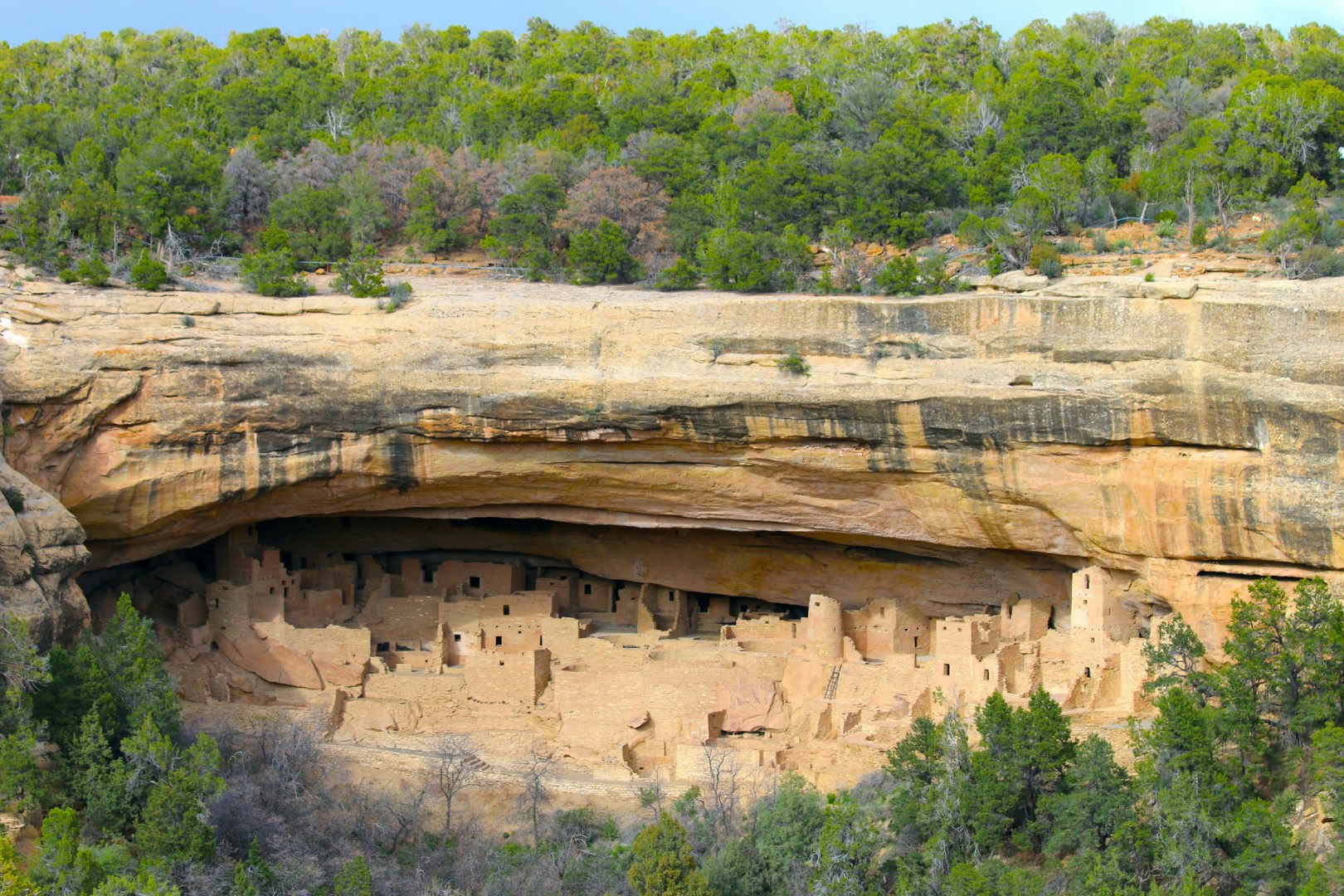
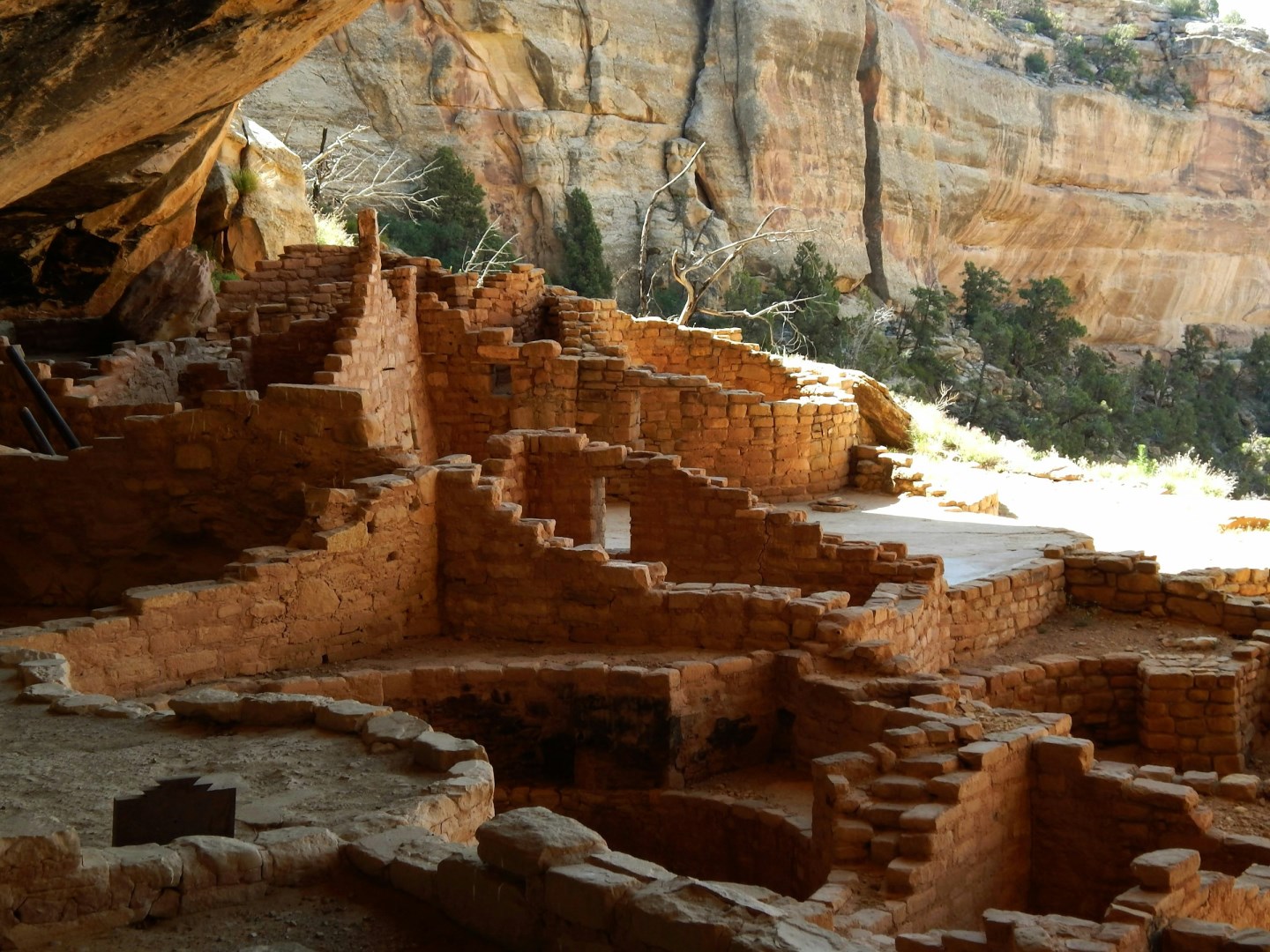
Mesa Verde National Park, nestled in the southwestern corner of Colorado, offers an extraordinary journey into the ancient past of the Ancestral Puebloans. This UNESCO World Heritage Site is renowned for its remarkably well-preserved cliff dwellings, built into the sheer rock faces of the canyon walls. The most famous of these is Cliff Palace, a sprawling complex of over 150 rooms and numerous ceremonial kivas. Exploring these ancient ruins provides a unique glimpse into the lives of the people who once called this rugged landscape home.
Visitors to Mesa Verde can embark on a series of guided tours and ranger-led programs that illuminate the intricate architecture and sophisticated society of the Ancestral Puebloans. The park’s trails lead to other impressive sites like Balcony House and Long House, each with its own story and unique features. For those seeking a more immersive experience, the park’s scenic drives offer stunning views of the surrounding landscapes, including the expansive Mesa Verde Plateau
A unique aspect of Mesa Verde is its emphasis on preserving not just the physical remnants of its past but also the cultural and historical context. The park’s Museum of the Ancestral Puebloans showcases artifacts and exhibits that provide deeper insights into the daily lives, spiritual practices, and environmental adaptations of its ancient inhabitants. This museum is a crucial stop for those interested in understanding the broader scope of the Ancestral Puebloans’ impact on the region.
Fun fact: Mesa Verde is home to one of the highest concentrations of cliff dwellings in North America, with over 600 individual sites documented. The name "Mesa Verde" itself means "Green Table" in Spanish, a reference to the lush vegetation that once thrived on the mesa top. Mesa Verde National Park continues to captivate visitors with its blend of natural beauty and ancient mystery.
Other Popular Destinations in Colorado
Denver
Denver, Colorado, known as the “Mile High City” for its elevation exactly 5,280 feet above sea level, offers far more than a mountain backdrop. It’s a city where old saloons, Victorian homes, and vintage brick warehouses sit beside sleek skyscrapers and buzzing food halls. While the nearby Rocky Mountains are visible from almost anywhere in the city, places like City Park and Washington Park offer wide green spaces right in town.
Grand Junction
Grand Junction, located on Colorado’s Western Slope, is a destination where desert canyons meet fertile vineyards and rugged plateaus overlook winding rivers. The town sits at the junction of the Colorado and Gunnison Rivers, which historically made it a vital meeting point for Native American tribes, trappers, and settlers. Today, visitors come for its striking landscapes, laid-back pace, and a growing food and wine scene that's putting this region on the map for more than just its scenery.