Cádiz
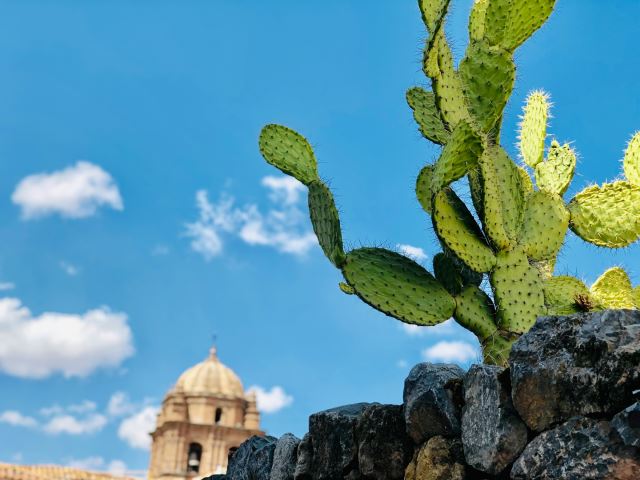
With its captivating blend of ancient history, sun-drenched beaches, and vibrant Andalusian culture, Cádiz, Spain, stands as one of Europe’s oldest continually inhabited cities. Founded over 3,000 years ago by the Phoenicians, this coastal gem in southern Spain offers a rich tapestry of historical sites and modern charms. The old city of Cádiz is a labyrinth of narrow cobblestone streets, whitewashed houses, and hidden plazas that evoke the city’s Moorish past.
National Park of American Samoa
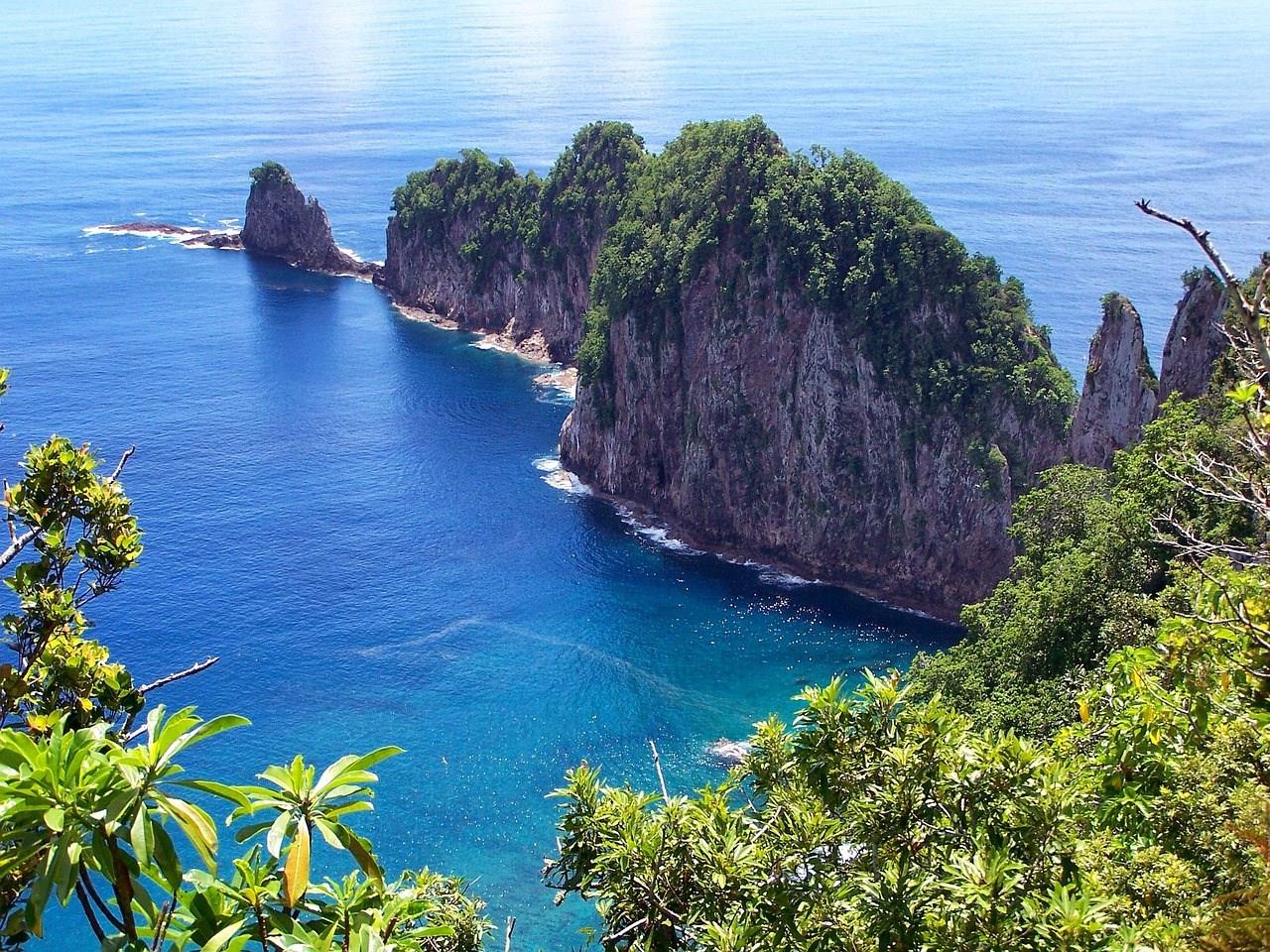
The National Park of American Samoa invites visitors to step into a world shaped by towering volcanic ridges, tangled rainforests, and clear coral-sand bays. Spread across Tutuila, Ta‘ū, and Ofu islands, the park protects nearly 13,500 acres of land and 4,000 acres of ocean, an unusual patchwork where ancient ecosystems like paleotropical rainforests meet hip-deep coral reefs. Only U.S. national park in the Southern Hemisphere, it’s a place where you can hike through cloud-shrouded forests and t
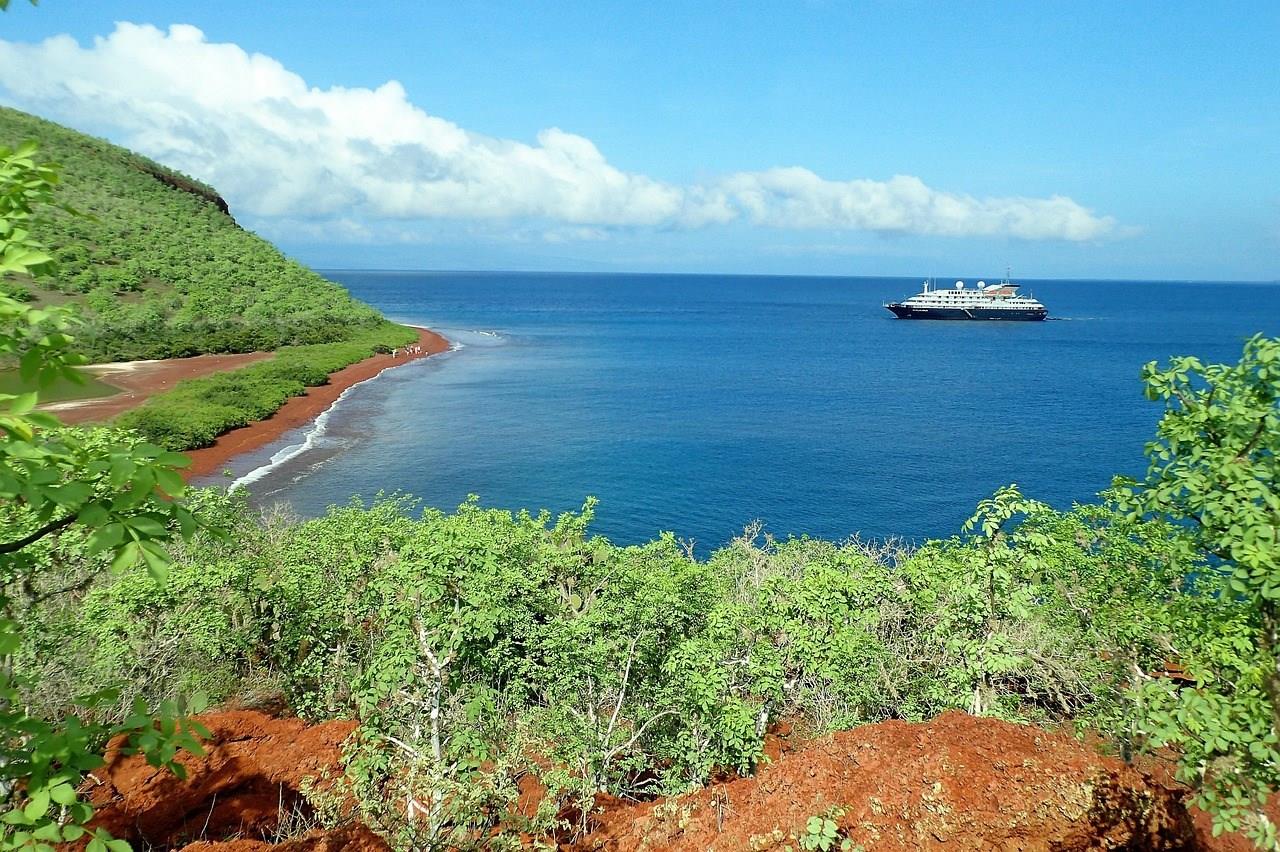
Rabida Island
Rábida Island is one of the most visually striking islands in the Galápagos, known for its deep red volcanic shoreline and quiet, unspoiled atmosphere. Located near the center of the archipelago, the island is geologically young, with iron-rich lava giving its beaches a dramatic rust-colored hue.
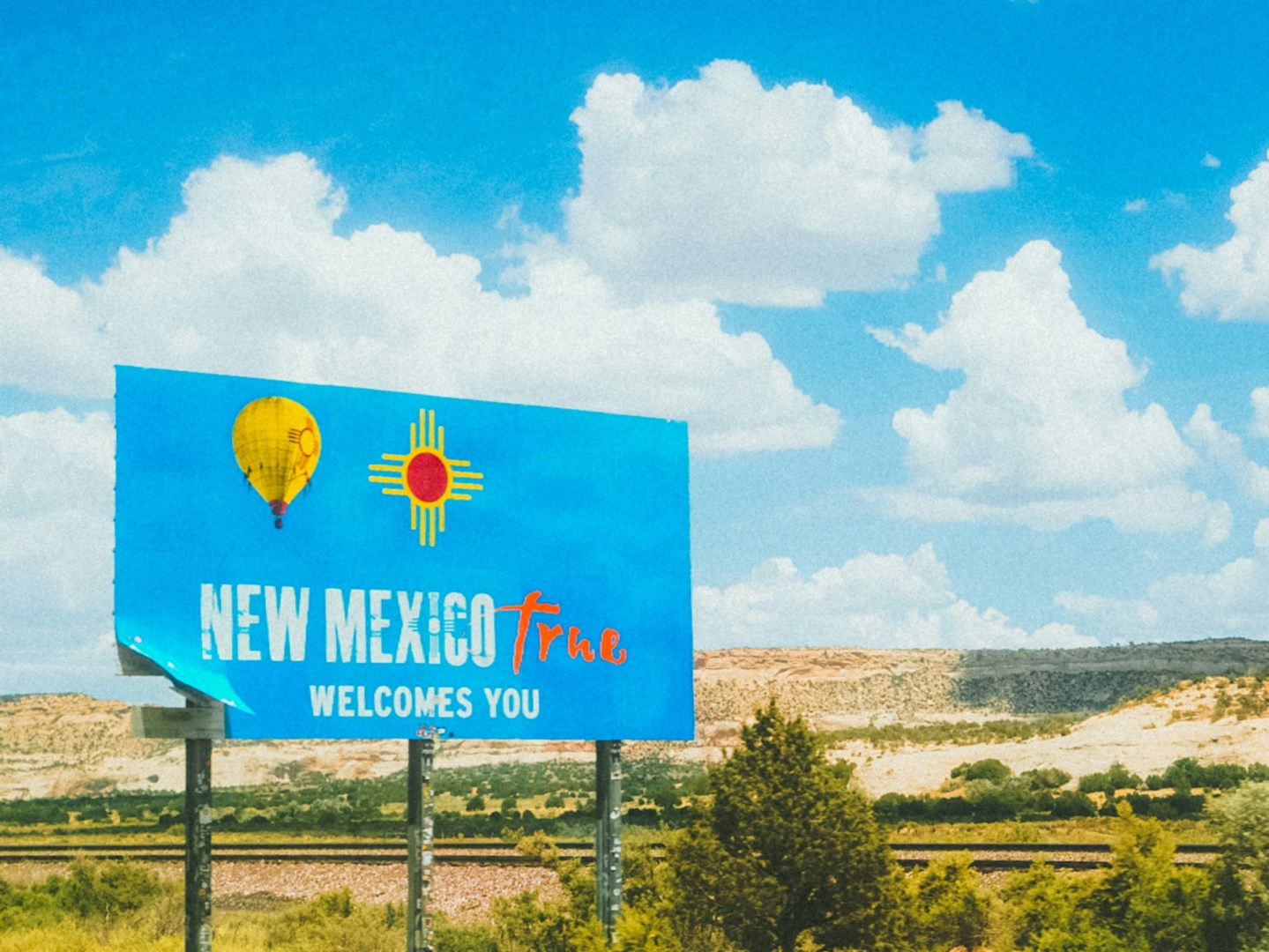
New Mexico
New Mexico is a place where centuries-old adobe buildings stand beneath endless skies and ancient traditions live alongside experimental art and science. Known as the Land of Enchantment, the state offers a landscape shaped by volcanoes, mesas, and high desert plateaus. Santa Fe, the oldest state capital in the U.S., features historic sites like the 17th-century San Miguel Chapel and a walkable downtown filled with galleries and artisan markets.

Isla del Sol
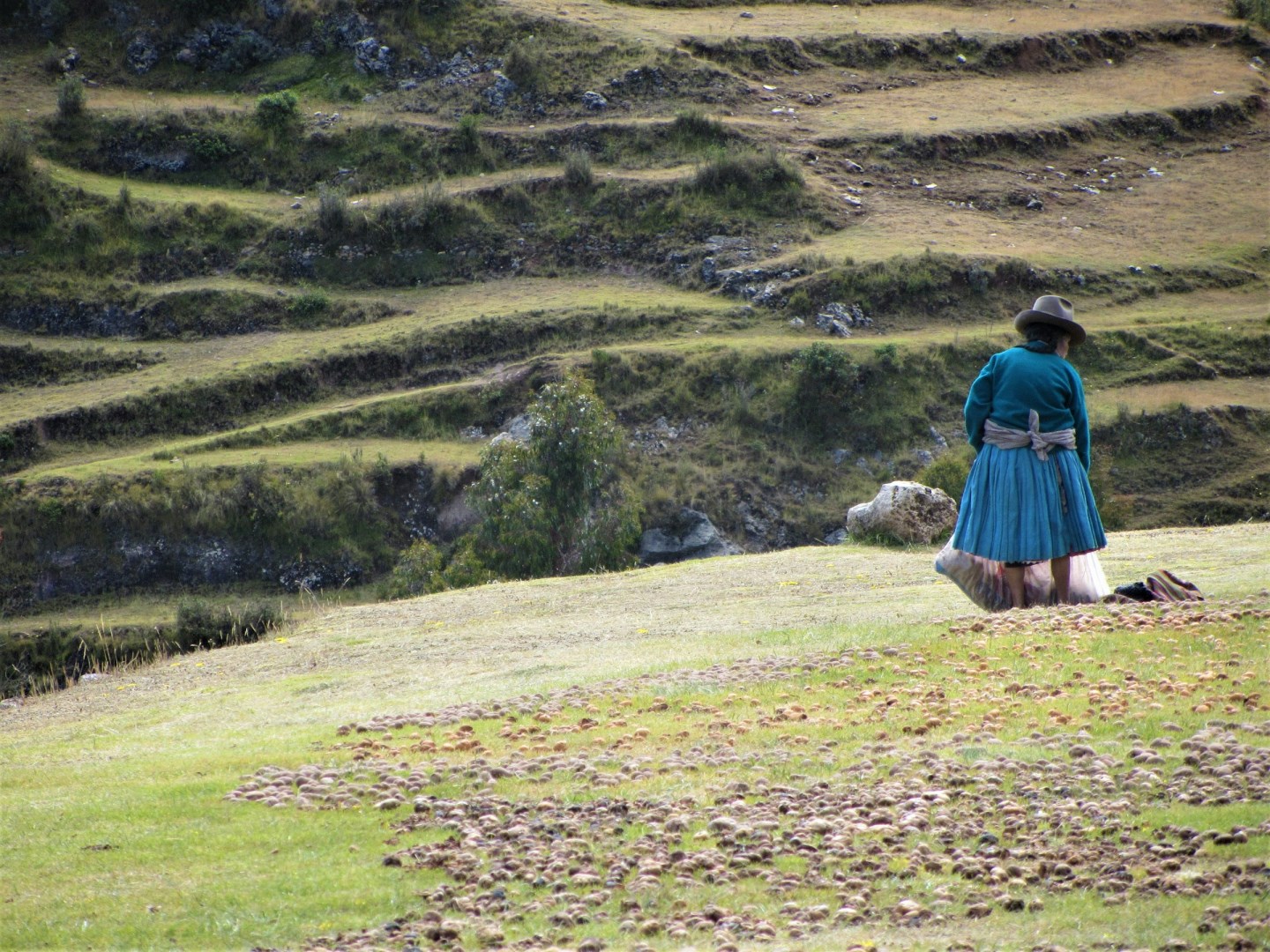
Isla del Sol, or Island of the Sun, is one of the best-known islands in Lake Titicaca, Bolivia, located in the lake’s southern section near Copacabana. The island is shaped by steep hills, stone terraces, small farming communities, and broad views across the high-altitude lake toward the Andes. At about 3,810 meters above sea level, Lake Titicaca creates a distinctive setting where cultivated slopes meet deep blue water and distant mountain peaks.