Punakha
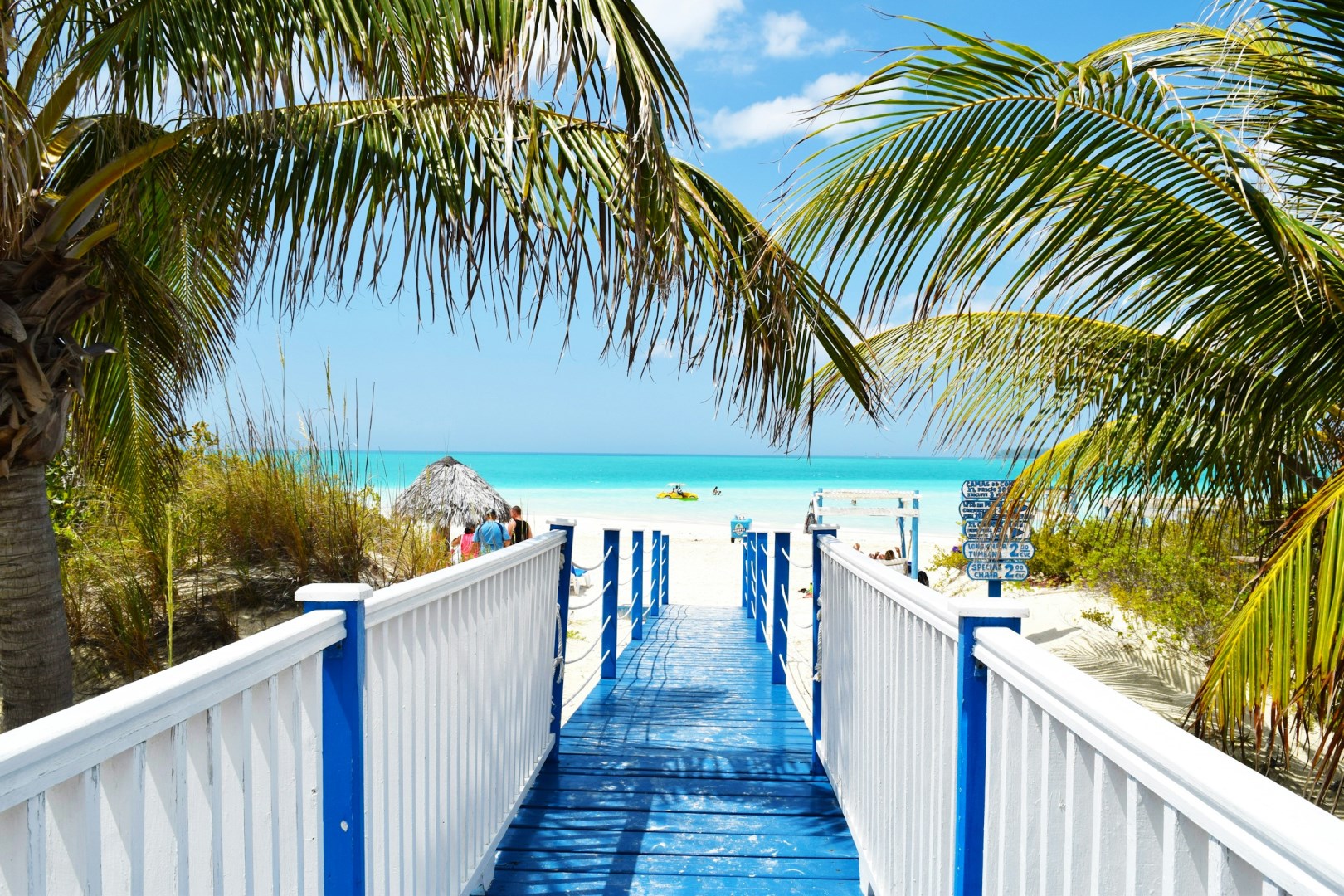
Punakha sits in one of Bhutan’s most fertile valleys, cradled where the Mo Chhu and Pho Chhu rivers meet. For centuries it served as the kingdom’s capital and remains a place rich with stories woven through its fields, temples, and riverbanks. The city’s low elevation brings warmer weather than much of Bhutan’s highland regions, and rice paddies fill the landscape with vivid green during planting and golden hues at harvest.
Mont Blanc
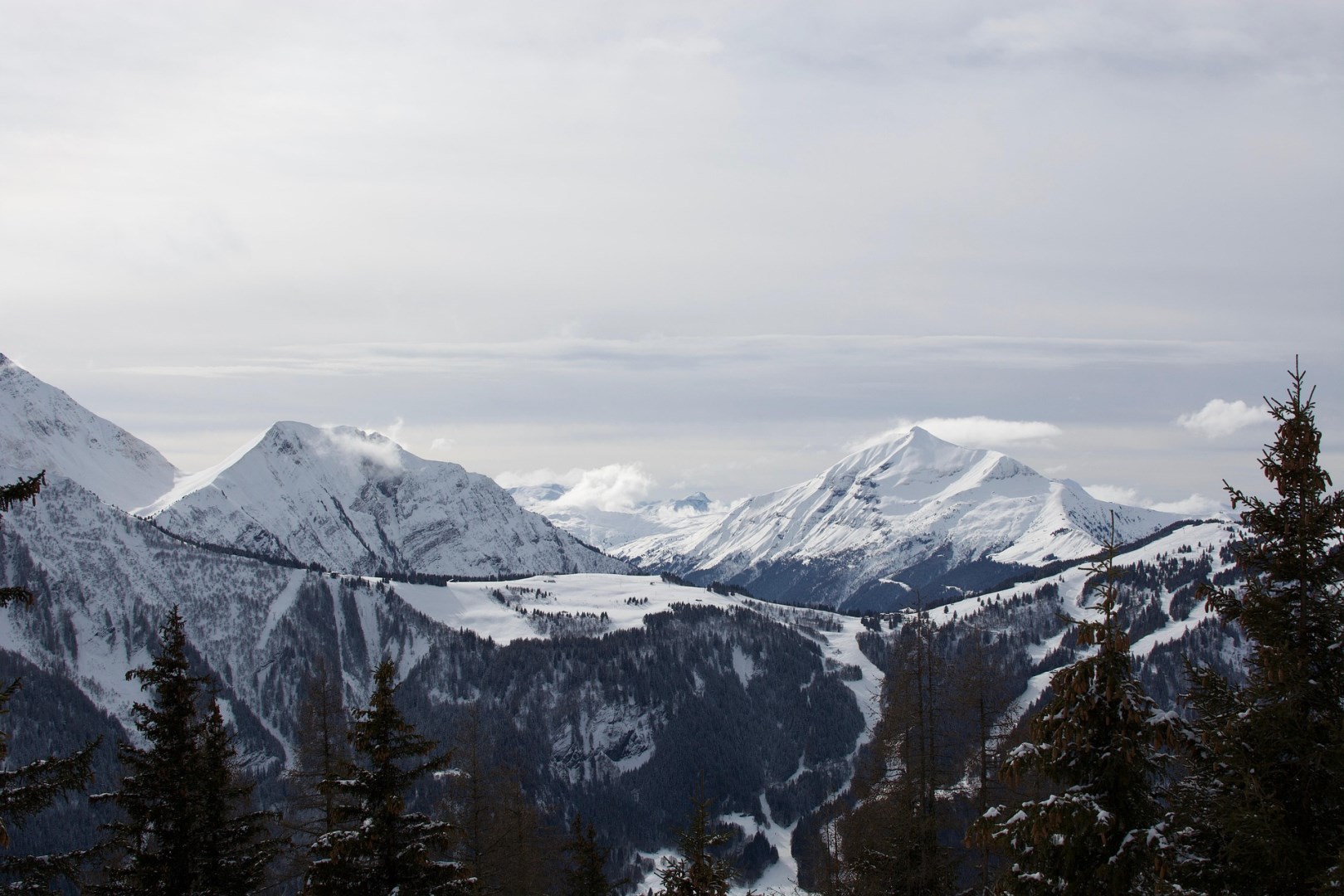
Mont Blanc is the highest mountain in the Alps, rising within the Mont Blanc massif on the border between France and Italy. Its summit reaches roughly 4,805 meters and is surrounded by glaciers, snowfields, rocky ridges, and some of the highest peaks in Western Europe. The mountain dominates views from Chamonix in France and Courmayeur in Italy, while the surrounding massif forms a major alpine landscape for mountaineering, hiking, skiing, and scientific study.
Flores
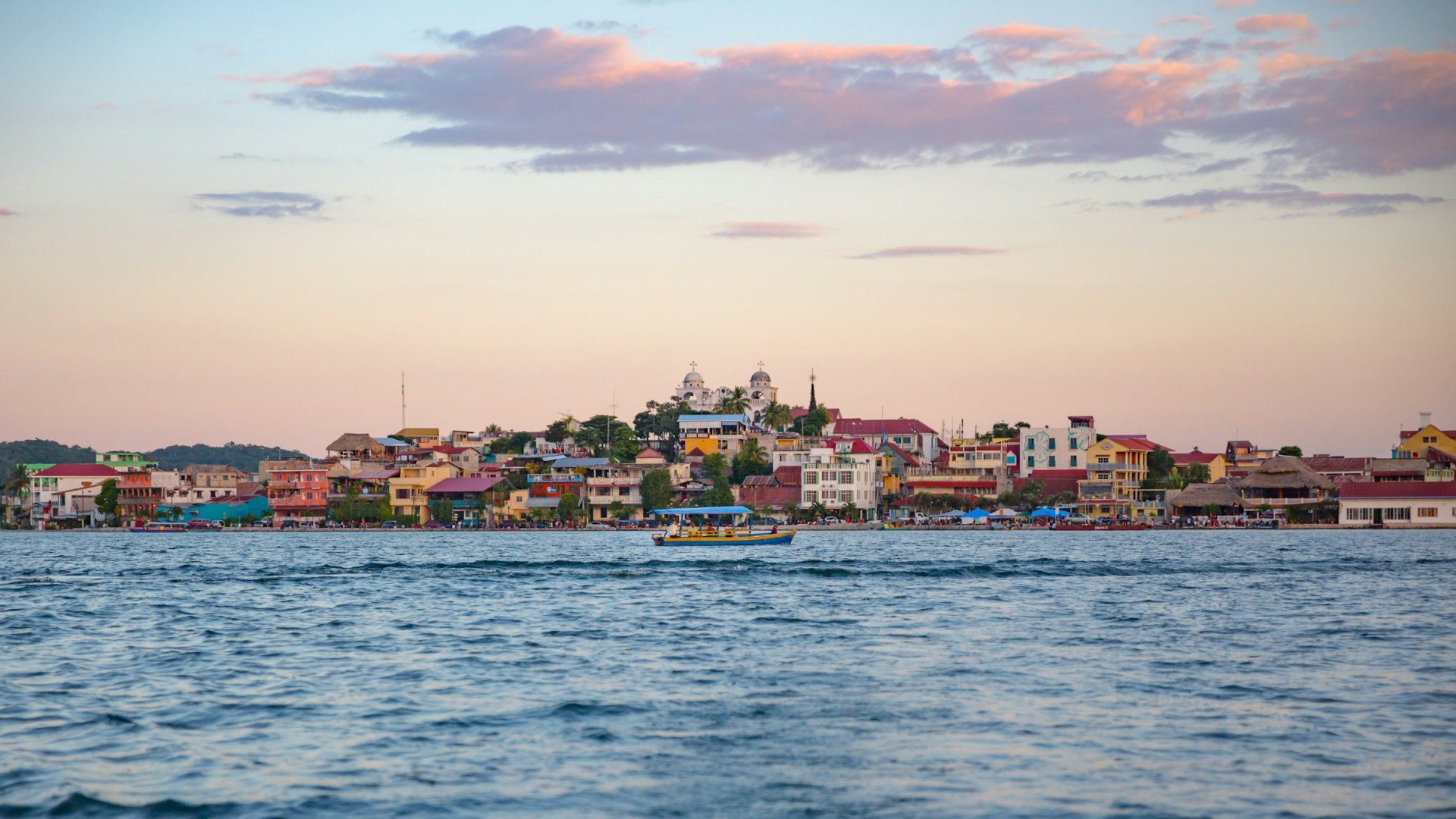
Flores is the capital of Guatemala's Petén department and occupies a small island in Lake Petén Itzá, connected to the mainland by a causeway. The compact island is known for its colorful buildings, narrow streets, waterfront promenade, and views across the lake. Flores also serves as a base for exploring the archaeological and natural attractions of northern Guatemala.
Byron Bay
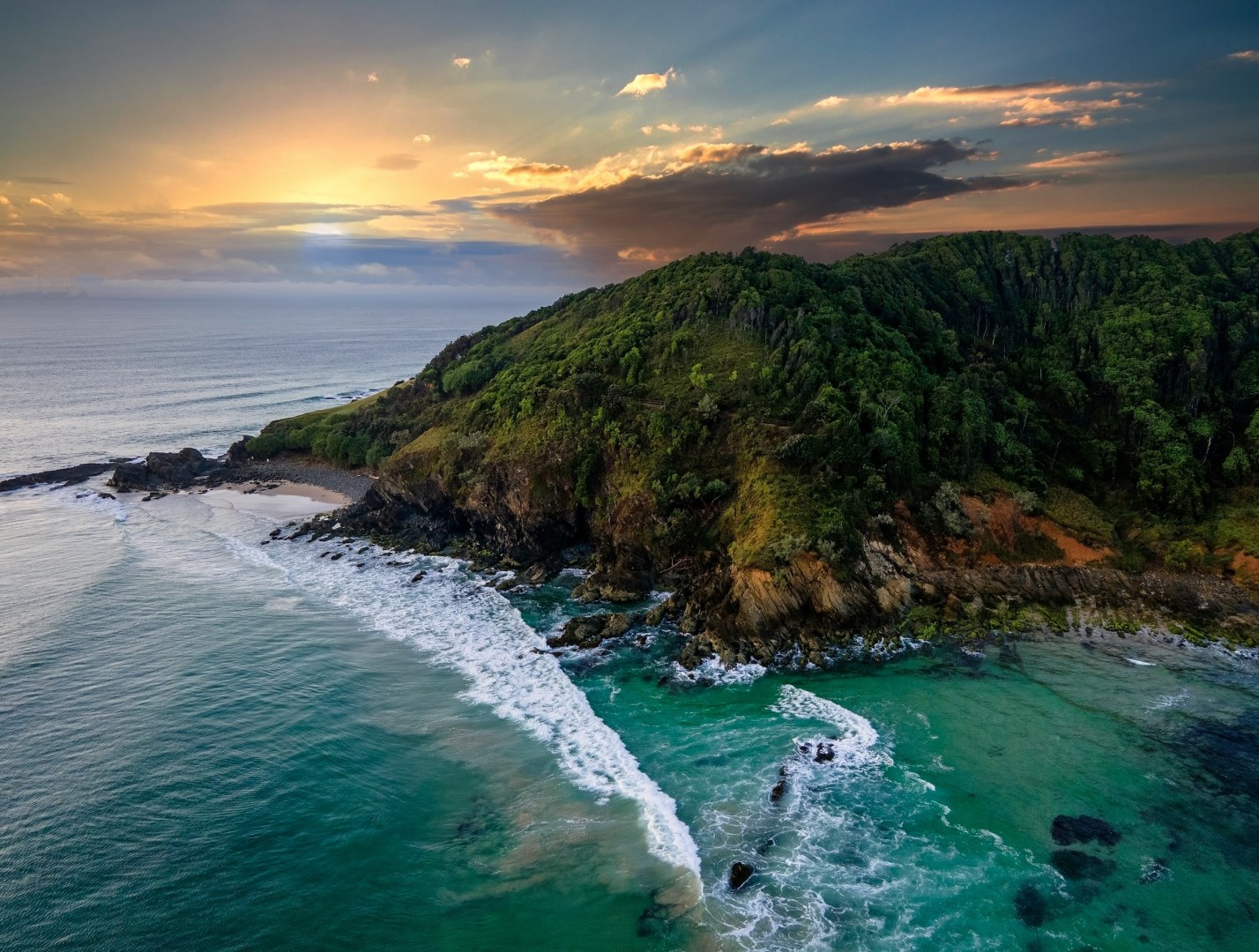
Byron Bay lies on the far north coast of New South Wales, Australia, where wide beaches meet the deep blue Pacific and the point of land known as Cape Byron marks the easternmost tip of the mainland. Standing tall above the coastline, the Cape Byron Lighthouse has guided ships since 1901 and now greets walkers and sightseers who take the scenic cliff-top path for views stretching toward whales during their migration season.
Nome
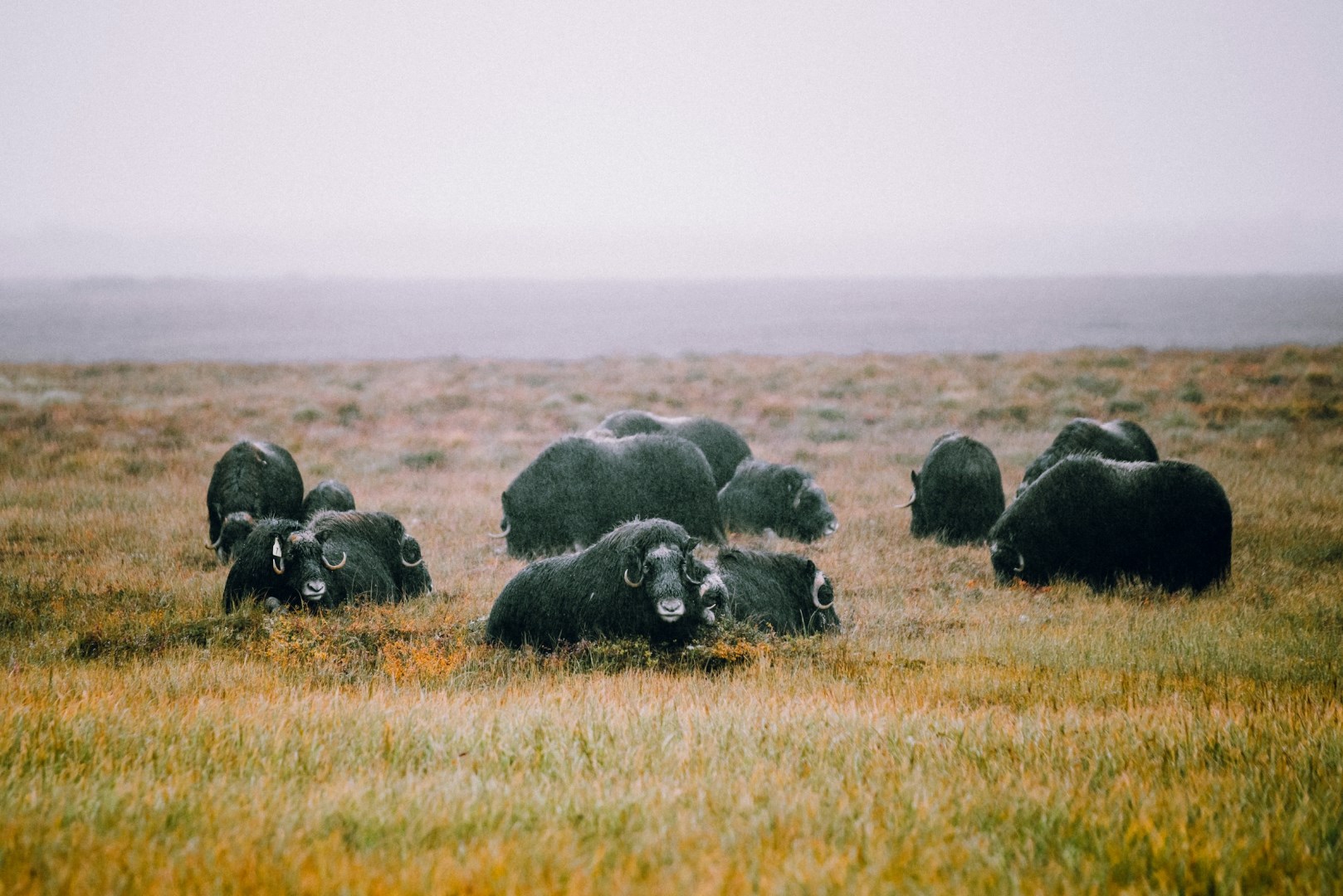
Nome is a coastal city on the southern Seward Peninsula in western Alaska, facing Norton Sound and the Bering Sea. Its remote location places it far from Alaska's major road network, with access primarily by air and seasonal sea travel. The surrounding landscape consists of tundra, low mountains, wetlands, beaches, and broad coastal plains. Nome is best known for its connection to gold mining and its role as a regional center for communities across western Alaska.