Shanghai
Shanghai is a city where contrasting timelines meet at every corner. Once a small fishing village along the Huangpu River, it grew rapidly during the 19th century into a major trading port. Today, its skyline tells a story of that transformation. On one side, the Bund’s colonial-era buildings stand tall in limestone and granite; on the other, the futuristic towers of Pudong, like the Shanghai Tower and Jin Mao, stretch into the clouds.
León
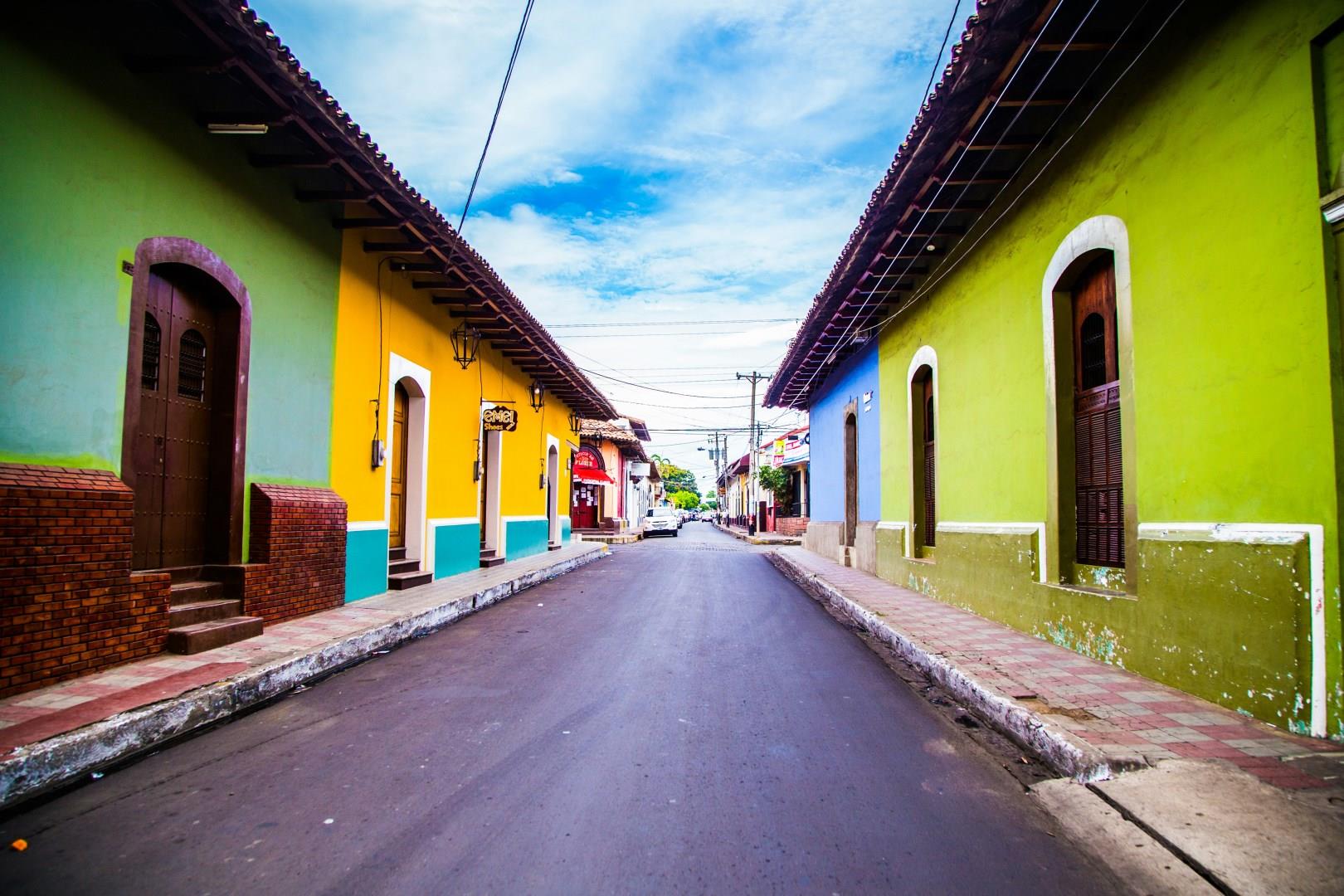
León, Nicaragua serves as the country’s capital for more than two centuries and still feels like the intellectual and political heart of Nicaragua. The city is known for its revolutionary past, visible in murals that stretch across building walls, telling stories of resistance, poets, and everyday citizens. The Cathedral of León, the largest in Central America and a UNESCO World Heritage Site, dominates the central square.

Pompeii
Pompeii, Italy, is a mesmerizing time capsule that invites travelers to step back into the world of ancient Rome. Once a thriving city, Pompeii was abruptly buried under volcanic ash and pumice following the catastrophic eruption of Mount Vesuvius in 79 AD. This tragic event preserved the city in remarkable detail, allowing visitors today to walk the cobbled streets and witness a snapshot of Roman life, from grand villas and bathhouses to bakeries and amphitheaters.
Napo River
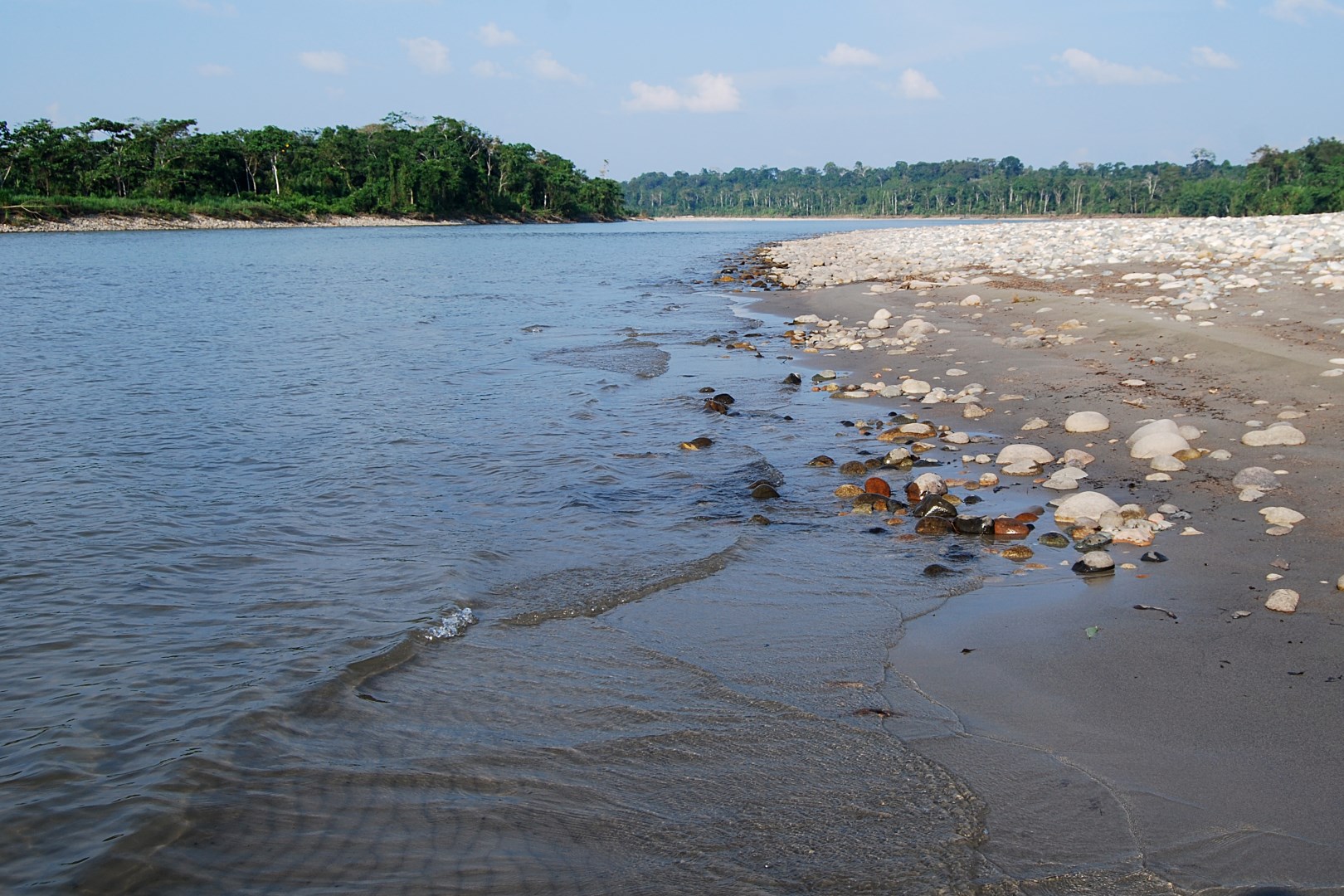
A tributary of the Amazon, the Napo River (Río Napo) originates in the east Andes mountains. It flows east through Ecuador, then southeast into Peru, where it joins the larger river roughly 50 miles downstream from Iquitos.
Mt. Rushmore
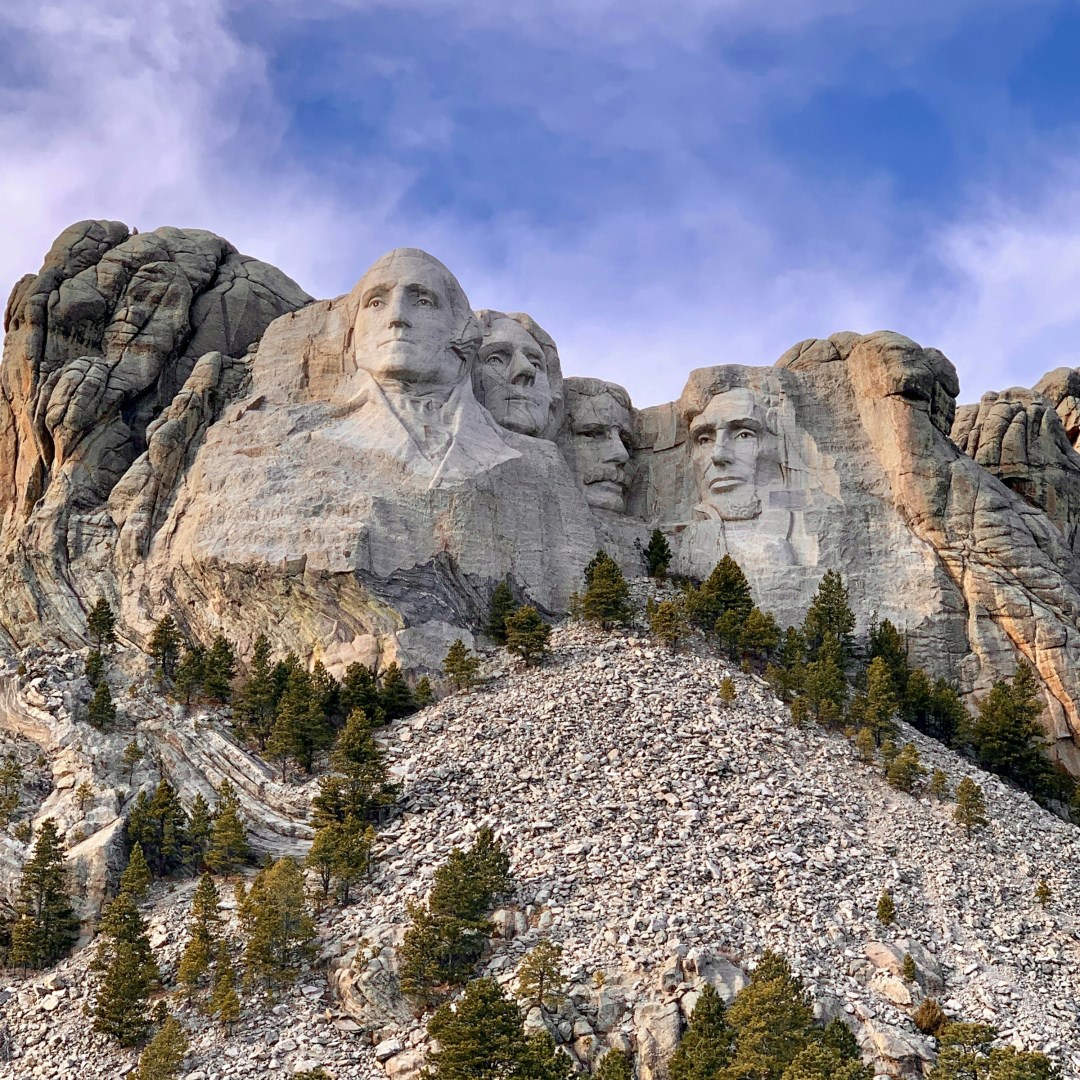
Located about twenty-five miles southwest of Rapid City, South Dakota, lies Mount Rushmore. Following Highway 244 from the west leads to the orientation center. There exhibits tell how sculptor Gutzon Borglum carved away twice the rock needed to construct Egypt's Great Sphinx (which isn't even as tall as Washington's nose).