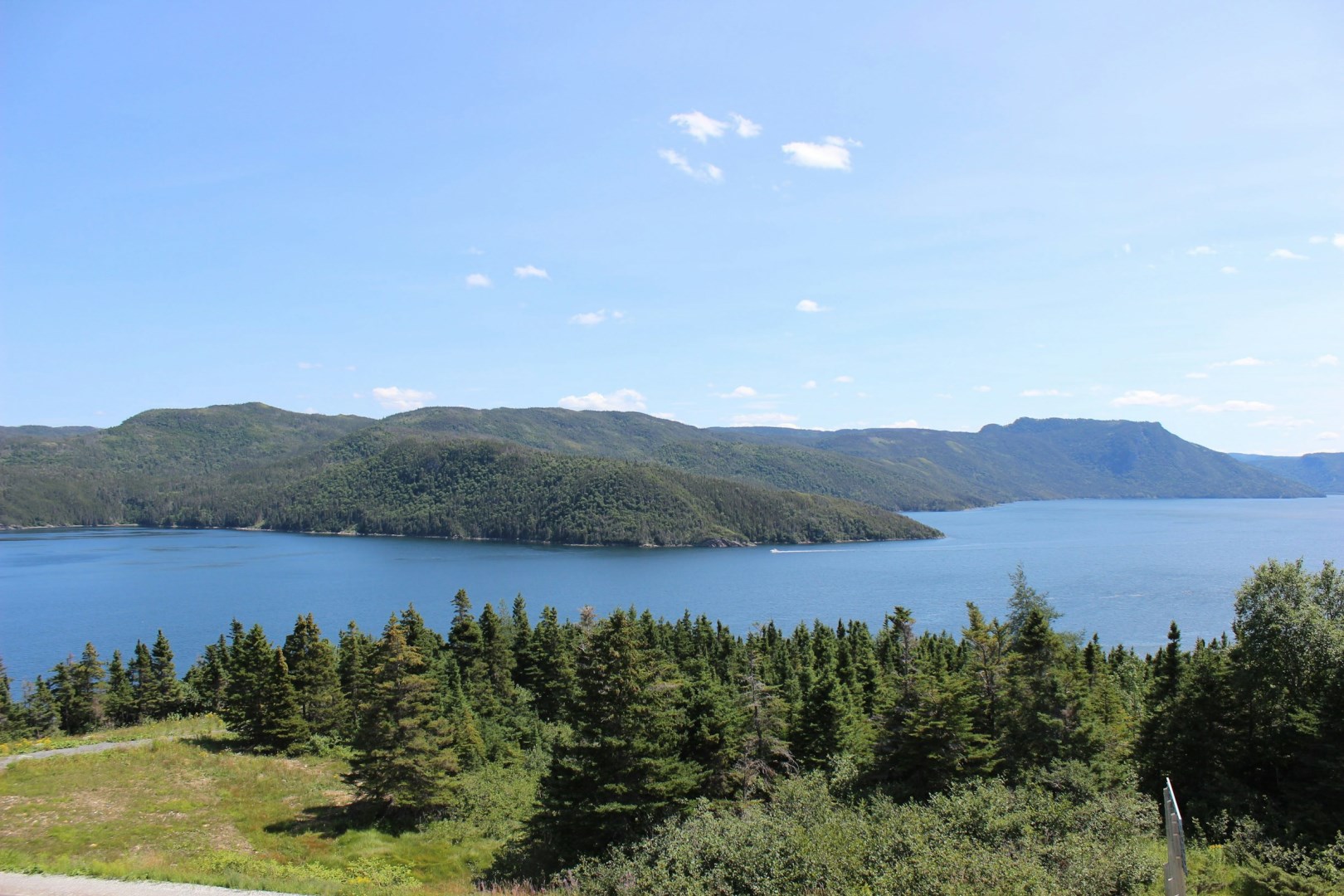
Woody Point is a small coastal community on Bonne Bay in western Newfoundland, surrounded by the landscapes of Gros Morne National Park. Its waterfront is lined with historic homes and buildings, while the Woody Point Lighthouse marks the shoreline and the town’s heritage district preserves five registered structures.
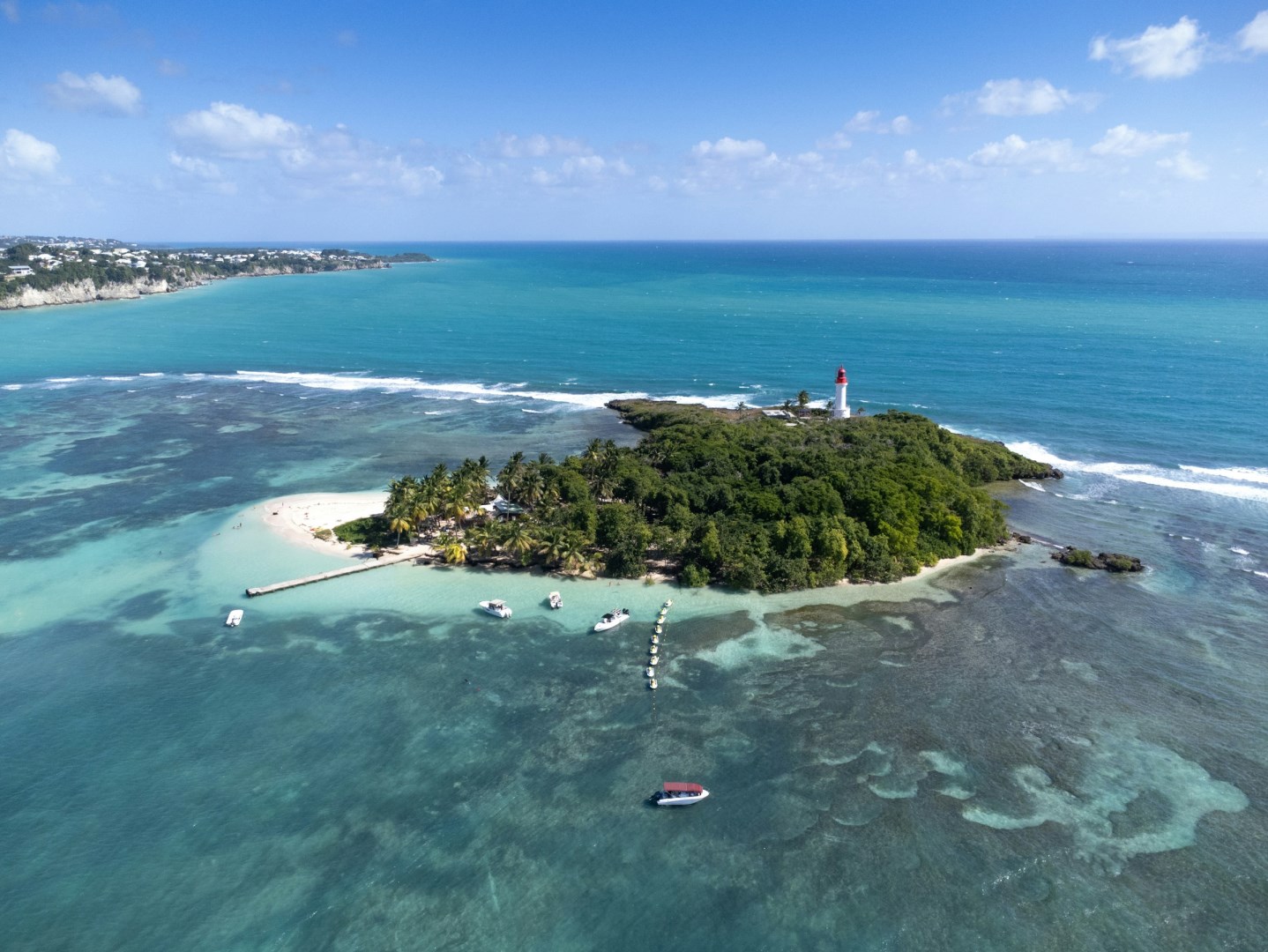
Gosier, the largest tourist area, has the works - casino, resort hotels, scalloped sandy coves and an original village center which has managed to retain its local character.
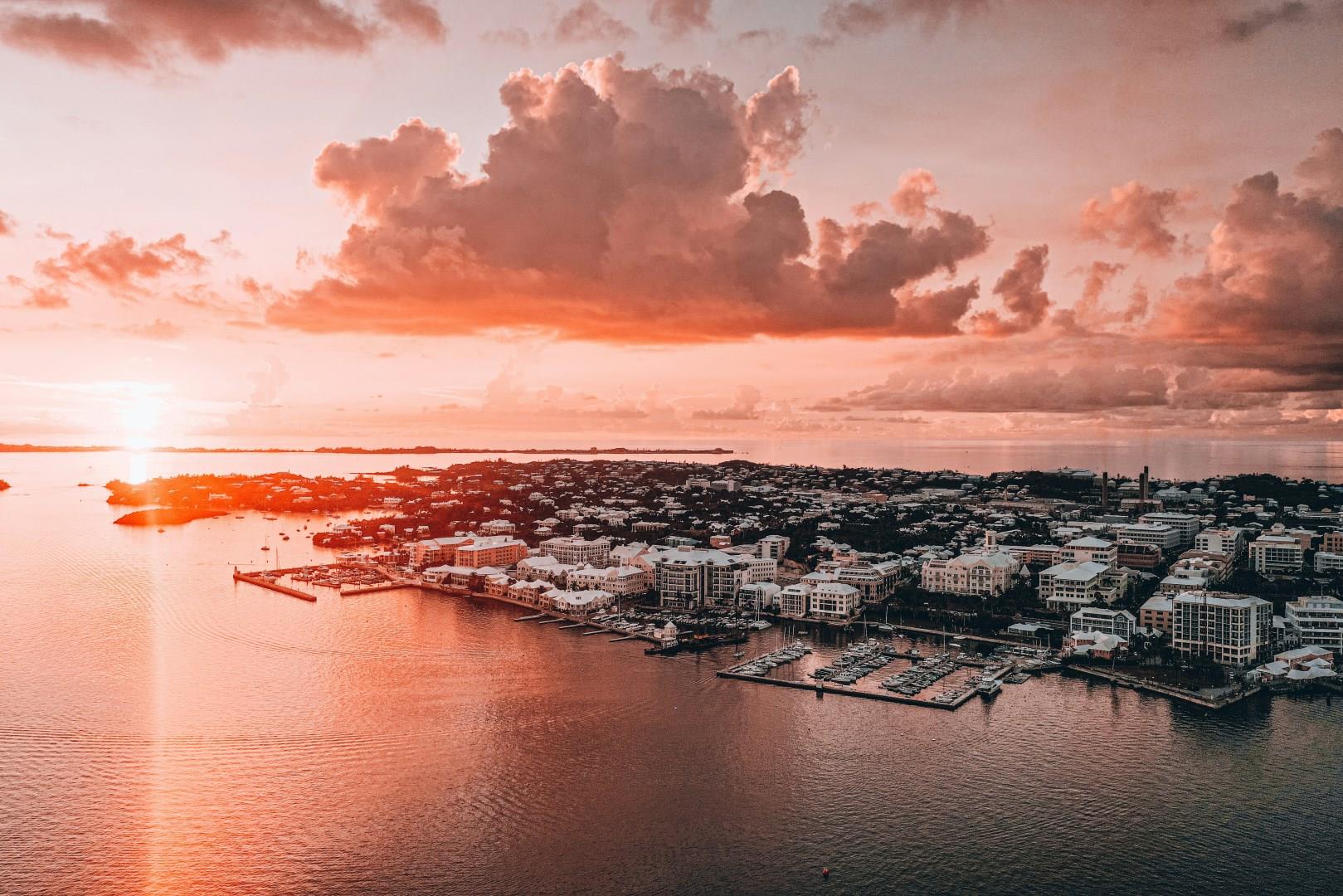
Hamilton, the capital of Bermuda, is the island’s lively cultural and commercial heart. Established in 1793, the city blends colonial charm with a modern island vibe, framed by pastel buildings and a picturesque harbor.
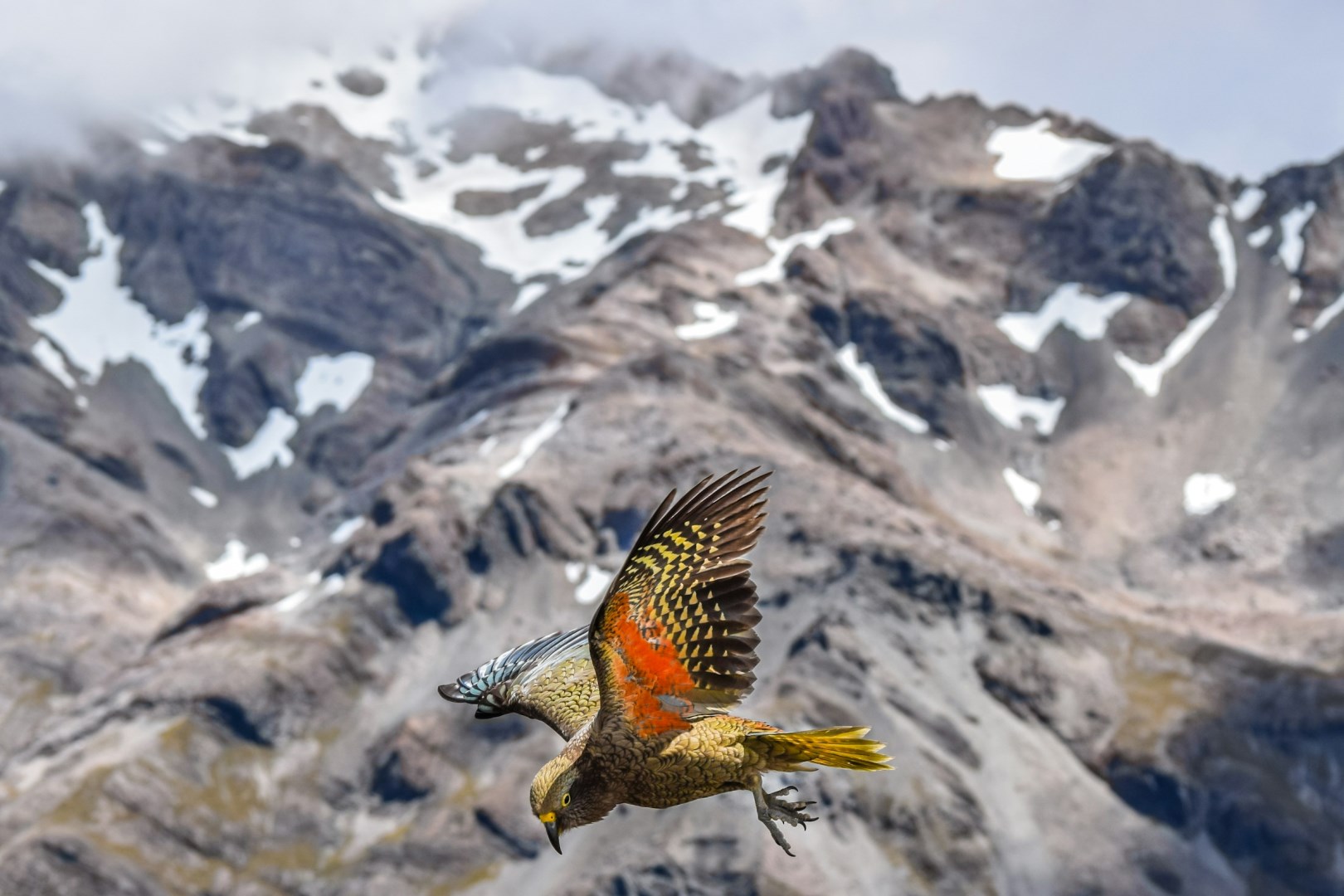
Arthur’s Pass is a small alpine village in the Southern Alps of New Zealand’s South Island, positioned within Arthur’s Pass National Park between Canterbury and the West Coast. State Highway 73 and the TranzAlpine railway cross the mountains here, following a route shaped by steep valleys, braided rivers, and high peaks.
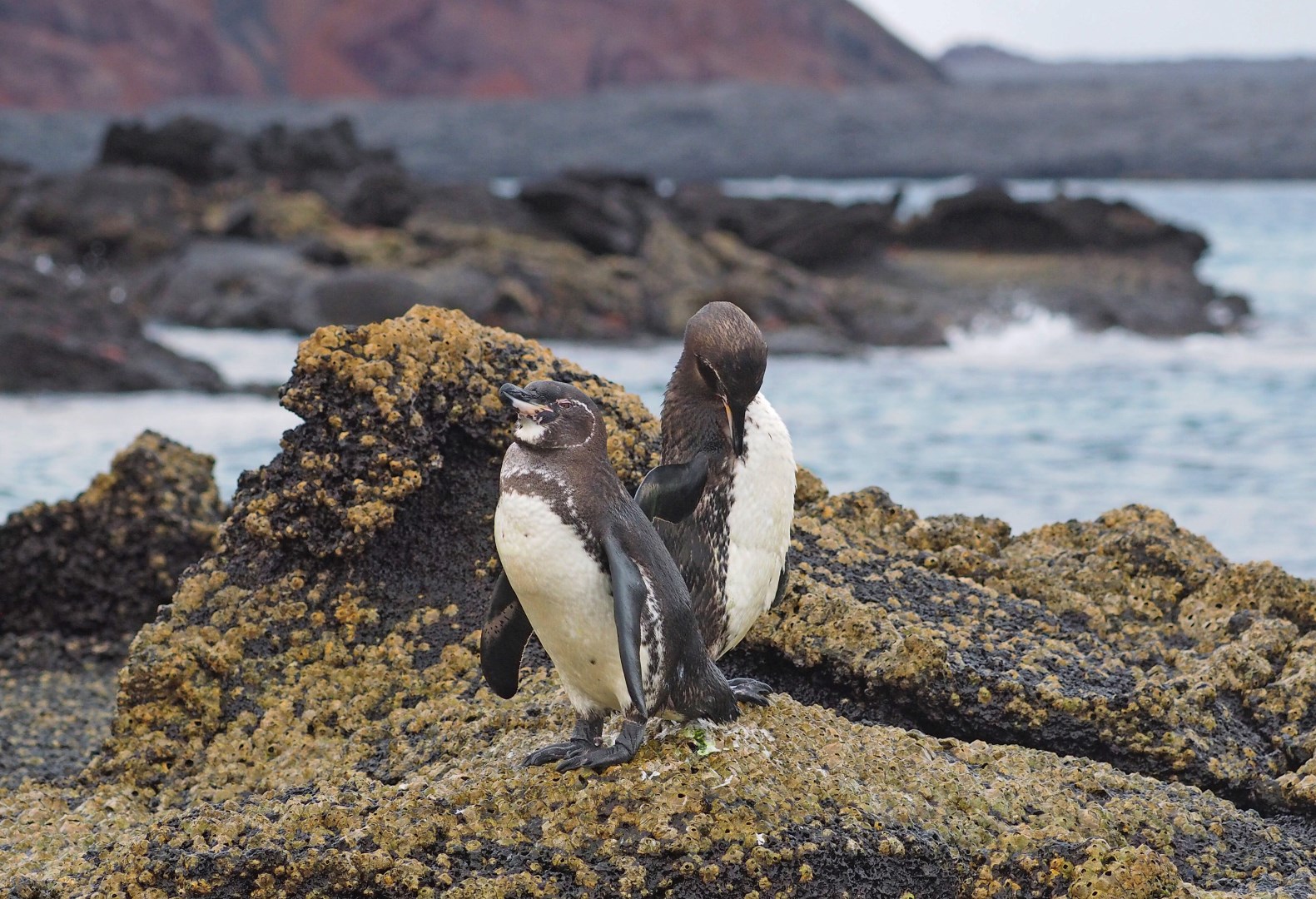
Besides being one of the largest and most remote of the Galapagos Islands, Fernandina Island is home to the area's most active volcano. It also boasts the most pristine ecosystem; unlike other islands in the Galapagos, Fernandina has thus far avoided the introduction of any non-native mammal species.
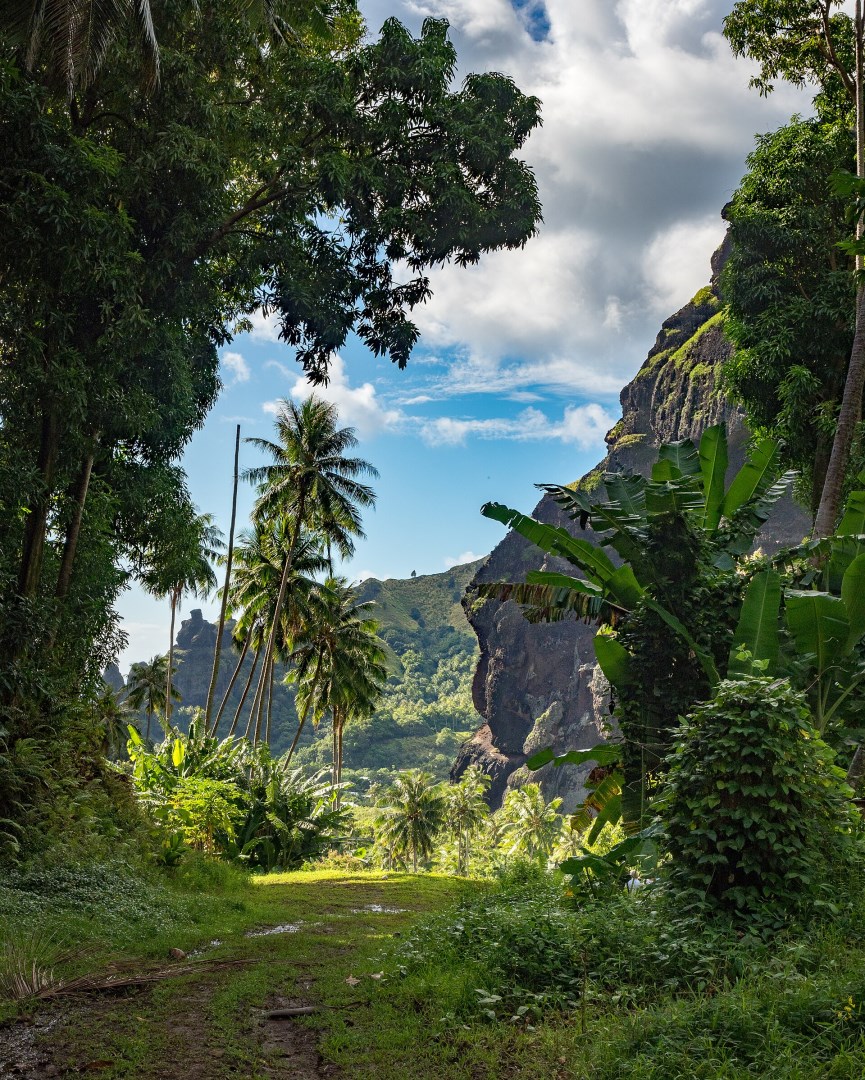
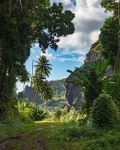
Fatu Hiva, the southernmost of the Marquesas Islands, is a destination that feels like stepping back in time to a world untouched by modernity. This remote island is known for its breathtaking landscapes, where lush, verdant mountains rise dramatically from the deep blue sea. The iconic Bay of Virgins (Baie des Vierges) is one of the most stunning anchorages in the world, with towering rock spires that give the bay its ethereal beauty. Visitors to Fatu Hiva can explore this awe-inspiring bay by boat or on foot, discovering hidden waterfalls and secluded beaches along the way.
The island’s small village of Omoa offers a glimpse into traditional Marquesan life, with its charming thatched-roof houses and warm, welcoming locals. Artisans in Omoa are skilled in crafting tapa, a traditional cloth made from the bark of mulberry trees, often adorned with intricate designs that reflect the island's rich cultural heritage. Travelers can visit local workshops to observe the making of these unique pieces and perhaps take home a one-of-a-kind souvenir.
Adventure enthusiasts will be captivated by the hiking opportunities on Fatu Hiva. The island’s rugged terrain is crisscrossed with trails that lead to panoramic viewpoints, dense forests, and ancient archaeological sites. One of the most popular hikes is the trail from Omoa to Hanavave, which passes through lush valleys, towering cliffs, and offers spectacular views of the island’s coastline. This hike is not only a physical challenge but also a journey through the island’s past, as many trails were once used by the Marquesans for trade and communication.
Fun fact: Fatu Hiva is famous for being the starting point of Thor Heyerdahl's 1937 expedition that led to his bestselling book "Fatu-Hiva: Back to Nature". Heyerdahl and his wife attempted to live off the land in this remote paradise, drawing global attention to the island's pristine beauty and unique way of life.
Other Popular Destinations in Marquesas Islands
Nuva Hiva
Nuku Hiva, the largest island in the Marquesas archipelago, offers an unparalleled escape into Polynesian paradise. This rugged island is renowned for its dramatic landscapes, characterized by lush valleys, towering cliffs, and volcanic peaks.
Hiva Oa
Hiva Oa, one of the most enchanting islands in the Marquesas archipelago, is a destination where natural beauty and cultural richness converge. Known as the “Garden of the Marquesas,” Hiva Oa is a lush, verdant paradise, dotted with towering cliffs, deep valleys, and an endless array of tropical flora