Manila is the capital of the Philippines and a densely built city on the eastern shore of Manila Bay. It serves as a major center for government, commerce, education, and the arts, while its neighborhoods reveal different layers of Filipino life. The Pasig River connects the city to the wider metropolitan area, and the waterfront remains an important part of its setting. Manila is especially known for Intramuros, the walled historic district at the heart of the city.
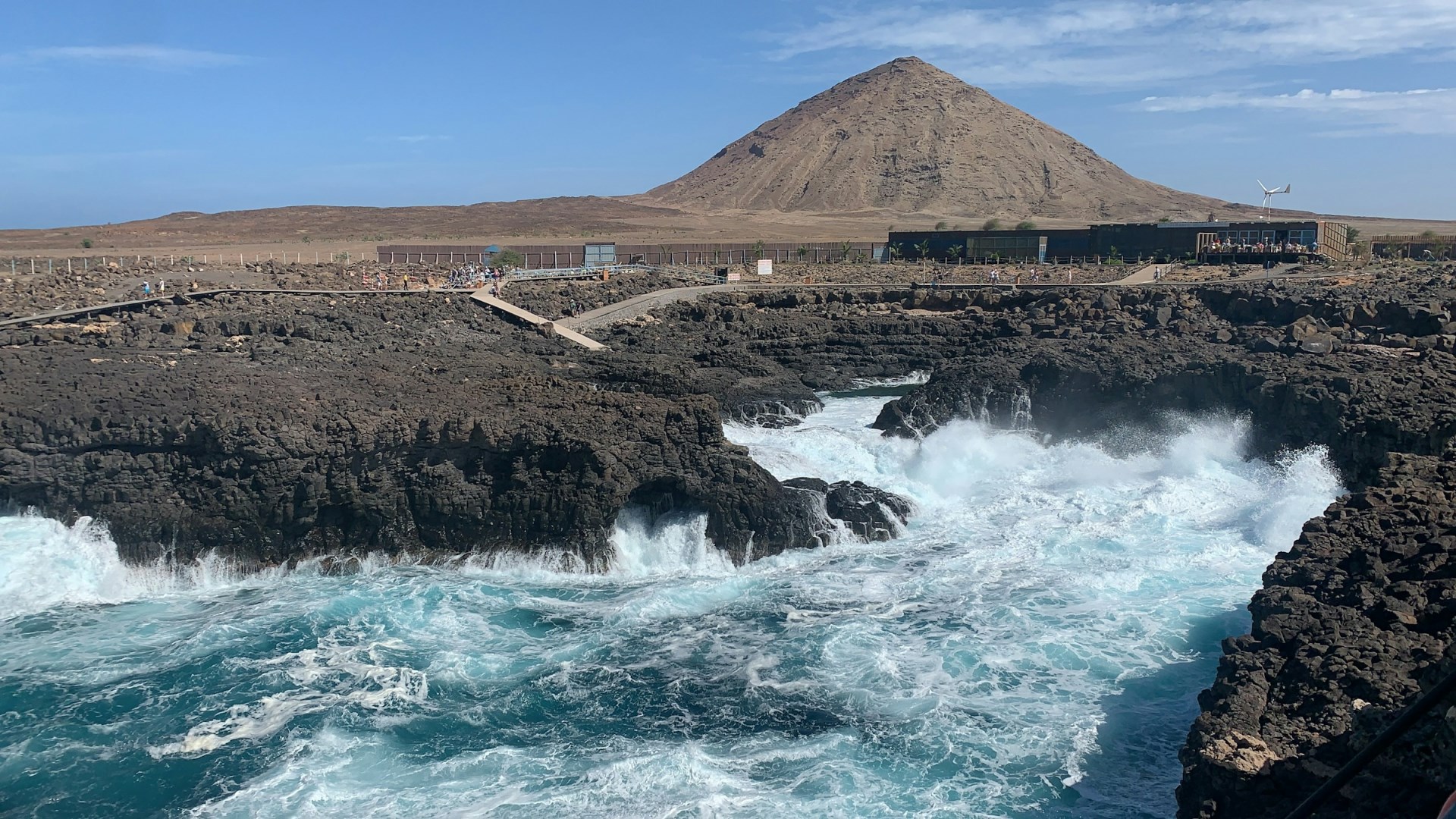
Sal is a relatively flat, dry island in Cabo Verde, known for its broad beaches, volcanic landscapes, and strong connection with the sea. Its main urban centers are Espargos, the island’s administrative capital, and Santa Maria, a coastal town that developed around fishing and salt production and is now the island’s principal tourism center.
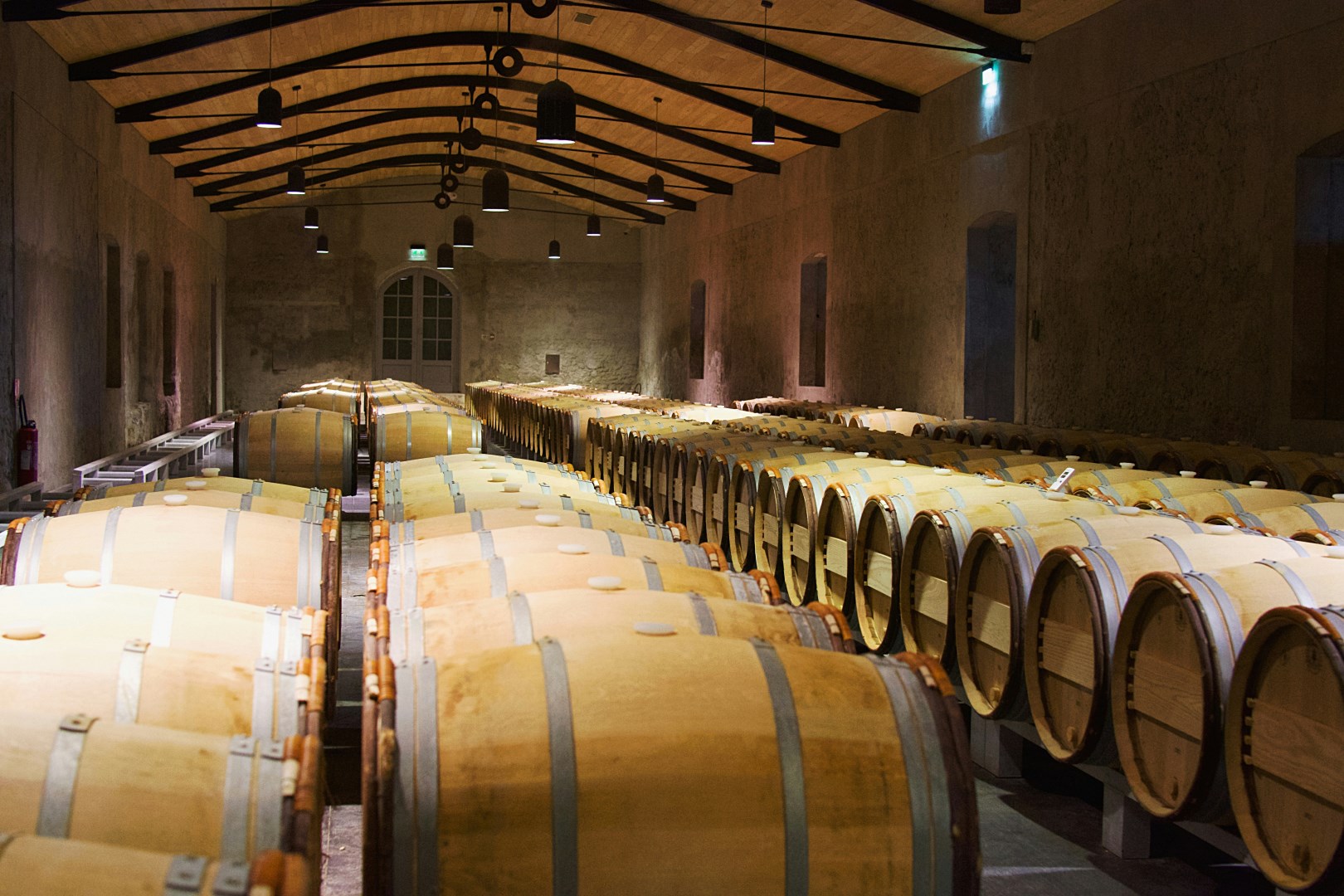
Médoc is a peninsula in southwestern France, located between the Atlantic Ocean and the Gironde estuary, north of Bordeaux. It is widely recognized for its vineyards, which produce some of the country’s most established wines, particularly red varieties based on Cabernet Sauvignon and Merlot.
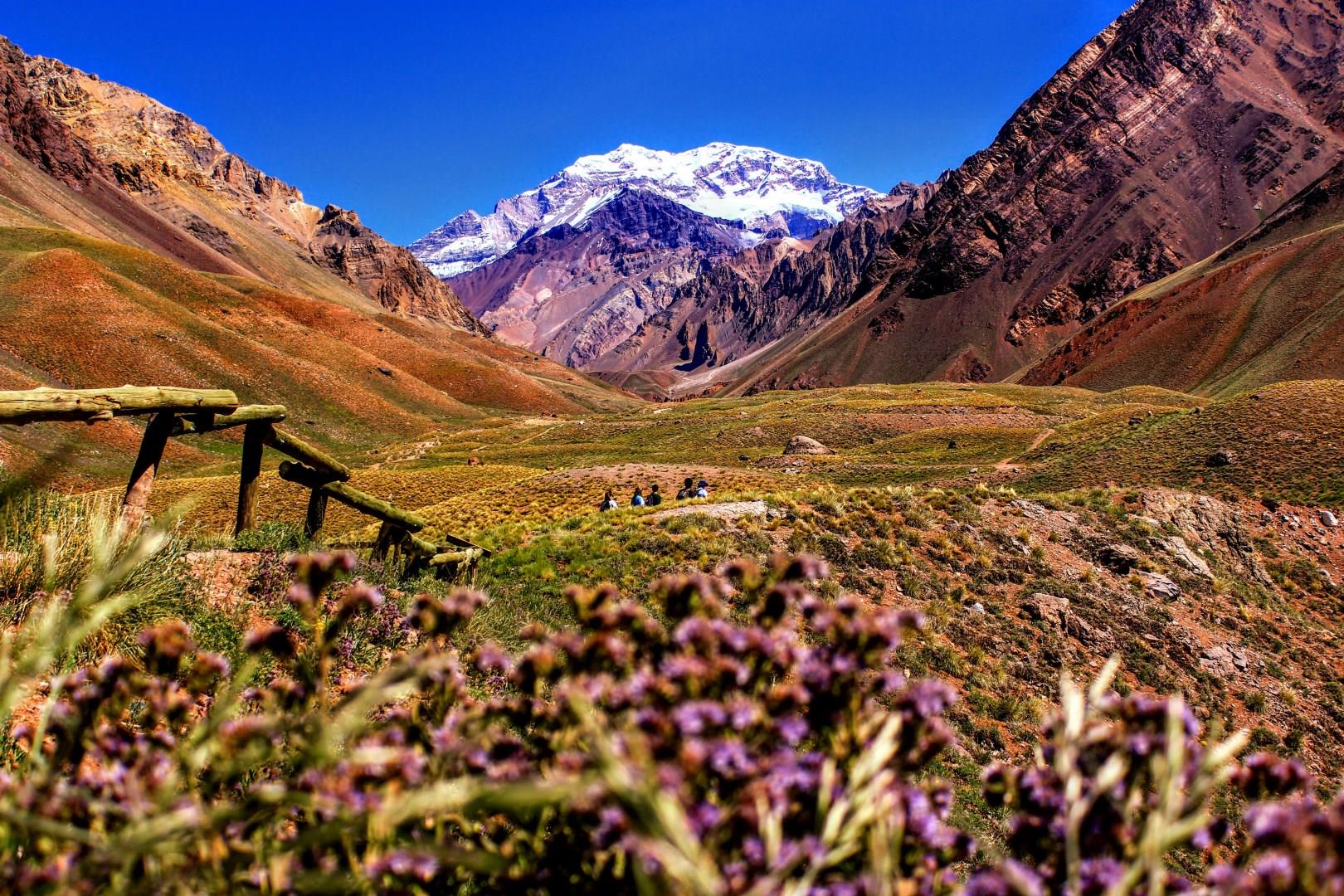
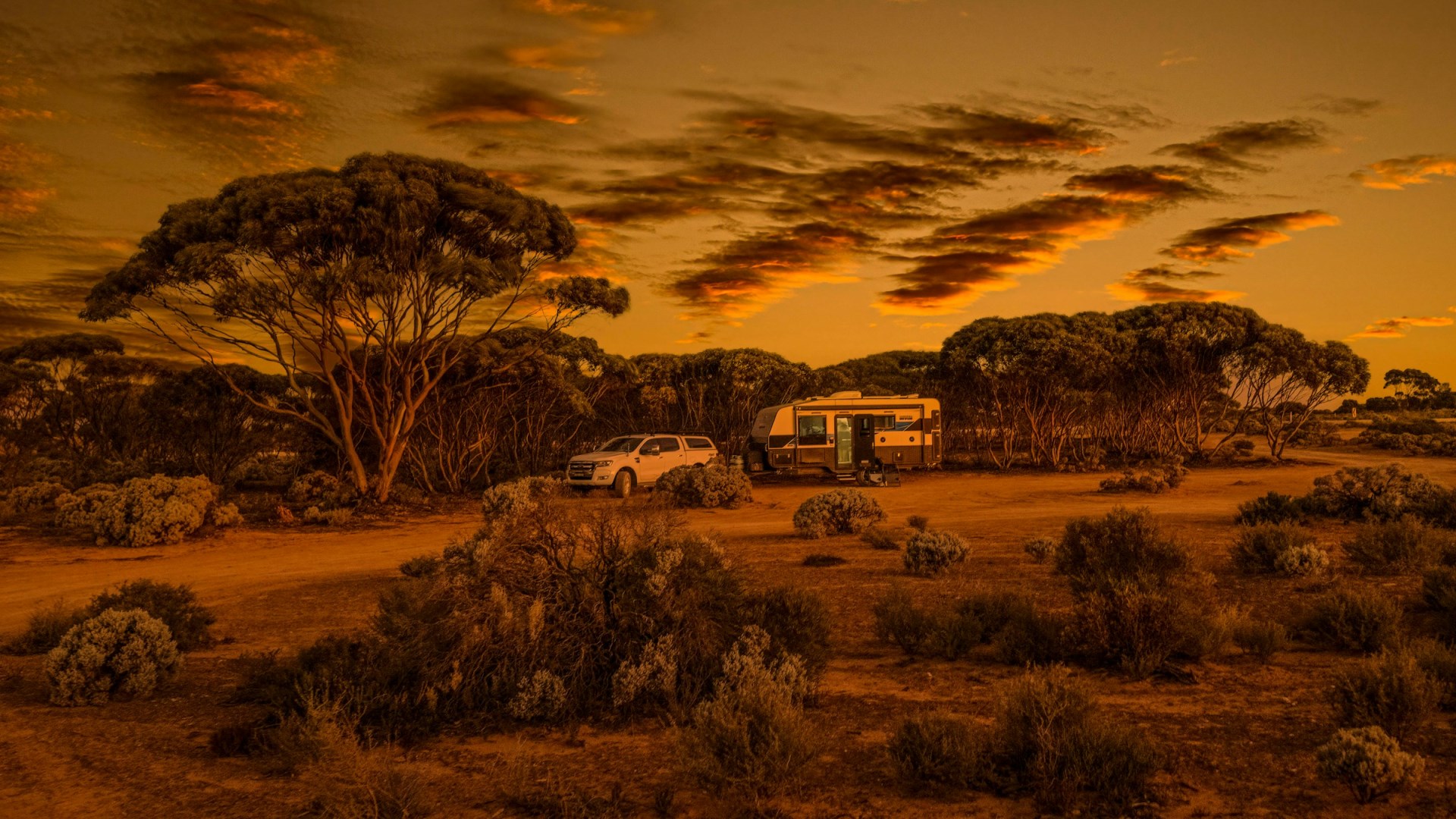
The Australian Outback is a broad term for the sparsely settled rangelands and remote landscapes that extend across much of the continent. Rather than being a single desert, it includes arid plains, red-earth deserts, mountain ranges, rocky gorges, tropical savannas, salt lakes, and river country.
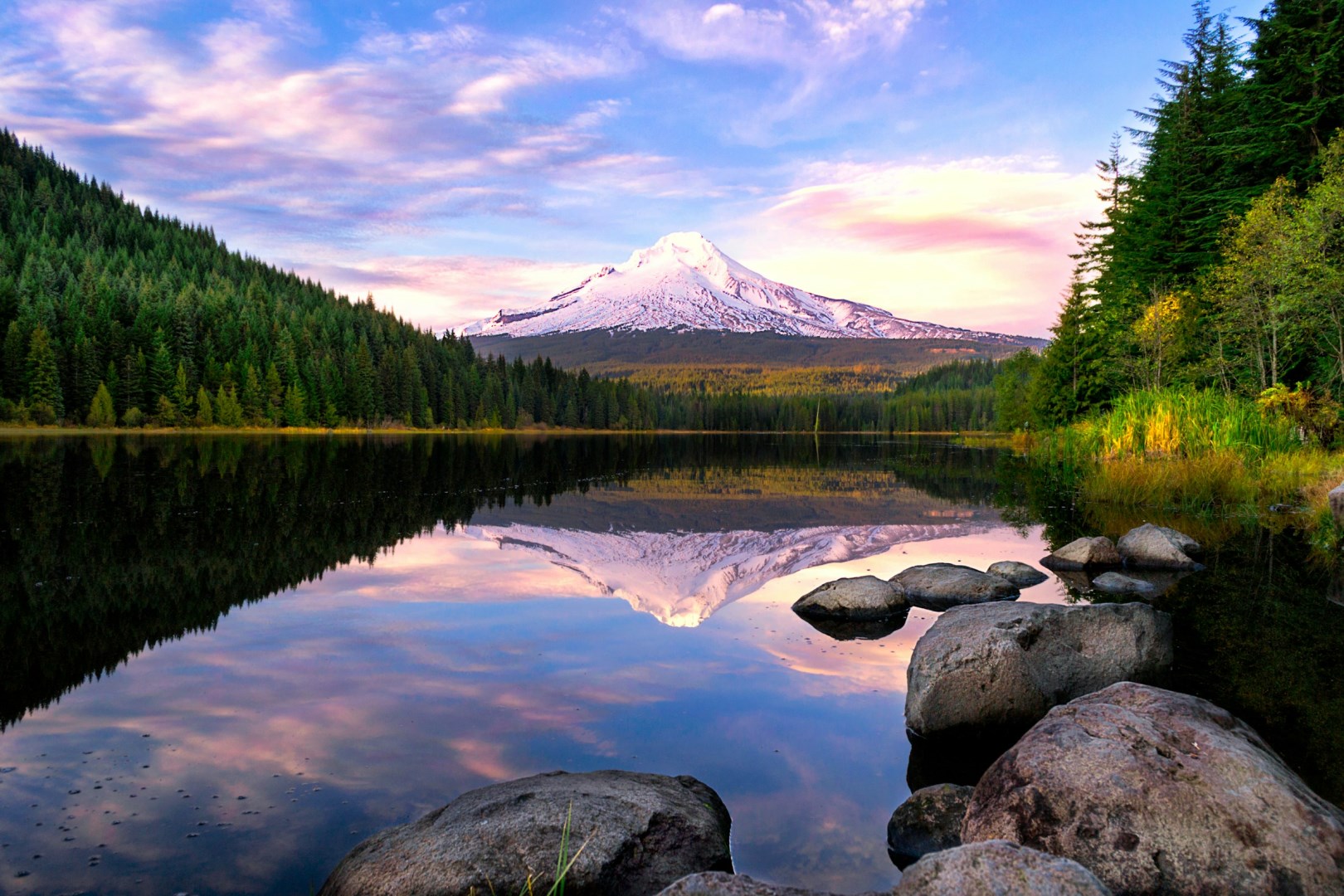
Nestled in the heart of the Pacific Northwest, Mt. Hood, Oregon, is a stunning natural playground renowned for its diverse outdoor activities and breathtaking landscapes. In winter, Mt. Hood transforms into a skiing and snowboarding paradise at Timberline Lodge, which boasts the longest ski season in North America. The lodge itself is a historic gem, built in the 1930s and featured in the iconic film "The Shining."
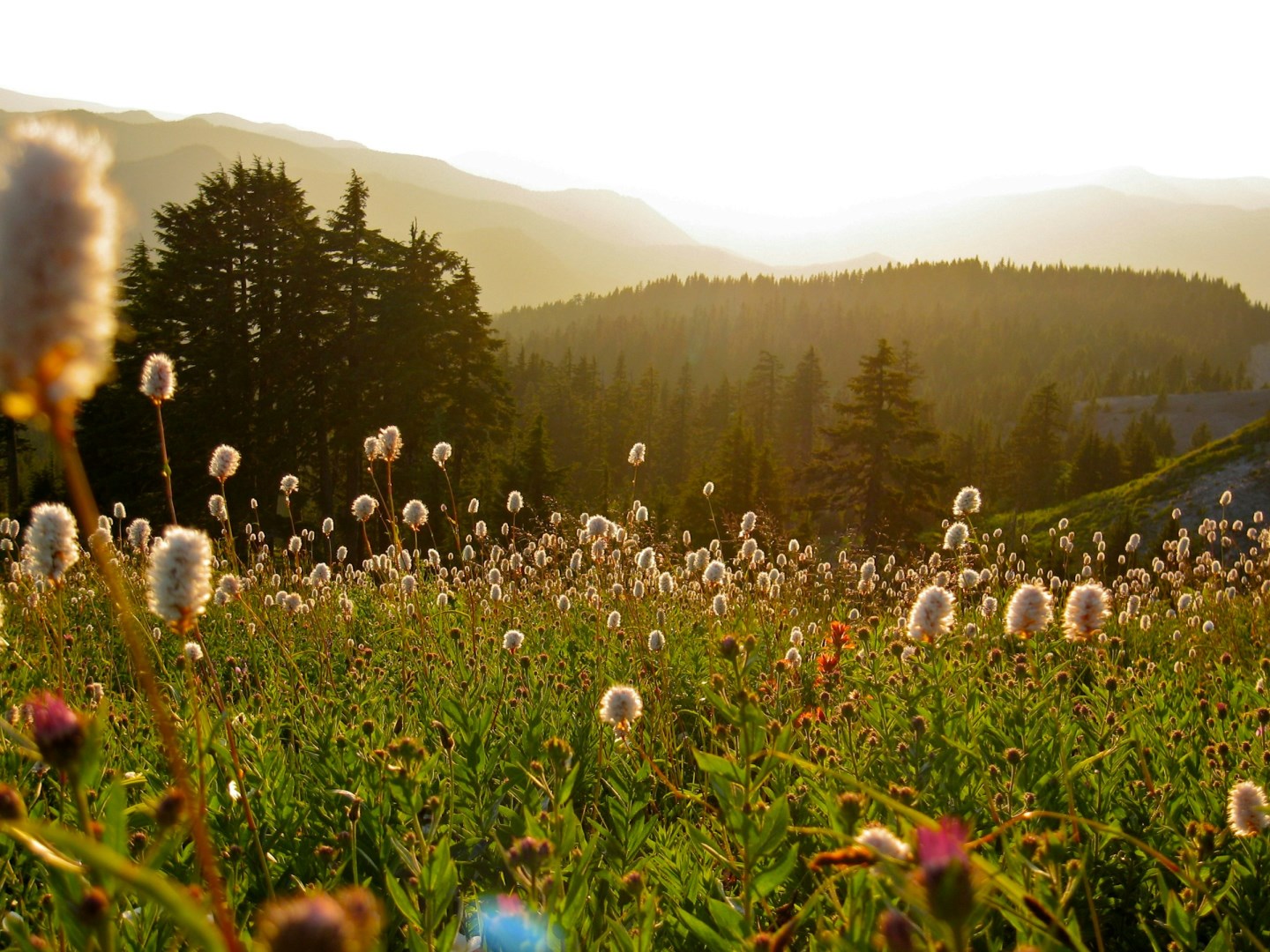
During the summer months, Mt. Hood’s stunning terrain is ideal for hiking, mountain biking, and climbing. The Timberline Trail offers a spectacular loop around the mountain, showcasing alpine meadows, glaciers, and lush forests. For a less strenuous but equally rewarding experience, visitors can explore the serene Trillium Lake, perfect for fishing, kayaking, and picnicking with a backdrop of Mt. Hood's reflection on the water.
The local charm of the nearby town of Government Camp adds to the area's appeal. This quaint mountain village provides cozy accommodations, local dining, and a welcoming atmosphere.
A fun fact about Mt. Hood is that its name comes from the Hood River, which was named by British explorer Captain Robert Gray in honor of his friend, Vice Admiral Samuel Hood. The area's unique blend of historical and natural attractions makes Mt. Hood a captivating destination for outdoor enthusiasts and history buffs alike. For the best experience, visit during the spring or fall to enjoy mild weather and fewer crowds.
Other Popular Destinations in Oregon
Portland, Oregon
Portland, Oregon, is a city where natural beauty and urban innovation coexist harmoniously. Nestled between the Columbia and Willamette Rivers and framed by volcanic mountains, Portland offers an array of outdoor adventures alongside its renowned cultural scene. Visitors can explore the lush expanses of Forest Park, one of the largest urban forests in the U.S., or take a leisurely stroll through the Portland Japanese Garden, which showcases exquisite traditional Japanese landscape design.
Astoria
Astoria, Oregon is the state's oldest city. Located on the Columbia River near the Pacific Ocean, Astoria is rich in history, including fishing, canning and the Lewis and Clark Expedition.