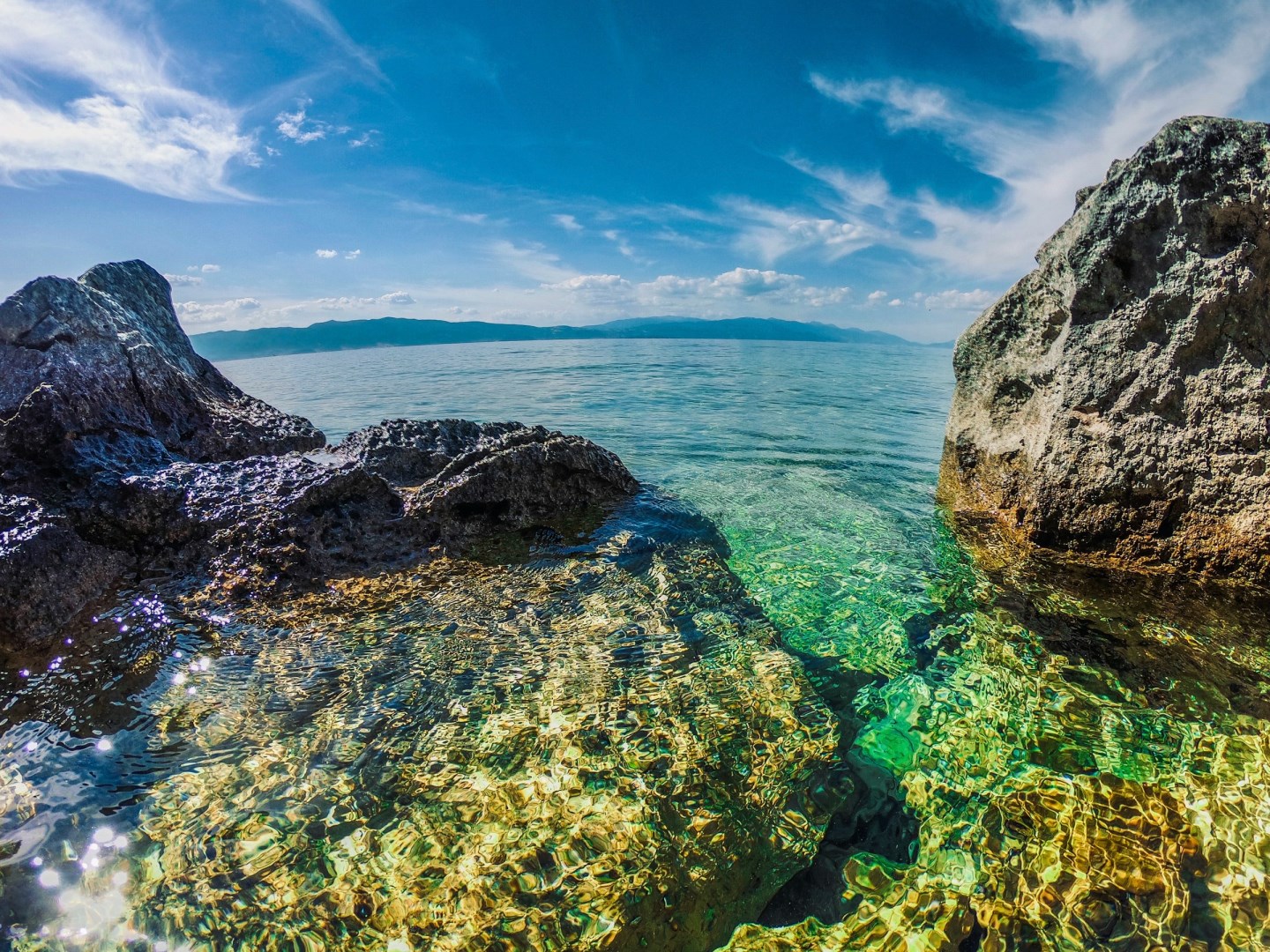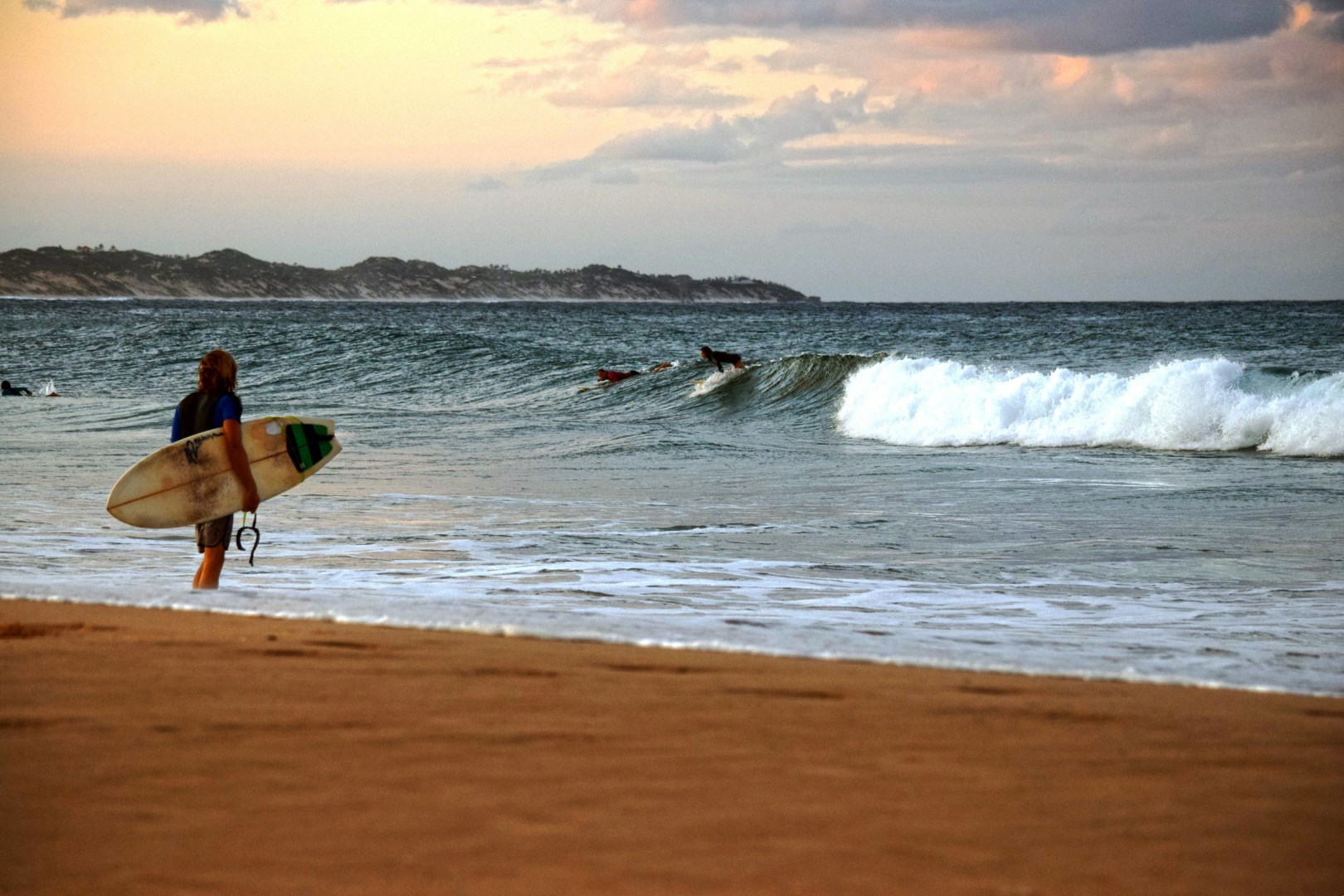
Tofo Beach
Tofo Beach is a coastal village and beach destination in Inhambane Province, southern Mozambique, overlooking the Indian Ocean. The settlement is known for its broad sandy beach, warm water, coastal dunes, and strong connection to marine activities. Tofo has a relaxed village setting with restaurants, guesthouses, small shops, and local markets close to the shore. Its location near Inhambane city makes it one of the province’s best-known coastal destinations.
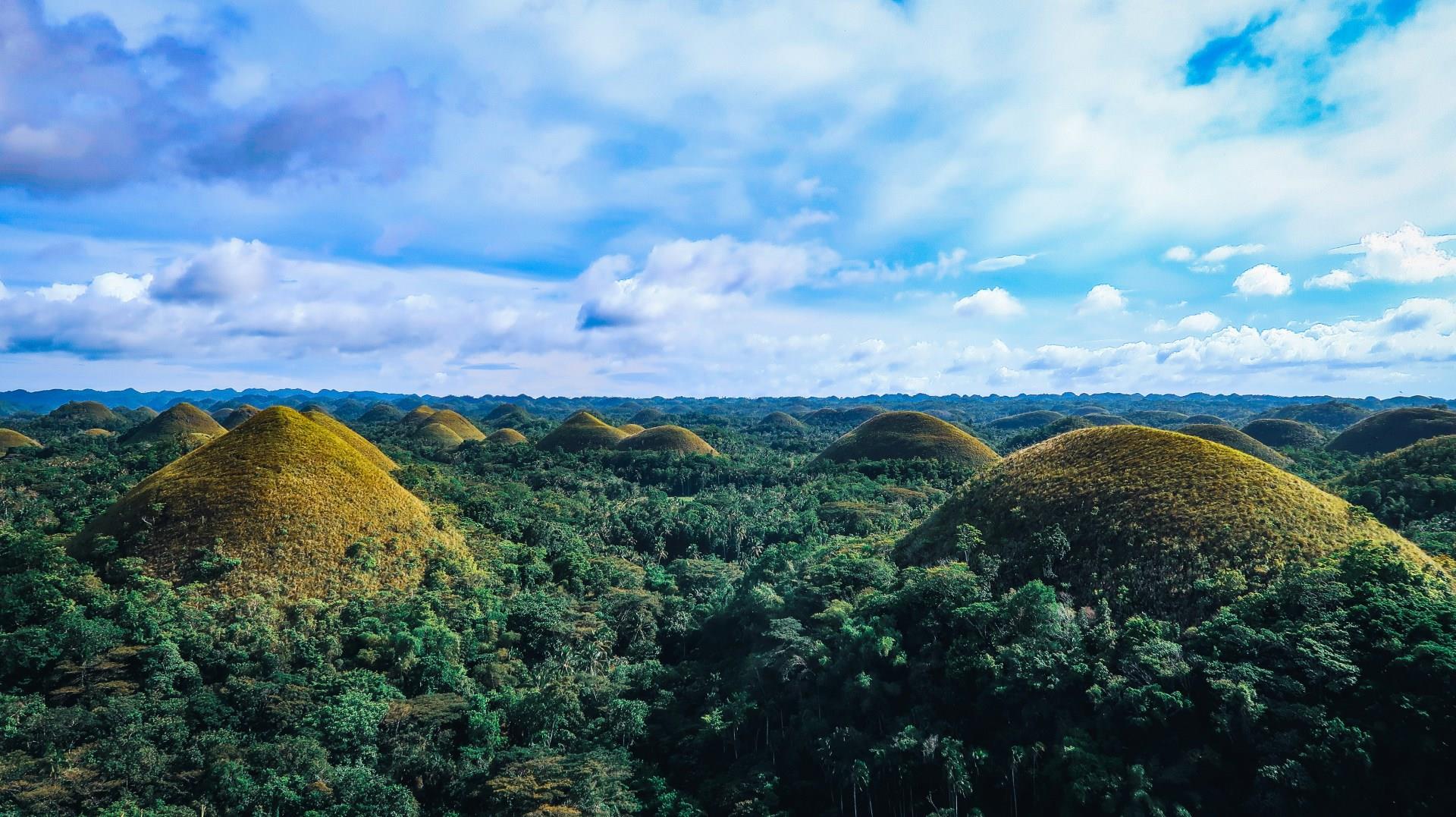
Bohol
Bohol sits in the central Philippines, shaped by early Spanish contact and long-established rural communities. The island is known for its historic churches and for maintaining strong ties to agriculture and local governance, which have helped preserve a sense of continuity.
Butre
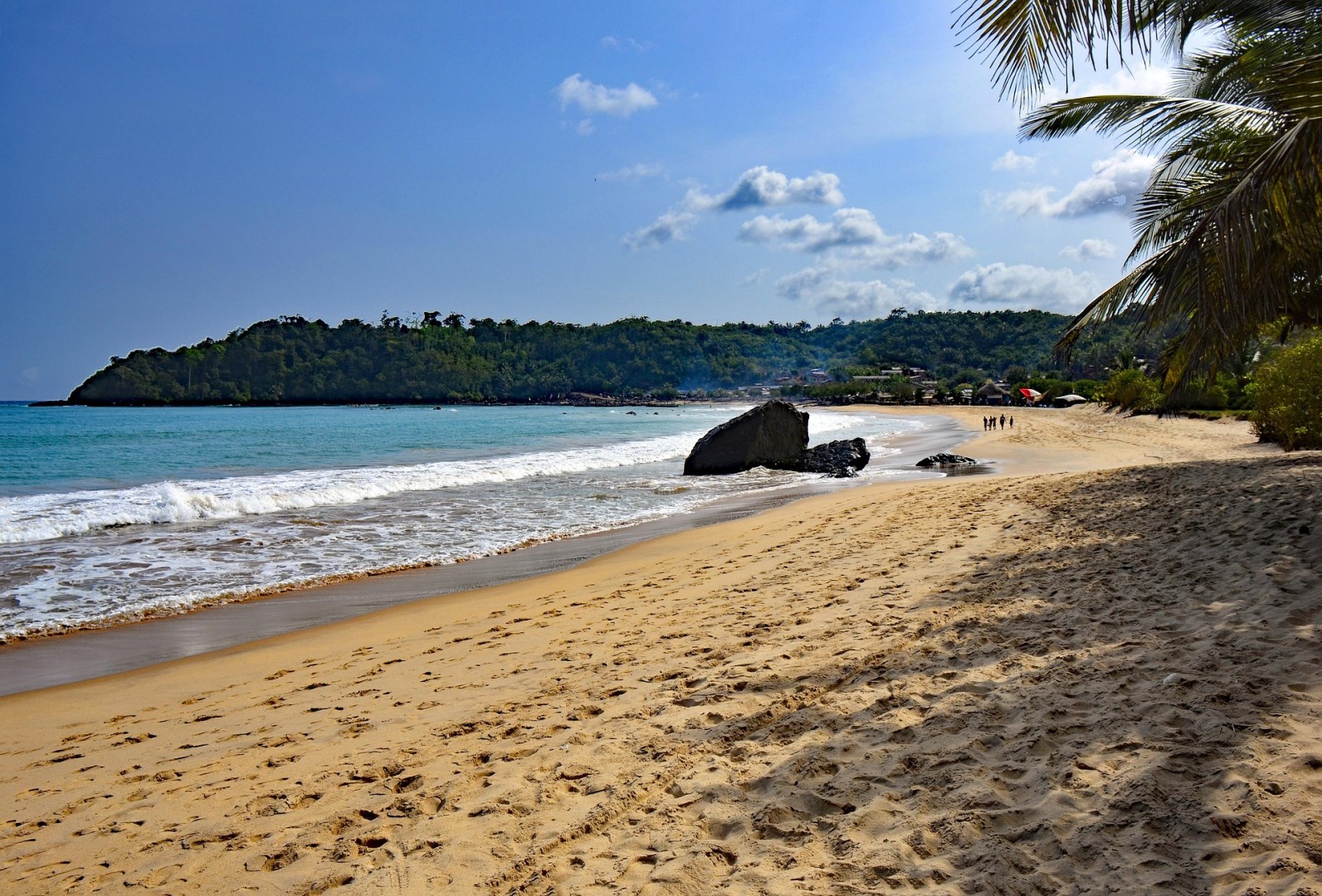
Butre is a small coastal village in Ghana’s Western Region, set around the Butre River near the Atlantic Ocean. Its landscape combines a fishing settlement, forested hills, wetlands, and a broad sandy shoreline. The village is known especially for Fort Batenstein, which stands on a hill overlooking the coast and the surrounding countryside. Fishing remains an important part of local life, while the nearby river creates a sheltered setting for small boats and canoes.
Murghab
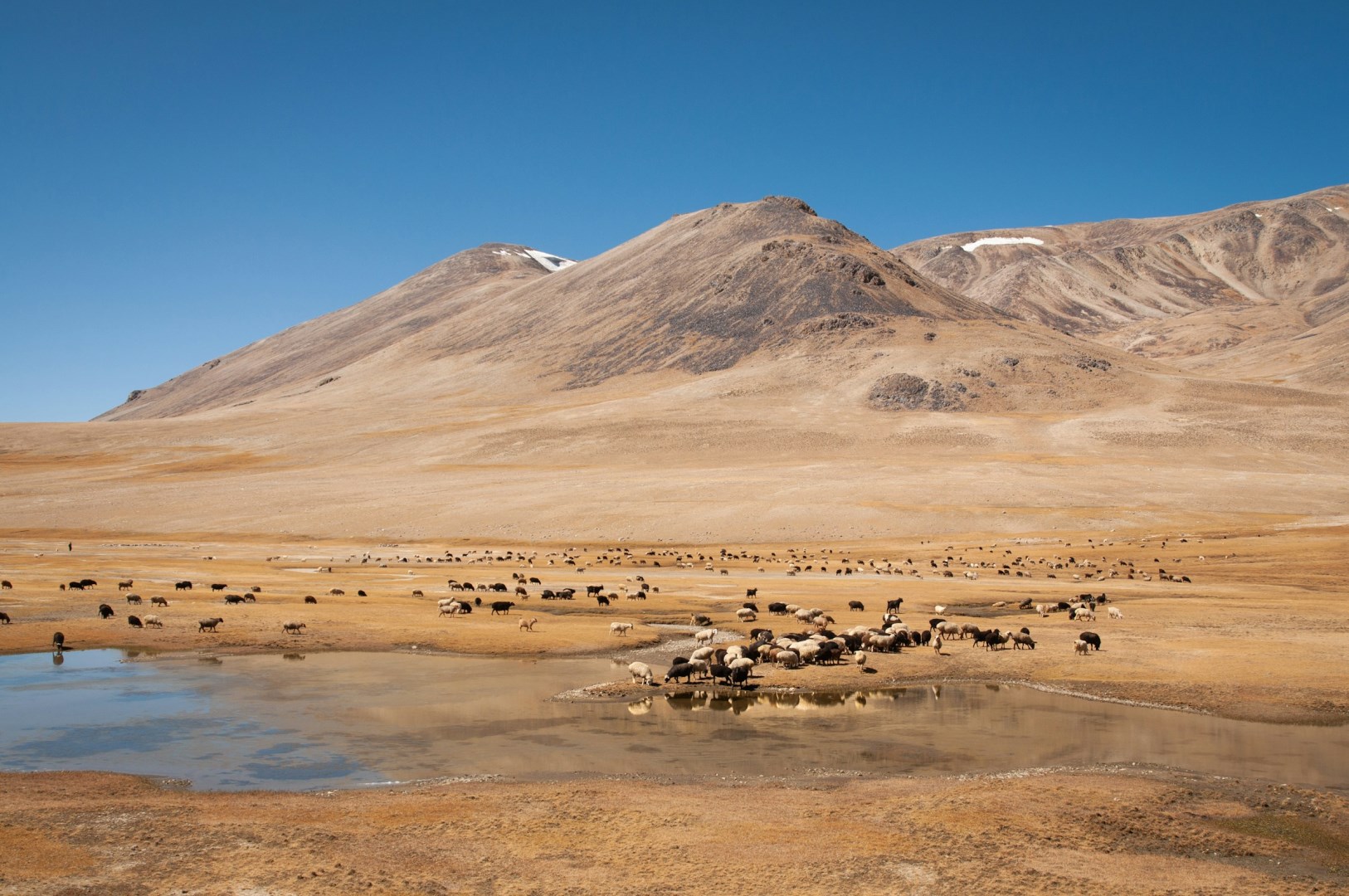
Murghab is a remote mountain town in eastern Tajikistan, located in the high-altitude Pamirs of the Gorno-Badakhshan Autonomous Region. It sits within a broad, dry landscape of gravel plains, mountain ranges, and sparse alpine vegetation, where trees are largely absent. Murghab is an important stopping point on the Pamir Highway, connecting eastern and western parts of the Pamirs and continuing toward Kyrgyzstan.
Tunisia
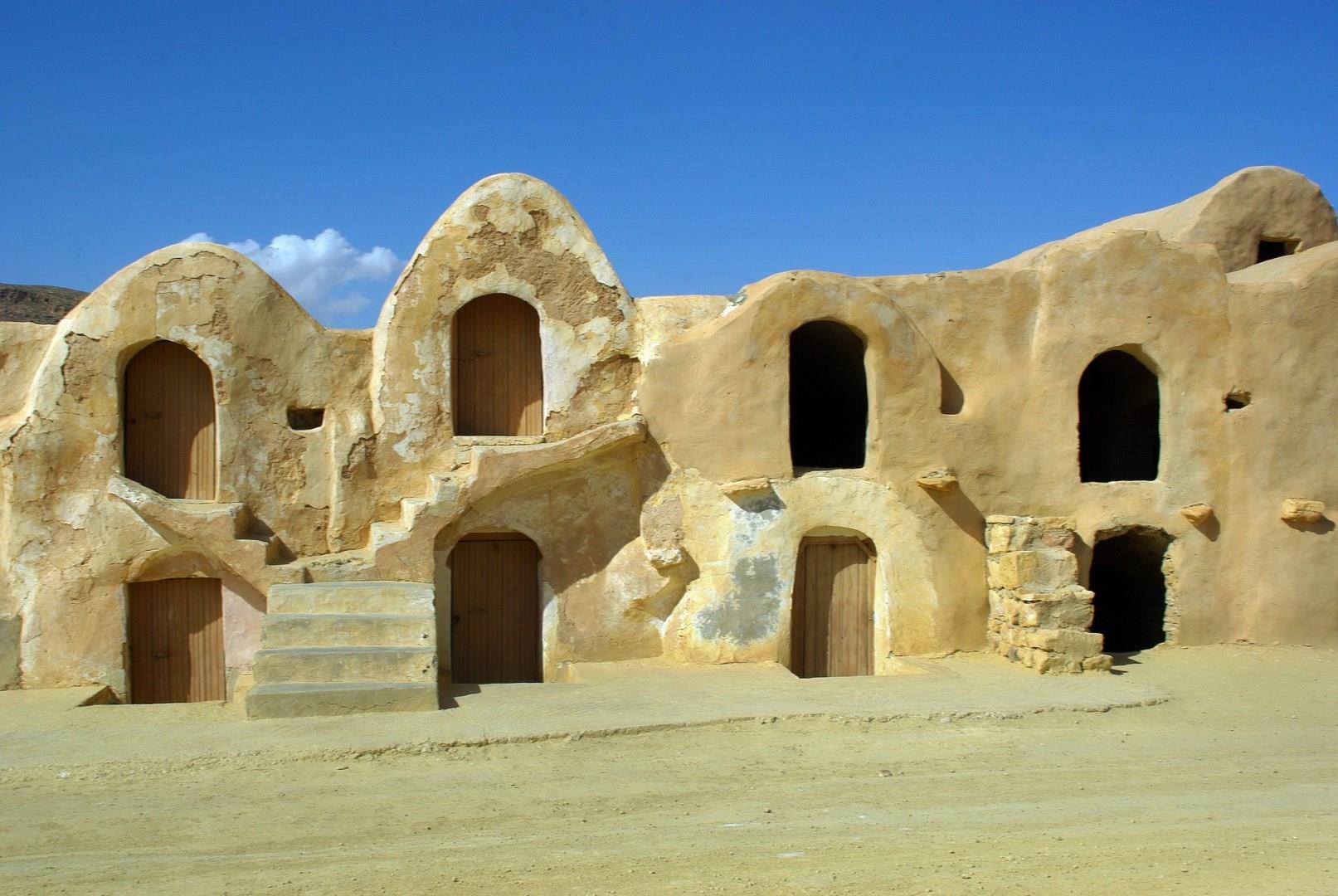
Tunisia, located in North Africa along the Mediterranean coast, offers a mix of desert landscapes, historic cities, and coastal charm. Its Mediterranean beaches, desert oases, and bustling markets provide a variety of experiences for travelers interested in history, culture, and nature.