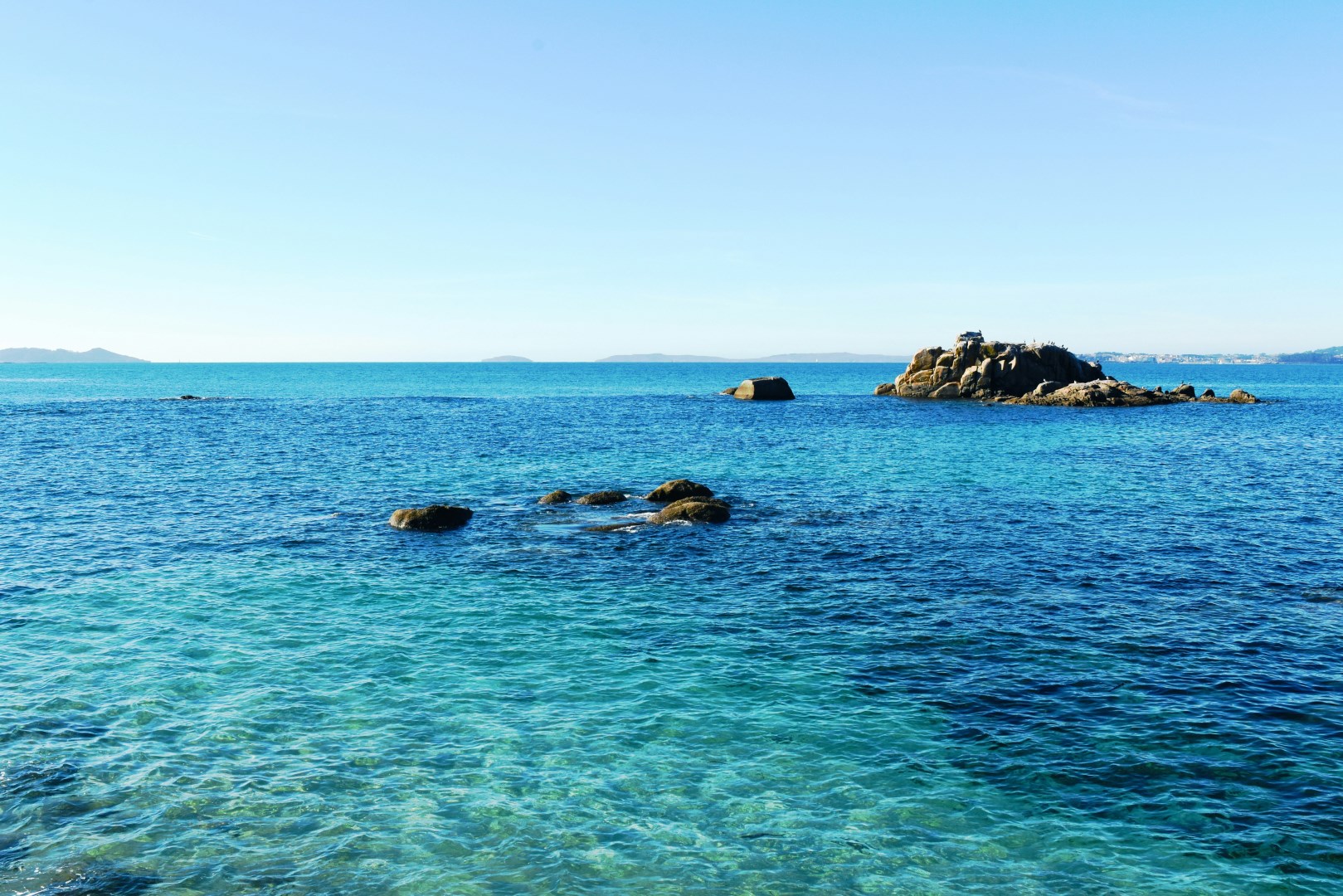
Pontevedra is a historic city in Galicia, in northwestern Spain, set along the Lérez River near the Atlantic coast. It is known for its well-preserved old town and a layout that favors pedestrians, giving the center a calm and accessible feel.
Pristina, the dynamic capital of Kosovo, offers a unique blend of modernity and tradition. The city's skyline is punctuated by landmarks like the Mother Teresa Square, a tribute to the Nobel Peace Prize laureate and humanitarian who was born in Albania but had strong ties to the region. Nearby, the striking Newborn Monument, an ever-changing installation that commemorates Kosovo’s declaration of independence, showcases the country's evolving identity and creativity.
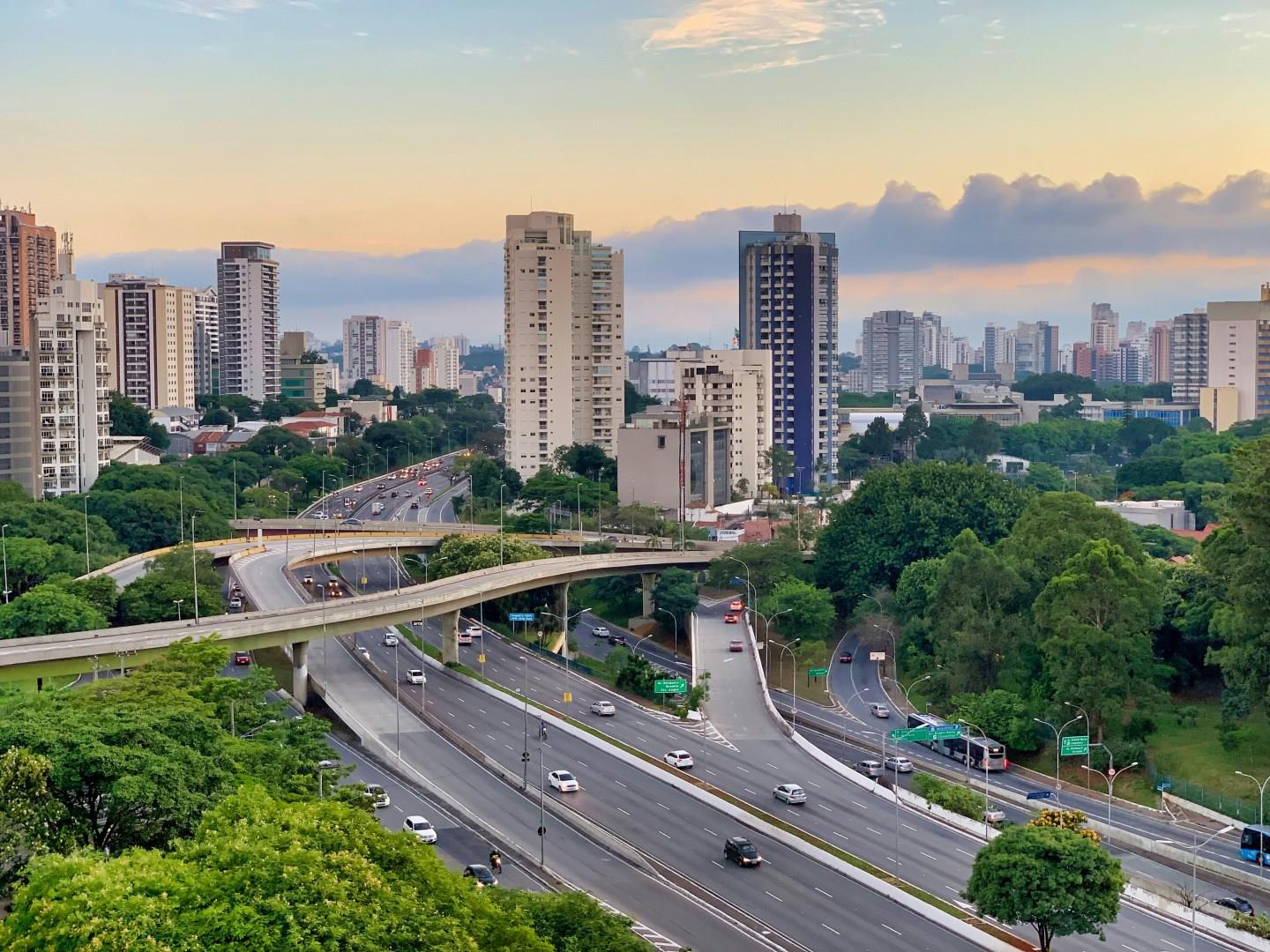
Sao Paulo is Brazil’s largest city and its economic engine, shaped by waves of migration that began in the late 19th century and never truly slowed. Italians, Japanese, Lebanese, and migrants from across Brazil all left visible marks on the city’s neighborhoods, food, and cultural life.
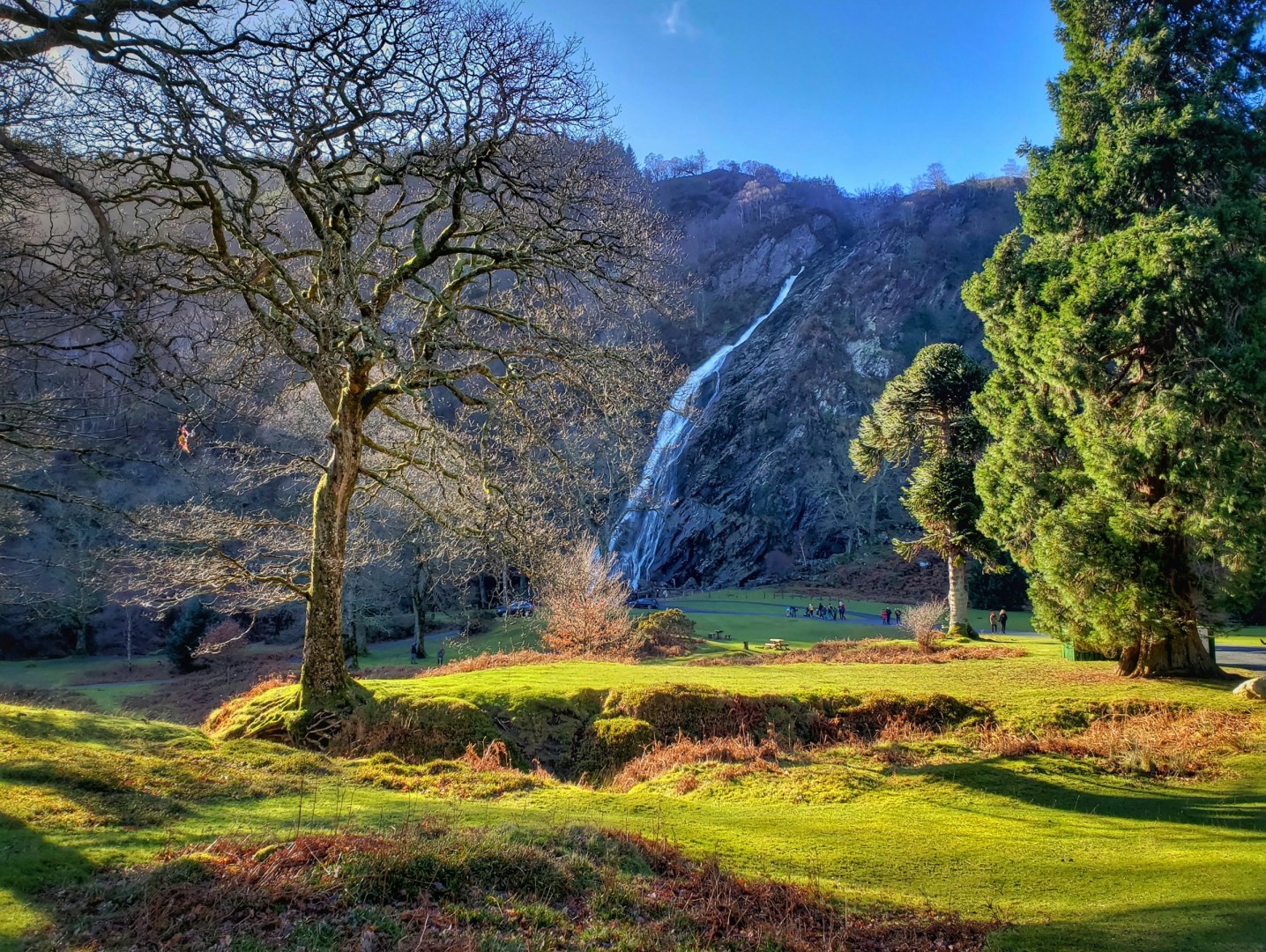
Enniskerry is a small village in County Wicklow, Ireland, set in the foothills of the Wicklow Mountains south of Dublin. Its compact center is arranged around a triangular village green, with stone buildings, traditional shopfronts, cafés, and pubs surrounding the open space. The village is closely associated with the Powerscourt estate, whose entrance lies just beyond the center.
Photo Credit: Photo by Louis Renaudineau on Unsplash
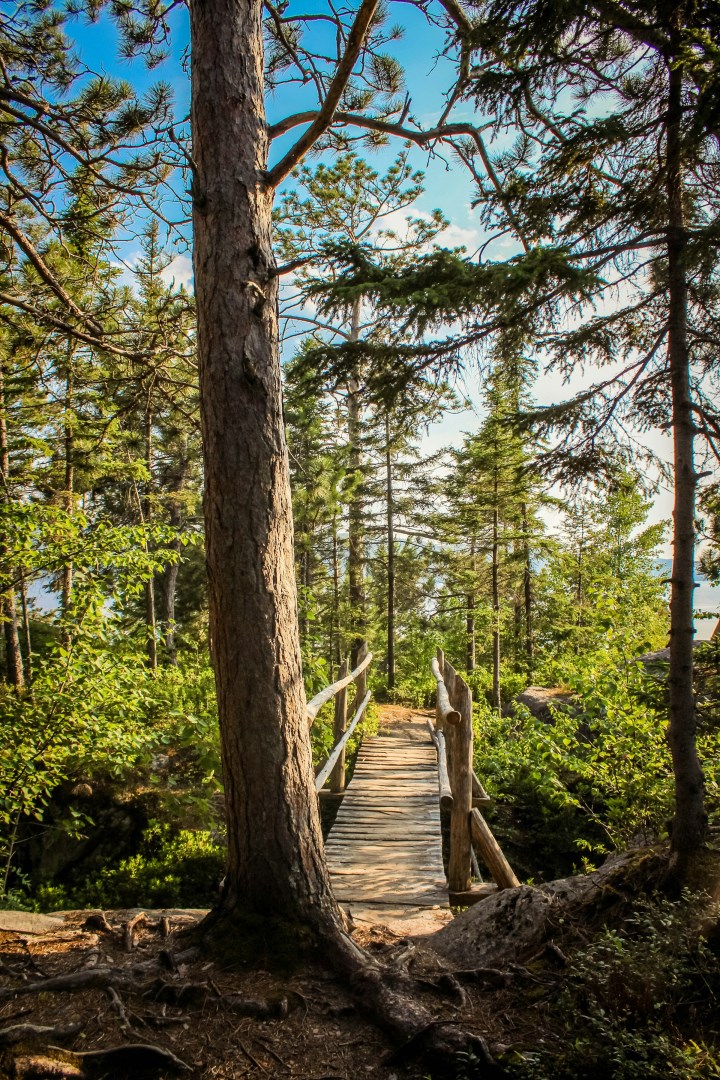
Nestled in the heart of Quebec, Saguenay is a city that invites travelers to experience the perfect blend of natural beauty and vibrant culture. Set along the picturesque Saguenay River, this city is a gateway to the Saguenay Fjord, one of the longest fjords in the world, where steep cliffs rise dramatically from the deep waters. Visitors can explore this majestic landscape by boat, kayak, or even on foot, with numerous trails offering breathtaking views and opportunities to spot wildlife such as belugas and seals.
Saguenay is also rich in cultural experiences. The La Pulperie de Chicoutimi, a former industrial site turned museum, delves into the city’s history, showcasing its transformation from a booming pulp mill town to a cultural hub. The museum also features rotating exhibitions of contemporary art and Quebec heritage, making it a must-visit for art and history enthusiasts (La Pulperie de Chicoutimi). Another cultural gem is the Petite Maison Blanche (Little White House), a symbol of resilience after surviving the catastrophic floods of 1996, which has since become a local museum dedicated to the event (Petite Maison Blanche).
For those seeking adventure, Saguenay offers year-round activities. In winter, the region transforms into a snowy playground, ideal for skiing, snowshoeing, and snowmobiling. Monts Valin National Park is particularly popular for its “ghost forest,” where snow-laden trees create a surreal winter wonderland (Sepaq Monts-Valin). In summer, the city’s proximity to the Saguenay–St. Lawrence Marine Park makes it a hotspot for whale watching, offering unforgettable encounters with these gentle giants of the sea (Marine Park).
Fun Fact: Saguenay boasts one of the highest rates of sunny days in Quebec, making it an ideal destination for outdoor activities throughout the year!
Other Popular Destinations in Quebec
Québec City
Visit picturesque Quebec City, situated on the mighty St. Lawrence River, and become instantly mesmerized by this historic jewel in Canada’s French province. Replete with striking landmarks and stunning architecture, Quebec City is perfect for sight-seeing and deserves ample time for exploration.
Montréal
Montréal is a city shaped by layers of French and British history, with modern flair built into every corner. Founded in 1642 as Ville-Marie, it’s one of the oldest cities in North America. Visitors walking through Old Montréal will find cobblestone streets, 18th-century buildings, and landmarks like the Notre-Dame Basilica, known for its deep blue interior and grand organ with over 7,000 pipes.