Donegal, a picturesque town nestled in the northwest of Ireland, offers a perfect blend of rich history, rugged landscapes, and a warm Irish welcome. Known for its dramatic coastline along the Wild Atlantic Way, Donegal is a haven for nature lovers, history buffs, and those seeking an authentic slice of Irish life. The town's centerpiece, Donegal Castle, built by the O'Donnell clan in the 15th century, provides a fascinating glimpse into the region's Gaelic heritage.
Dominica, known as the “Nature Island of the Caribbean,” is a haven for eco-tourists and adventure seekers. Nestled between the French islands of Guadeloupe and Martinique, this lush island boasts a remarkable landscape of volcanic mountains, dense rainforests, and stunning waterfalls. Dominica’s most iconic natural wonder is the Boiling Lake, the second-largest hot spring in the world.
Rhinebeck is a village in Dutchess County in the Hudson Valley, set among rolling farmland, wooded hills, and communities along the eastern side of the Hudson River. Its compact center is known for historic buildings, independent shops, restaurants, galleries, and the long-established Beekman Arms. The surrounding town extends toward the river through rural landscapes and the hamlet of Rhinecliff, where rail service connects the area with destinations along the Hudson.

The Marshall Islands, a remote chain of atolls and islands in the central Pacific, invites travelers into a world where tradition, ocean life, and recent history all leave a lasting impression. Spread across nearly a million square miles of ocean, this independent nation offers rare access to some of the world’s most pristine marine environments.
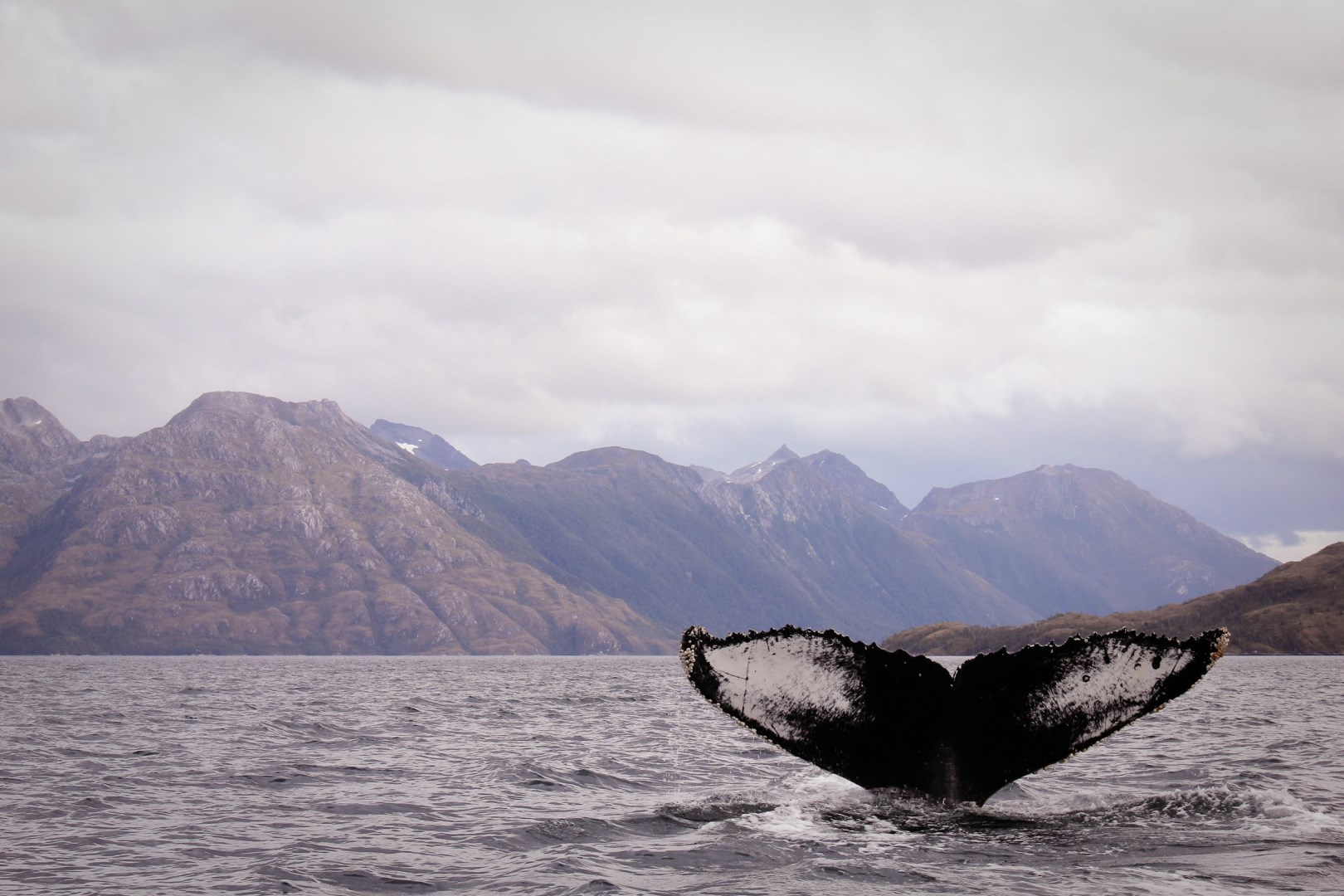
The Strait of Magellan, a pivotal waterway connecting the Atlantic and Pacific Oceans, offers an extraordinary experience for travelers seeking both natural wonder and historical significance. This legendary strait, named after the Portuguese explorer Ferdinand Magellan who navigated it in 1520, is a gateway to the rugged beauty of southern Chile.
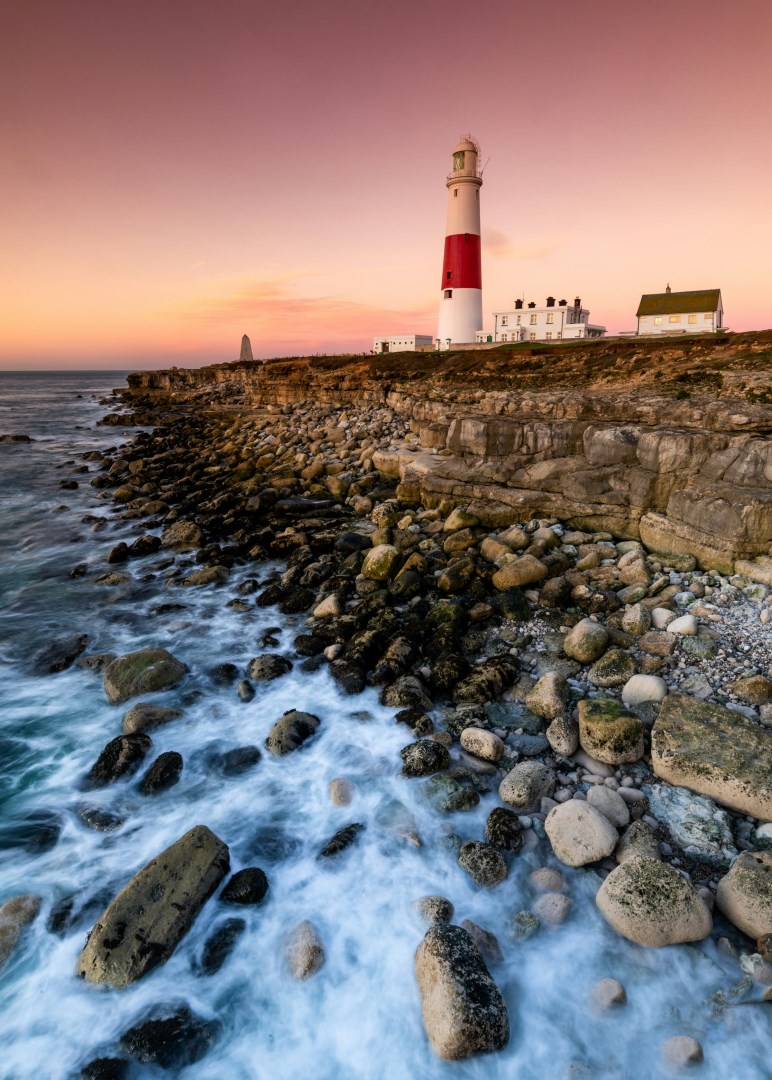
Portland, England, offers a charming blend of coastal beauty, historical intrigue, and unique geological features. Nestled on the Jurassic Coast in Dorset, this picturesque island town is renowned for its stunning cliffs and quarries. A visit to Portland means exploring its rugged coastline, including the famed Portland Bill, where the iconic lighthouse stands as a sentinel to the sea. The area is part of the Jurassic Coast UNESCO World Heritage Site, known for its rich fossil heritage and striking rock formations.
A stroll through Portland’s historic Quarries reveals a fascinating industrial past. The island’s Portland Stone has been used in notable landmarks including St. Paul’s Cathedral in London. You can visit the Portland Museum, which houses artifacts from the island's quarrying history and offers insight into the local culture and heritage.
The natural beauty of Portland extends to its outdoor spaces. Chesil Beach, a pebble beach stretching along the coast, is perfect for scenic walks and spotting diverse wildlife. For those interested in marine activities, the clear waters around Portland are ideal for diving and snorkeling, revealing a vibrant underwater world.
Fun Fact: Portland is home to the only Royal Navy Base in the UK, making it a key maritime location with a rich naval history.
For the best experience, visit Portland between April and October, when the weather is mild and the natural beauty of the island is in full bloom. This period also allows you to enjoy various local events and festivals that celebrate Portland’s maritime and quarrying heritage.
Other Popular Destinations in England
London
London is among the world's most visited cities, with countless attractions and a history stretching back two millennia. Visitors will discover historic iconic structures like Westminster Abbey, Big Ben, and Tower Bridge, as well as recent marvels such as London Eye, a giant observation wheel that offers breathtaking views of the whole city.
York
York, England, is a city where over 2,000 years of history comes to life. Originally founded by the Romans in 71 AD as Eboracum, York has witnessed the rise and fall of empires, from the Vikings to the Normans. Today, the city retains its medieval charm, with its historic York Minster, one of the largest Gothic cathedrals in Northern Europe, standing proudly as its centerpiece.