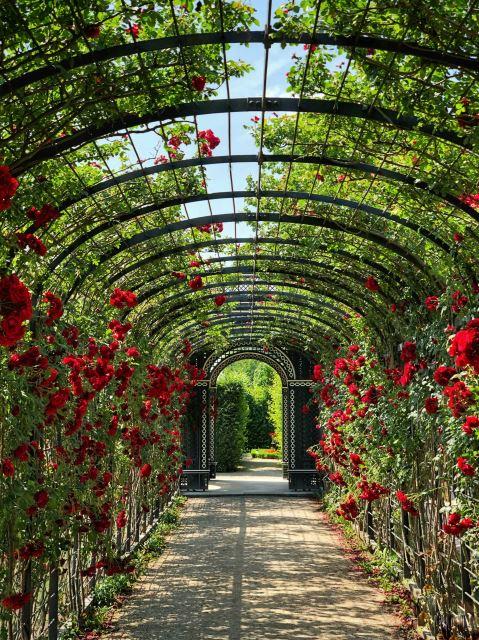
Dominica, known as the “Nature Island of the Caribbean,” is a haven for eco-tourists and adventure seekers. Nestled between the French islands of Guadeloupe and Martinique, this lush island boasts a remarkable landscape of volcanic mountains, dense rainforests, and stunning waterfalls. Dominica’s most iconic natural wonder is the Boiling Lake, the second-largest hot spring in the world.
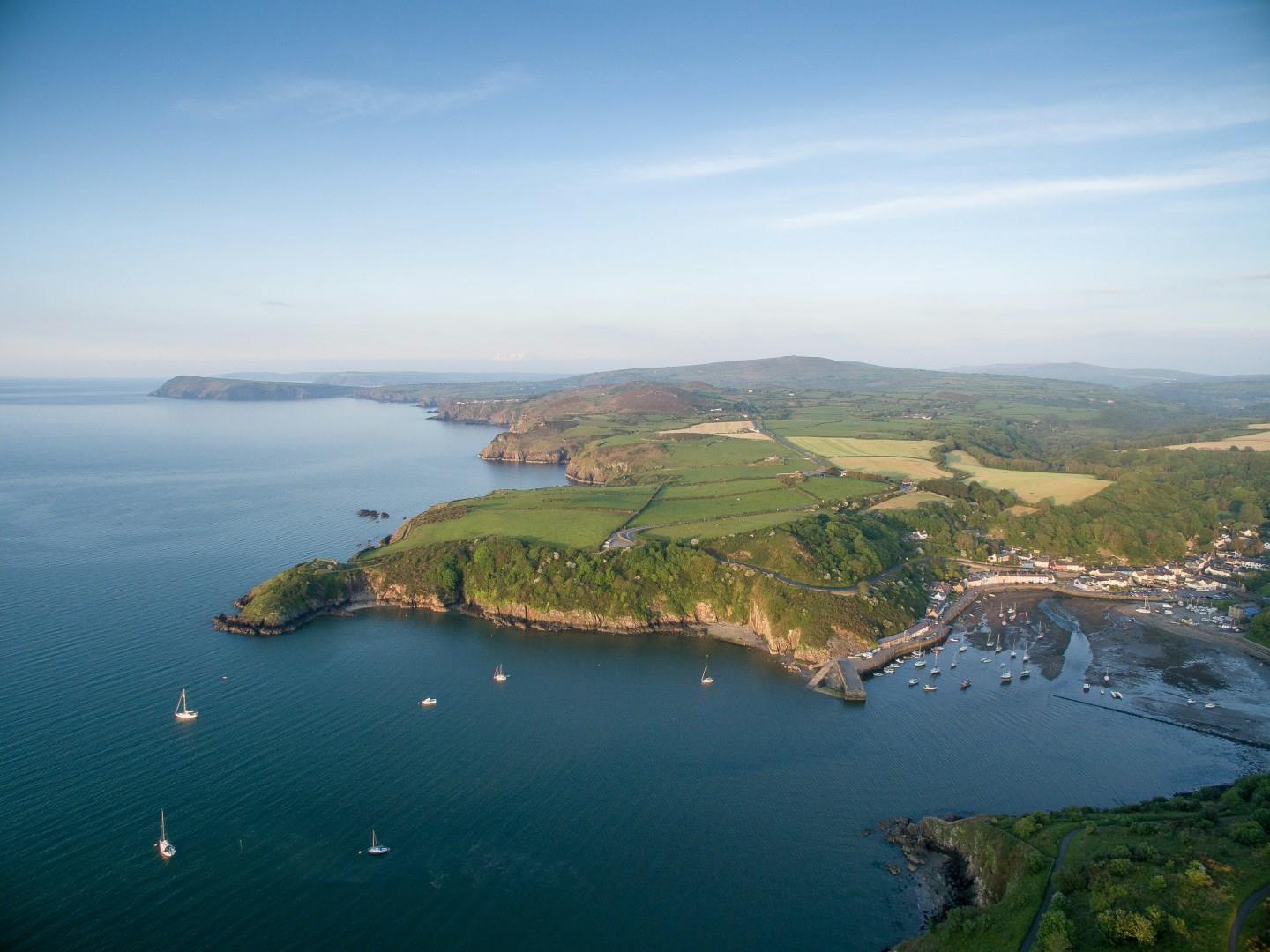
Fishguard, a coastal town in north Pembrokeshire, is divided into two parts: Fishguard and Lower Town. Lower Town is a small harbor nestled at the mouth of the River Gwaun, lined with fishing cottages and boats. It has served as a filming location for several productions, including the 1956 movie *Moby Dick* starring Gregory Peck. Visitors can walk the quayside, explore rock pools at low tide, or take boat trips along the Pembrokeshire Coast.

Vaavu Atoll lies south of Malé and is known for its relatively small population, numerous uninhabited islands, clear lagoons, and extensive coral reefs. Felidhoo is the administrative capital, while Thinadhoo, Keyodhoo, and Fulidhoo are among the better-known inhabited islands. The atoll has a quieter character than the more developed areas closer to the capital, with guesthouses, fishing communities, and resorts spread across separate islands.

Quepos is a coastal town in Puntarenas Province on Costa Rica's central Pacific coast, situated beside the Quepos River and a sheltered bay. The town serves as a regional center for fishing, agriculture, tourism, and transportation, with a marina and waterfront areas overlooking the Pacific. Quepos is also one of the main gateways to Manuel Antonio National Park, located a short distance south of town.
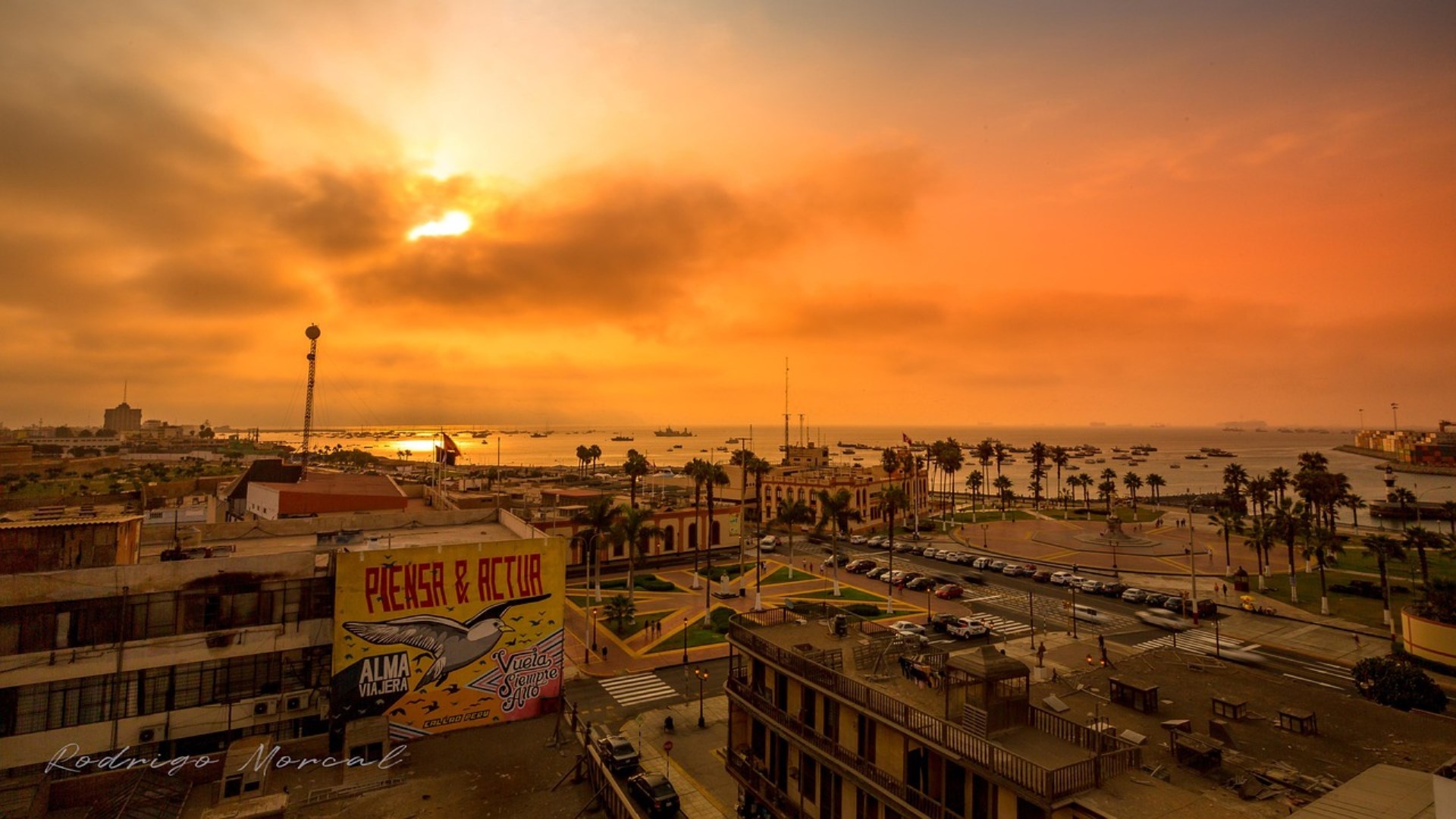
Callao, Peru, is a city that seamlessly blends its rich maritime heritage with vibrant contemporary culture, making it an enticing destination for travelers seeking both history and adventure. As Peru's main seaport and one of the most important on the Pacific coast of South America, Callao has long been a gateway to the world, with a history dating back to the Spanish colonial era. The city is home to the Real Felipe Fortress, a massive 18th-century structure that once defended the port from pi
Discover the charm and history of Krems, Austria, a city nestled along the picturesque Danube River and the gateway to the enchanting Wachau Valley. With origins dating back to Roman times, Krems is a treasure trove of historical and cultural wonders. Explore the Krems Old Town, where you’ll find well-preserved medieval architecture, including the iconic Steiner Tor and the Gothic Church of St. Veit. The city's charming streets and historic buildings offer a glimpse into its rich past.
Krems is also renowned for its vibrant wine culture, set against the backdrop of the Wachau Valley. The valley is a UNESCO World Heritage site, celebrated for its terraced vineyards and scenic beauty. Indulge in the local wines by visiting the Krems Wine Museum, or take a leisurely stroll through the vineyards to experience the region's renowned Grüner Veltliner, a staple of Austrian viticulture.
Art and culture thrive in Krems, with institutions such as the Kunsthalle Krems showcasing contemporary art from around the globe. The Karikaturmuseum Krems offers a unique look at caricature and satire, providing a fun and engaging experience for visitors. The city’s Kunstmeile Krems cultural mile links several key cultural venues, making it a must-visit for art enthusiasts.
Slogan: "Krems: Where History Meets the Vine."
Fun Fact: Krems is located in the Wachau Valley, a region so picturesque that it has been declared a UNESCO World Heritage site, renowned for its medieval castles and stunning landscapes.
Visit Krems between May and September to enjoy the best of the city's festivals, wine harvests, and pleasant weather, perfect for exploring its historical sites and scenic surroundings.
Other Popular Destinations in Austria
Vienna
Vienna has a long memory. Once the capital of the Habsburg Empire, the city still carries signs of its imperial past in its palaces, concert halls, and wide boulevards. Visitors can walk through the Hofburg complex, where emperors once ruled, or tour the opulent rooms of Schönbrunn Palace, which features 1,441 rooms and a maze in its gardens. But Vienna’s many historic buildings now house contemporary art museums, cafés, and institutions that reflect the city’s modern identity.
Linz
Midway between Salzburg and Vienna, Linz boasts beautiful Baroque buildings, including Old Town Hall and the Old Cathedral, Alter Dom. Lentos Kunstmuseum Linz has a major modern art collection and across the river, the striking Ars Electronica Center focuses on society, technology, and the future. Some of Austria's most iconic figures, including Adalbert Stifter, composers Wolfgang Mozart and Anton Bruckner, and the famous scientist Johannes Kepler, once called Linz home.