Ohrid
Ohrid, nestled on the shores of Lake Ohrid in North Macedonia, is a city steeped in history and natural beauty. Often referred to as the "Jerusalem of the Balkans" due to its rich cultural and religious heritage, Ohrid boasts an impressive array of Byzantine-era churches, including the stunning Church of St. John at Kaneo. Perched on a cliff overlooking the lake, this church offers breathtaking views and a glimpse into the city's spiritual past.
Varanasi
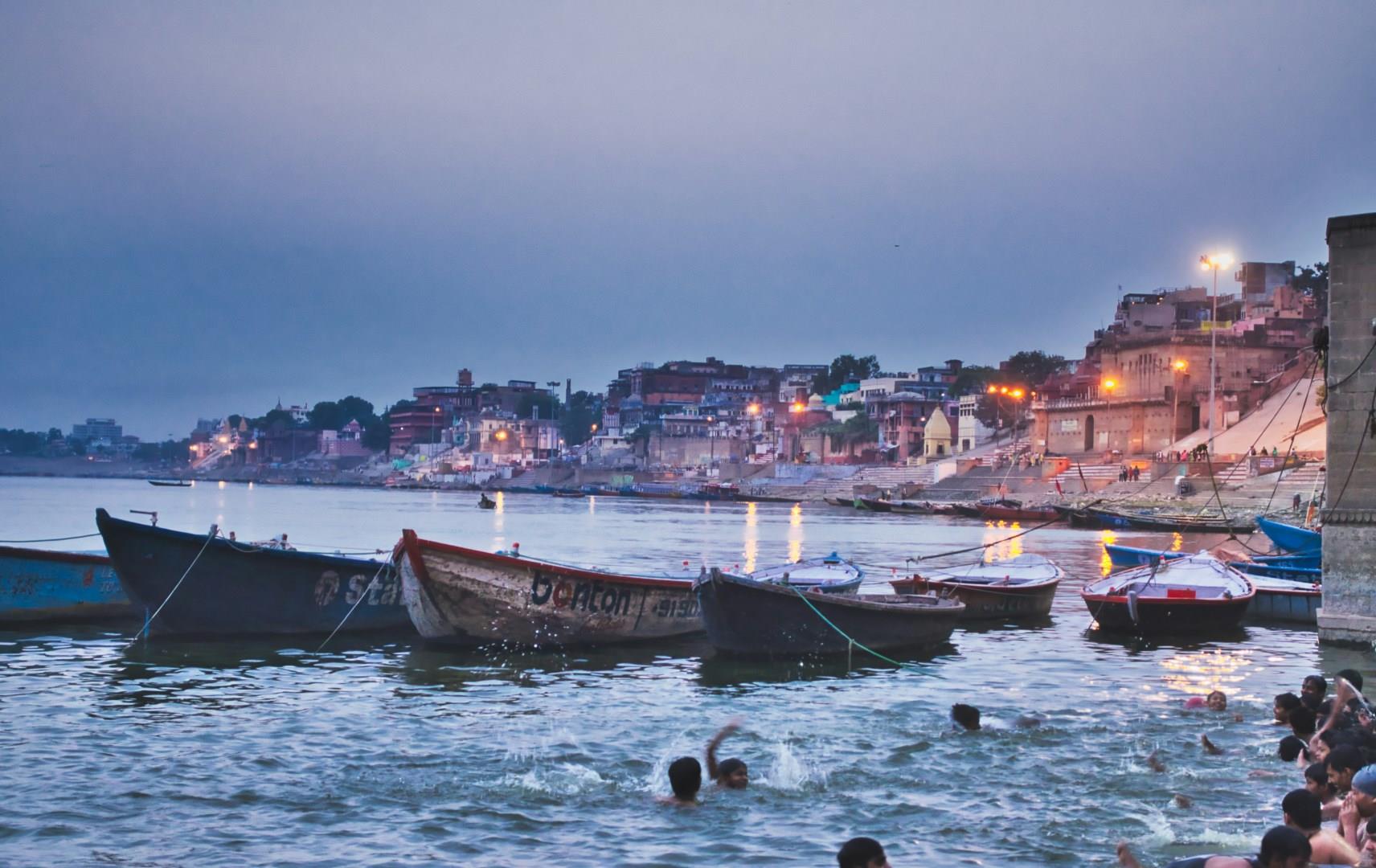
Varanasi sits along the sacred Ganges River in northern India as one of the oldest continuously inhabited cities in the world. It is a place where daily life and rituals flow together on the long stone steps called ghats that reach down to the water. Visitors often rise early for a sunrise boat ride, watching as light spreads across the river and pilgrims make gentle offerings to the water.

Nome
Nome is a coastal city on the southern Seward Peninsula in western Alaska, facing Norton Sound and the Bering Sea. Its remote location places it far from Alaska's major road network, with access primarily by air and seasonal sea travel. The surrounding landscape consists of tundra, low mountains, wetlands, beaches, and broad coastal plains. Nome is best known for its connection to gold mining and its role as a regional center for communities across western Alaska.

Haugesund
Haugesund, located on the southwestern coast of Norway, is known for its rich Viking heritage and natural landscapes. The town's maritime history is celebrated at the Nordvegen History Centre, where you can learn about the Viking kings who once ruled the area. Nature enthusiasts will appreciate the proximity to the Folgefonna Glacier, where they can enjoy guided glacier hikes and breathtaking views of the surrounding fjords.

Ottawa
Ottawa, the charming capital of Canada, offers a unique blend of history, culture, and modernity. Nestled along the scenic Ottawa River, the city is home to the iconic Parliament Hill, where the Gothic Revival architecture of the Parliament Buildings stands majestically above the riverbanks. Visitors can witness the ceremonial Changing of the Guard in the summer or explore the Peace Tower for panoramic views of the city.