Himalayas
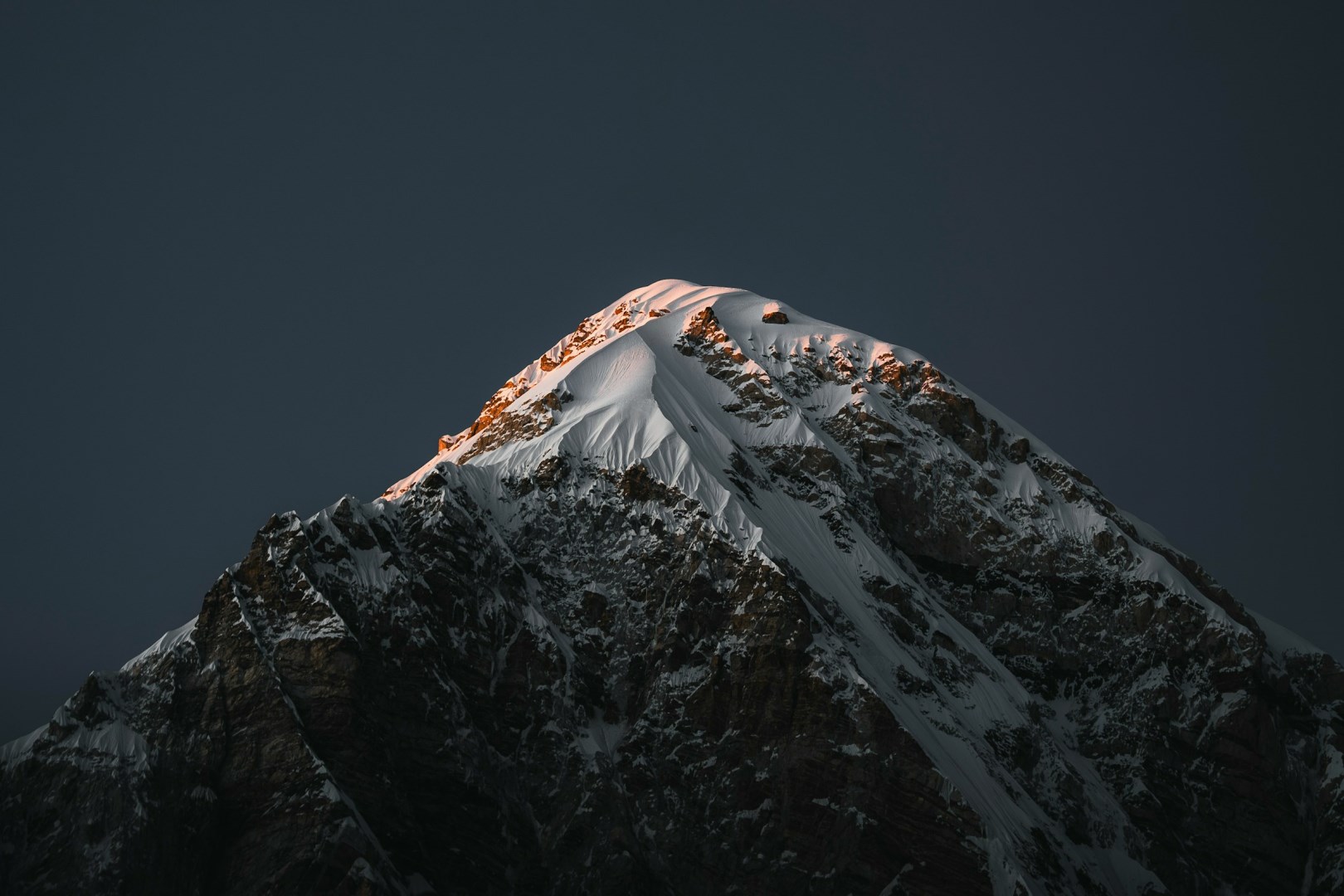
The Himalayas are a vast mountain system stretching across several countries in South Asia, forming a high natural barrier between the Indian subcontinent and the Tibetan Plateau. The range contains many of the world's highest peaks, including Mount Everest, and encompasses glaciers, deep valleys, high plateaus, forests, and alpine meadows.
Grand-Bassam
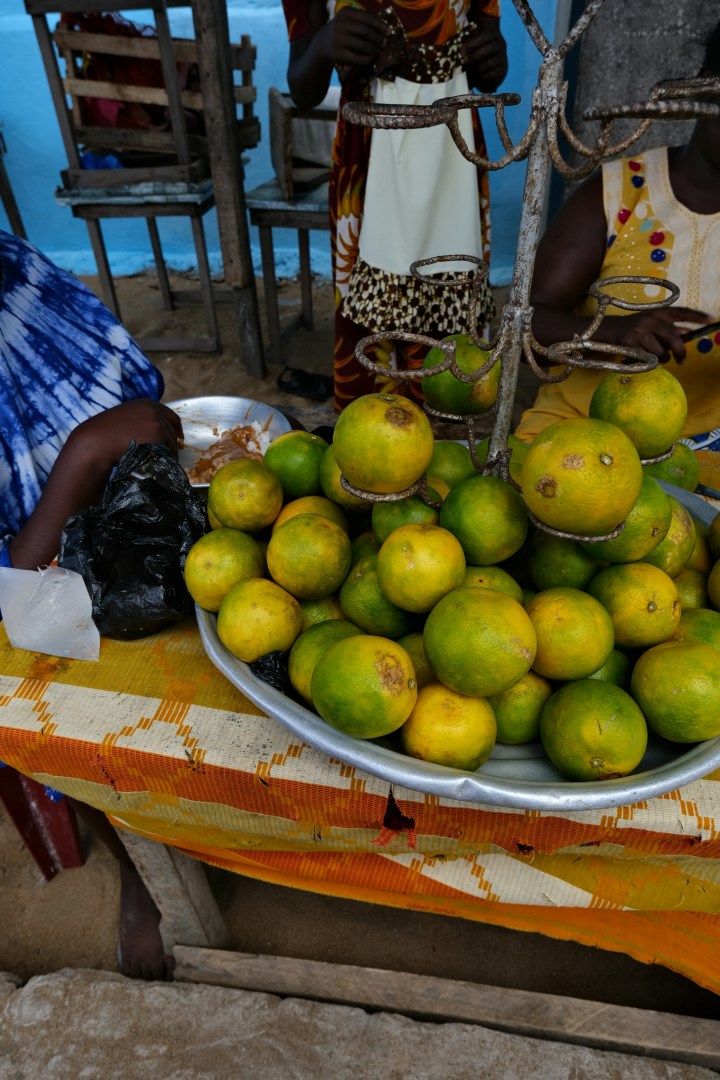
Grand-Bassam is a coastal city in southeastern Côte d’Ivoire, about 40 kilometres east of Abidjan, where the Ébrié Lagoon meets the Gulf of Guinea. The city extends across lagoon shores and a narrow coastal strip lined by Atlantic beaches and coconut palms.
Aguas Calientes
Aguas Calientes, officially called Machupicchu Pueblo, sits in a narrow valley below the ruins of Machu Picchu, shaped almost entirely by geography and access. The town grew around the railway and hot springs that give it its name, becoming a necessary stopping point rather than a destination planned in advance. Its identity is closely tied to movement, with most people arriving on foot or by train and staying briefly before heading uphill.
Baucau
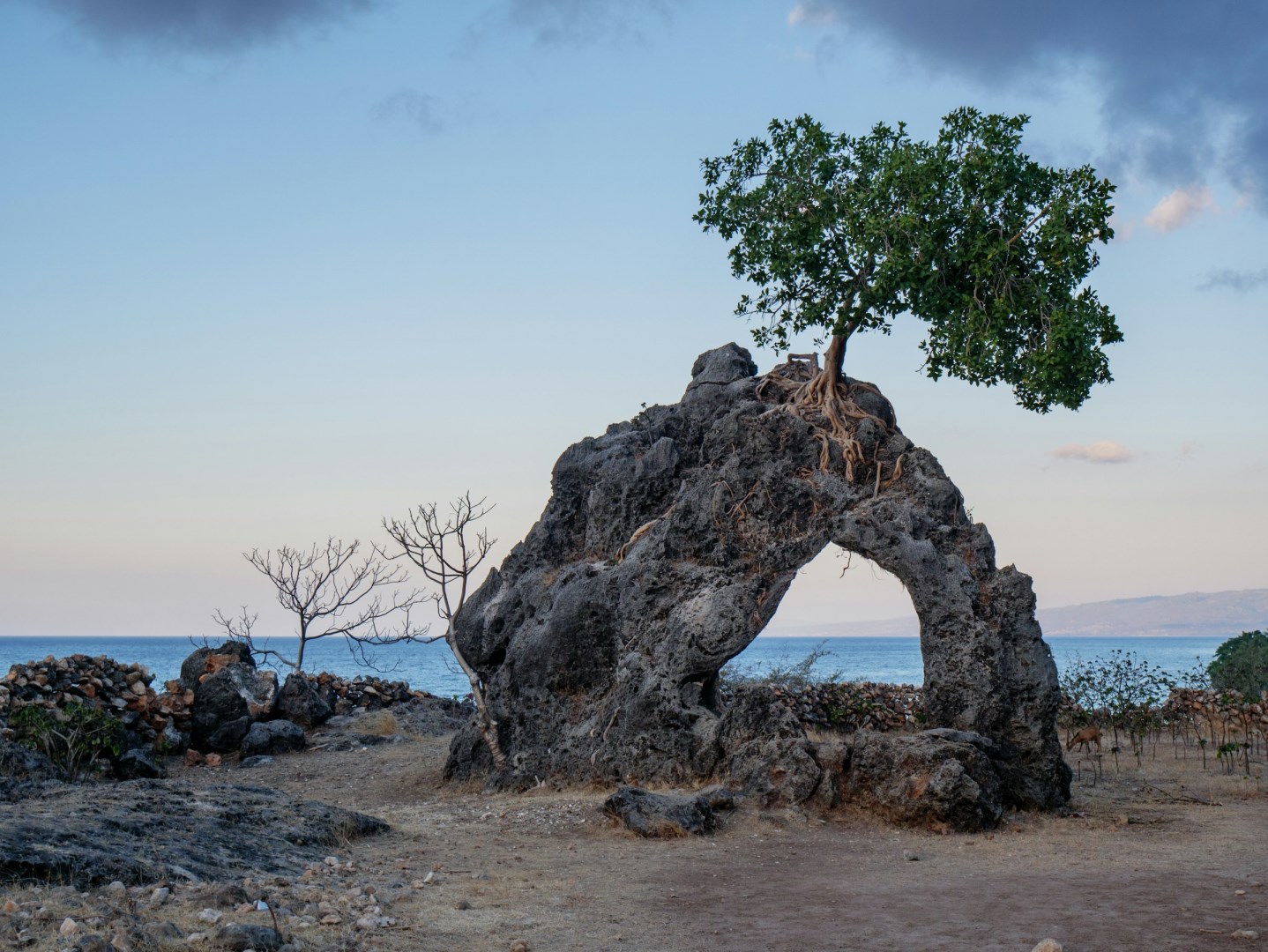
Baucau is Timor-Leste's second-largest city, located on the country's north coast on a plateau above the Ombai Strait. The city is surrounded by limestone hills, agricultural land, and tropical vegetation, with a cooler climate than the low-lying coastal plain below. Baucau is divided broadly into the older Vila Nova area and the historic Vila Velha, where colonial-era buildings, churches, and public spaces remain.
Zomba
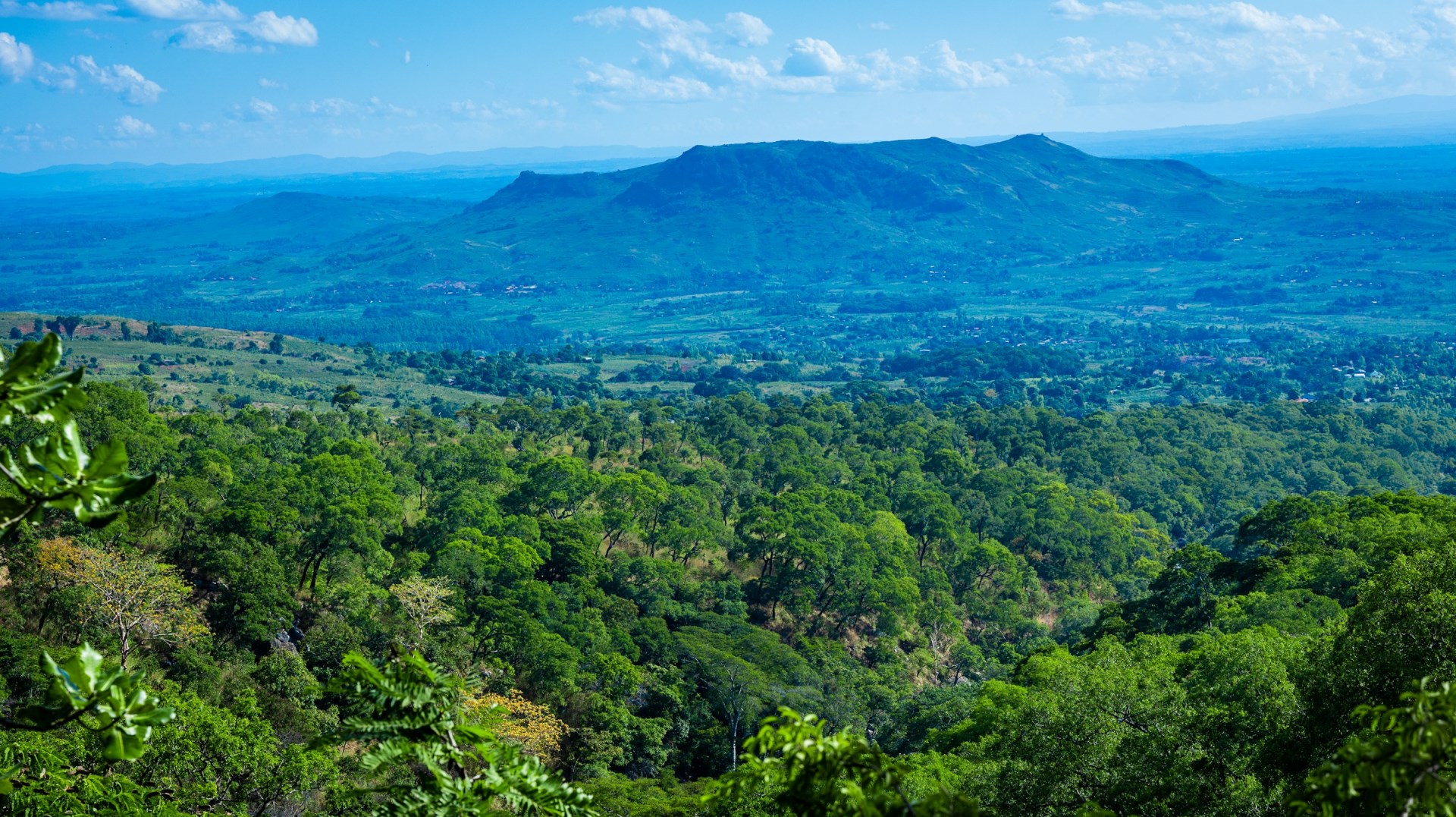
Zomba is a city in southern Malawi situated at the foot of the Zomba Plateau, a large mountain massif rising above the surrounding Shire Highlands. The city is known for its tree-lined streets, cooler climate, and access to forested mountain landscapes. Zomba Plateau dominates the local scenery, with steep slopes, streams, waterfalls, and broad viewpoints overlooking the plains below.