Florø
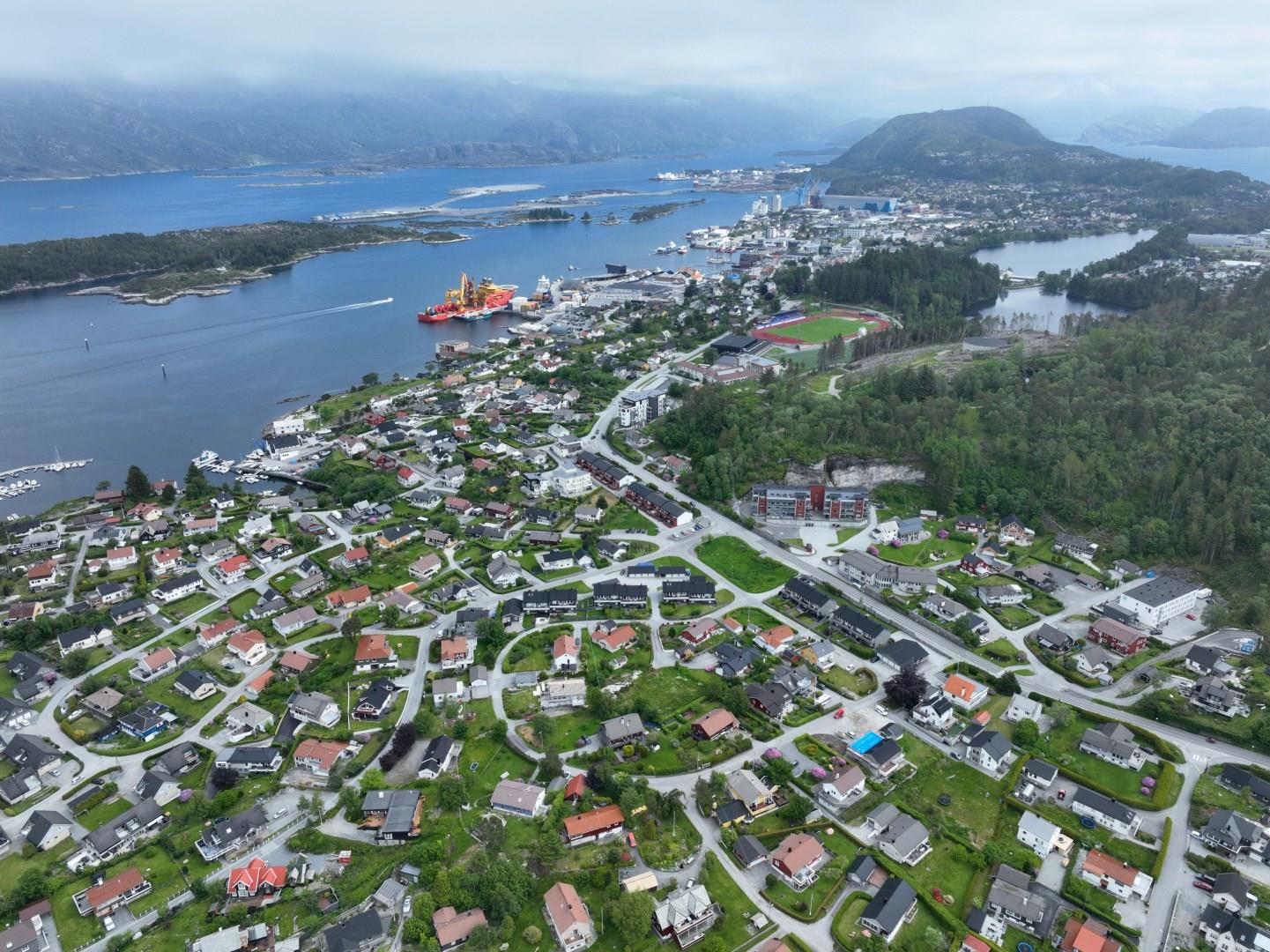
Florø, the westernmost town in Norway, sits right at the edge of the sea as a small, coastal town with deep maritime roots and front-row views of the North Atlantic. Established in 1860 as a herring fishing hub, Florø still carries the rhythm of the ocean in daily life. Though small in size, the town serves as a jumping-off point to explore the rugged coastline, scenic fjords, and a collection of islands that each have their own stories and scenery.
Anuradhapura
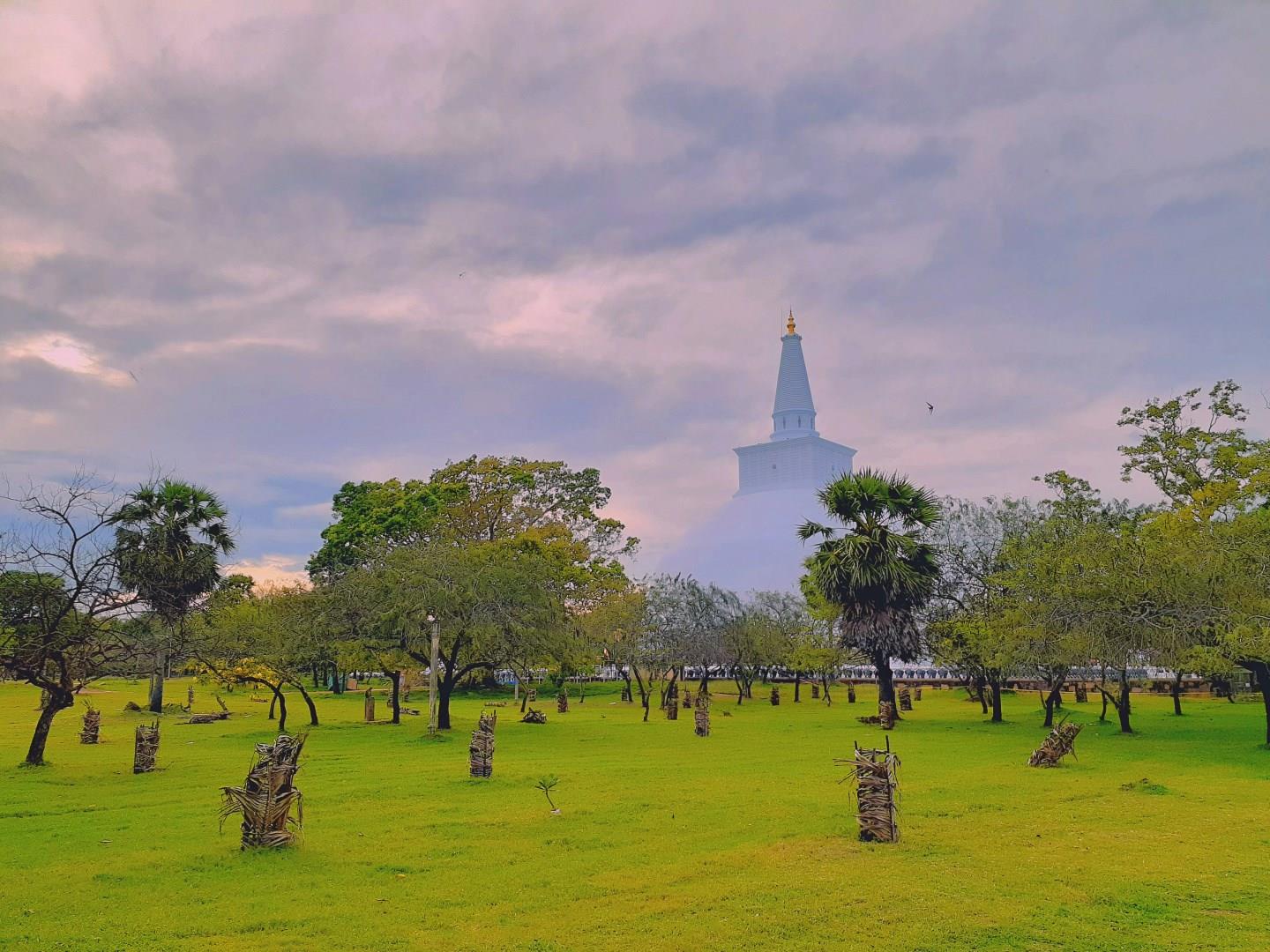
Anuradhapura, located in Sri Lanka’s North Central Province, is one of the oldest continuously inhabited cities in the world. It served as the island’s capital for more than a millennium, beginning in the 4th century BCE. Today, its vast archaeological complex spans several square kilometers and includes some of South Asia’s most significant Buddhist monuments.
Nungwi
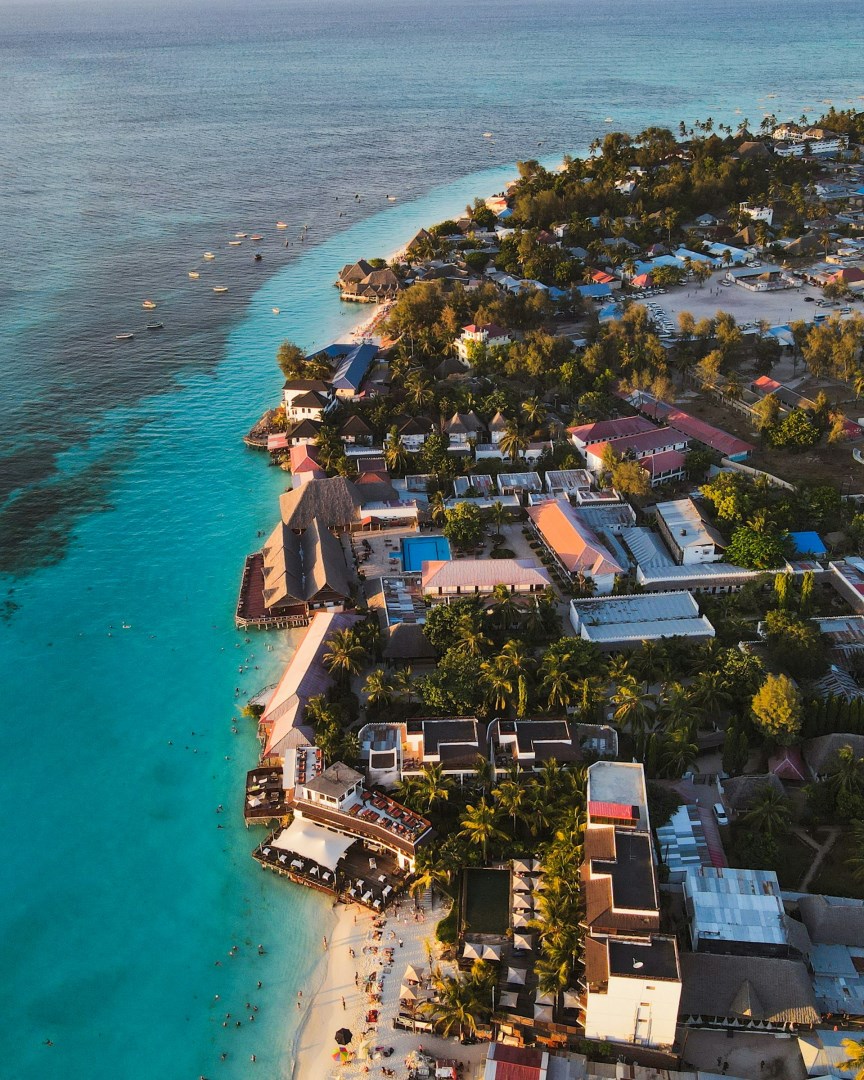
Nungwi is a coastal village at the northern tip of Zanzibar, facing the Indian Ocean on a peninsula known for sandy beaches, shallow lagoons, and clear tropical waters. It developed from a traditional fishing and dhow-building community into one of northern Zanzibar’s main tourism centres, while retaining working boatyards and local residential areas.
Mediterranean Sea
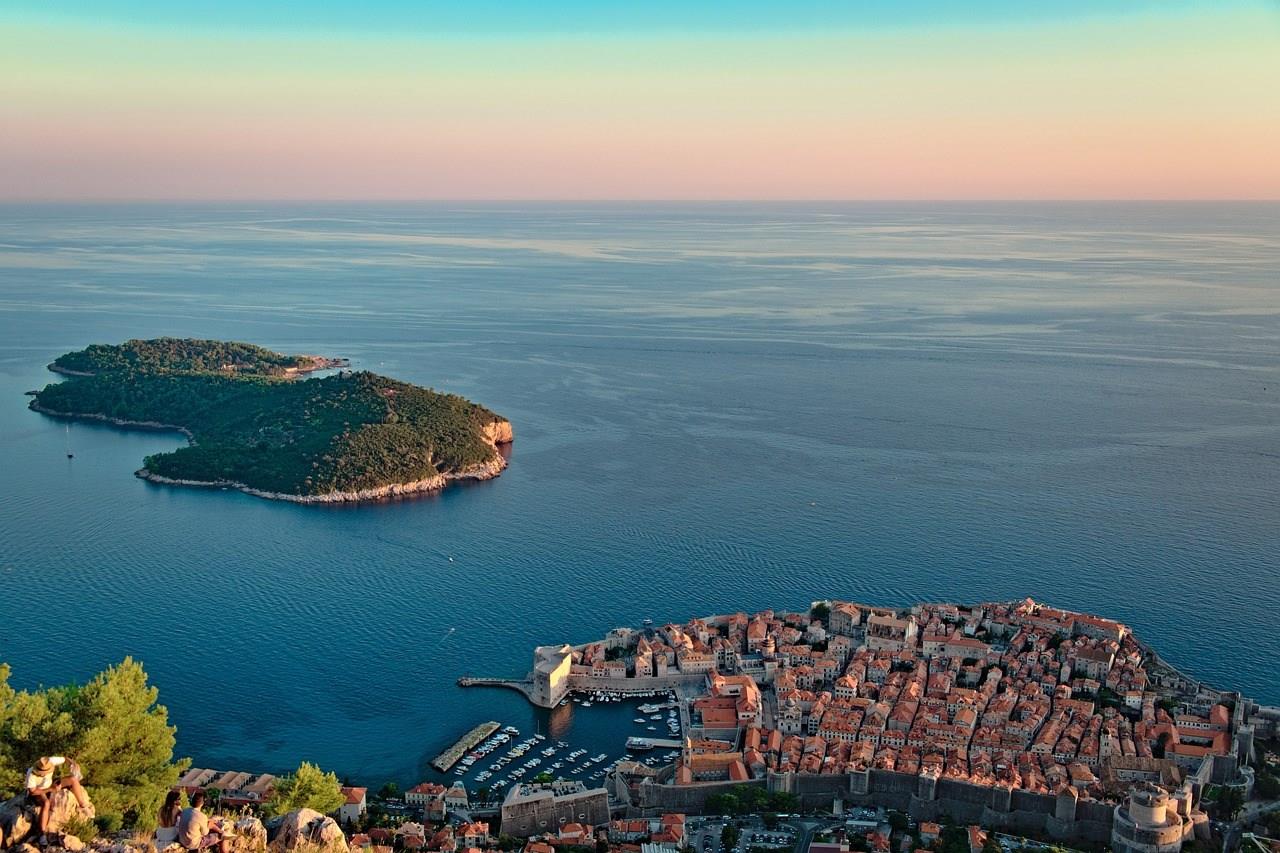
The Mediterranean Sea is more than a body of water, it’s a living crossroads of civilizations, flavors, and landscapes. Stretching across three continents and touching over 20 countries, it has been a stage for ancient empires, maritime trade, and cultural exchange for thousands of years. From the sun-drenched shores of southern Spain to the whitewashed villages of the Greek islands, each coastline tells a different story.
Mbombela
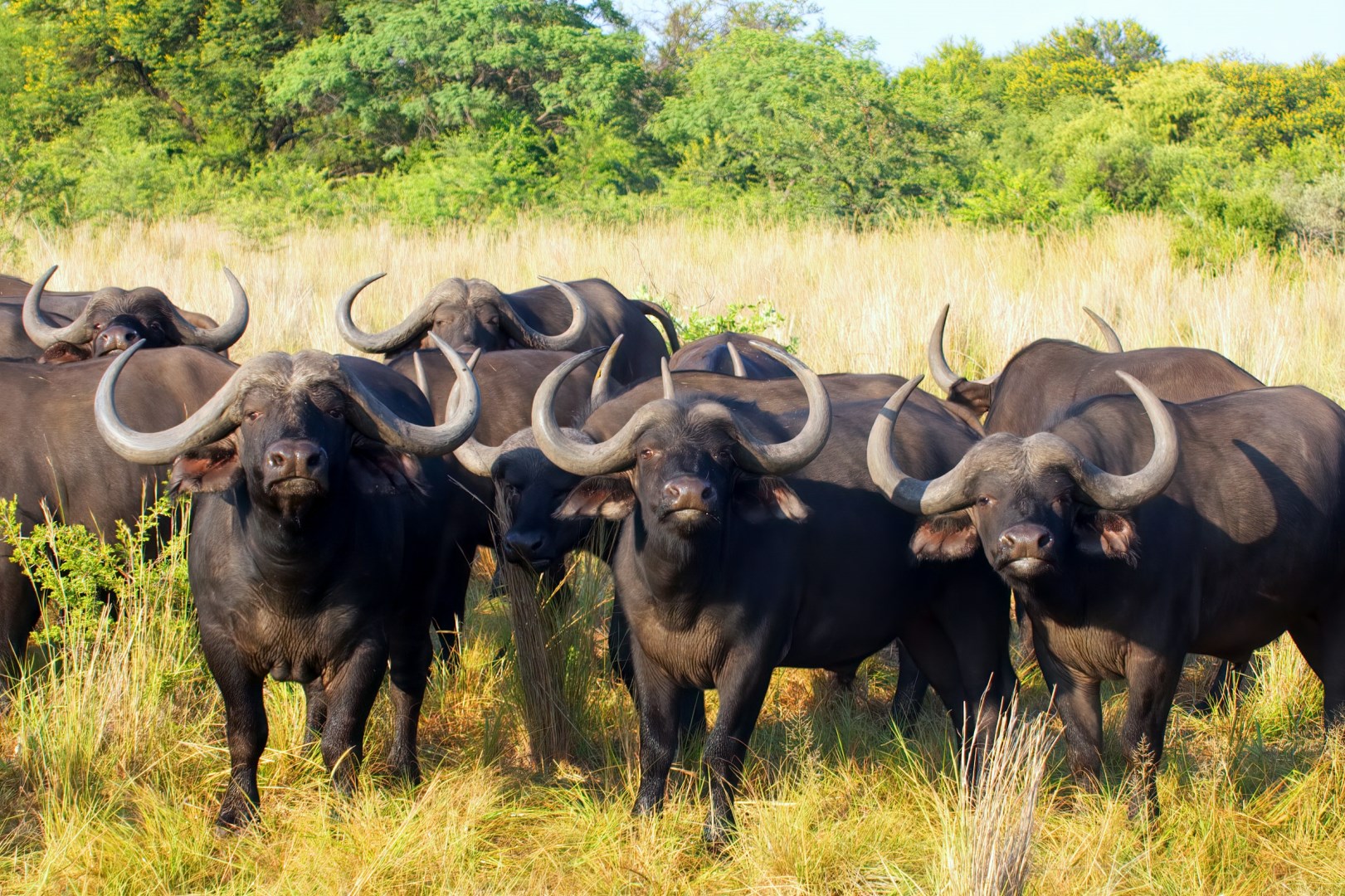
Mbombela is the capital of Mpumalanga province, situated in the Lowveld near the southern edge of the Kruger National Park region. The city is surrounded by wooded hills, subtropical vegetation, and agricultural land, with citrus farming particularly important to the local economy. It serves as a regional centre for government, business, education, and access to nearby wildlife and nature attractions.