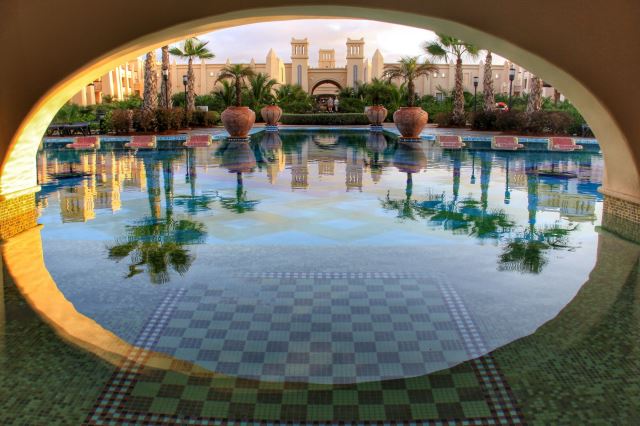
Dominica, known as the “Nature Island of the Caribbean,” is a haven for eco-tourists and adventure seekers. Nestled between the French islands of Guadeloupe and Martinique, this lush island boasts a remarkable landscape of volcanic mountains, dense rainforests, and stunning waterfalls. Dominica’s most iconic natural wonder is the Boiling Lake, the second-largest hot spring in the world.
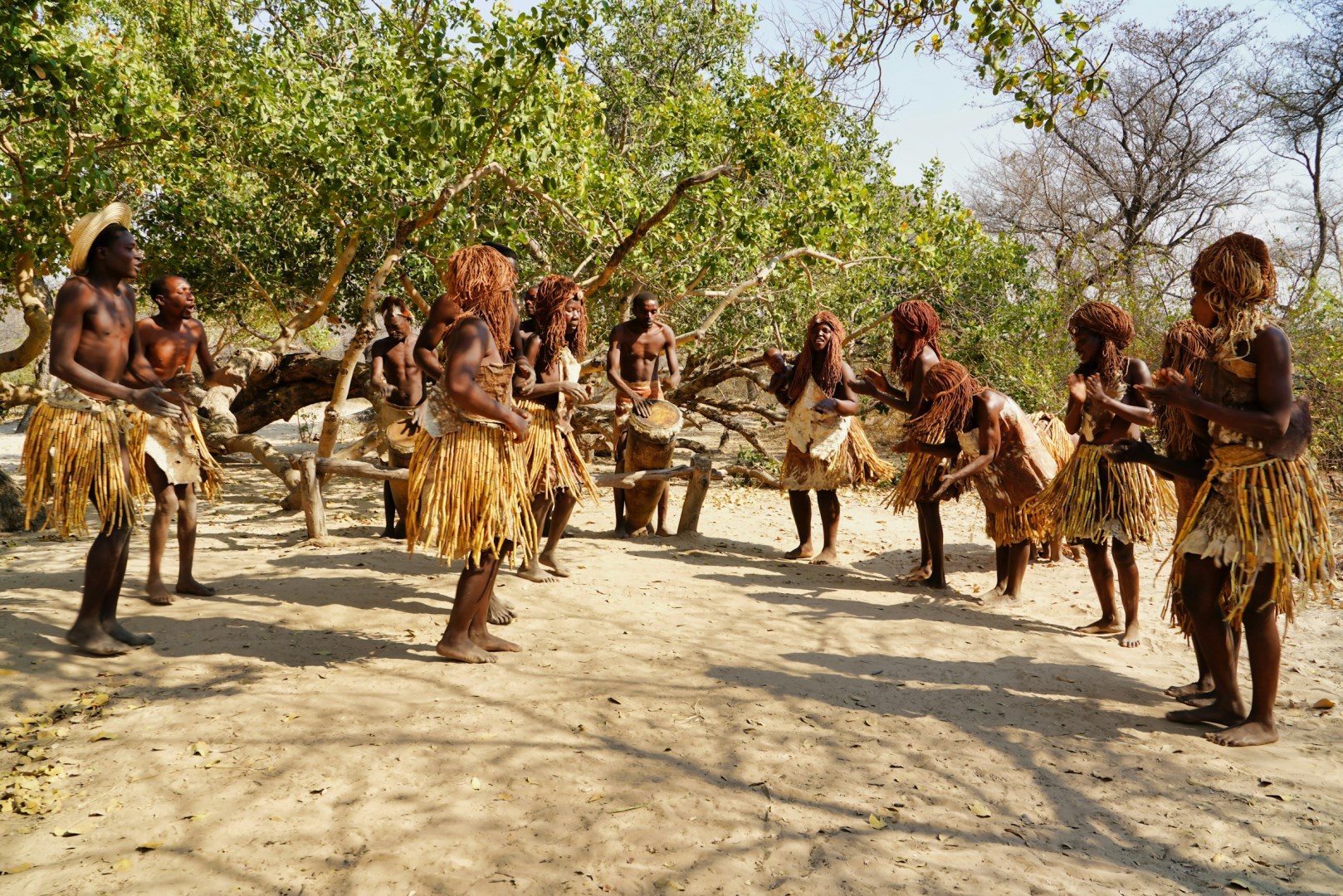
Rundu is the capital of Namibia’s Kavango East Region and a major town on the southern bank of the Kavango River, opposite Angola. Unlike much of Namibia’s dry interior, the area around Rundu is shaped by a permanent river, wooded floodplains, and fertile land used for small-scale agriculture.
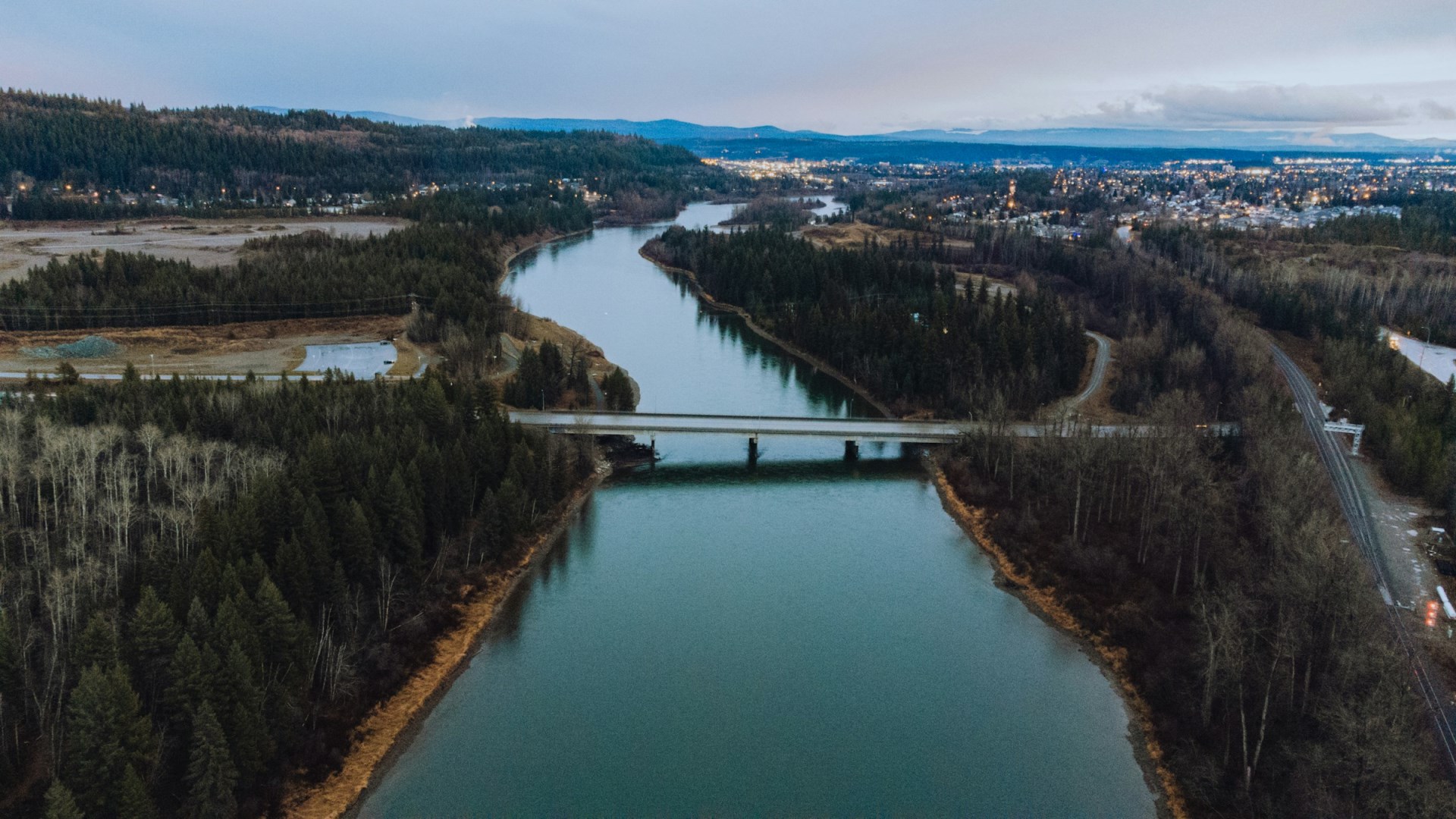
Prince George is a city in north-central British Columbia located where the Nechako and Fraser Rivers meet. Its position between the Interior and northern regions has made it an important transportation, forestry, education, and service centre. The city is surrounded by forests, lakes, rivers, and rolling terrain, with the surrounding landscape reflecting the transition between several ecological zones.
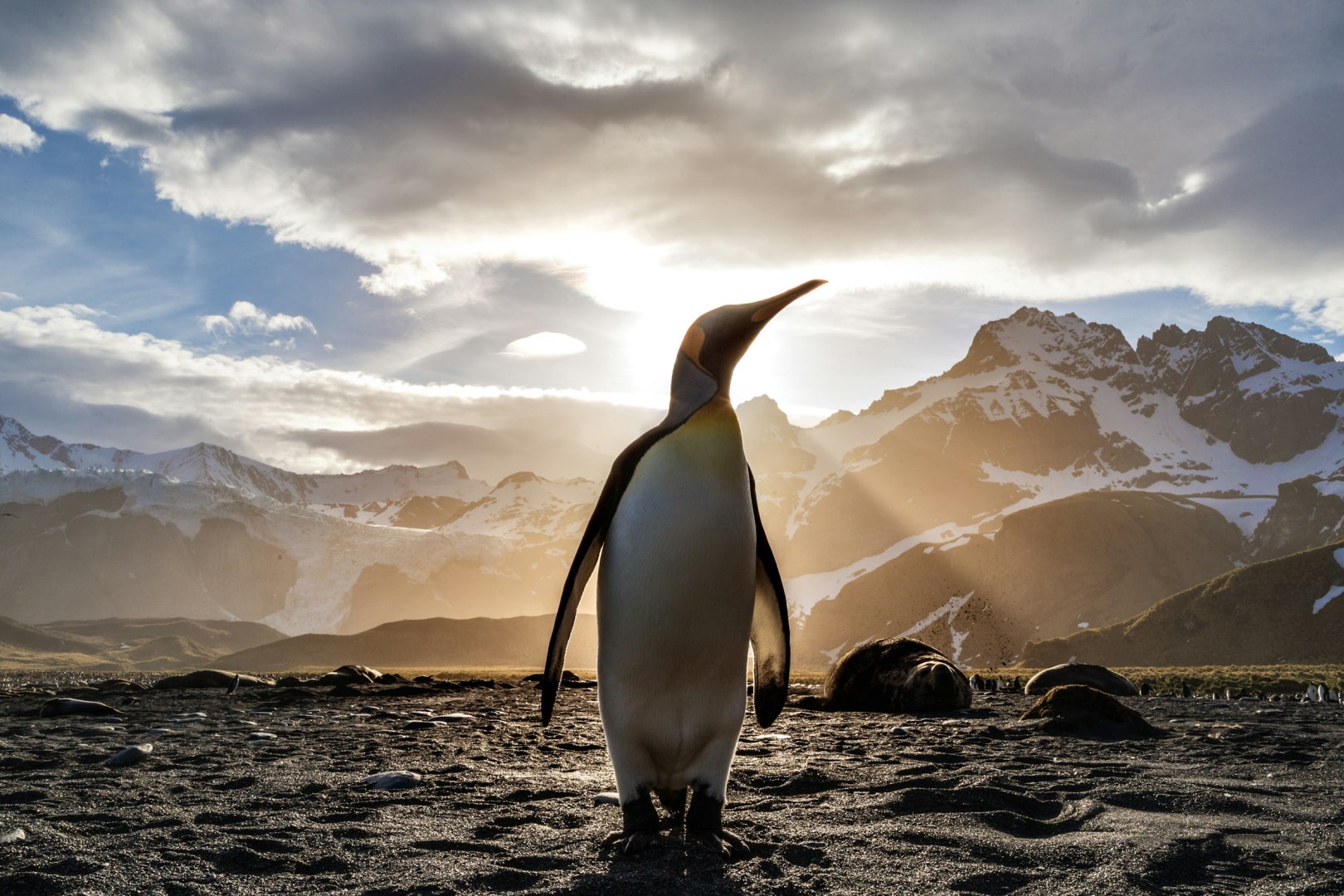
Remote, windswept, and bursting with wildlife, South Georgia is a sub-Antarctic island that surprises nearly everyone who steps ashore. Though uninhabited by civilians, the island hosts a small British research station and welcomes visitors via expedition cruises. What draws people here is not luxury or convenience, but the scale of its wildness.
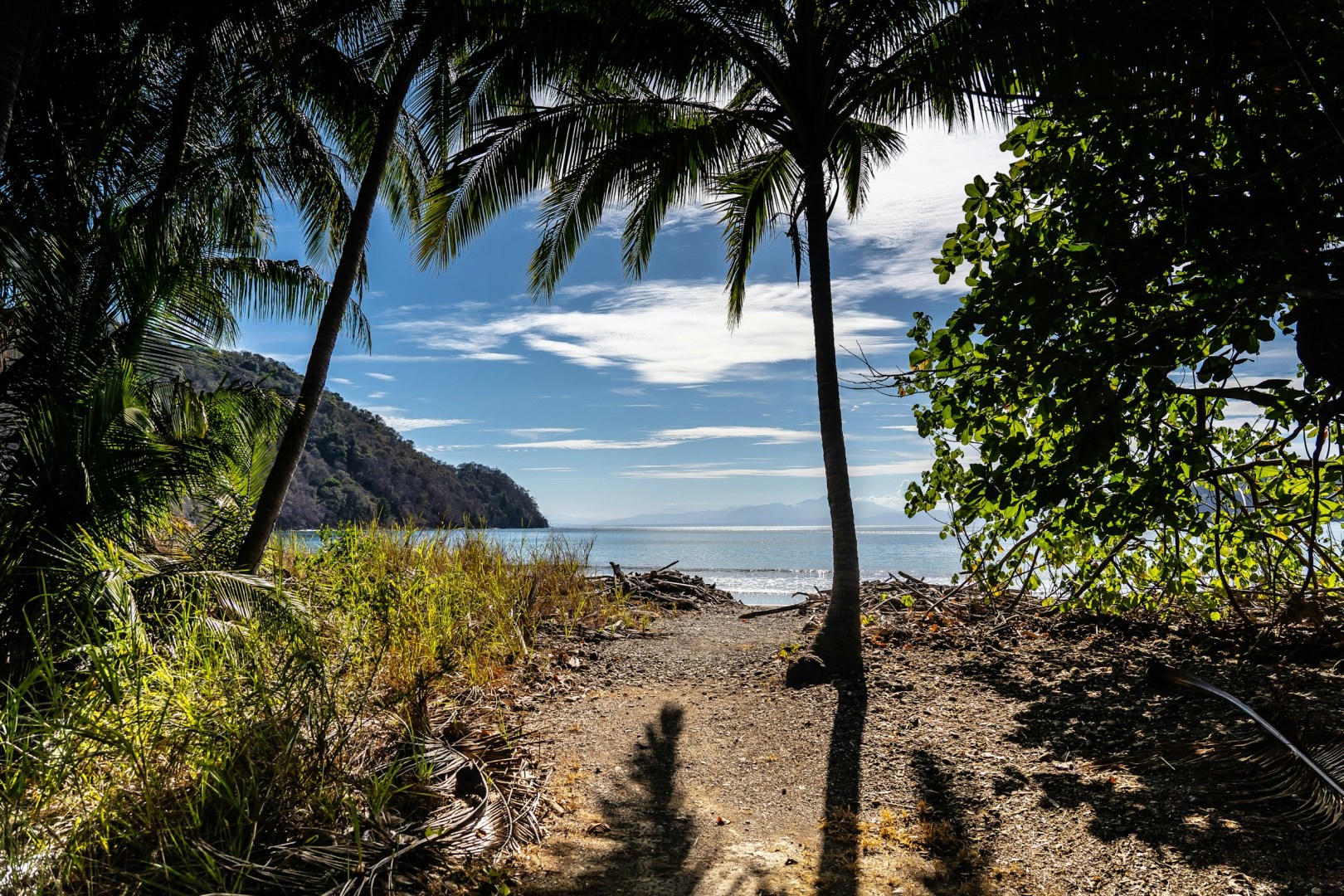
The Osa Peninsula extends into the Pacific Ocean from southern Costa Rica's Puntarenas Province, forming a remote region of rainforest, rivers, beaches, mangroves, and coastal waters. Much of the peninsula remains forested, with small communities such as Puerto Jiménez, Drake Bay, and Carate providing access to the surrounding landscape.
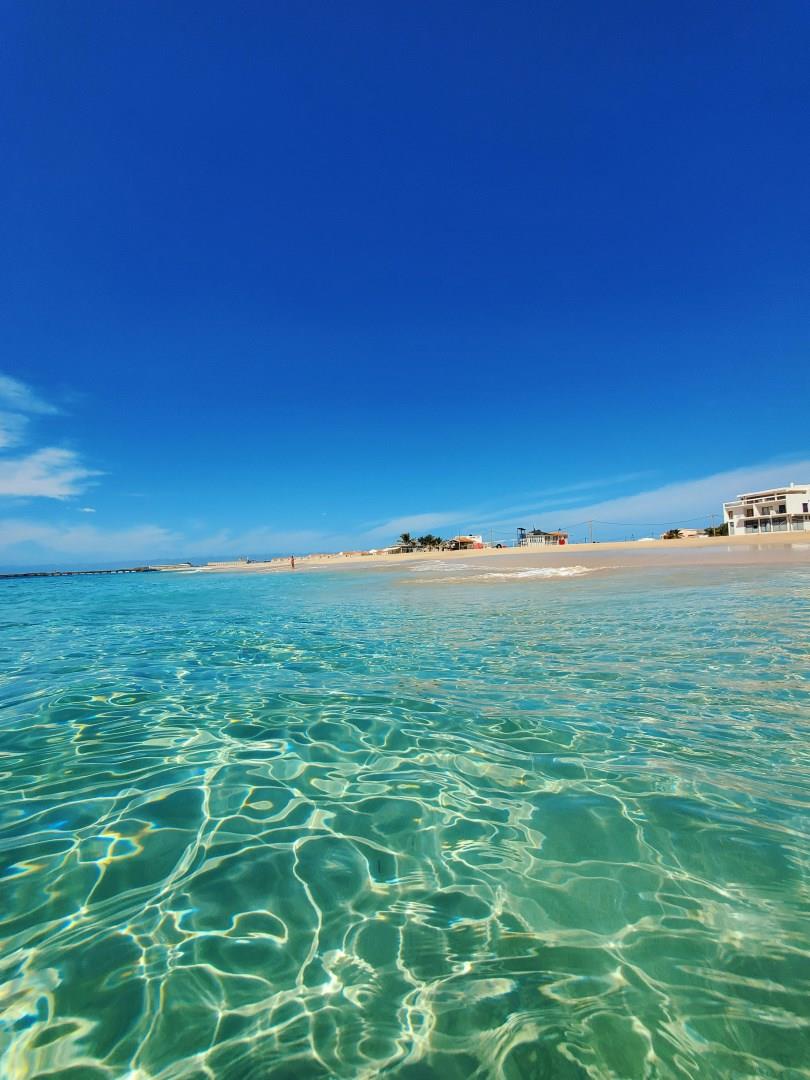
Photo Credit: Photo by Victor Svistunov on Unsplash
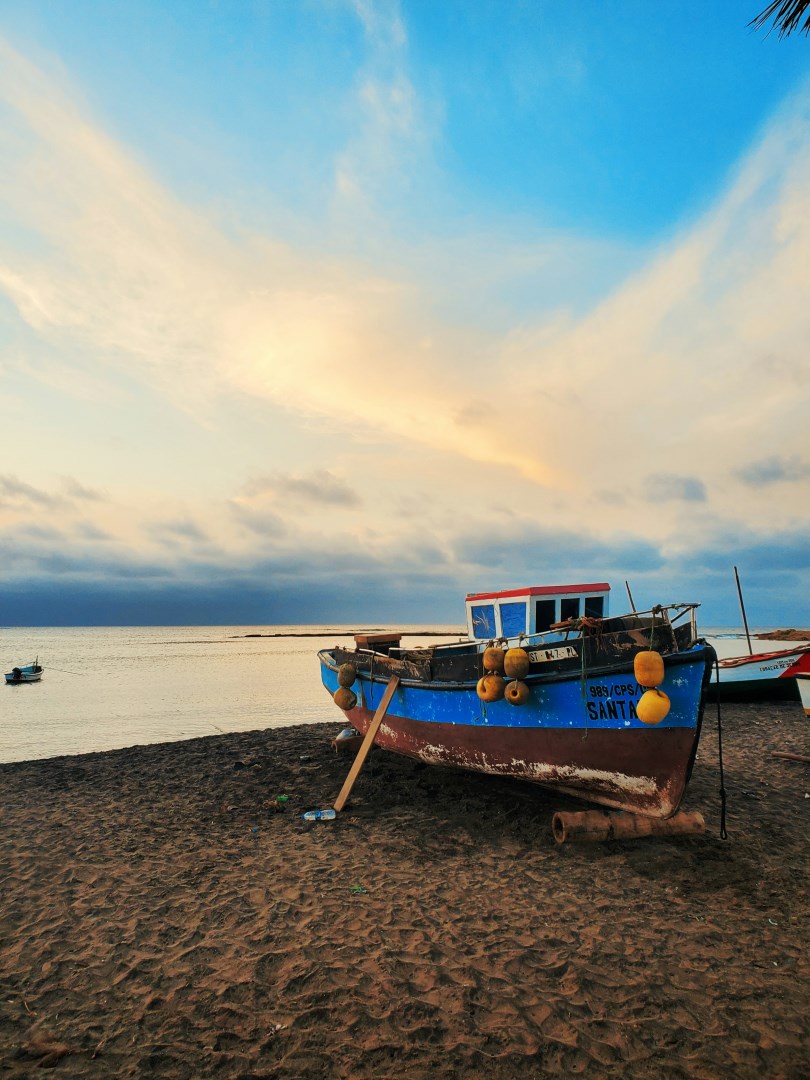
Maio, one of Cape Verde's hidden gems, offers a serene escape with its unspoiled landscapes and charming island atmosphere. This tranquil island, part of the Cape Verde archipelago, is renowned for its stunning beaches and laid-back vibe. The white sandy shores of Praia do Morro, with its crystal-clear waters and gentle waves, provide the perfect setting for relaxation and sunbathing, while the surrounding salt pans showcase Maio's historical role in the salt industry.
Cultural and natural exploration awaits in Maio's diverse landscape. The island is dotted with traditional villages that offer insights into local life and customs. The vibrant Festa de São João in the town of Vila do Maio is a highlight, featuring lively music, dance, and local cuisine that capture the island’s rich cultural heritage. Maio’s arid interior is also an intriguing area to explore, with its unique flora and fauna and the impressive Monte d'Igreja offering panoramic views.
For the adventure-seeker, Maio’s landscape provides opportunities for hiking and exploring its diverse terrain. The island's quiet nature reserves and remote beaches are ideal for those looking to escape the more crowded tourist spots and immerse themselves in nature. Trekking through the island’s rugged hills and dunes offers a chance to witness rare bird species and endemic plant life.
Fun Fact: Maio is the least populated of Cape Verde's islands, making it a pristine retreat where you can enjoy the untouched beauty of the Atlantic Ocean without the bustle of heavy tourism.
Other Popular Destinations in Cape Verde
Sao Vicente
Sao Vicente, one of Cape Verde’s most vibrant islands, is full of beautiful coastal scenery. Laginha Beach, just a short walk from the island's main city, Mindelo, is perfect for relaxing by the turquoise waters, while Sao Pedro Beach is known for its strong winds, making it a popular spot for windsurfing. For those who enjoy hiking, Monte Verde provides panoramic views of the island’s landscapes.
Boa Vista
Boa Vista is an island in Cape Verde known for its broad sandy landscapes, volcanic terrain, and long Atlantic coastline. It is the easternmost of the Barlavento islands and has a relatively dry climate, with much of its interior covered by open plains, dunes, and rocky ground. Sal Rei, the island’s main town, sits beside a sheltered bay and serves as its principal commercial centre.