Ndutu Lake
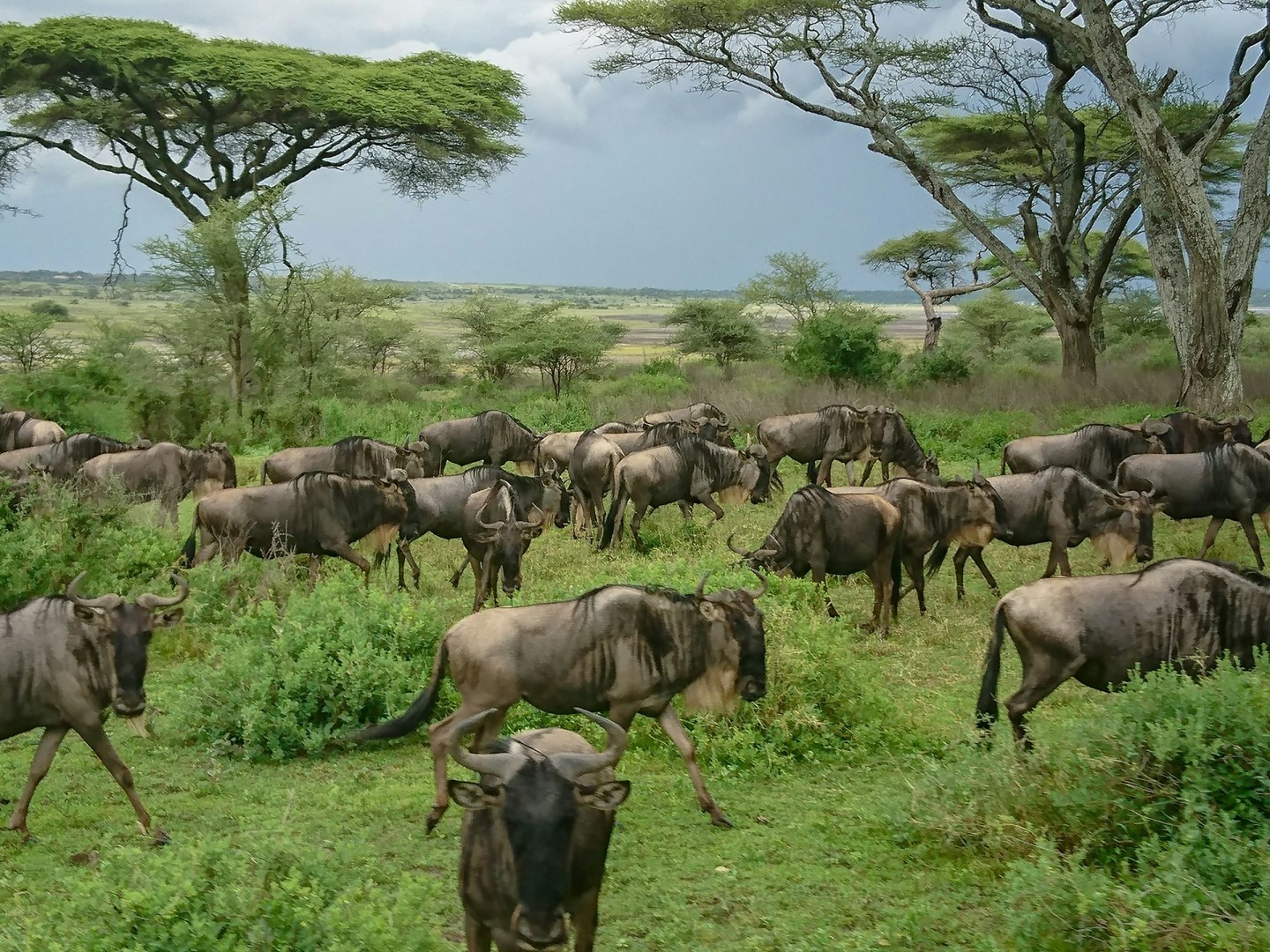
Lake Ndutu is a shallow seasonal soda lake in northern Tanzania, within the Ngorongoro Conservation Area near the southern edge of the Serengeti ecosystem. The lake sits among open short-grass plains, acacia woodland, and other seasonal wetlands, creating a varied landscape for wildlife. Although relatively small, Lake Ndutu is part of a much larger ecological area where the plains of the southern Serengeti meet the Ngorongoro highlands.

Mikumi National Park
Mikumi National Park, located in Tanzania's southern highlands, offers a pristine and relatively undiscovered safari experience. Spanning over 3,230 square kilometers, Mikumi is part of the larger Selous Ecosystem, providing a diverse range of habitats from open grasslands to dense miombo woodlands. This park is an excellent choice for those seeking a more tranquil alternative to the more frequented Serengeti and Ngorongoro Crater.
Liberia
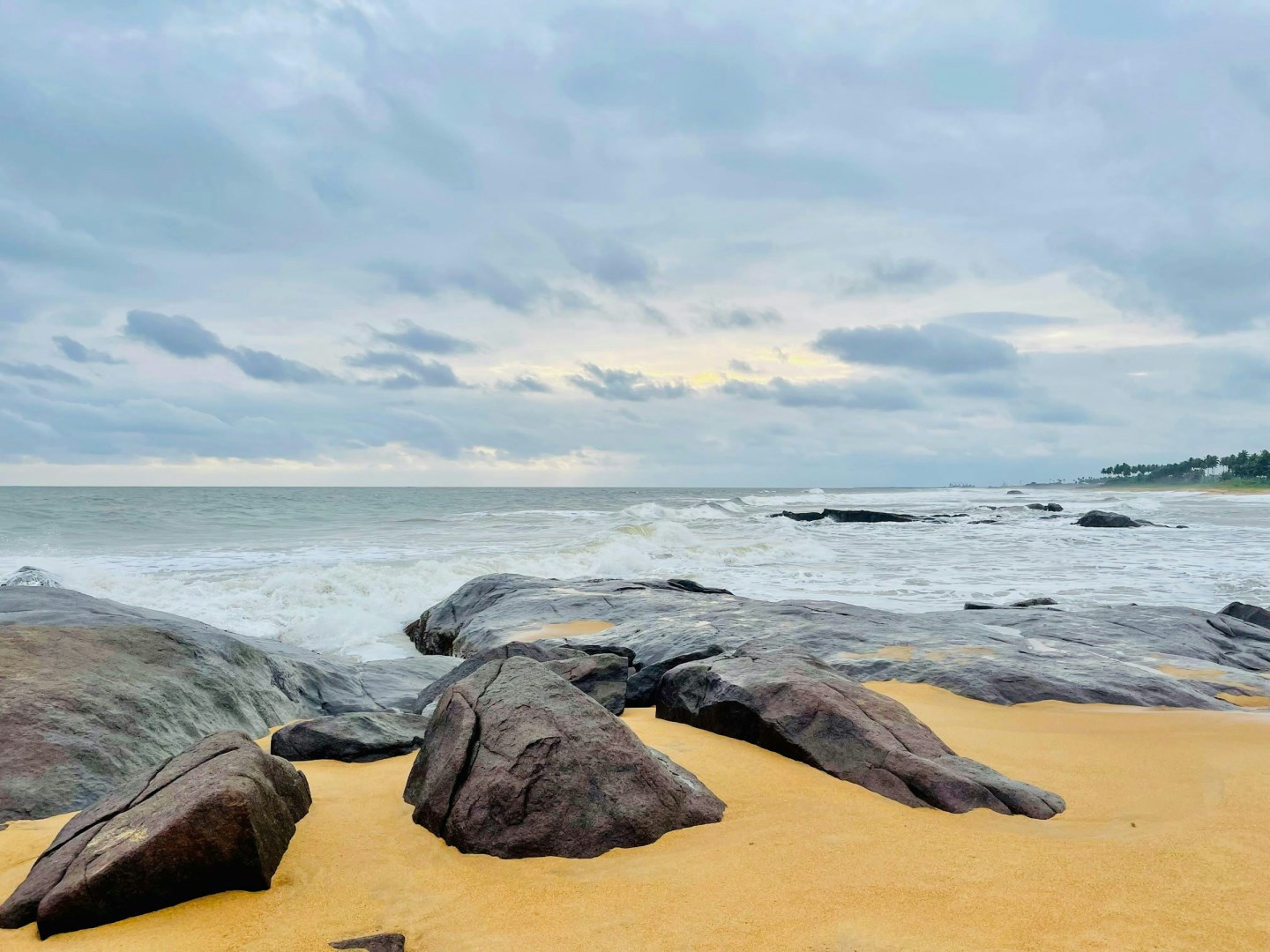
Liberia, republic in western Africa, bounded on the north by Sierra Leone and Guinea, on the east by Côte d'Ivoire, and on the south and west by the Atlantic Ocean. Liberia has an area of 99,067 sq. km (38,250 sq. mi.). Liberia was founded in the early 1800s by freed American slaves. Monrovia is the capital and largest city.
Albufeira
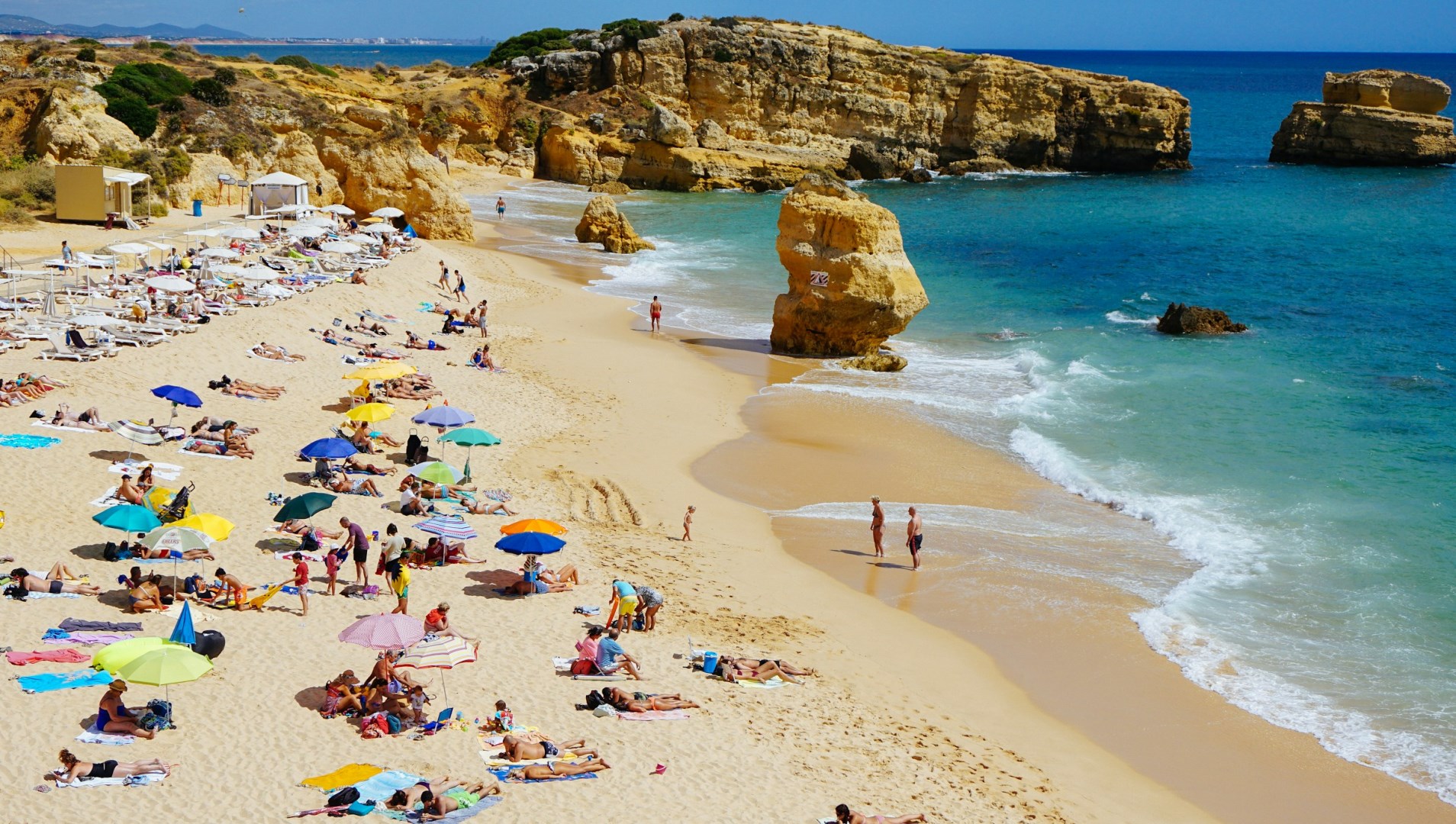
Albufeira, perched on Portugal’s Algarve coast, combines the charm of a traditional fishing village with the vibrancy of a seaside resort. Its whitewashed buildings tumble down hillsides toward golden beaches and turquoise waters, creating one of the most picturesque coastal scenes in southern Europe.
Modesto
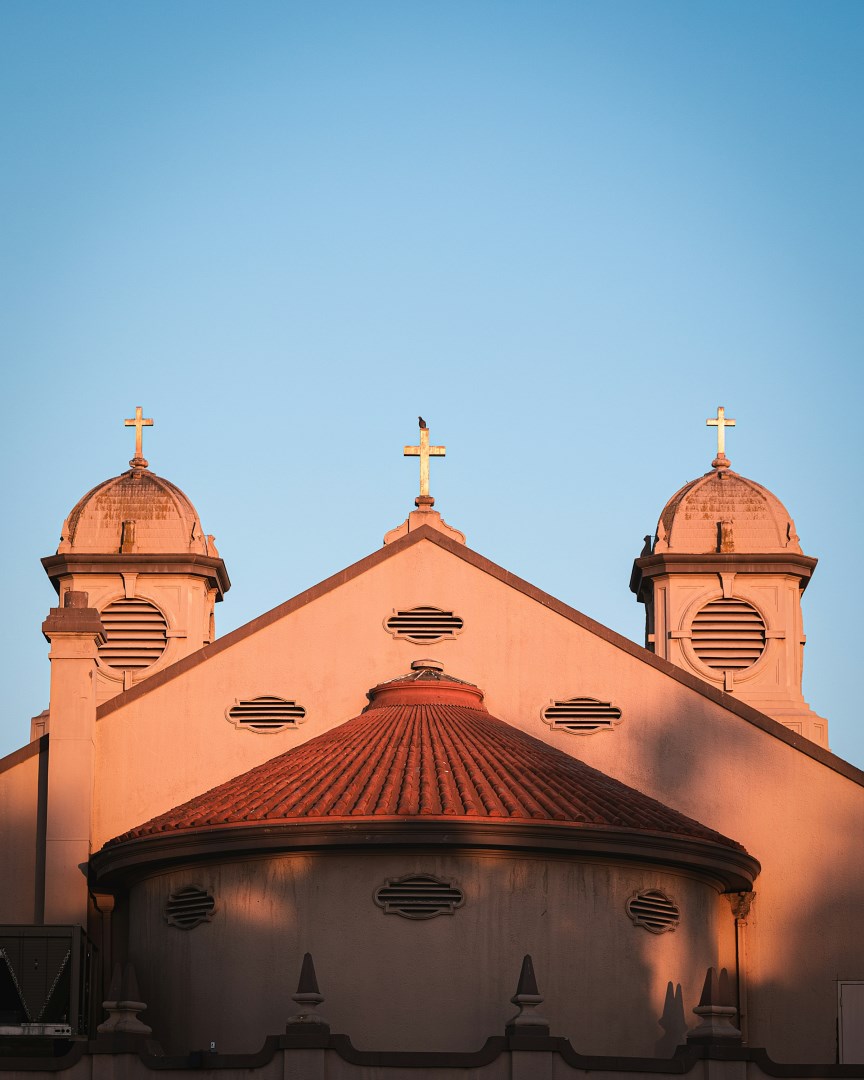
Modesto is a city in California’s Central Valley, located along the Tuolumne River between the Sierra Nevada and the Coast Range. The city is surrounded by some of the state’s most productive agricultural land, with orchards, vineyards, dairies, and fields extending across the surrounding countryside. Modesto’s urban center includes historic neighborhoods, downtown businesses, parks, and cultural venues, while the Tuolumne River provides a natural corridor through the region.