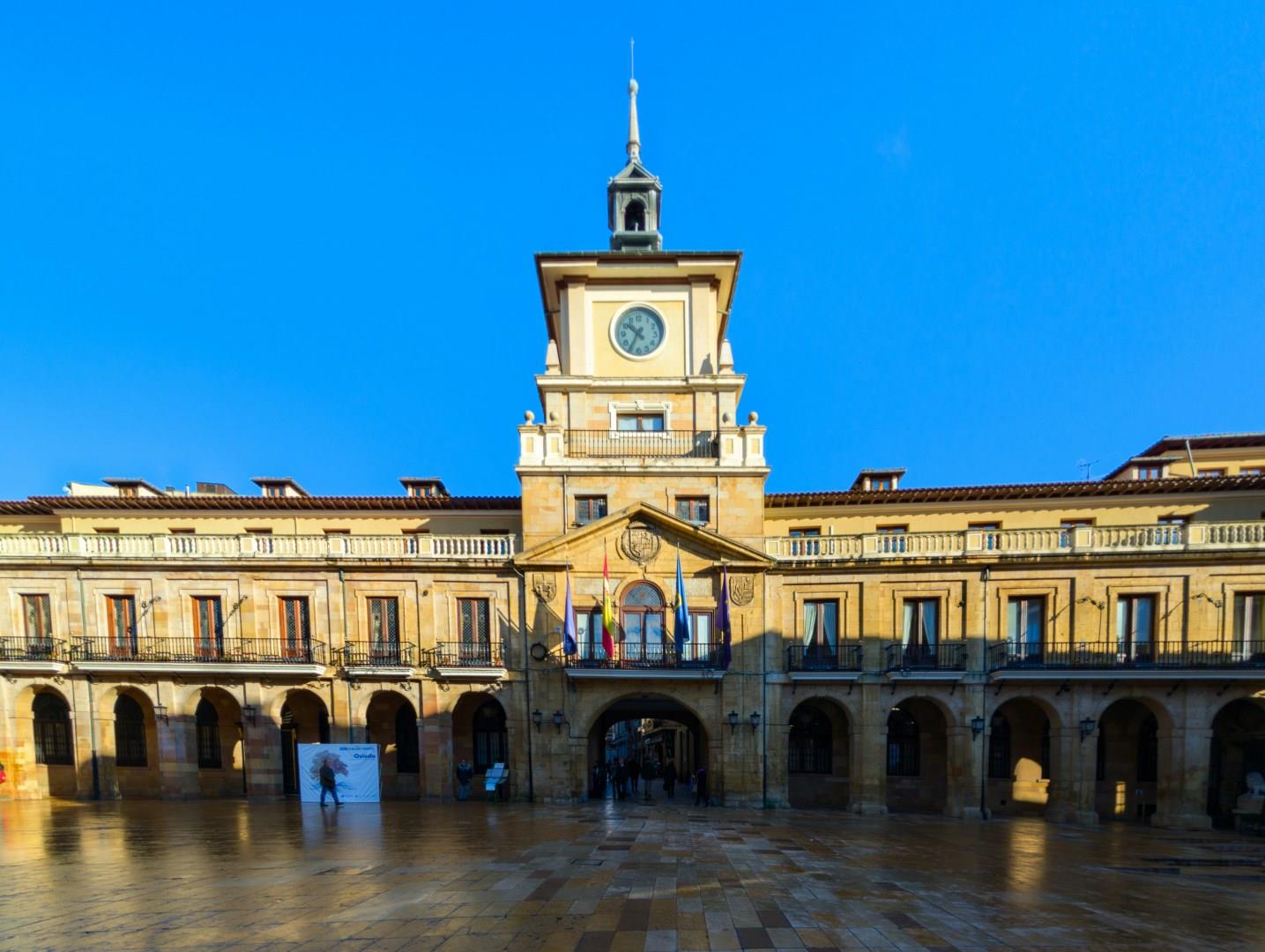
Oviedo, the capital of Asturias in northern Spain, offers a rare mix of medieval heritage and everyday life that feels rooted rather than staged. The city’s historic center is home to some of the oldest pre-Romanesque buildings in Europe, including the UNESCO-listed Santa María del Naranco and San Miguel de Lillo. Cider, not wine, defines the local table. Oviedo is surrounded by apple orchards, and the traditional drink, sidra natural, is poured from a height by skilled escanciadores.
Canada spans an immense and diverse landscape, offering experiences that range from cosmopolitan city life to some of the most pristine wilderness on Earth.
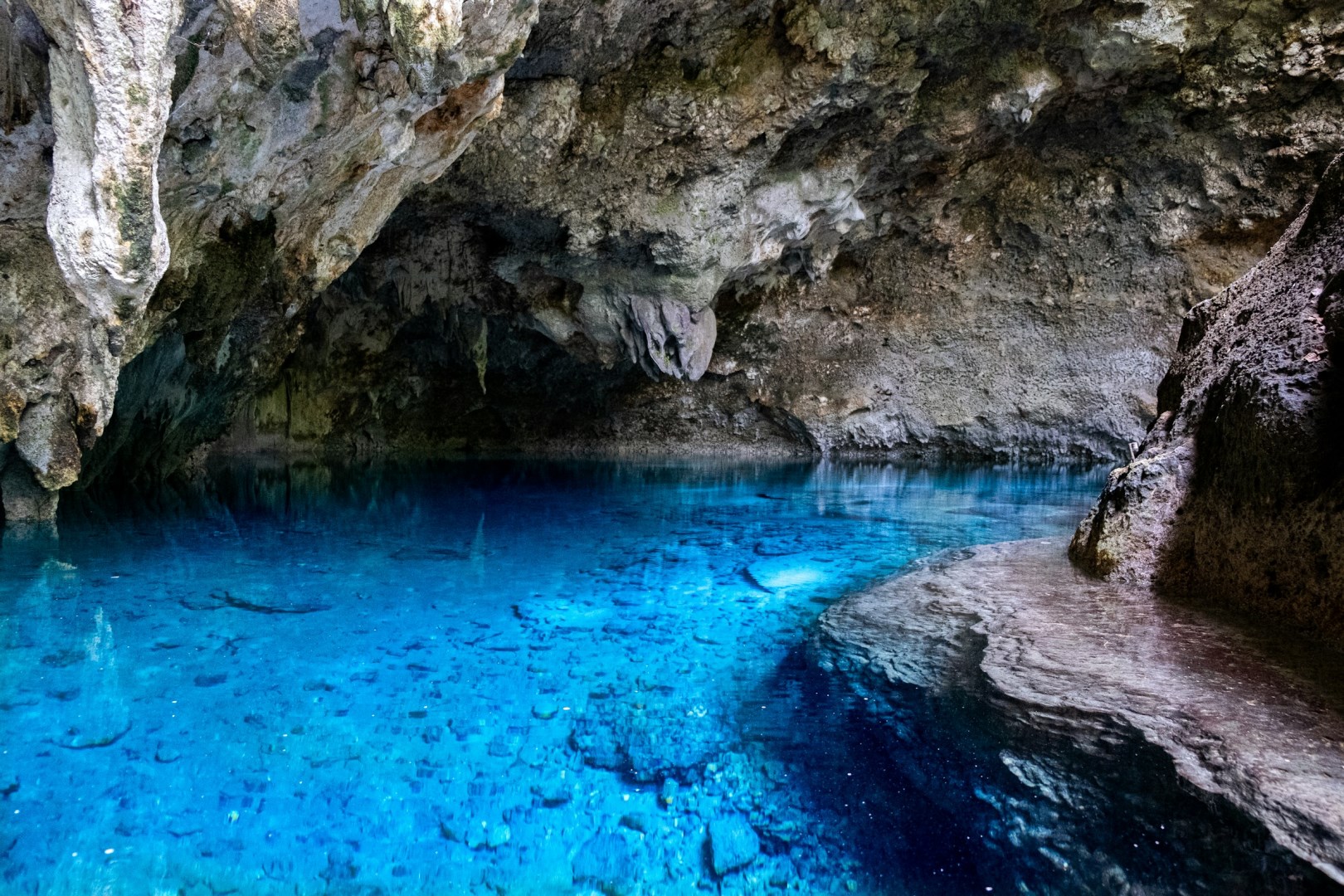
Los Tres Ojos (The Three Eyes) National Park is one of the most visited tourist attractions in the Dominican Republic. Made up of a cave system, there are four lakes within, each with their own features or traits.
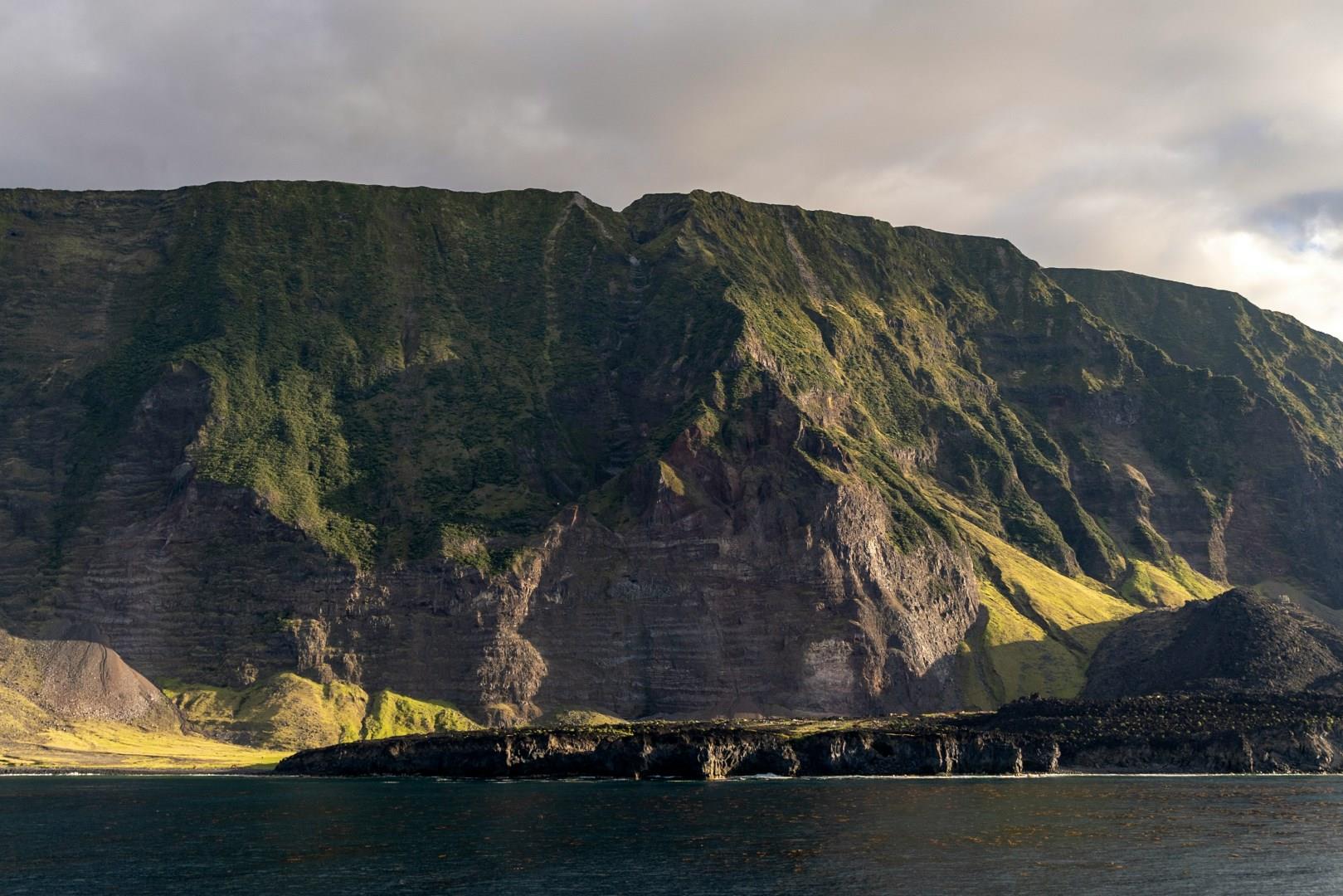
St. Helena is a remote island in the South Atlantic Ocean, known for its dramatic cliffs, volcanic landscapes, and rich history. It is most famous as the place where Napoleon Bonaparte spent his final years in exile, and visitors can explore Longwood House and other historic sites that tell the story of this period.
South Korea is a land where ancient traditions live alongside futuristic cities. From Seoul’s grand palaces and vibrant arts scene to the volcanic landscapes of Jeju Island and the tranquil reflection of rice paddies in rural valleys, the country balances its rich heritage with constant reinvention.
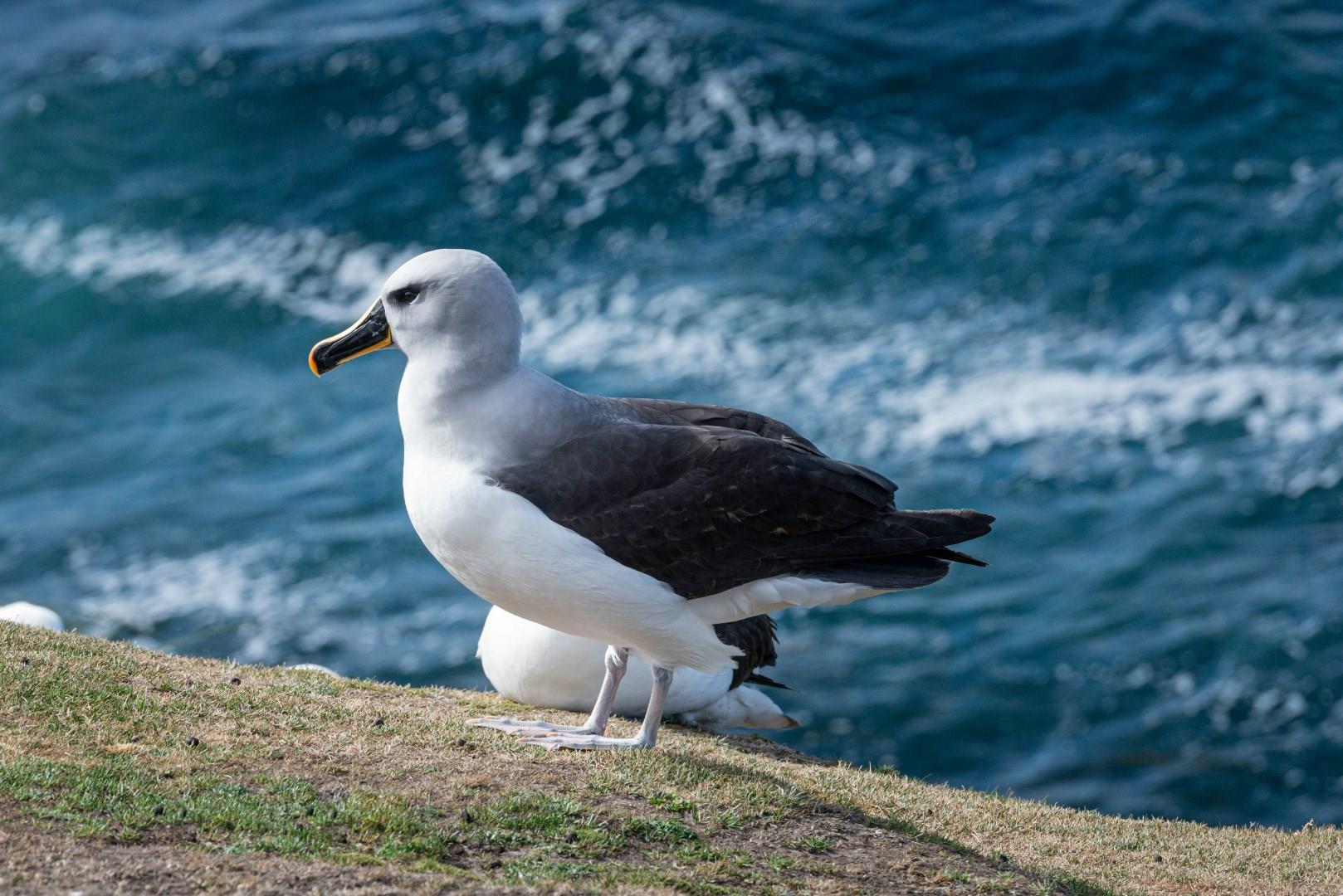
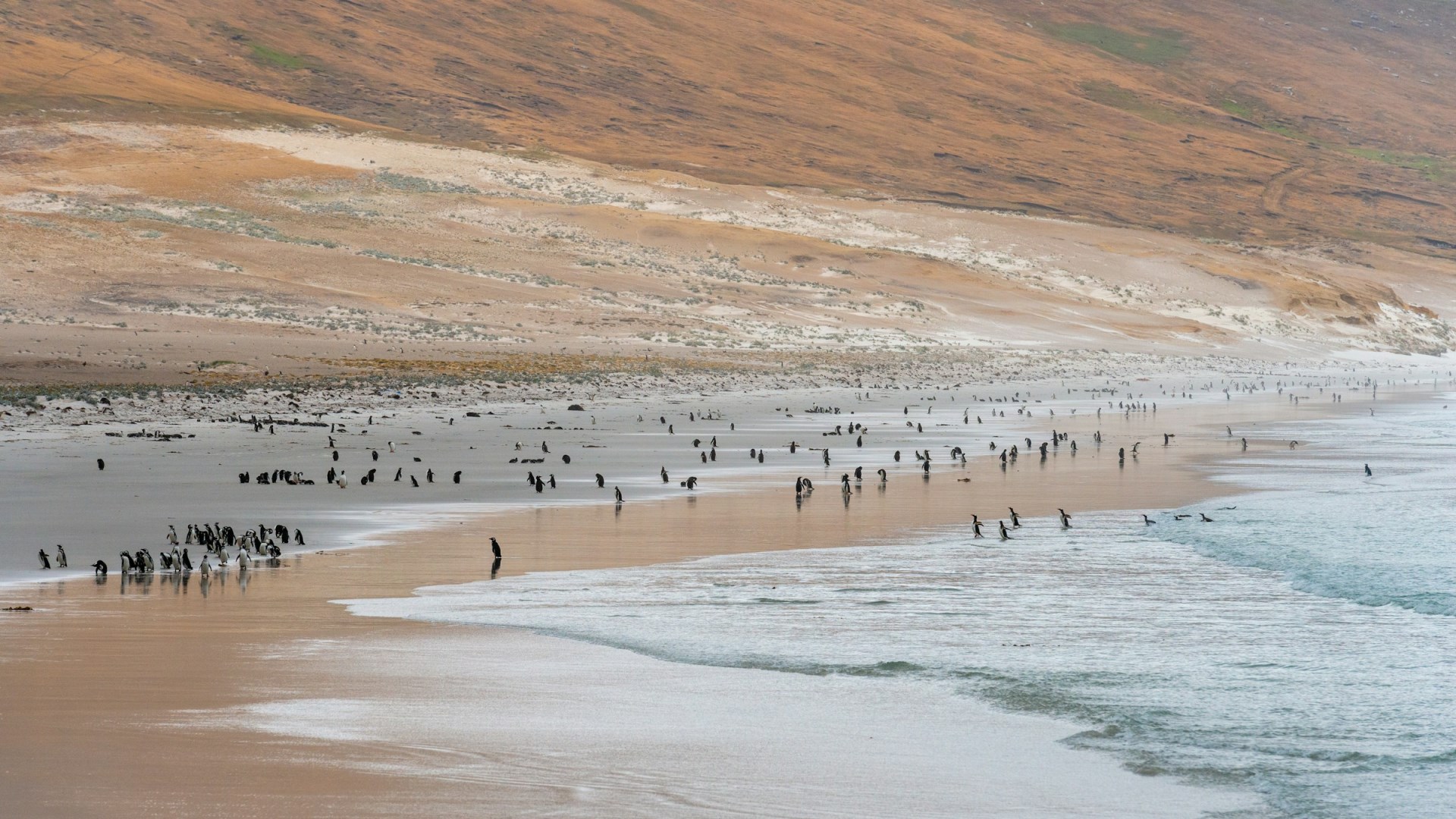
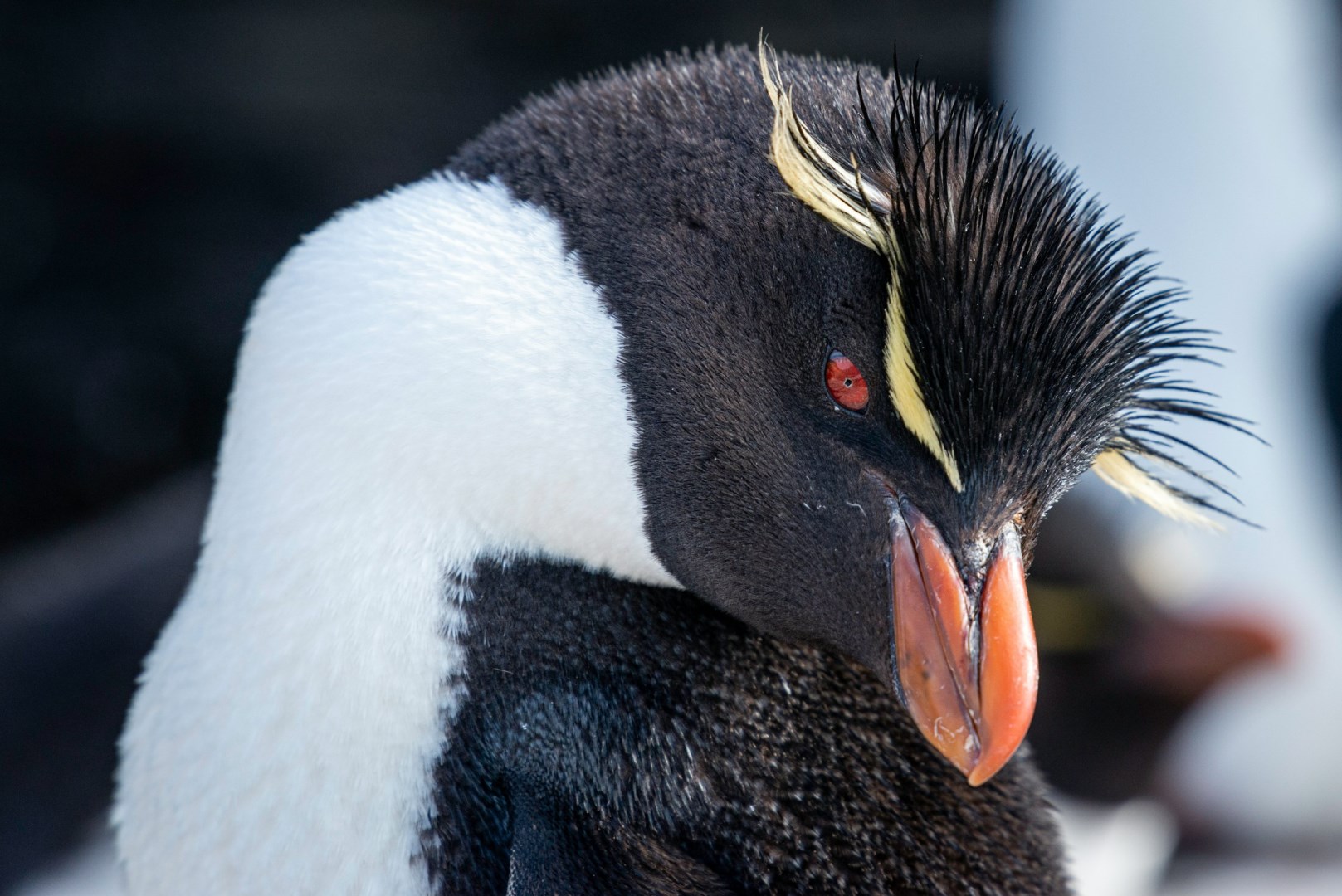
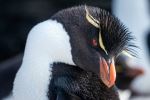
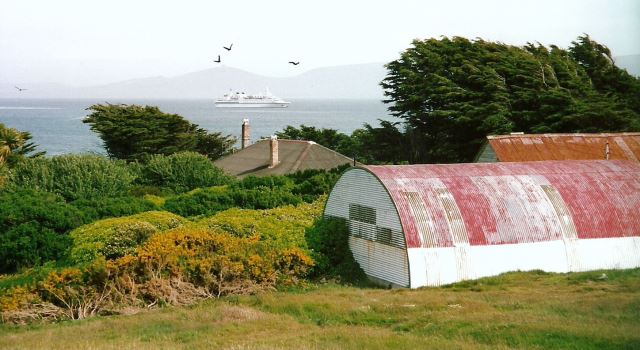
Saunders Island, located in the northwestern part of the Falkland Islands, is a haven for wildlife enthusiasts and history buffs alike. This remote and rugged island, covering over 49 square miles, offers visitors the chance to experience nature at its most pristine. Saunders Island is one of the few places in the world where you can observe five species of penguins, Gentoo, King, Magellanic, Rockhopper, and the occasional Macaroni, all in one location. The island's varied landscapes, from white sandy beaches to rolling hills and dramatic cliffs, provide the perfect backdrop for wildlife photography and leisurely hikes.
The island holds historical significance as well. It was one of the first areas in the Falklands to be settled by Europeans, with a history dating back to the late 18th century. Visitors can explore the remains of these early settlements, gaining insight into the challenging life of the island's early inhabitants. The island is still privately owned and operated as a sheep farm, adding to its rustic charm.
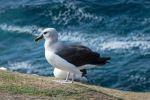
Fun fact: Saunders Island is home to the "Neck," a narrow isthmus that connects two parts of the island and is a favorite spot for photographers. This area is particularly known for its abundance of birdlife, including the striking black-browed albatross, which nests here in large numbers .
Other Popular Destinations in Falkland Islands
Stanley
Stanley, the charming capital of the Falkland Islands, offers an enchanting glimpse into life at the edge of the world. Located on East Falkland, this quaint town is known for its picturesque harbor and colorful Victorian architecture. The town's rich maritime history is evident at the Falkland Islands Museum, which displays fascinating exhibits about the islands' past.
Carcass Island
Adjoining the idyllic farm of the McGill family are miles of beaches, tussock grass, and wildflower meadows, the nesting grounds of hundreds of Magellanic and gentoo penguins, upland and kelp geese, crested and flightless steamer ducks, tussock birds, and night herons. After viewing the birds, take a spot of tea in Mrs. McGill's kitchen.