Lapu Lapu City
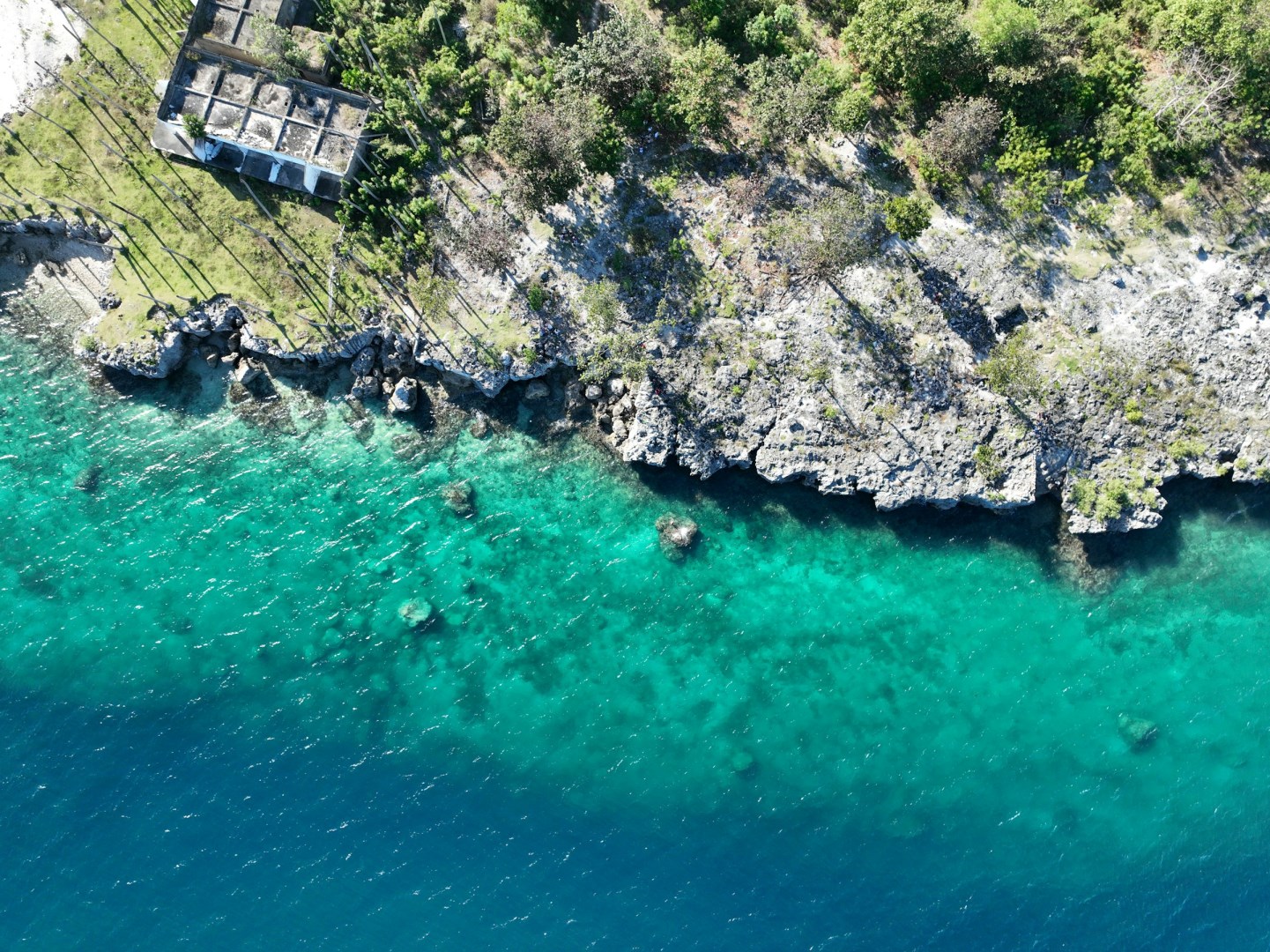
Lapu-Lapu City occupies much of Mactan Island in Cebu Province, Philippines, and is connected to Cebu City and the mainland by bridges across the Mactan Channel. The city combines a busy urban environment with beaches, resorts, coastal communities, and a major international airport. Mactan Island is also known for its coral-rich waters and long association with fishing and maritime trade.
Drakensberg
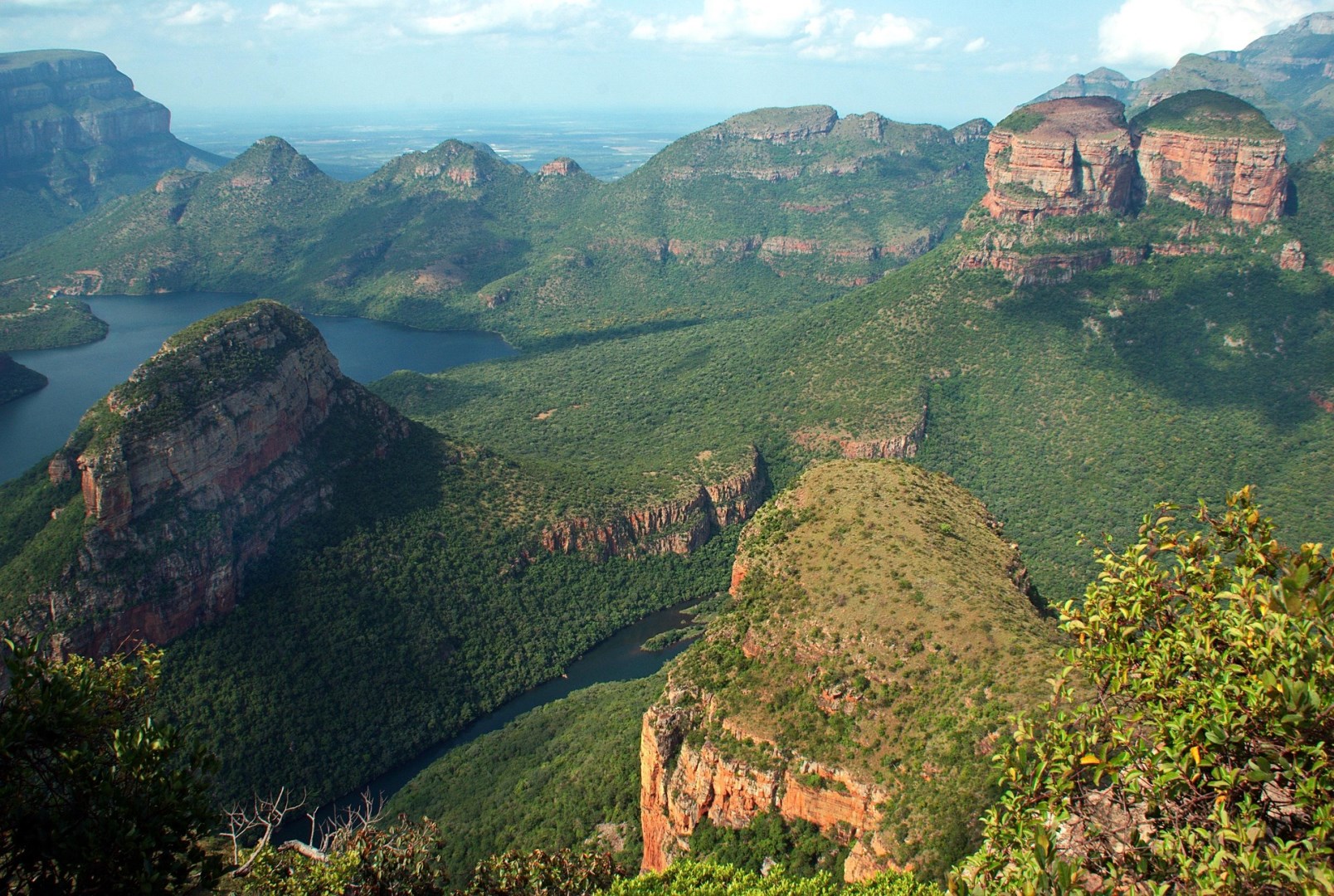
Drakensberg in Lesotho forms part of the country’s dramatic highland landscape, where steep mountains, deep valleys, and high plateaus dominate the scenery. The range is especially prominent in the eastern part of Lesotho, with peaks rising above broad upland areas and remote settlements. The Maloti Mountains, as they are known within Lesotho, are closely linked to the country’s geography and way of life. Much of the highland terrain is covered by grassland, while rivers and streams cut through
Moremi Wildlife Reserve
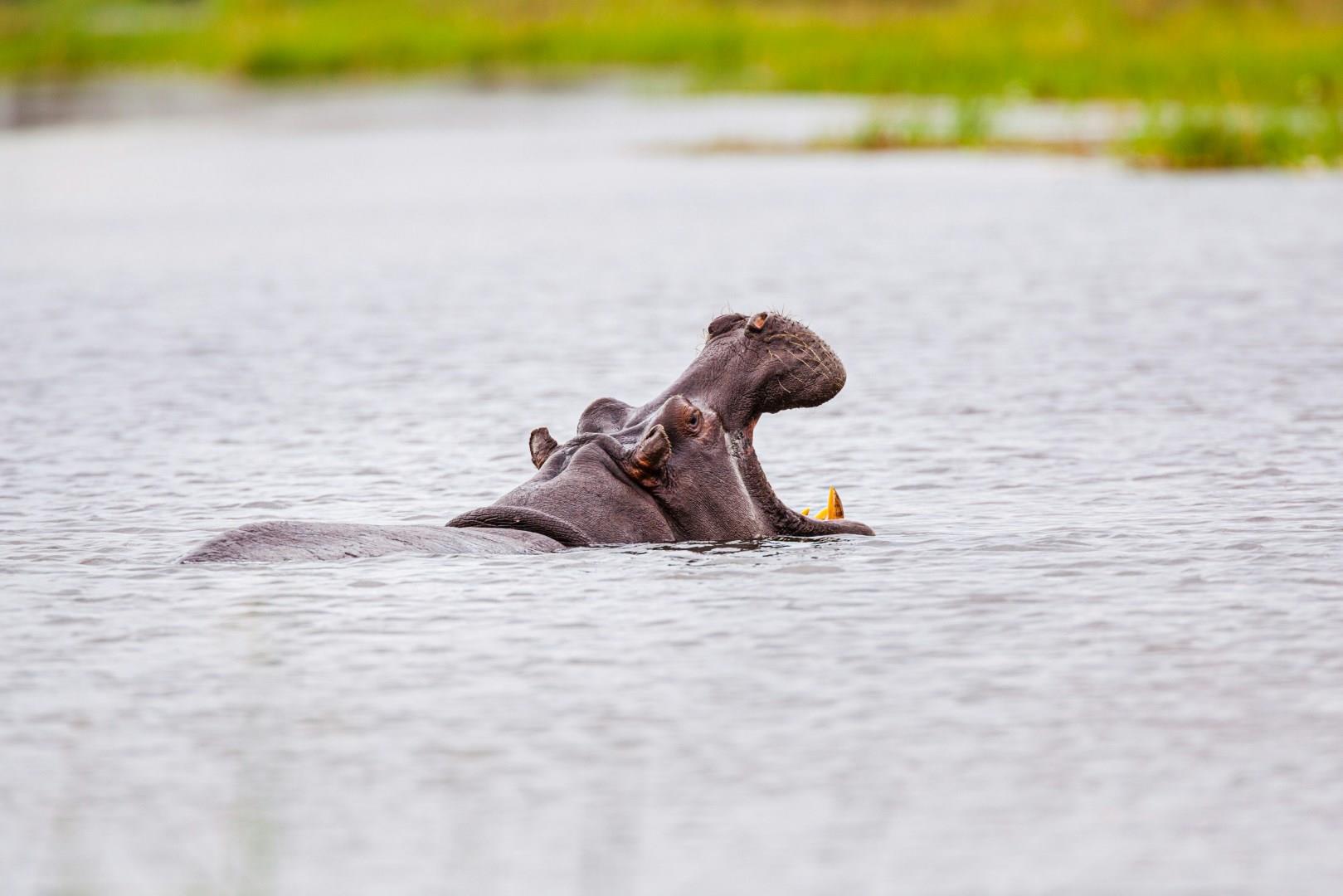
Moremi Wildlife Reserve, nestled in the heart of Botswana’s Okavango Delta, is a premier destination for those seeking an extraordinary safari experience. This pristine reserve, established in 1963, offers a rich tapestry of landscapes including lush floodplains, verdant woodlands, and expansive lagoons. Its diverse ecosystems make it one of Africa's most sought-after wildlife viewing locations.
Muara
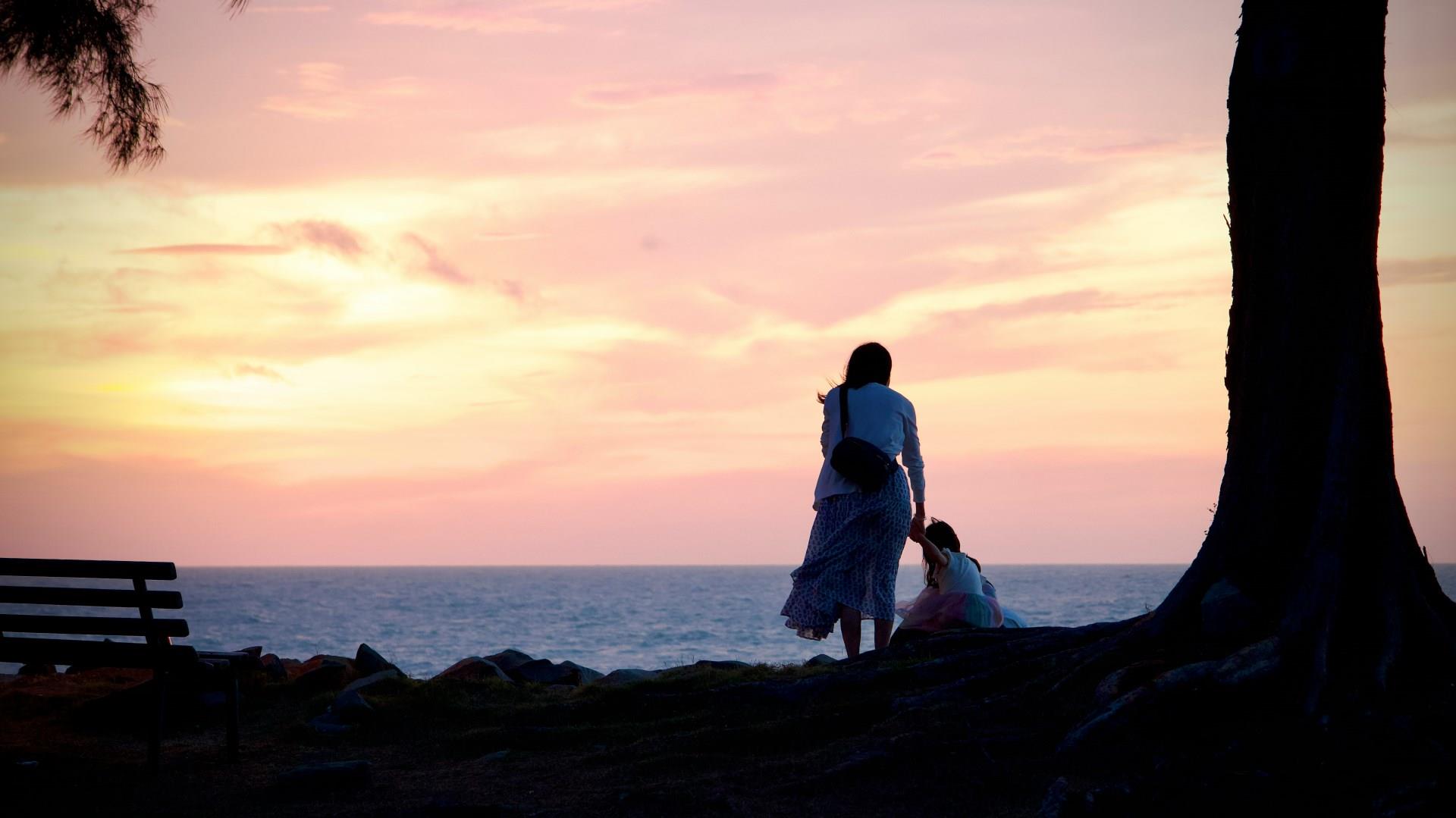
Muara is a small coastal town in Brunei, positioned where the Brunei River meets the South China Sea.

Frankfurt
Located in central Germany, Frankfurt is a vibrant cultural and economic hub nestled on the Main River. Museums and architectural gems abound in Frankfurt, from the Goethe House, to the picturesque timber houses of Römerberg town square, to the Museumsufer, a collection of museums lining the banks of the Main.