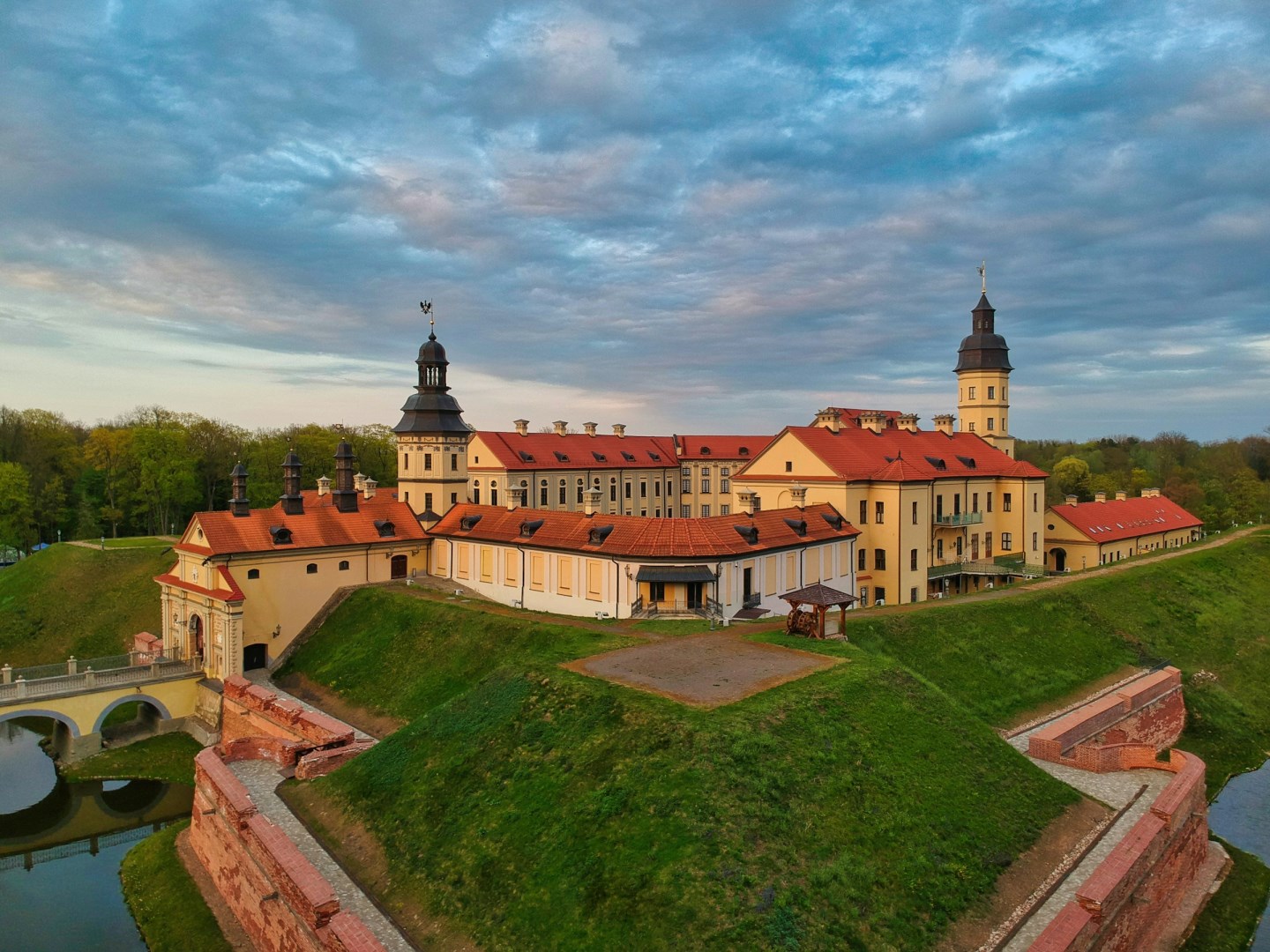
Nesvizh
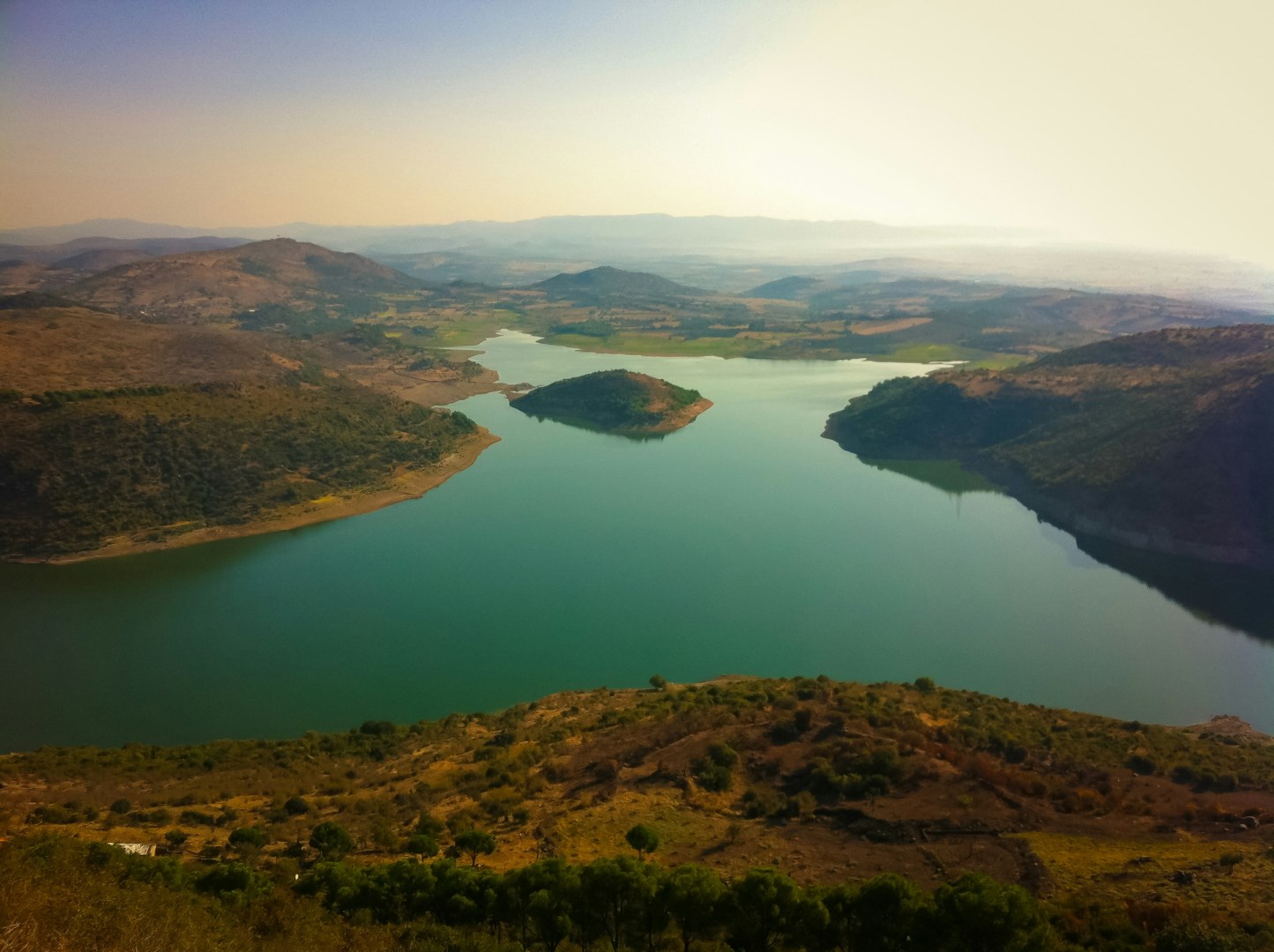
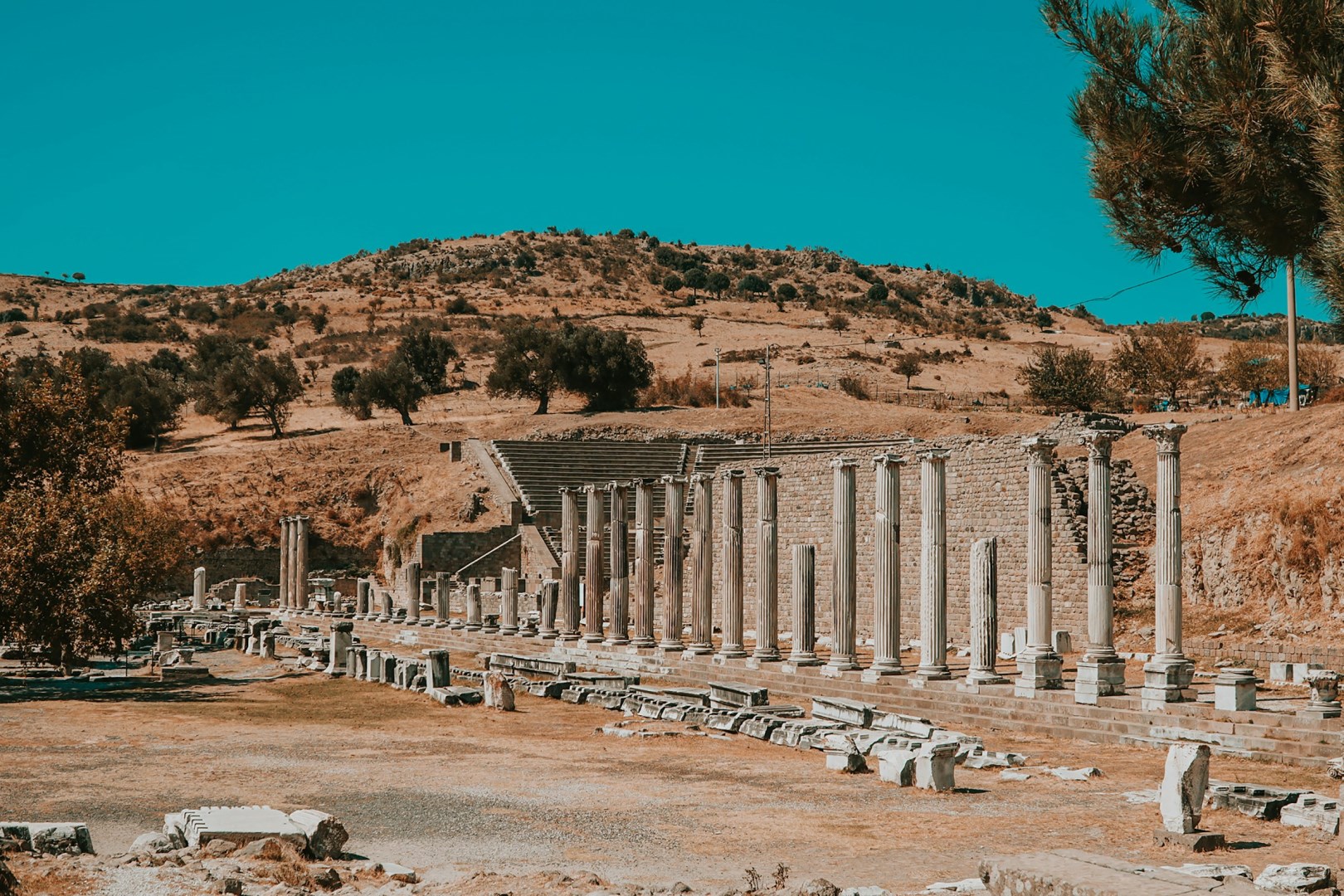
Nesvizh is a historic town in central Belarus known for its connection with the Radziwill family and its well-preserved architectural heritage. The town lies among low wooded landscapes and cultivated fields, with the Nesvizh Castle complex forming its principal landmark.

Australia & New Zealand
Australia and New Zealand each have their own identities, shaped by indigenous heritage, colonial history, and vibrant contemporary cultures. Visitors can travel between the two in just a few hours, yet find themselves in entirely different worlds.
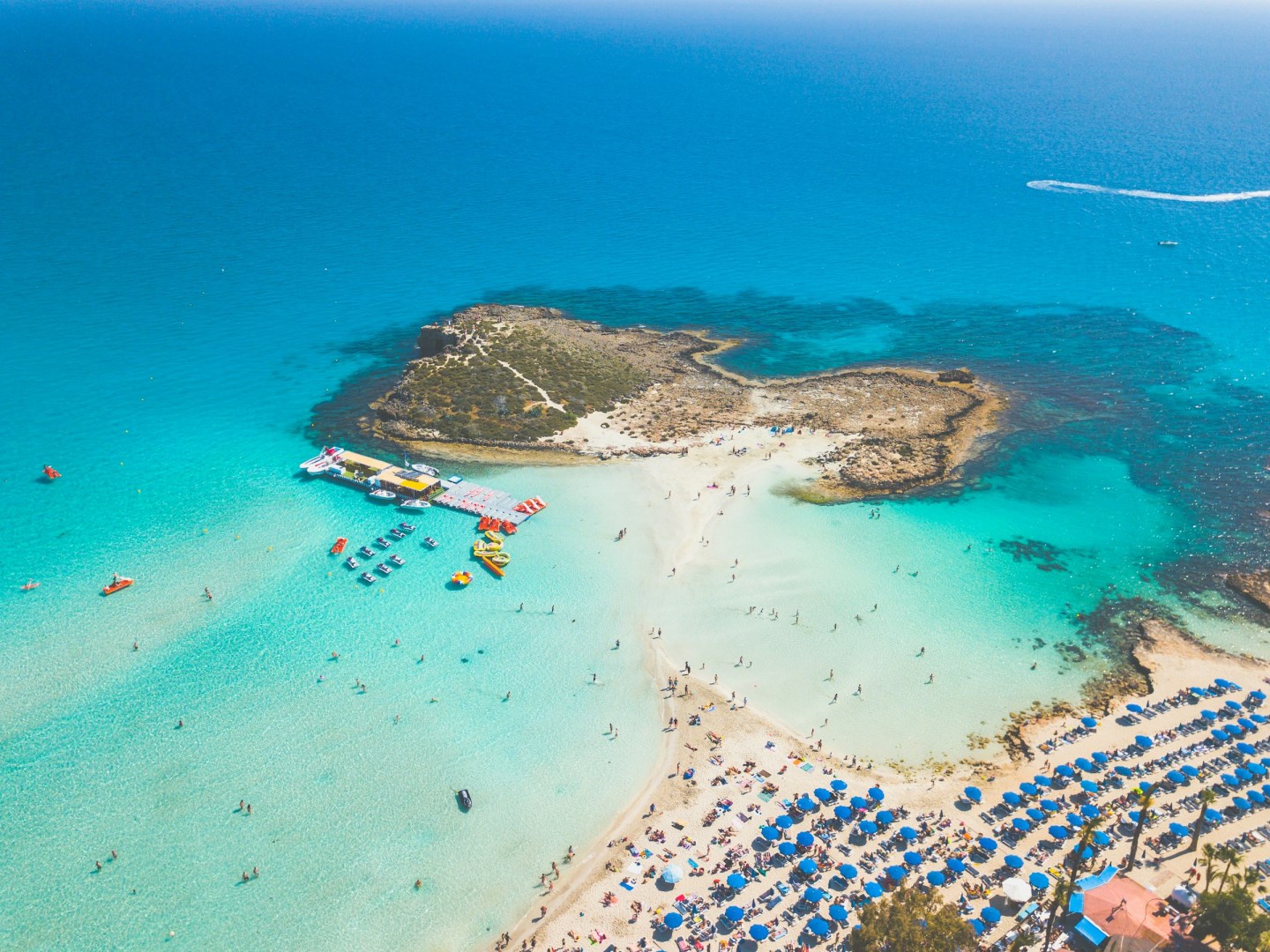
Ayia Napa
Ayia Napa is a coastal town in southeastern Cyprus, known for its sandy beaches, clear coastal waters, fishing harbor, and extensive tourism infrastructure. Once a small fishing village, it has developed into one of Cyprus's best-known seaside resorts while retaining several historic and cultural landmarks.

Port Moresby
Port Moresby sits by the Coral Sea as Papua New Guinea’s capital and shows visitors a city of contrasts where glittering new buildings rise beside traditional villages built on stilts. One such place is Hanuabada, the original Motuan village, where roofs reach above water’s edge and everyday life still unfolds in Tok Pisin and local tongue.

Raleigh
Raleigh is the capital of the state of North Carolina; located in the east central part of the state. It is home of the largest research park in the country, Research Triangle Park. Visit some of Raleigh's many universities, parks, museums and galleries, including the North Carolina Museum of History and the North Carolina Museum of Art