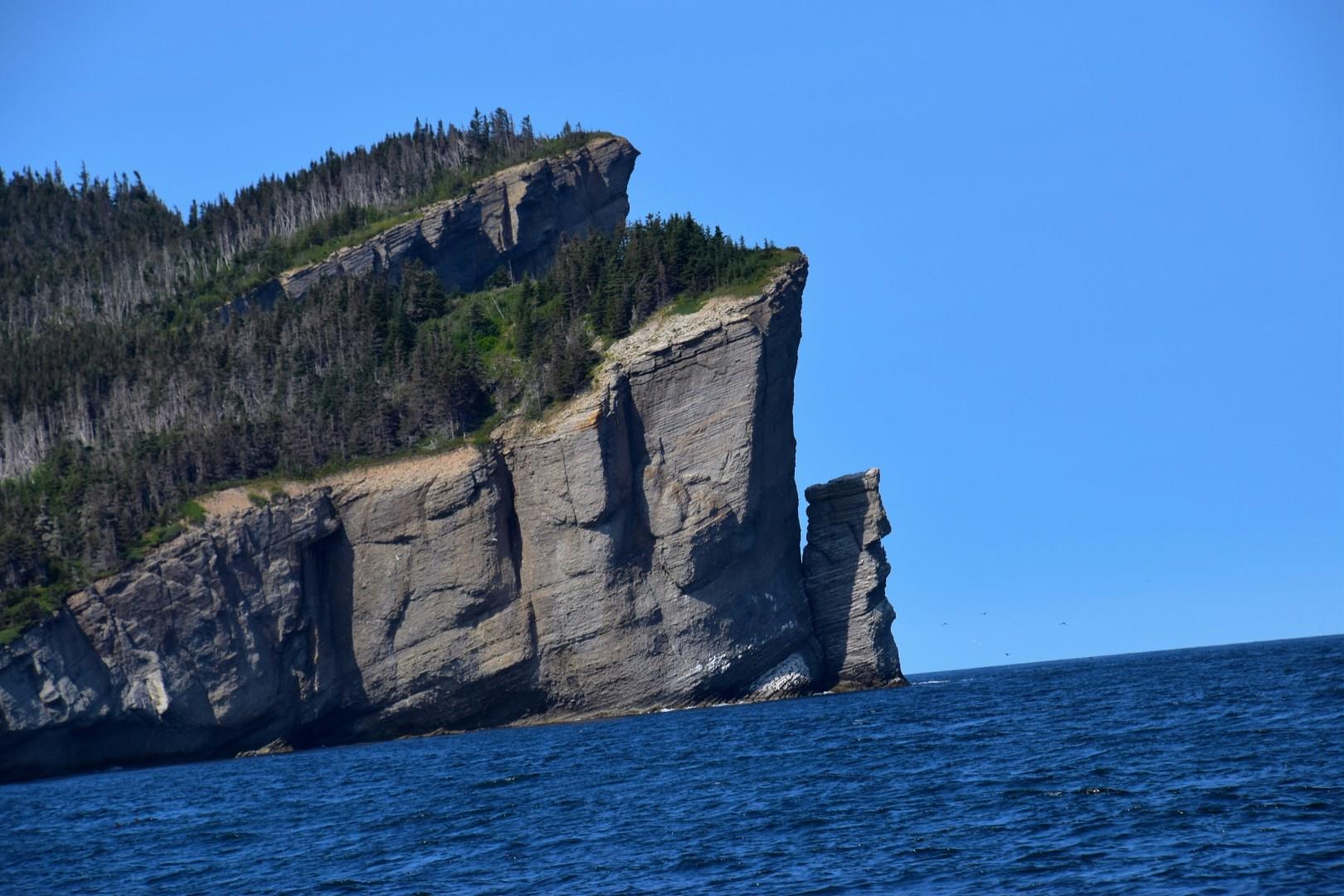
Gaspe
Gaspé sits at the eastern tip of the Gaspé Peninsula in Québec, where the St. Lawrence River opens into the Gulf and the land feels distinctly maritime.

Ionian Sea
The Ionian Sea, a stretch of the Mediterranean nestled between Italy and Greece, offers a captivating blend of azure waters, picturesque islands, and rich history. The sea is framed by Italy's western coast and Greece's western islands, including Corfu, Kefalonia, and Zakynthos. These islands provide a gateway to some of the most stunning landscapes in the region, from the rugged cliffs of Zakynthos to the lush greenery of Kefalonia.

Stanley
Stanley, the charming capital of the Falkland Islands, offers an enchanting glimpse into life at the edge of the world. Located on East Falkland, this quaint town is known for its picturesque harbor and colorful Victorian architecture. The town's rich maritime history is evident at the Falkland Islands Museum, which displays fascinating exhibits about the islands' past.

Watamu
Watamu, located on Kenya’s picturesque coast, is a paradise for beach lovers and nature enthusiasts alike. Renowned for its pristine white-sand beaches and turquoise waters, Watamu is part of the Watamu Marine National Park, a protected area known for its vibrant coral reefs and rich marine biodiversity. The park is a haven for snorkeling and diving, with opportunities to see colorful fish, sea turtles, and even dolphins.

Baden-Baden
Nestled in the foothills of the Black Forest, Baden-Baden is Germany's ultimate spa destination, famous for its luxurious thermal baths and charming Belle Époque architecture. This elegant town, whose name literally translates to "Baths of Baden," has attracted visitors seeking relaxation and rejuvenation for centuries.