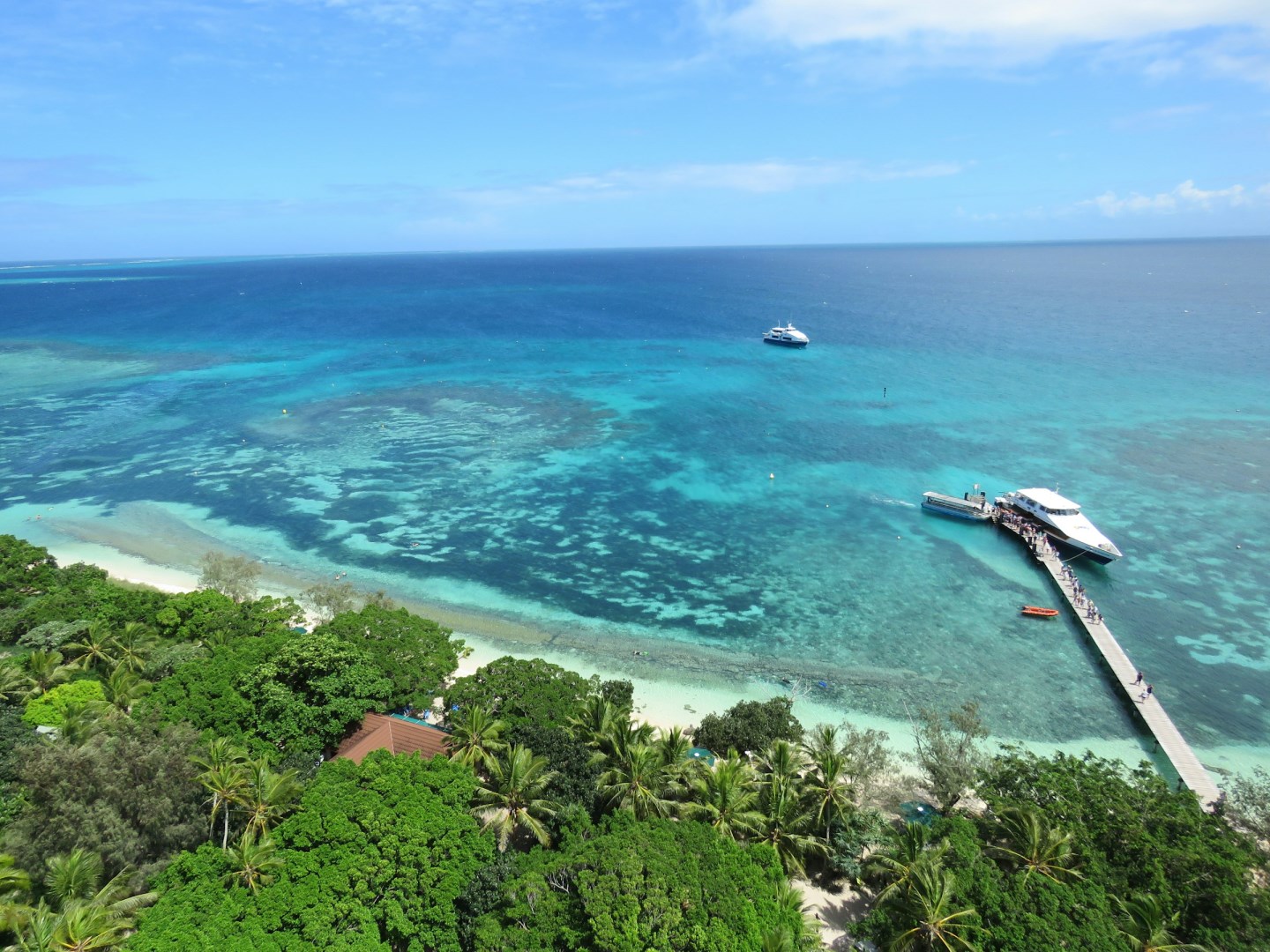
Amédée Islet
Amédée Islet, known locally as Îlot Amédée, is a small coral islet in the lagoon off the southern coast of New Caledonia. It lies within the New Caledonian Lagoon, a UNESCO World Heritage site recognized for its extensive reef systems and marine habitats. The islet is surrounded by shallow turquoise waters, coral reefs, and sandy beaches, while low vegetation covers much of its interior. Its most recognizable landmark is the Amédée Lighthouse.
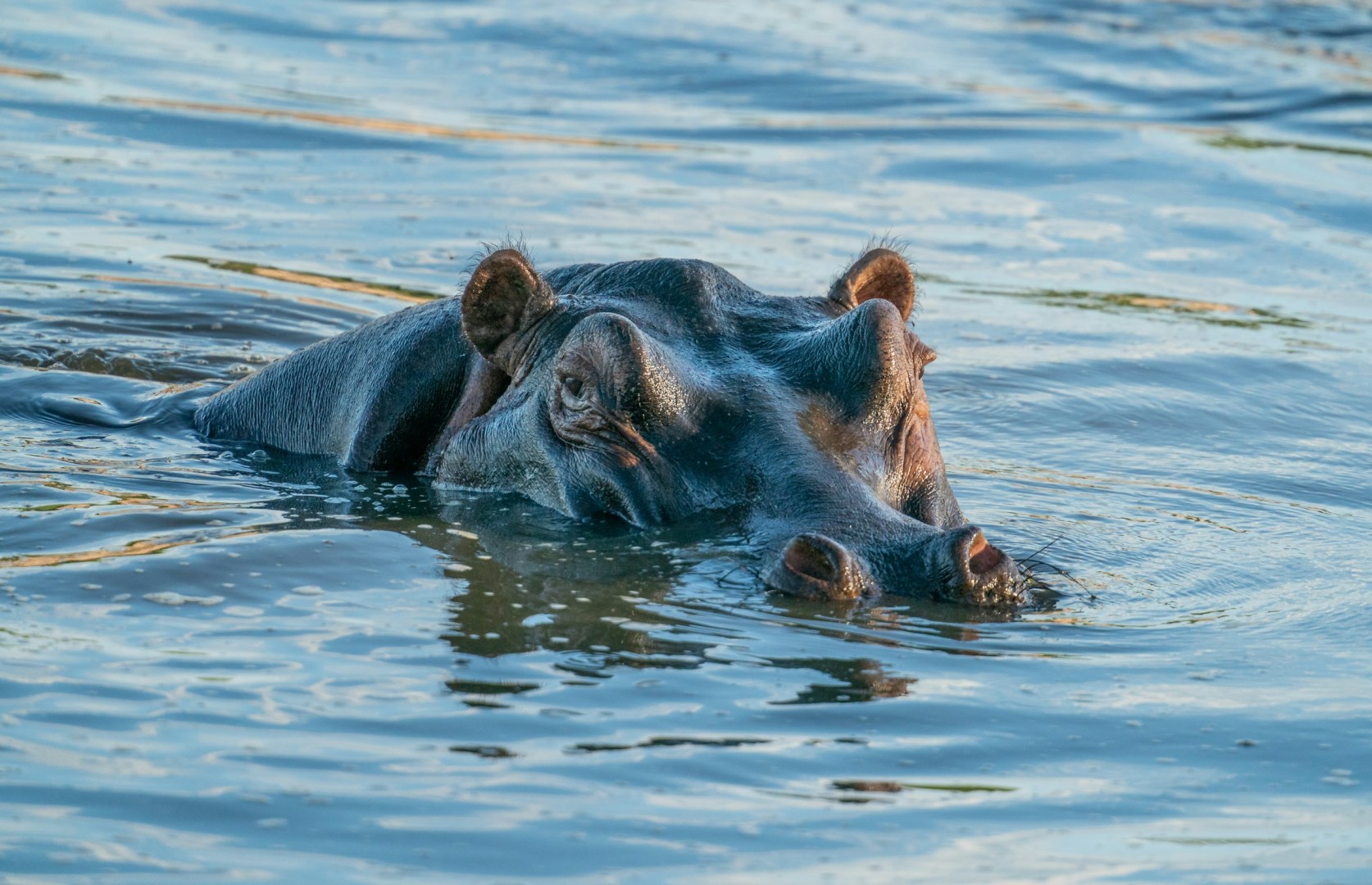
Iringa
Iringa is a highland city in southern Tanzania, built on steep slopes overlooking the Little Ruaha River. Its elevated setting gives the city a cooler climate and broad views across surrounding hills and agricultural land. Iringa is an important regional centre and serves as a gateway to Ruaha National Park, one of Tanzania’s major wildlife areas.
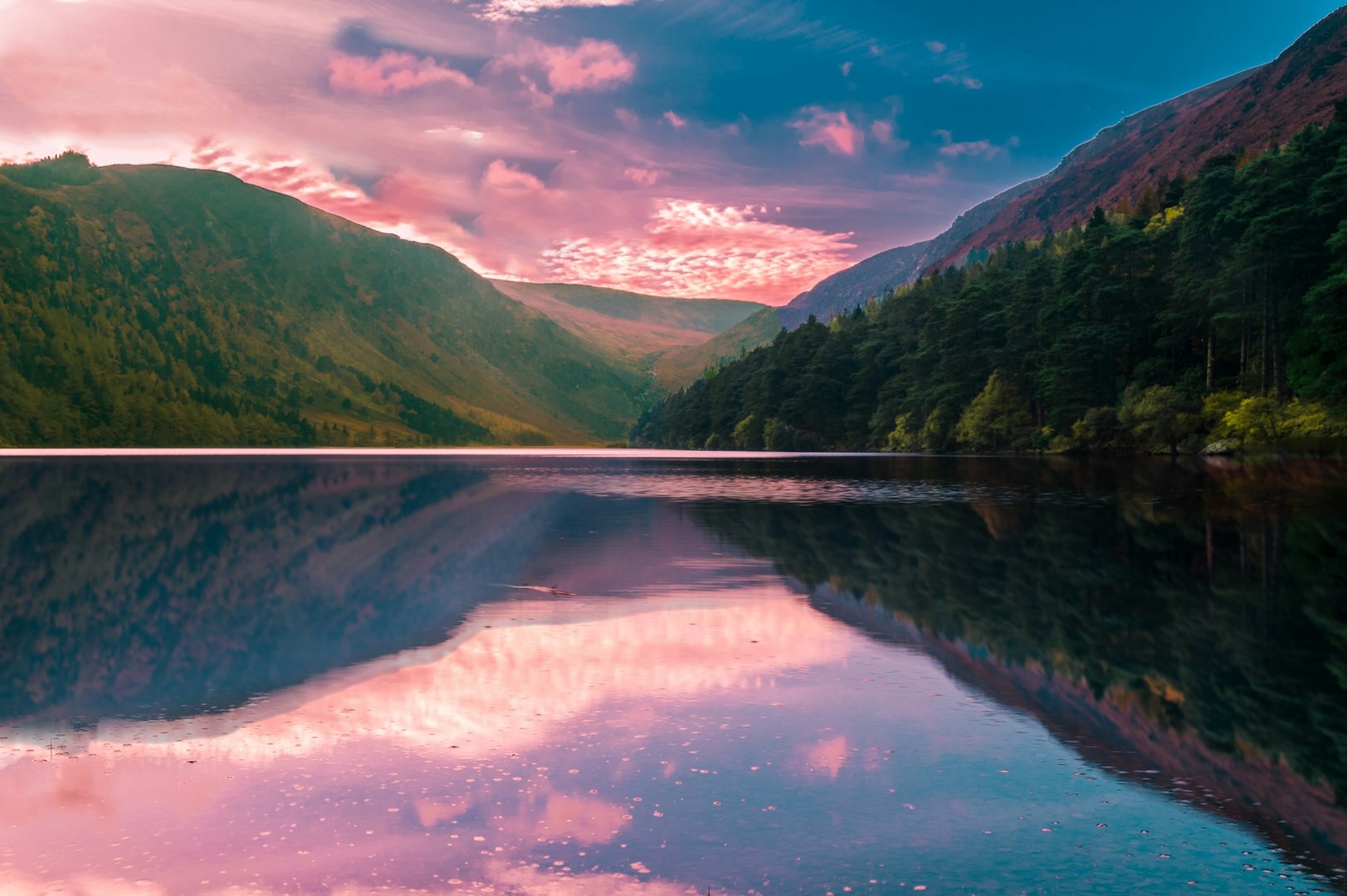
Wicklow
Wicklow is a coastal town in County Wicklow on Ireland’s east coast, positioned around a sheltered harbor where the Vartry River meets the Irish Sea. Known locally as the county town, it combines a working harbor, historic streets, coastal walks, and access to the wider landscapes of the Garden County. The ruins of Black Castle stand on a rocky headland above the harbor, while the Murrough provides a broad coastal wetland for walking and wildlife observation.
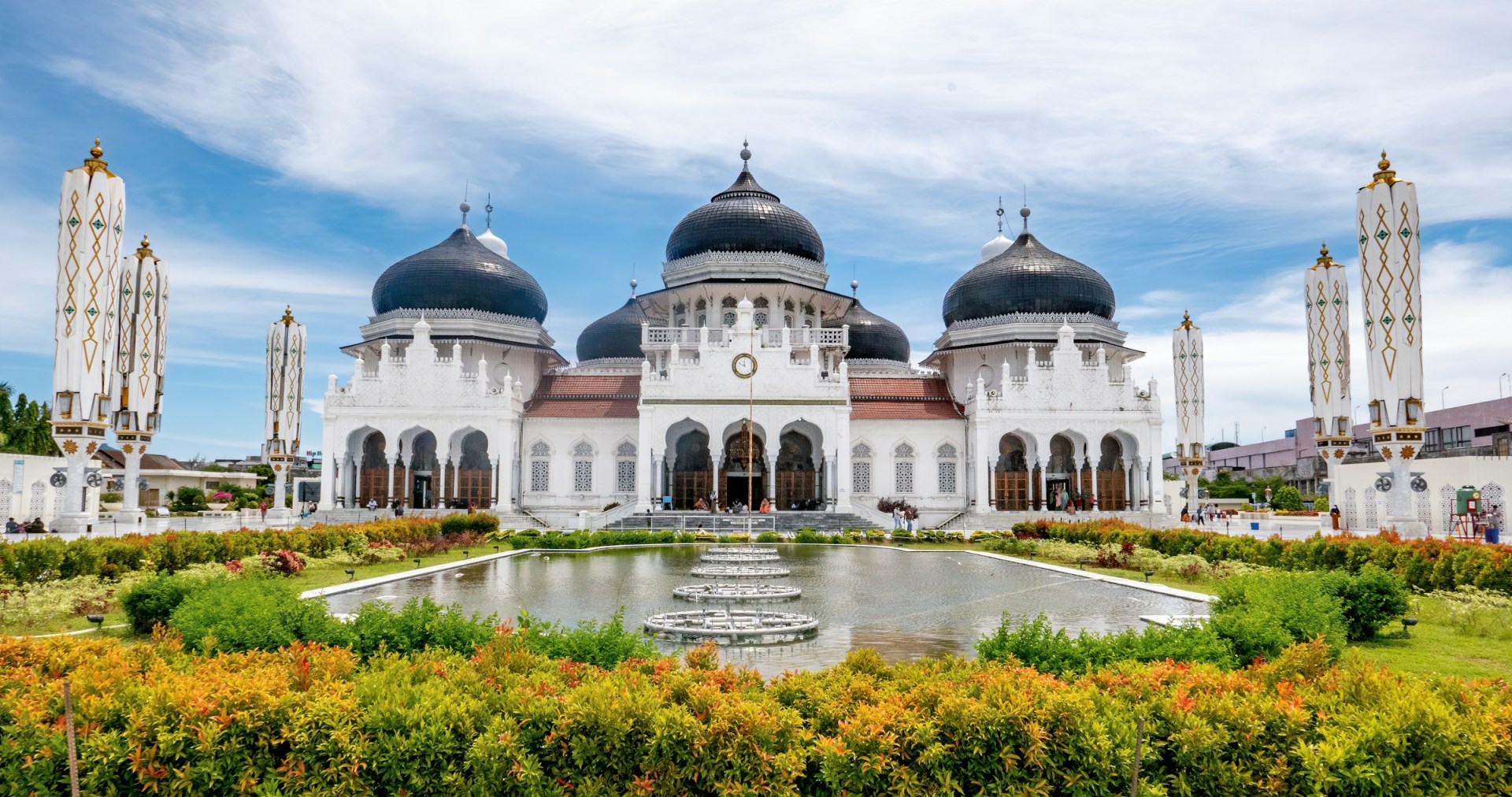
Aceh
Aceh is a province at the northern tip of Sumatra, with Banda Aceh as its capital and a coastline facing the Andaman Sea, Malacca Strait, and Indian Ocean. Its identity is strongly shaped by Islam, local adat traditions, and a long history of sultanates and maritime trade. Banda Aceh’s Baiturrahman Grand Mosque is one of the province’s best-known landmarks, while the Aceh Tsunami Museum documents the devastating Indian Ocean tsunami and its lasting impact on local communities.

Mauritius
Mauritius, a jewel in the Indian Ocean, is known for its turquoise lagoons and coral reefs. The island is a haven for relaxation and adventure.