St. Andrews
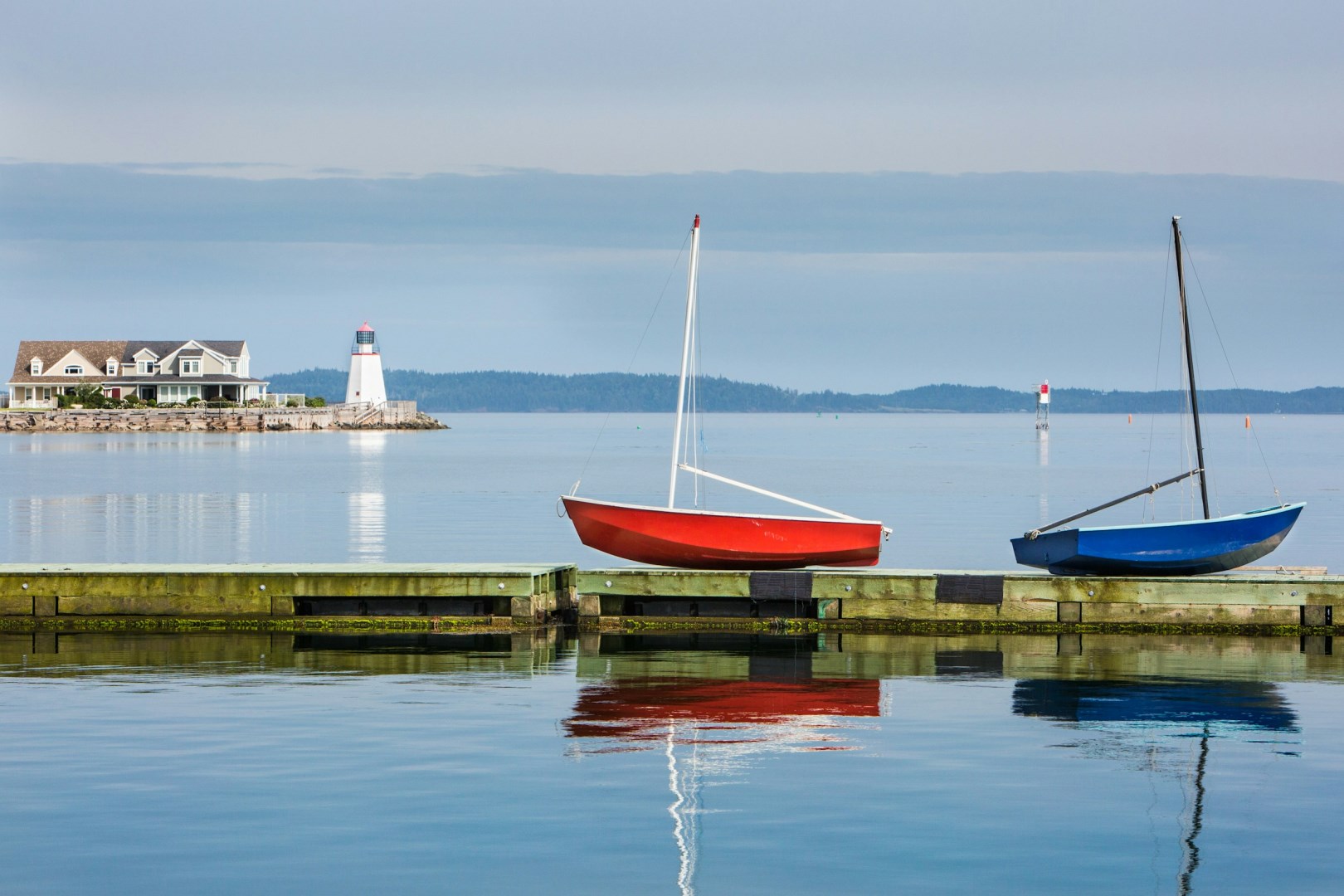
Surrounded by Passamaquoddy Bay, St. Andrews' relaxed pace can be linked to the rhythm of powerful tides that can rise over 28 feet. The intertidal zone is an ever-changing landscape that nourishes a rich diversity of marine creatures. A guided walk over the tidal flats will prepare you to explore the area's many coves and islands.

Doubtful Fjord
Doubtful Fjord (Doubtful Sound) is a large fjord in southwestern New Zealand, in the same region as the smaller but better known Milford Sound. It is home to an unusually large population of bottlenose dolphins, as well as a variety of birds, fur seals, penguins, and often even humpback whales.
Brest
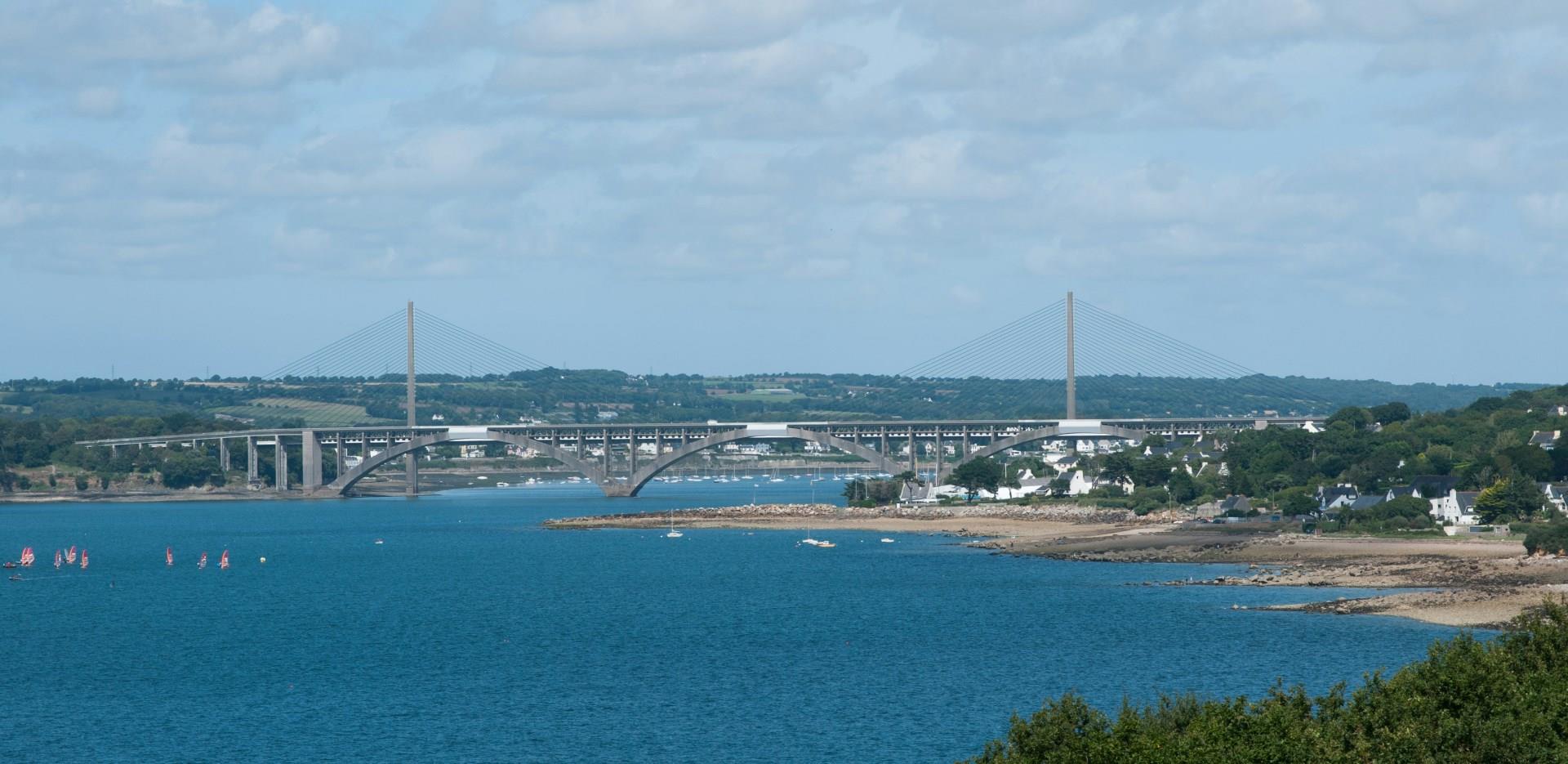
Brest sits at the western edge of Brittany, facing the Atlantic and shaped by its role as a strategic naval port. Much of the city was rebuilt after World War II, giving it a modern layout that contrasts with older Breton towns, yet its history remains closely tied to the sea.
St. David's
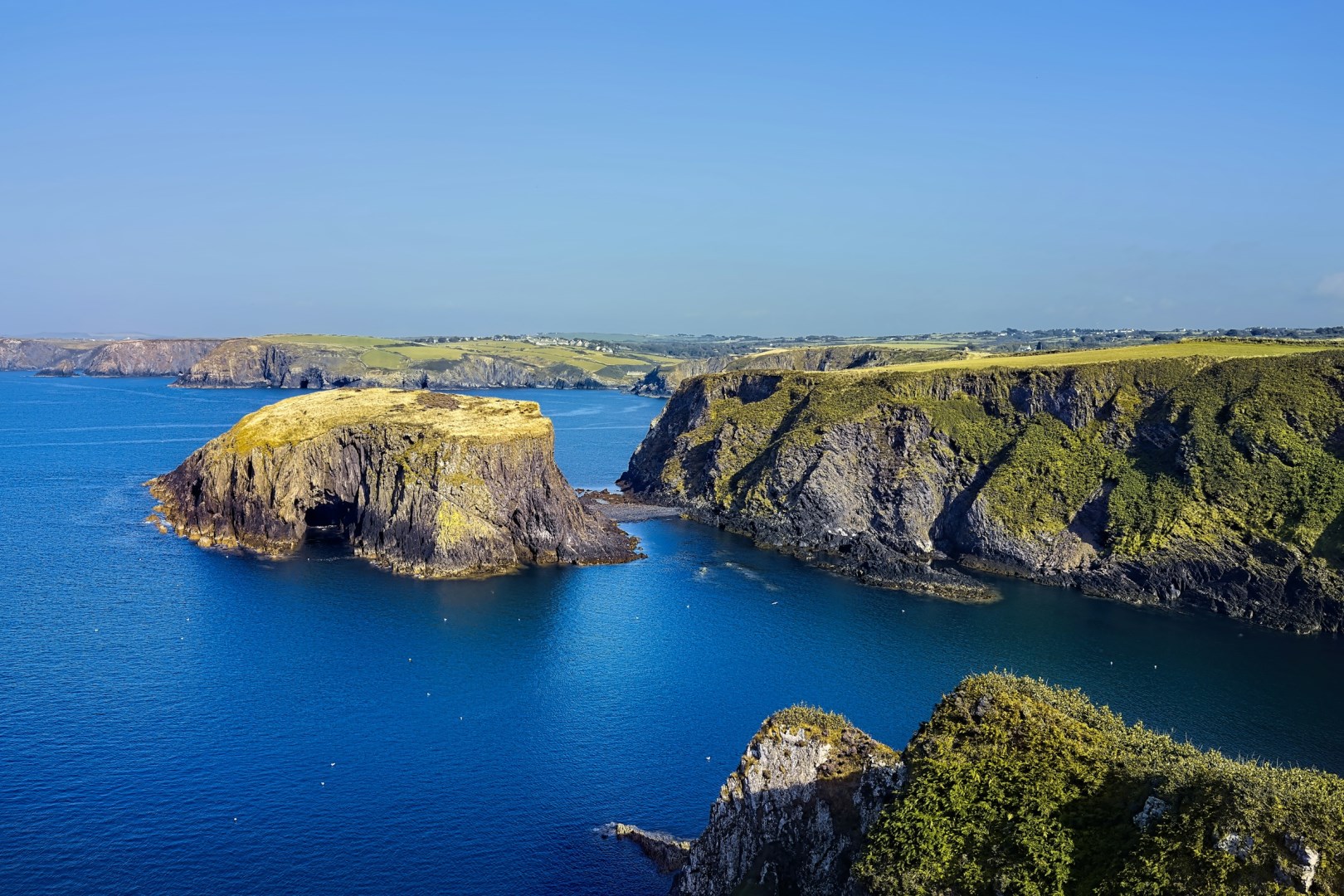
At the heart of this tiny village is the 12th-century St. Davids Cathedral. And, beside it lie the ruins of the bishop's Palace. Walk the coastal path and visit the popular Oceanarium.
Sicily
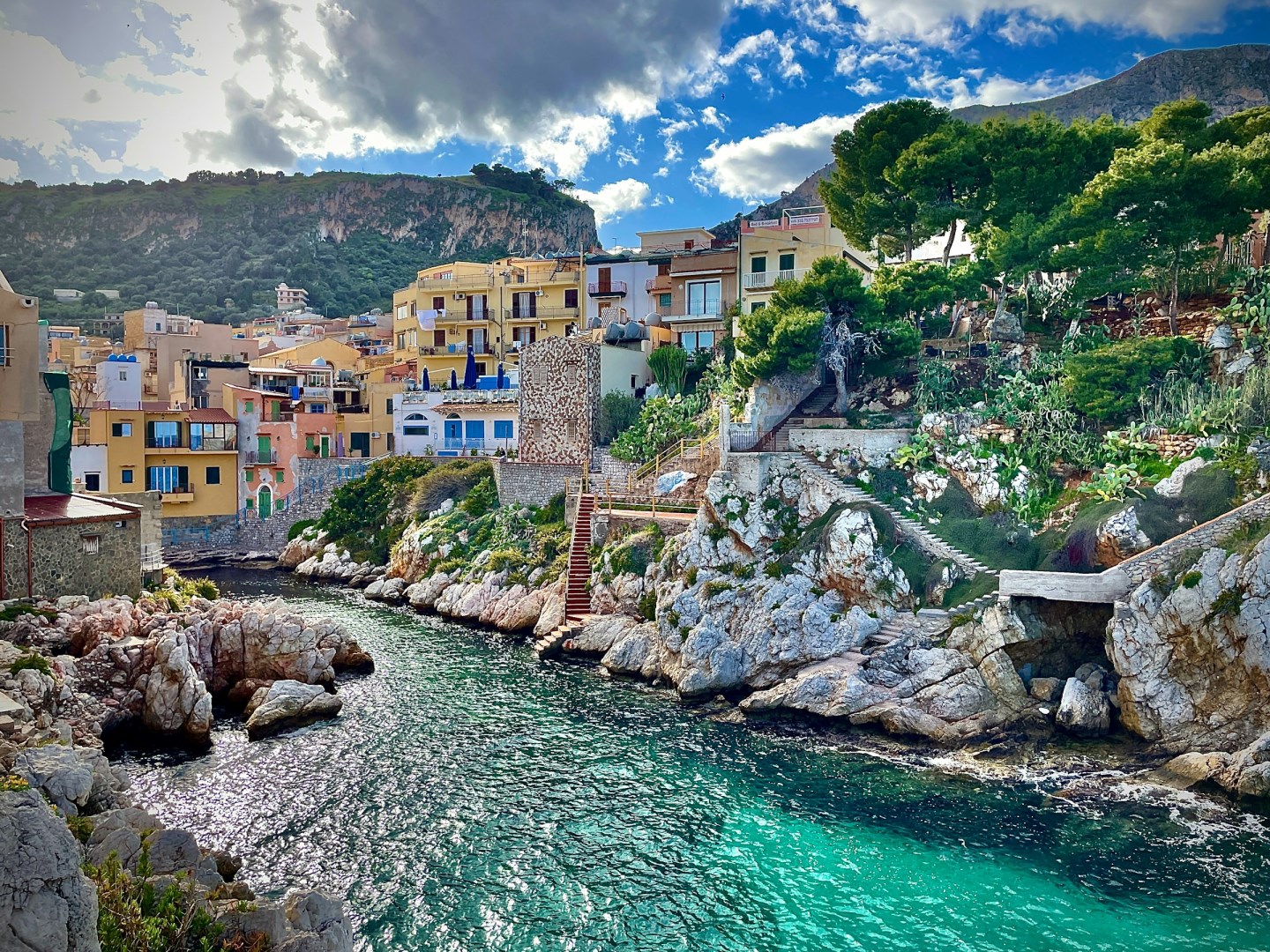
Sicily, the largest island in the Mediterranean, is a captivating blend of ancient history, stunning landscapes, and vibrant culture. The island’s rich past is evident in its archaeological treasures, with Greek, Roman, Arab, and Norman influences shaping its architecture and traditions. The Valley of the Temples in Agrigento is a must-visit for history lovers, where you can wander among some of the best-preserved Greek temples outside of Greece.