Manarola
Manarola, one of the most picturesque villages in Italy’s famed Cinque Terre, is a haven for travelers seeking a blend of breathtaking scenery, vibrant local culture, and authentic Italian charm. Perched on a rocky cliff overlooking the Ligurian Sea, the village is known for its iconic pastel-colored houses cascading down the hillside.
Luganville
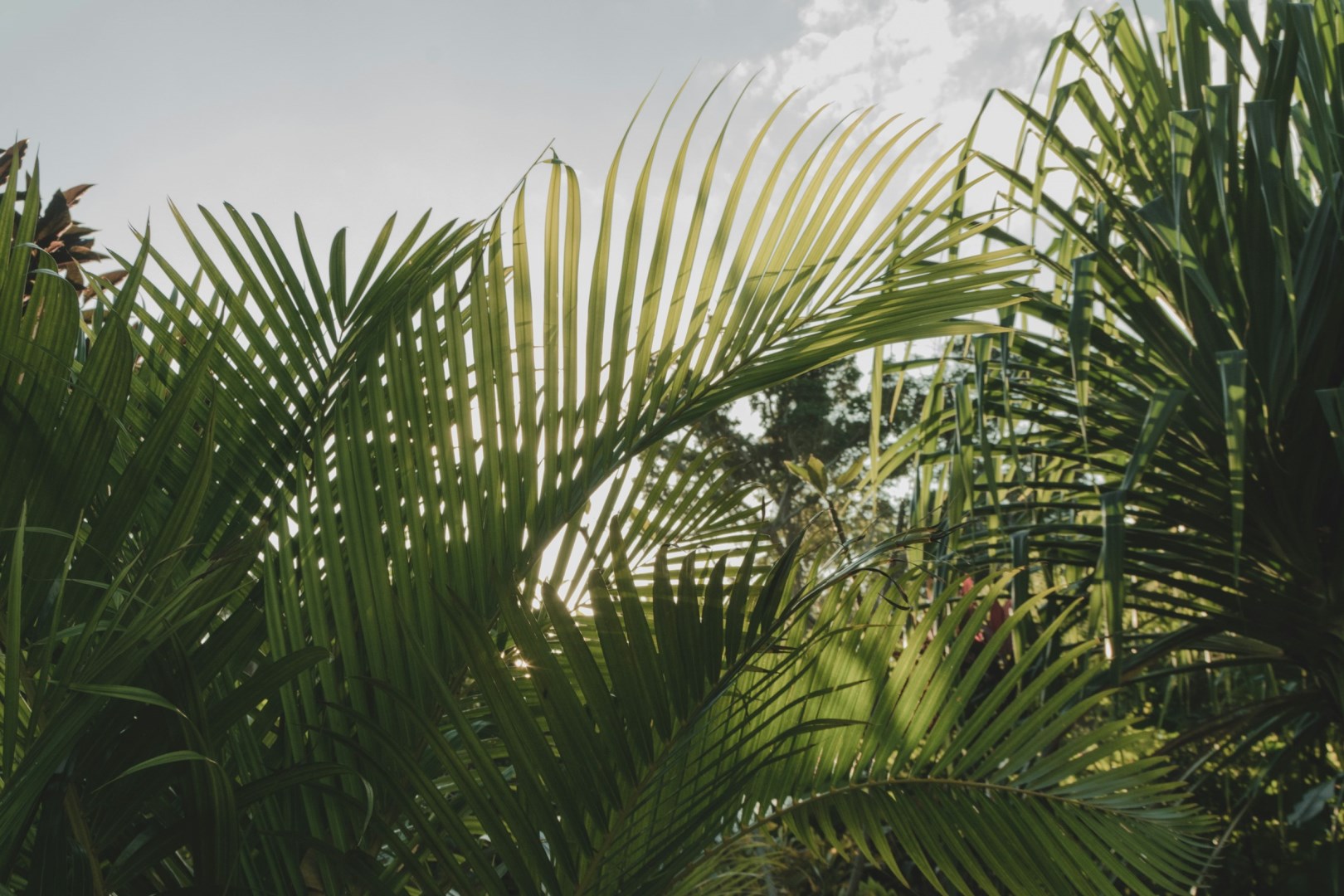
Luganville is Vanuatu’s second-largest town and the main urban center of Espiritu Santo, the country’s largest island. It stretches along the south coast of the Segond Channel, with roads, shops, markets, small businesses, and waterfront communities forming the center of daily life. The town developed around its harbor and remains closely connected with fishing, agriculture, and tourism.

Salzburg
Nestled in the foothills of the Eastern Alps, Salzburg, Austria, exudes a timeless charm that combines Baroque splendor, musical heritage, and breathtaking natural beauty. The city is famously known as the birthplace of Wolfgang Amadeus Mozart, one of the world's greatest composers. Visitors can immerse themselves in the life and works of Mozart by visiting his birthplace, now a museum, on Getreidegasse, a picturesque street lined with wrought-iron signs and colorful facades.
Volubilis
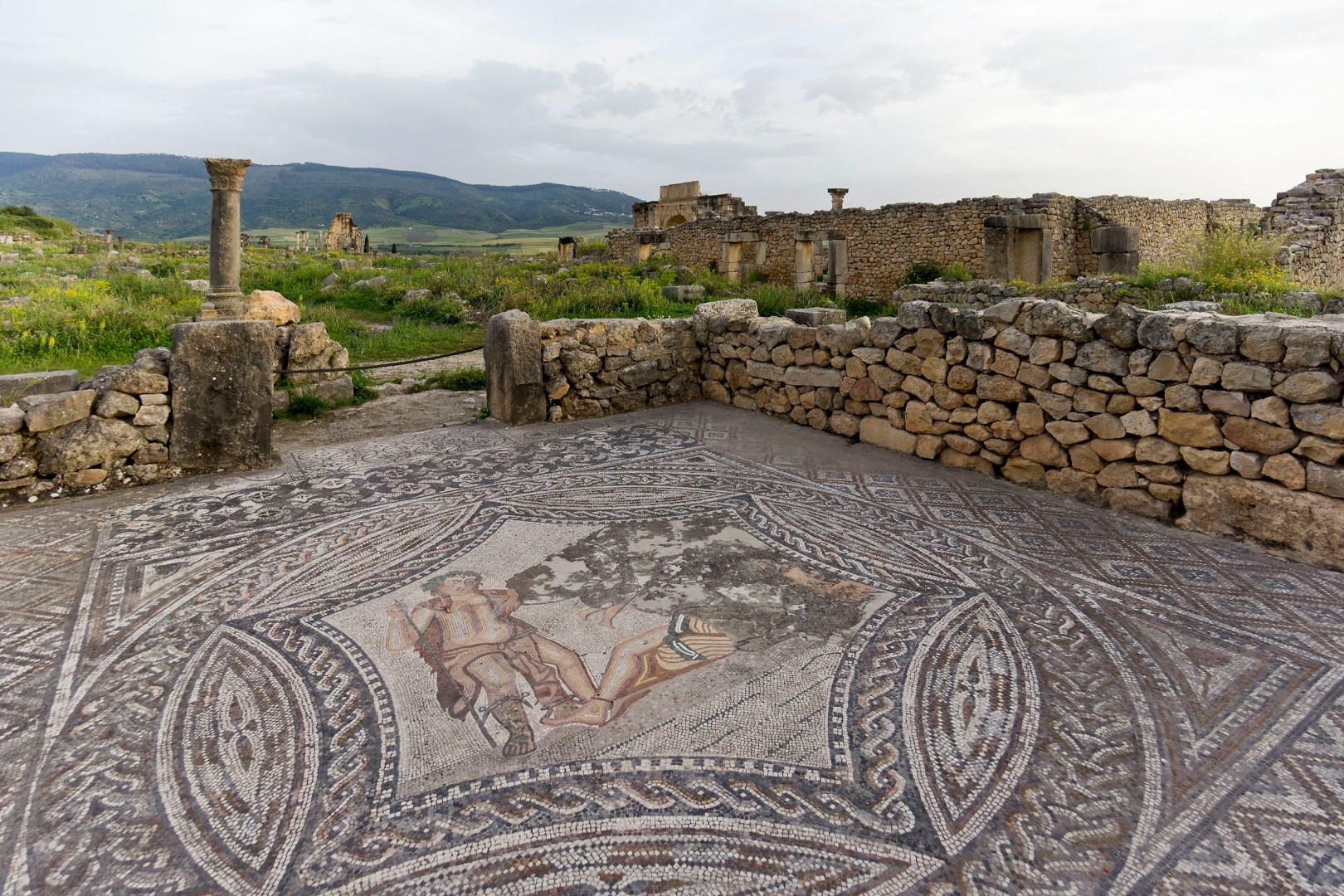
Volubilis is an extensive archaeological site in northern Morocco, located near the pilgrimage town of Moulay Idriss Zerhoun and surrounded by fertile farmland at the foot of Jbel Zerhoun. The ruins represent one of the country’s most important ancient urban sites, with temples, public buildings, residences, defensive walls, and elaborate mosaic floors spread across a broad hillside. Its location overlooking the surrounding agricultural plain helps explain the settlement’s importance.
Taif
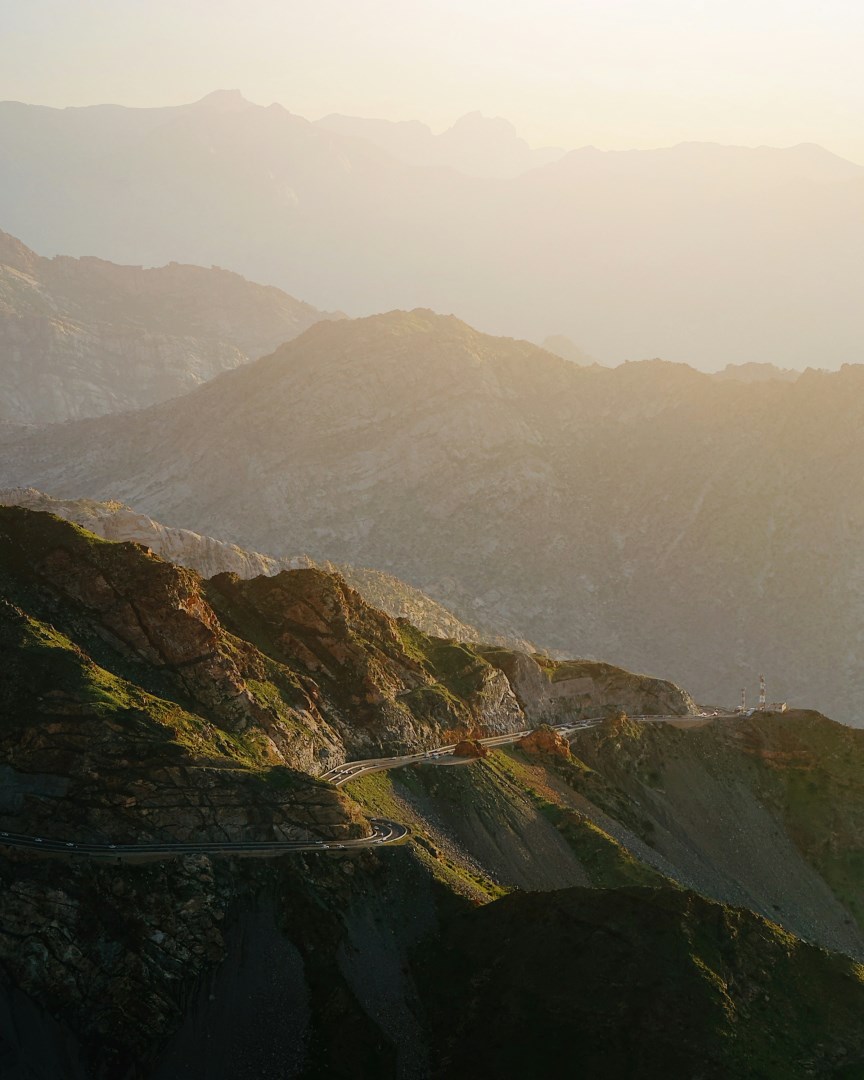
Taif, situated in the mountains of western Saudi Arabia, is a city renowned for its cooler climate, lush landscapes, and historical significance. Nestled at an elevation of around 1,700 meters, it has long served as a summer retreat from the intense heat of the surrounding desert, attracting visitors to its gardens, orchards, and scenic viewpoints.