Guam
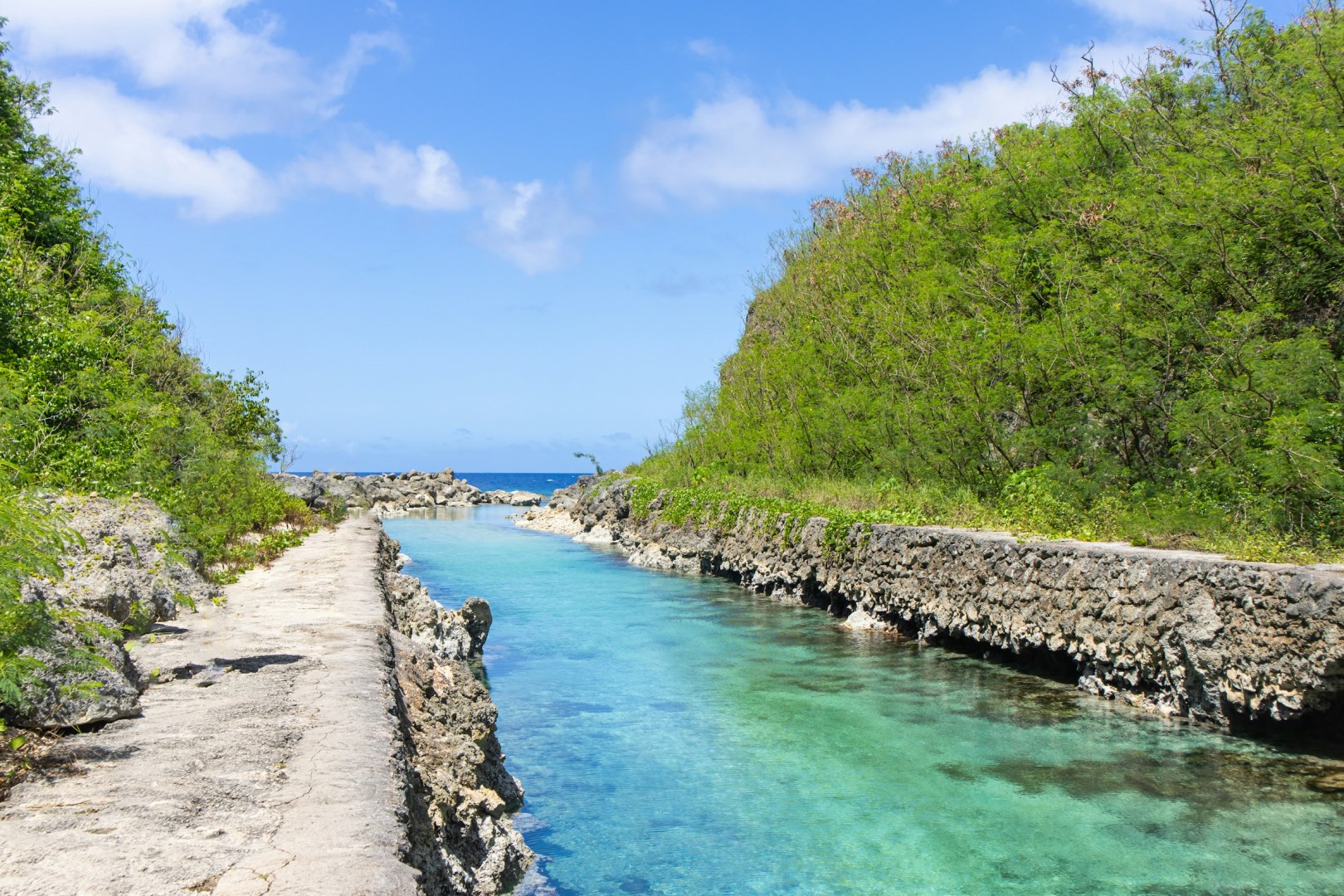
Guam, a vibrant island territory in the Western Pacific, offers travelers more than just sandy beaches and turquoise water. As the largest island in Micronesia, Guam has a dynamic past that’s shaped its present. Evidence of ancient Chamorro settlements can be found at sites like Latte Stone Park, where limestone pillars dating back over a thousand years stand tall.

Virgin Islands
The Virgin Islands, an archipelago in the northeastern Caribbean, are divided between the United States and the United Kingdom, each offering a distinct flavor while sharing the same breathtaking landscapes. These islands are known for their lush hillsides, crescent-shaped beaches, and some of the clearest waters in the region.
Piombino
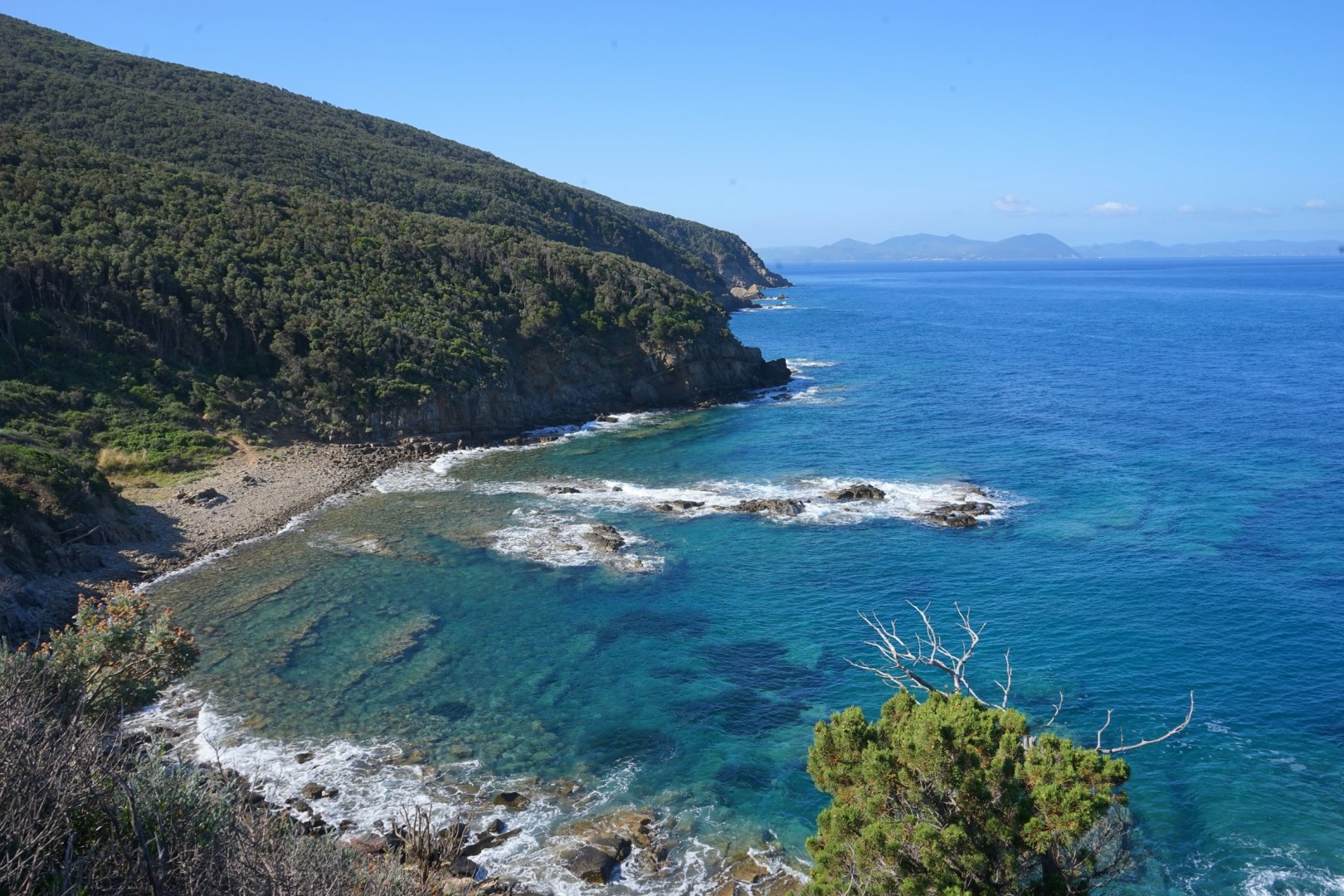
Piombino is a coastal city on a promontory in southern Tuscany, overlooking the Tyrrhenian Sea and the islands of the Tuscan Archipelago. Its position on the Etruscan Coast has shaped both its history and its modern identity, with a working port, maritime traditions, and access to beaches and protected coastal areas. The historic center occupies the older part of the promontory, where medieval and Renaissance buildings stand within sections of the former defensive walls.

Athens
Nestled in the rolling hills of northeast Georgia, Athens is a vibrant city known for its rich history, thriving arts scene, and quintessential Southern charm. Home to the University of Georgia, the birthplace of public higher education in America, Athens brims with youthful energy and intellectual curiosity.
Lüderitz
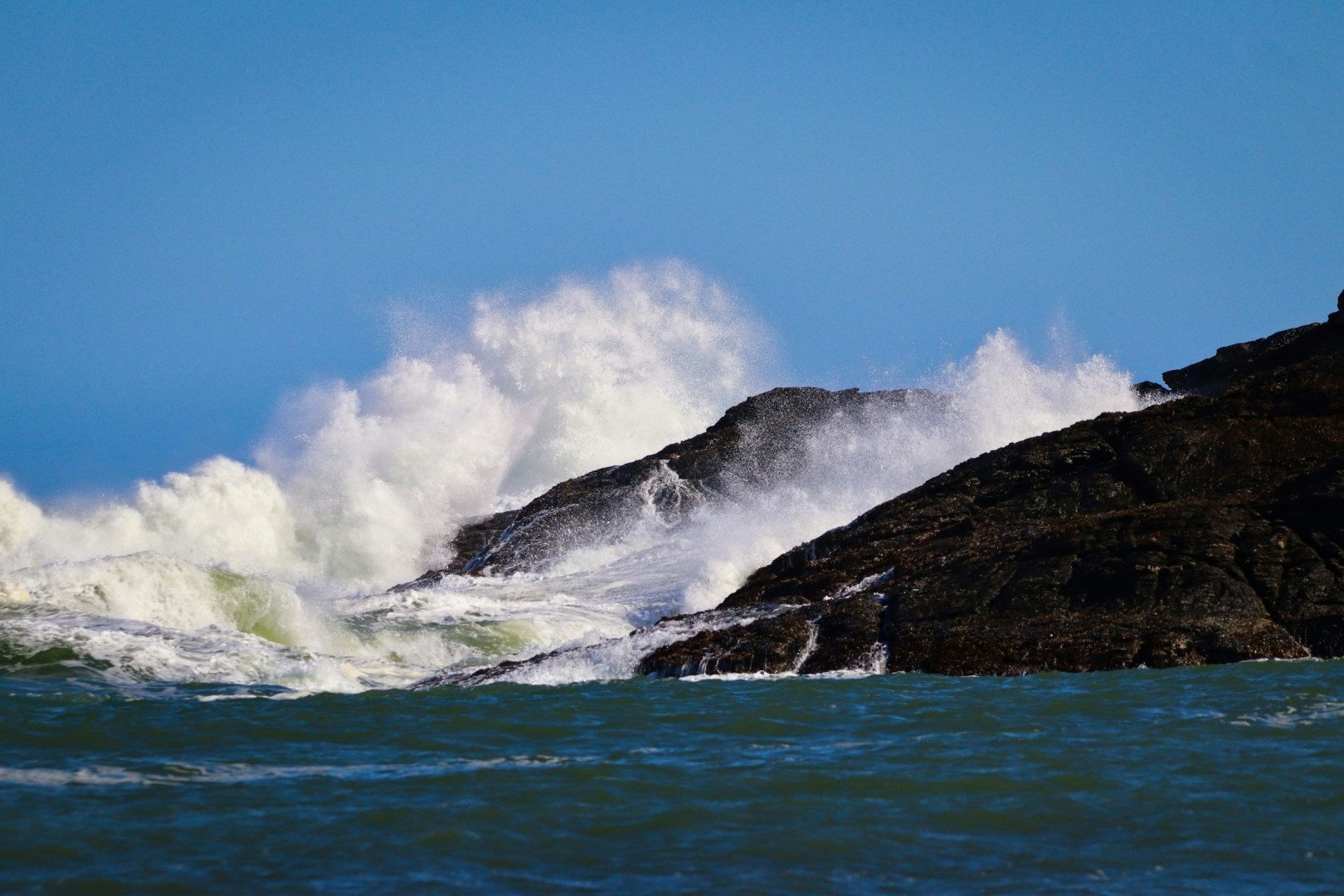
This coastal town in southwestern Namibia is known for its German colonial buildings, including the art nouveau Goerke Haus, built into the rock face on Diamond Hill. Nearby, Felsenkirche is a hilltop church with panoramic bay views stretching around to Robert Harbor. The Lüderitz Museum has displays about the town’s diamond mining past as well as local and natural history.