Great Blasket Island
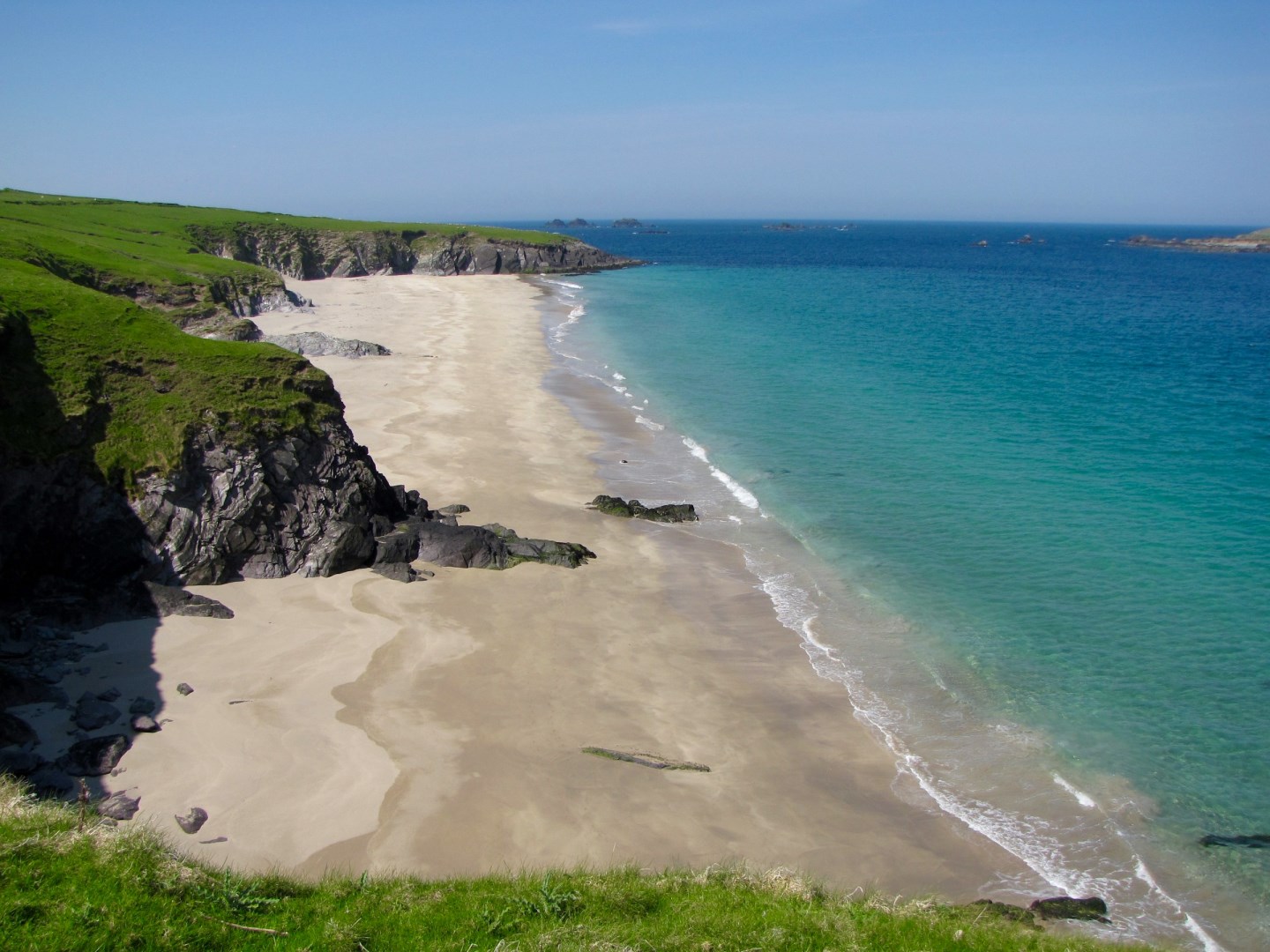
Great Blasket Island, or An Blascaod Mór, lies off the western tip of the Dingle Peninsula in County Kerry, separated from the mainland by the Blasket Sound. The island is the largest of the Blasket Islands and is characterized by steep hills, rugged cliffs, grassy slopes, and the long sandy beach of An Trá Bán. Its small settlement is now deserted, with stone cottages and field boundaries remaining across the hillside.

Punta Arenas
A favorite stop on South American and Antarctic cruises, Punta Arenas lies within the spectacular system of fjords that dot the coast of Chile. La Cruz Hill affords commanding views of the Straits of Magellan. Visit Punta Arenas for fascinating museums, quaint restaurants filled with fresh Chilean eats, and ample opportunity to watch local penguins!
Chitre
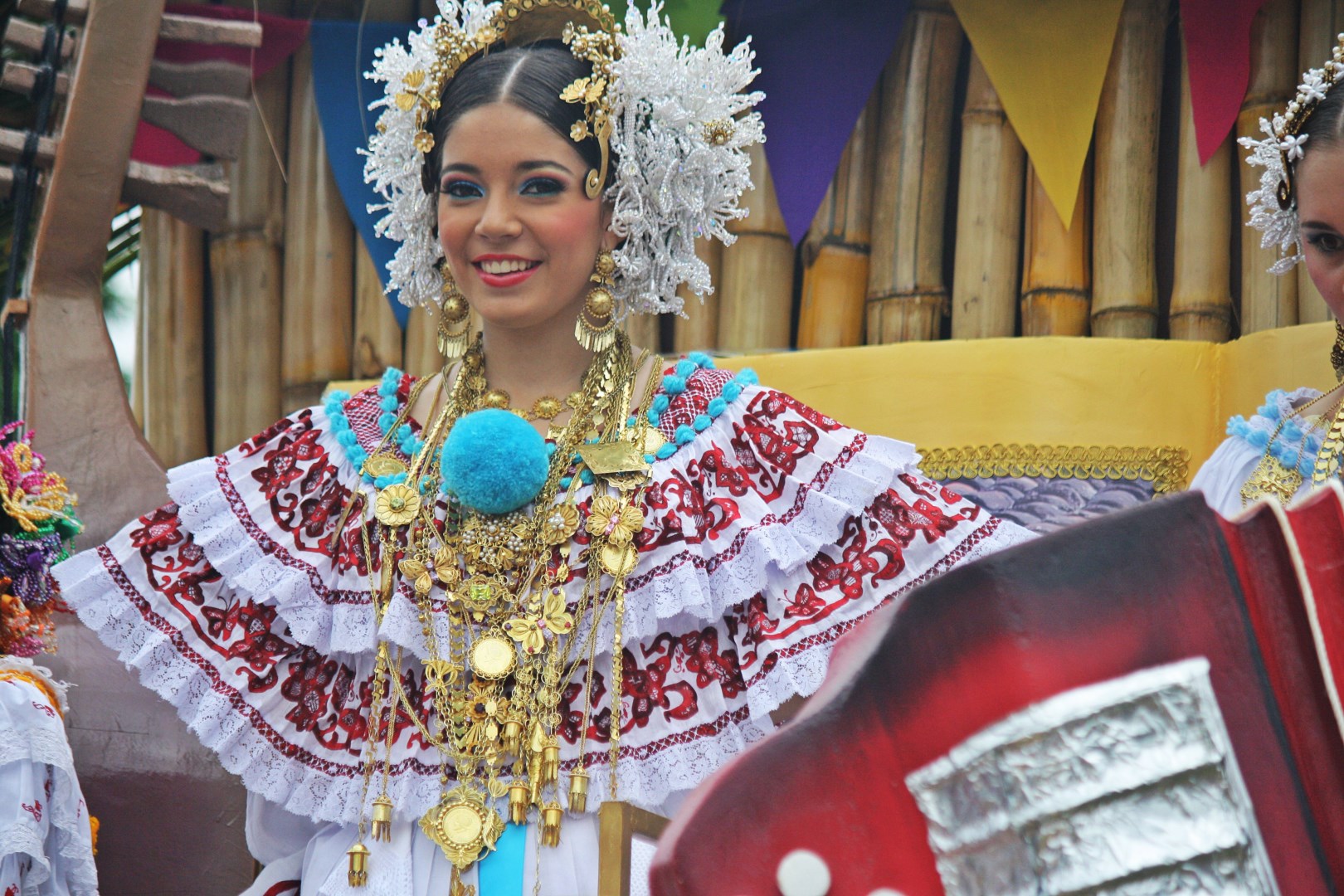
Chitré is a city in central Panama, located on the Azuero Peninsula and serving as the capital of Herrera Province. The cultural identity of Chitré is closely tied to folkloric traditions that remain visible in clothing, music, and public celebrations.
Fenwick Island
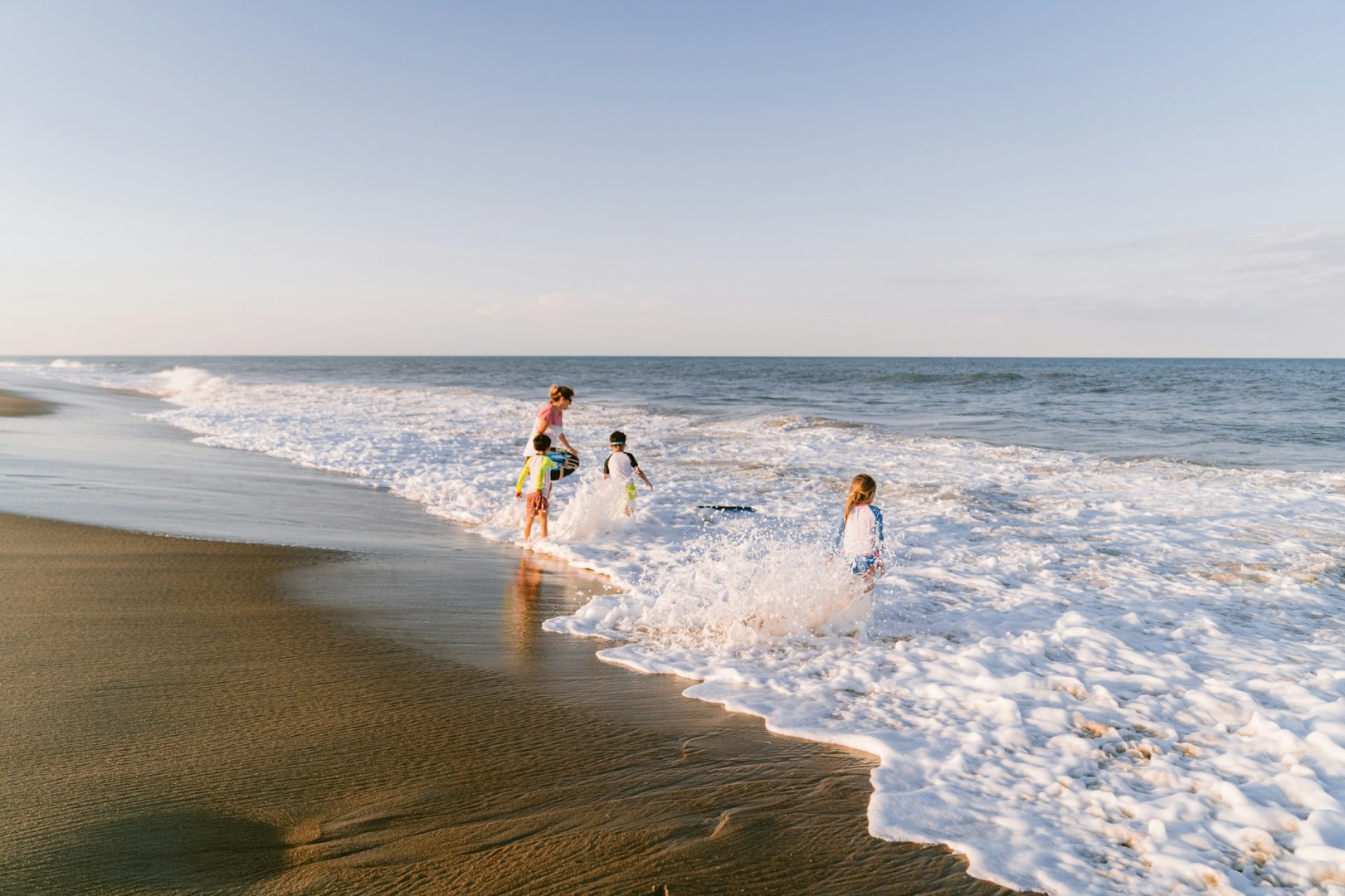
Fenwick Island is a small coastal town in southern Delaware, located on a narrow barrier island between the Atlantic Ocean and Little Assawoman Bay. Its setting gives the community easy access to both ocean beaches and quieter bay waters, while its compact streets are lined with vacation homes, shops, restaurants, and waterfront accommodations. Fenwick Island is known for a more relaxed atmosphere than some of Delaware’s larger beach towns, with the adjacent Fenwick Island State Park providing a

Bamberg
Bamberg, located in northern Bavaria, stands out for its remarkably preserved medieval layout, which earned it a spot on the UNESCO World Heritage list. Built on seven hills and often compared to Rome for that reason, the city’s architecture reflects over a thousand years of uninterrupted development. Bamberg is well known for its beer, and not just in the usual Bavarian sense. The city has more breweries per capita than any other town in Germany, and it’s the birthplace of rauchbier.