Spain
Spain offers a wide range of experiences shaped by centuries of layered history and regional diversity. From the Moorish palaces of Andalusia to the Roman aqueduct in Segovia and the Gaudí-designed landmarks of Barcelona, each city reflects a different chapter in Spain’s past. In Granada, the Alhambra still stands as a masterpiece of Islamic architecture, with detailed carvings, hidden courtyards, and panoramic views of the Sierra Nevada mountains.
Ponte de Lima
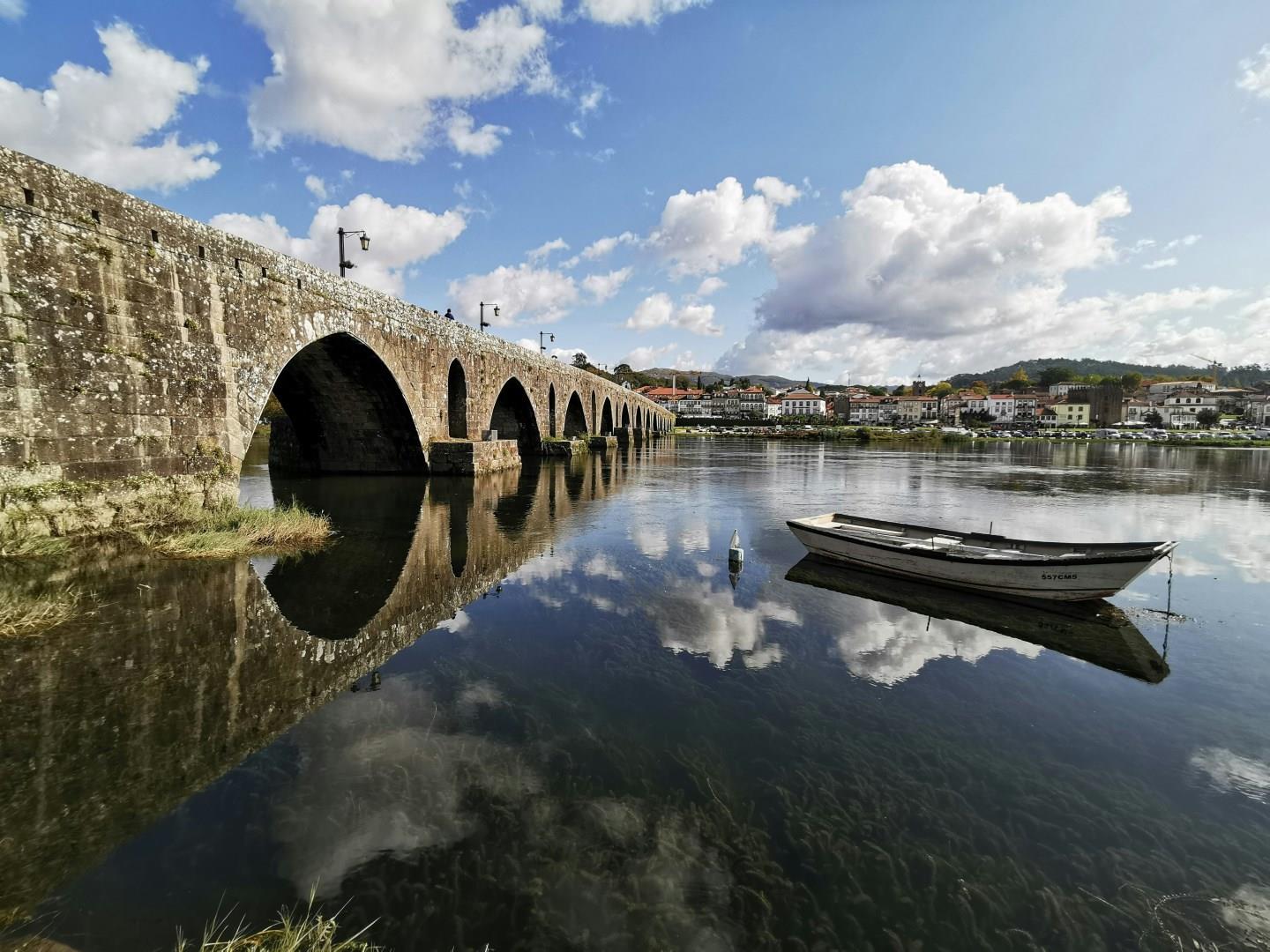
Ponte de Lima sits along the Lima River in northern Portugal and is often regarded as the country’s oldest town. Its identity centers on the medieval bridge that spans the river, parts of which date back to Roman times and still structure how the town is experienced today.

Australia & New Zealand
Australia and New Zealand each have their own identities, shaped by indigenous heritage, colonial history, and vibrant contemporary cultures. Visitors can travel between the two in just a few hours, yet find themselves in entirely different worlds.
Dinosaur Provincial Park
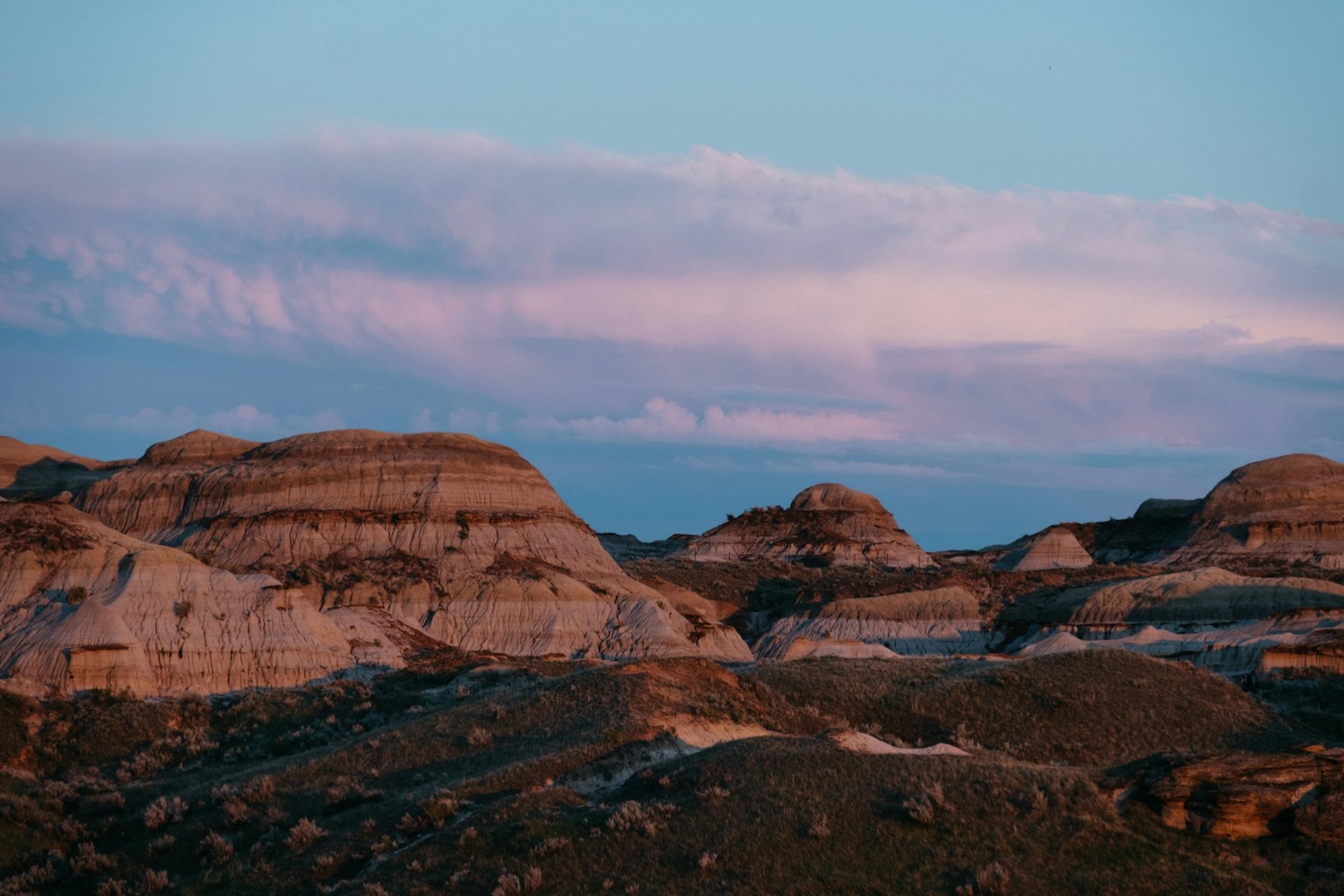
Dinosaur Provincial Park lies in the badlands of southeastern Alberta, along the Red Deer River. The park is recognized as a UNESCO World Heritage Site for both its geological landscape and its exceptional fossil record. Its dry valleys, eroded cliffs, hoodoos, and exposed rock layers reveal sediments from the Late Cretaceous period, when the region supported a very different ecosystem.
Chantilly
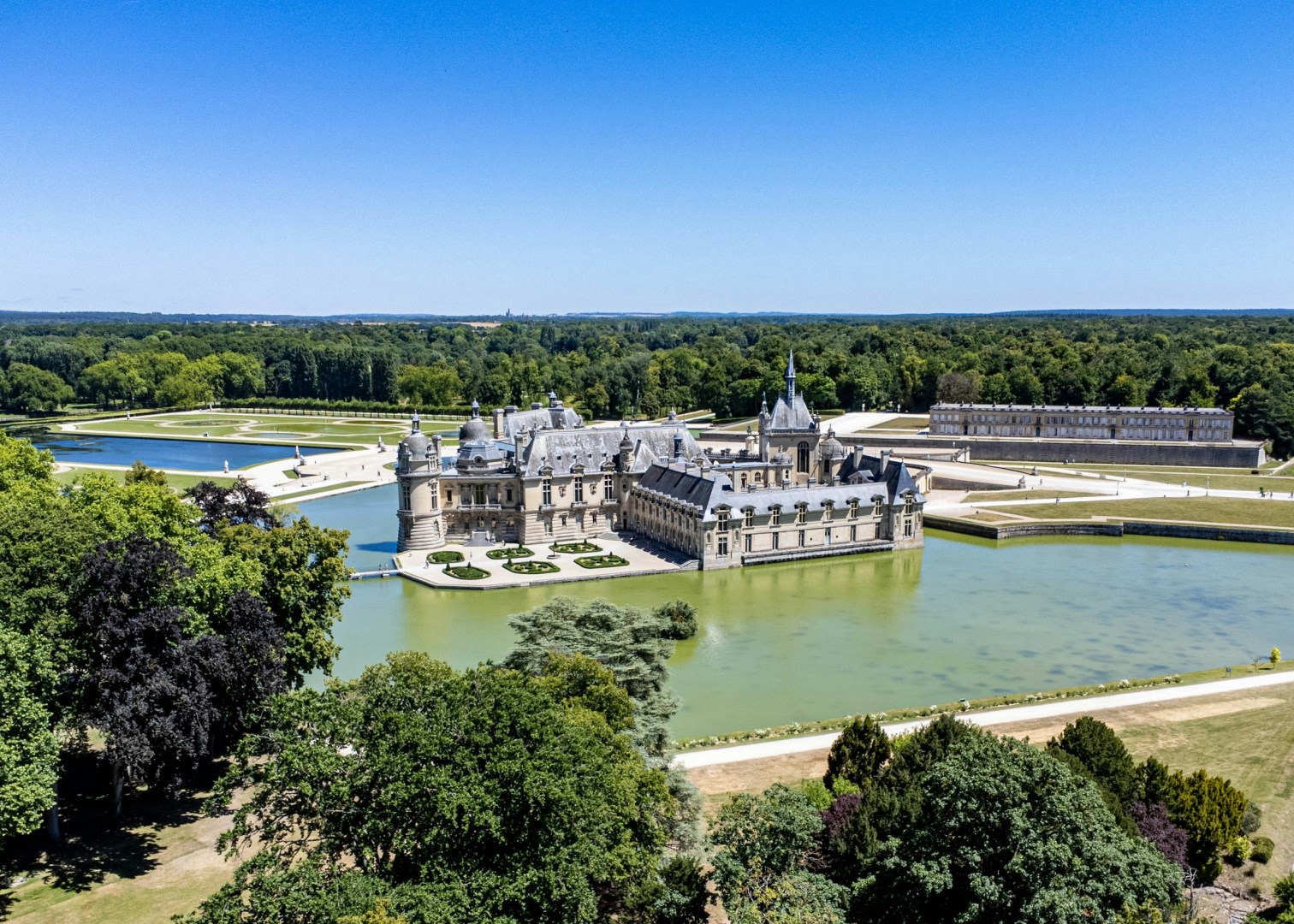
Chantilly is a town north of Paris in the Oise department, surrounded by extensive forests and closely associated with the Château de Chantilly. The château complex combines a grand Renaissance-style palace, the Petit Château, formal gardens, waterways, and the Great Stables, creating a distinctive cultural landscape. Chantilly's forest is crossed by walking and riding paths, while the town itself contains elegant streets, historic buildings, and areas of open parkland.