Sandwich Harbour
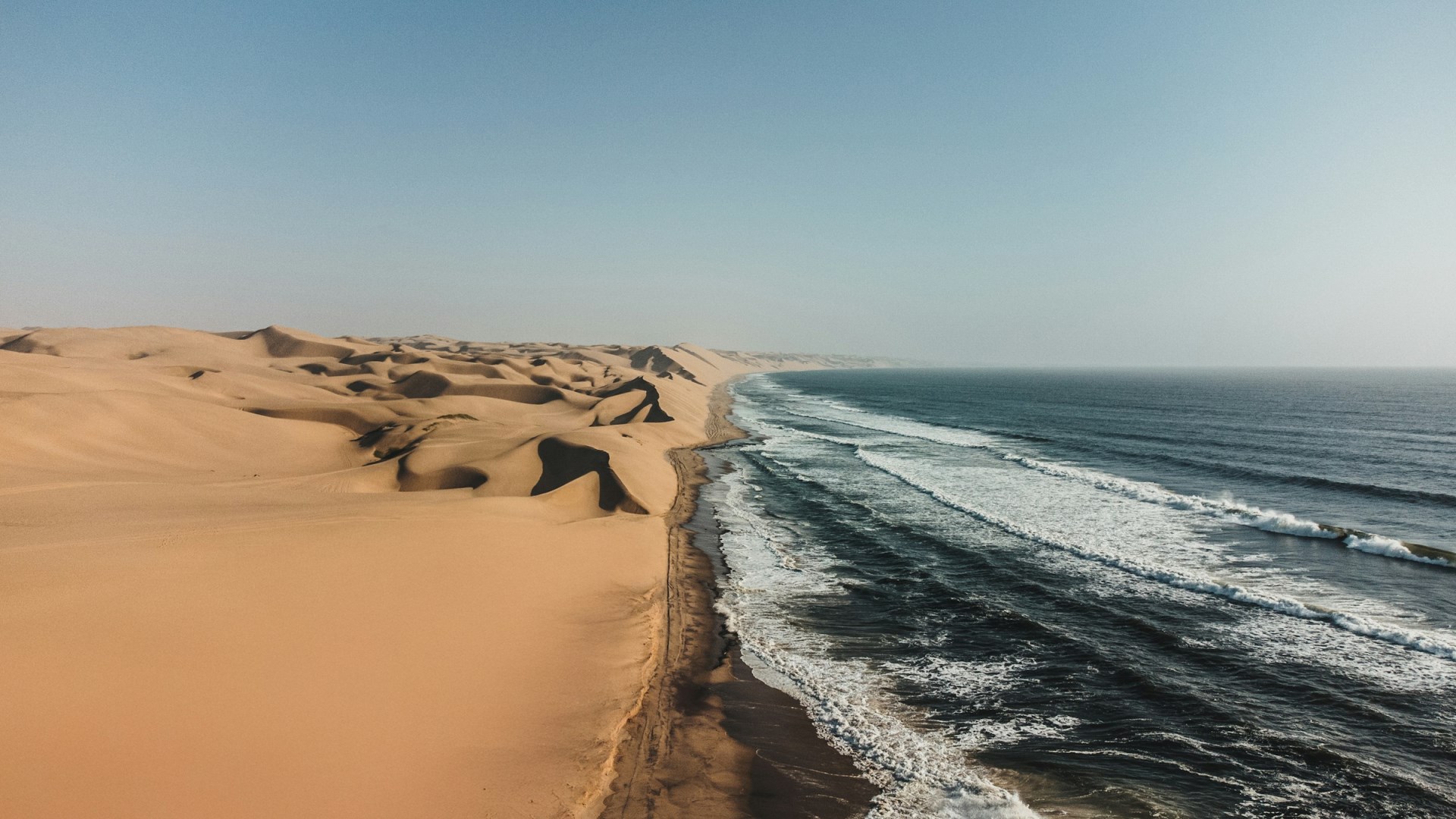
Sandwich Harbour is a remote coastal wetland within Namib-Naukluft National Park, about 55 kilometres south of Walvis Bay. It lies where the Namib Desert meets the Atlantic Ocean, with tall dunes rising beside a lagoon, mudflats, and shallow coastal waters. The area is part of the Namib Sand Sea, where wind and ocean moisture shape one of the world's most distinctive desert environments.
Evora
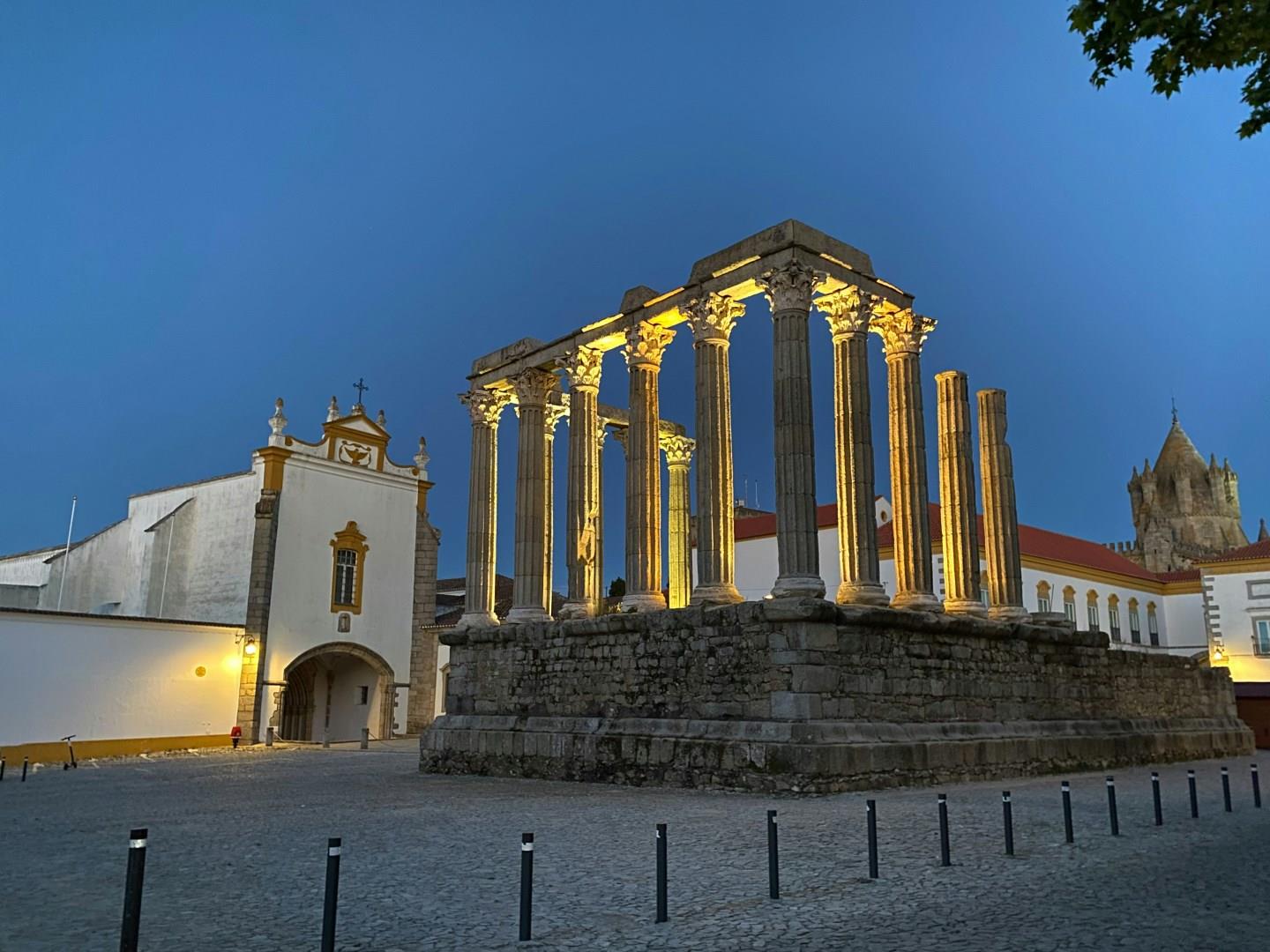
Évora, in Portugal’s Alentejo region, feels like stepping into a story that spans more than two thousand years. Its Historic Centre was named a UNESCO World Heritage Site for good reason with its ancient walls, homes with wrought-iron balconies, and narrow streets quietly preserve traces of Roman, Moorish, and medieval life. Beyond architecture and monuments, Évora reveals lesser-known treasures that reward exploration.
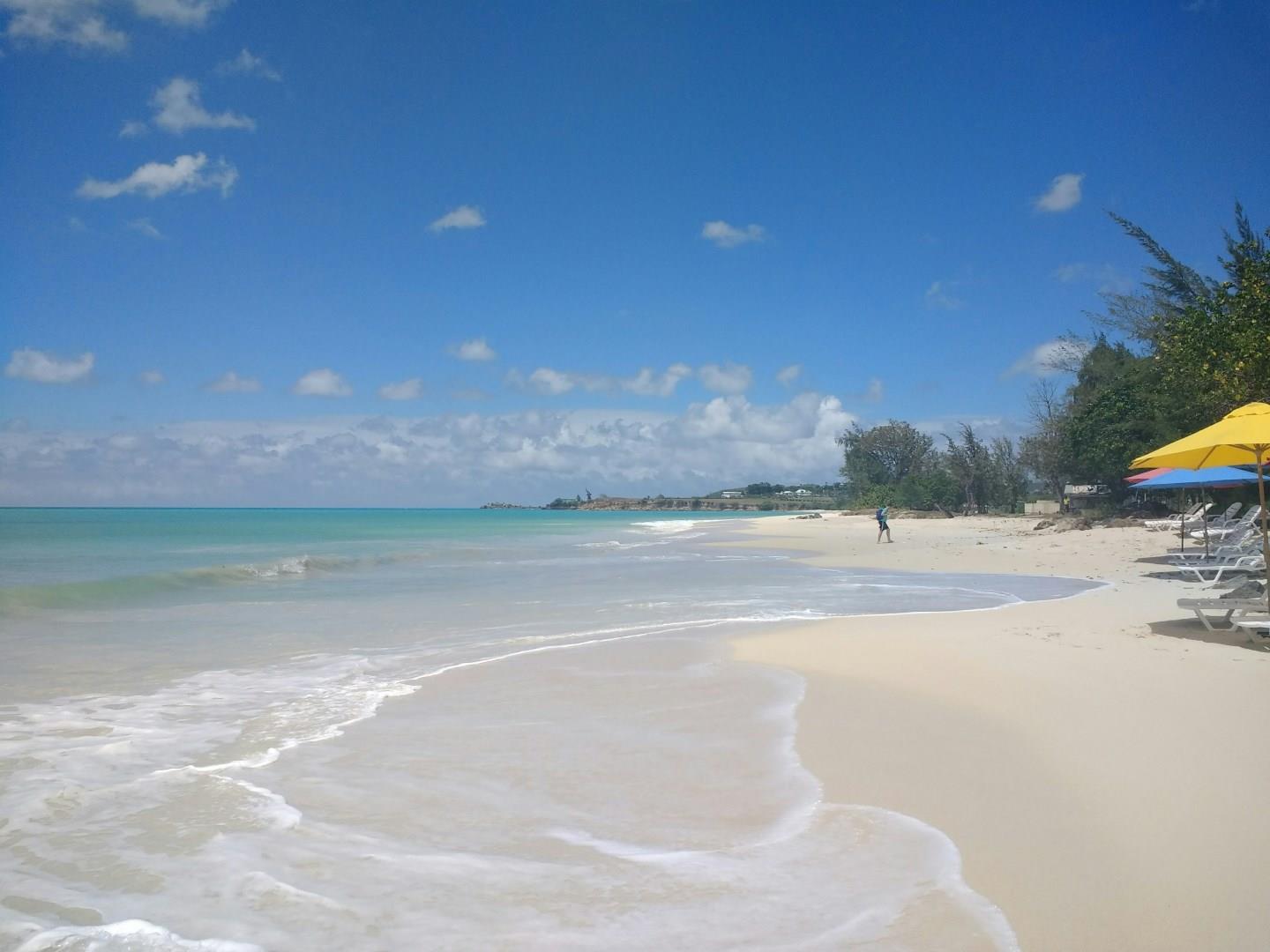
Fort James Beach
Fort James Beach, just outside St. John’s in Antigua, is a long stretch of soft white sand framed by calm, turquoise waters. The beach takes its name from nearby Fort James, a historic 18th-century British stronghold built to guard the harbor.
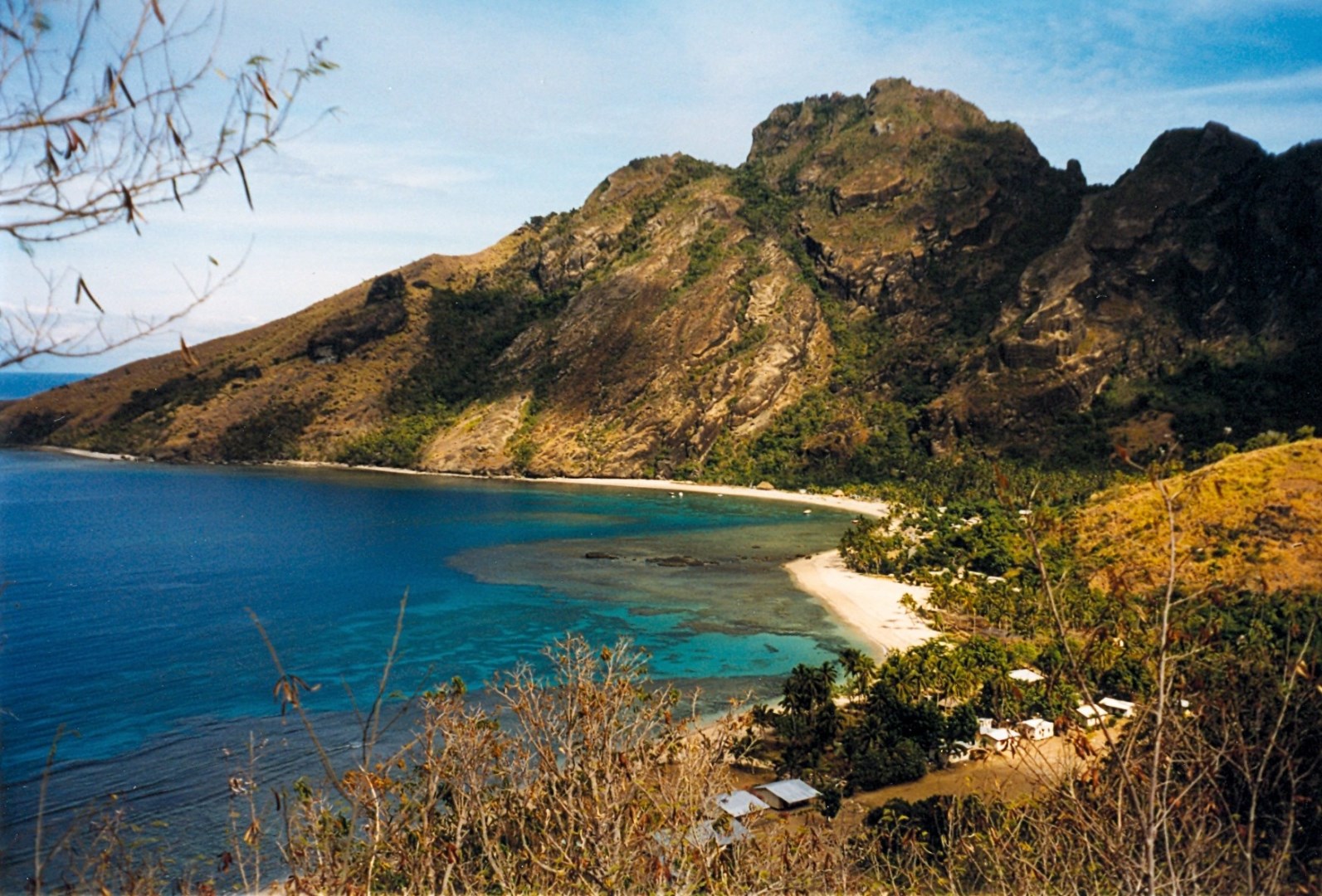
Yalobi
Discover a traditional Fijian village nestled between the clear waters of Yalobi Bay and the rugged mountain peaks of Waya Island.
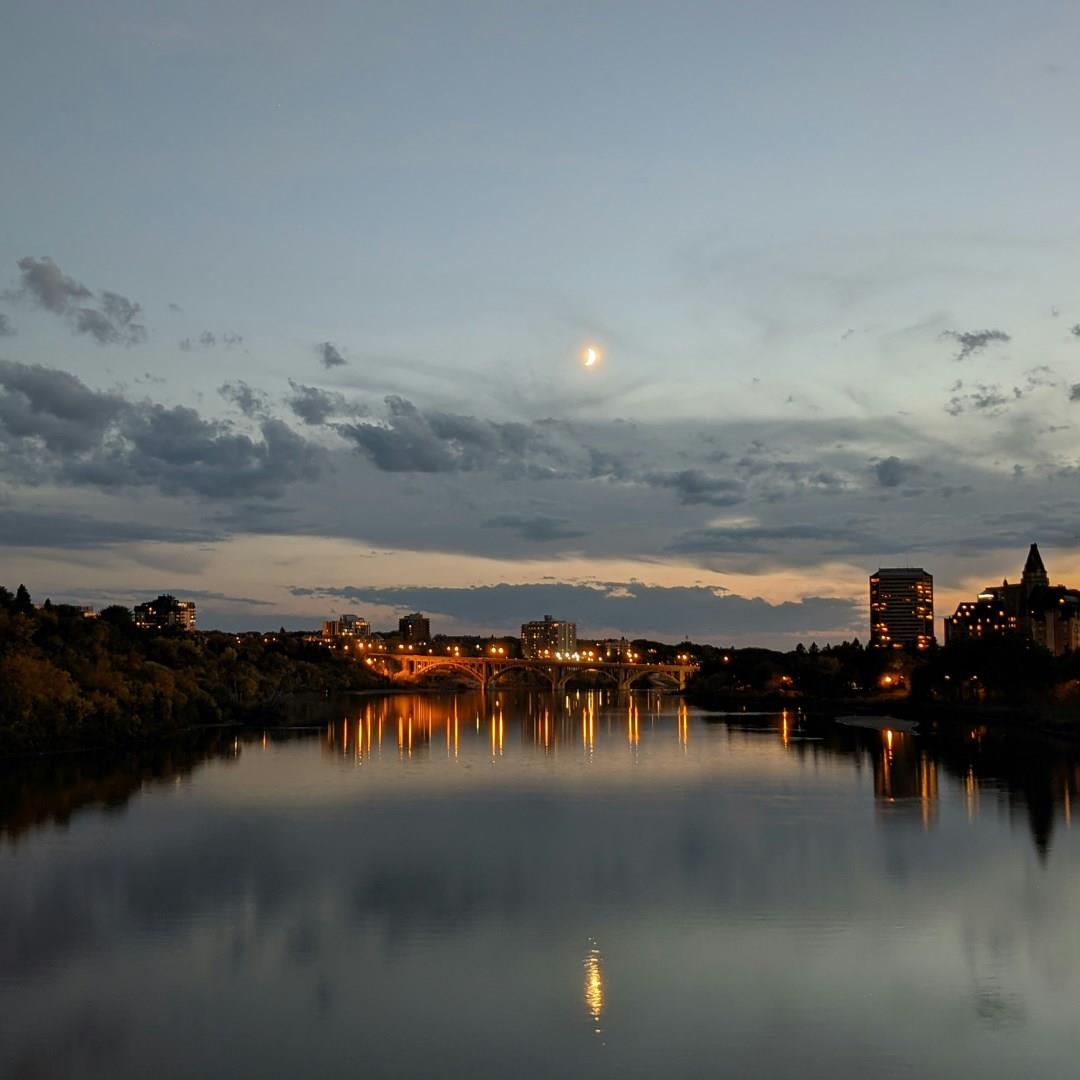
Saskatoon
Saskatoon, set along the South Saskatchewan River in central Canada, is a city where prairie heritage meets a growing cultural scene. Known as the “City of Bridges” for the many spans that cross its winding river, Saskatoon combines natural charm with urban vibrancy.