Fianarantsoa
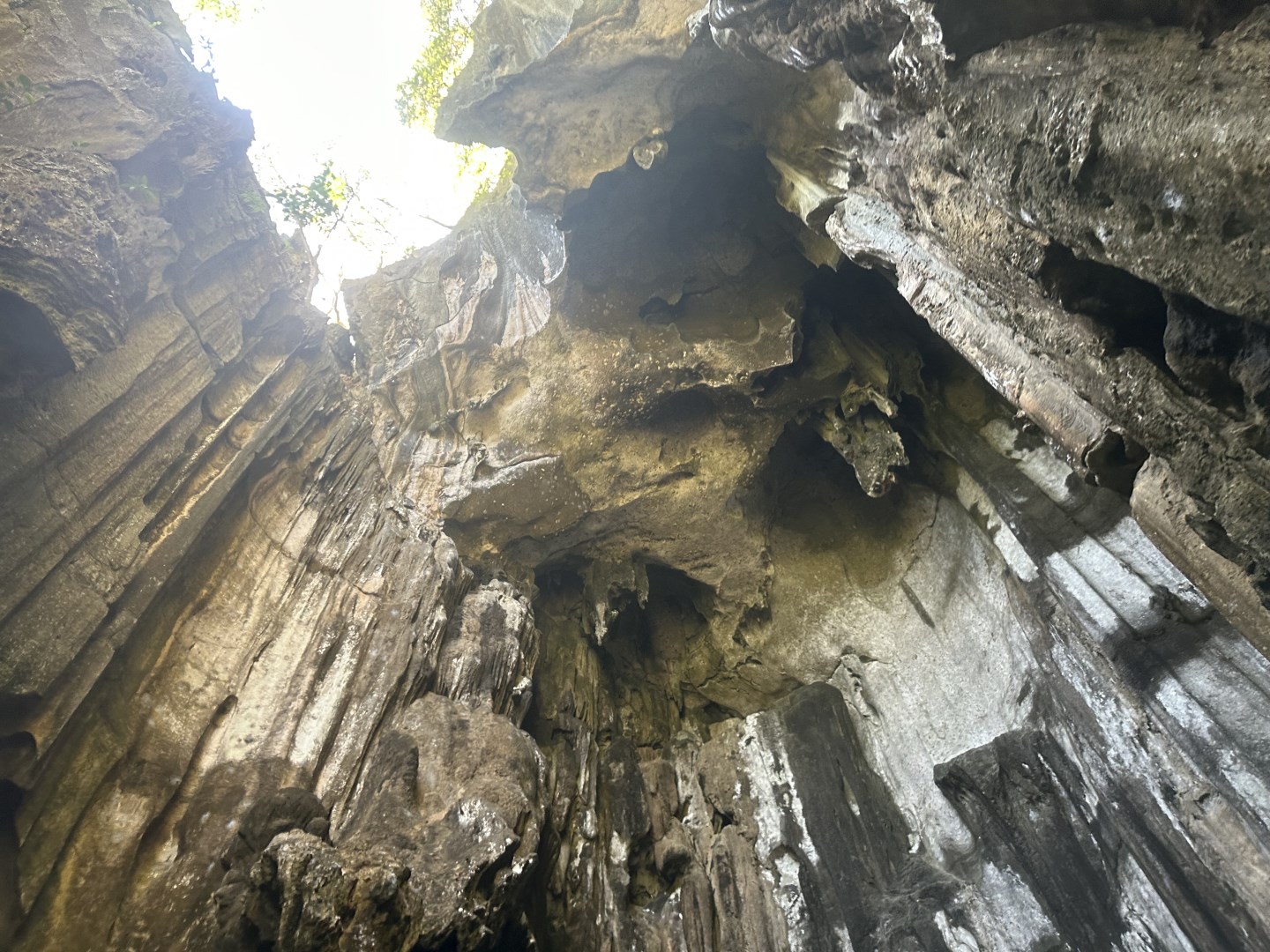
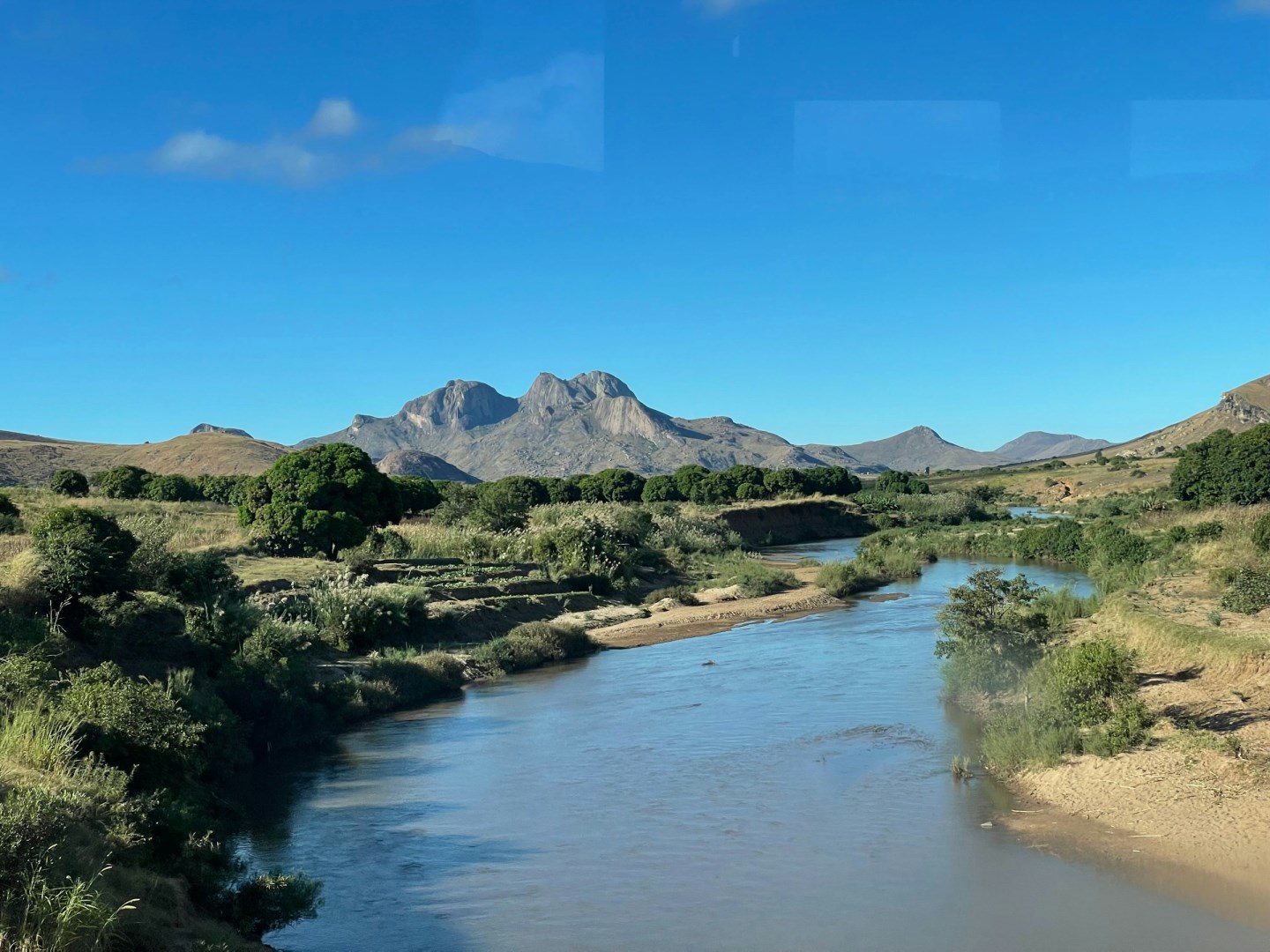
Fianarantsoa is a hilltop city in Madagascar’s central highlands and the capital of Haute Matsiatra region. Its name means “place of good learning,” reflecting the city’s long association with education and religious institutions. Built across a series of hills, Fianarantsoa overlooks valleys filled with rice fields, farmland, and scattered villages.

Imatra
Imatra, Finland, is a hidden gem nestled near the Russian border, known for its stunning natural beauty and rich history. A key draw is the Imatrankoski Rapids, one of Finland's oldest tourist attractions dating back to the 18th century. These powerful rapids, located on the Vuoksi River, have captivated visitors for centuries, including Russian nobility like Catherine the Great.
Podgorica
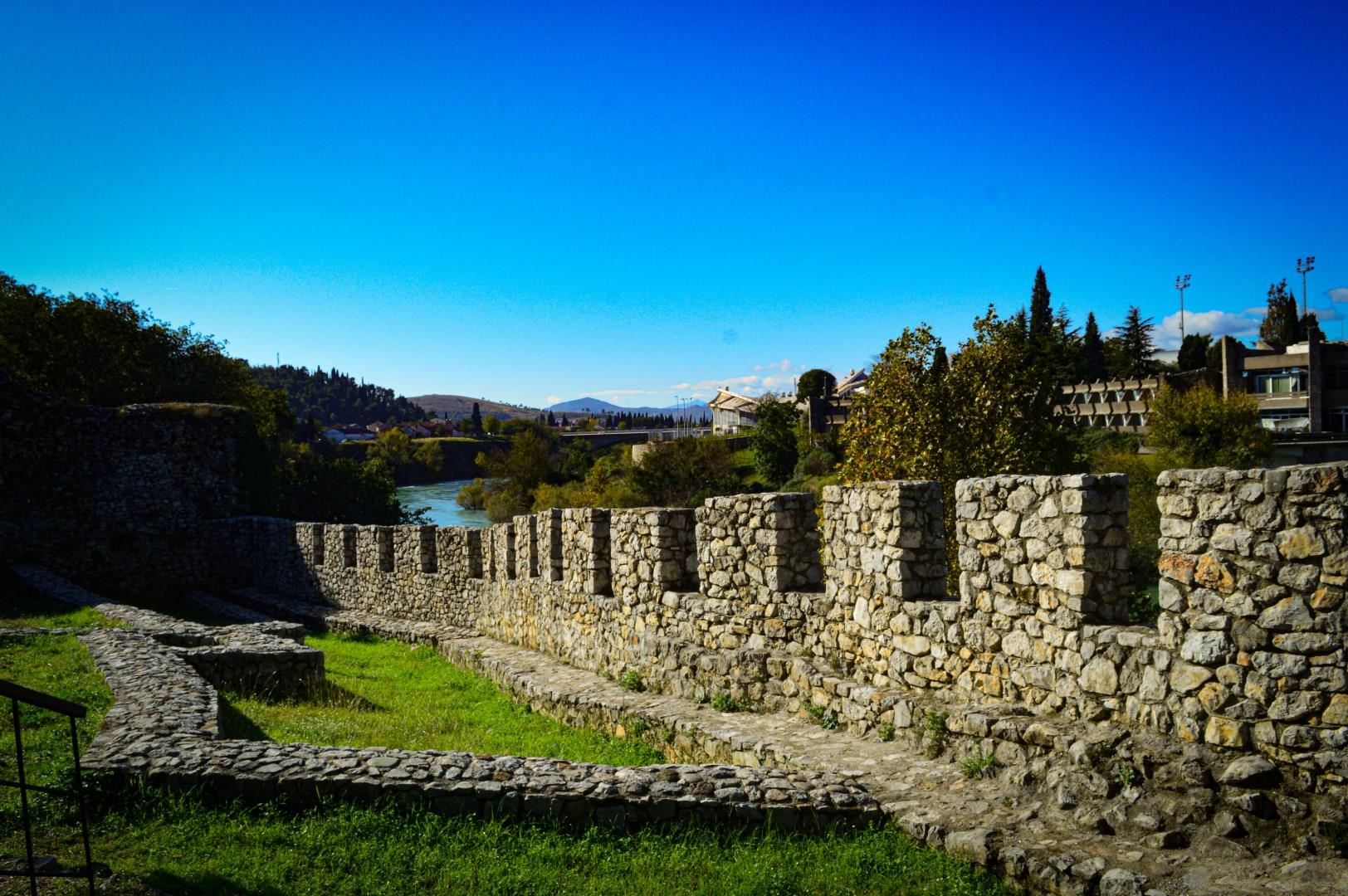
Podgorica, the capital of Montenegro, showcases the country’s contrasting landscapes and deep-rooted history. Although much of the city was rebuilt after World War II, traces of its Roman and Ottoman past still remain. Visitors can explore the ruins of Doclea, a Roman settlement just outside the city, where surviving columns and mosaics give a glimpse into life nearly two millennia ago.
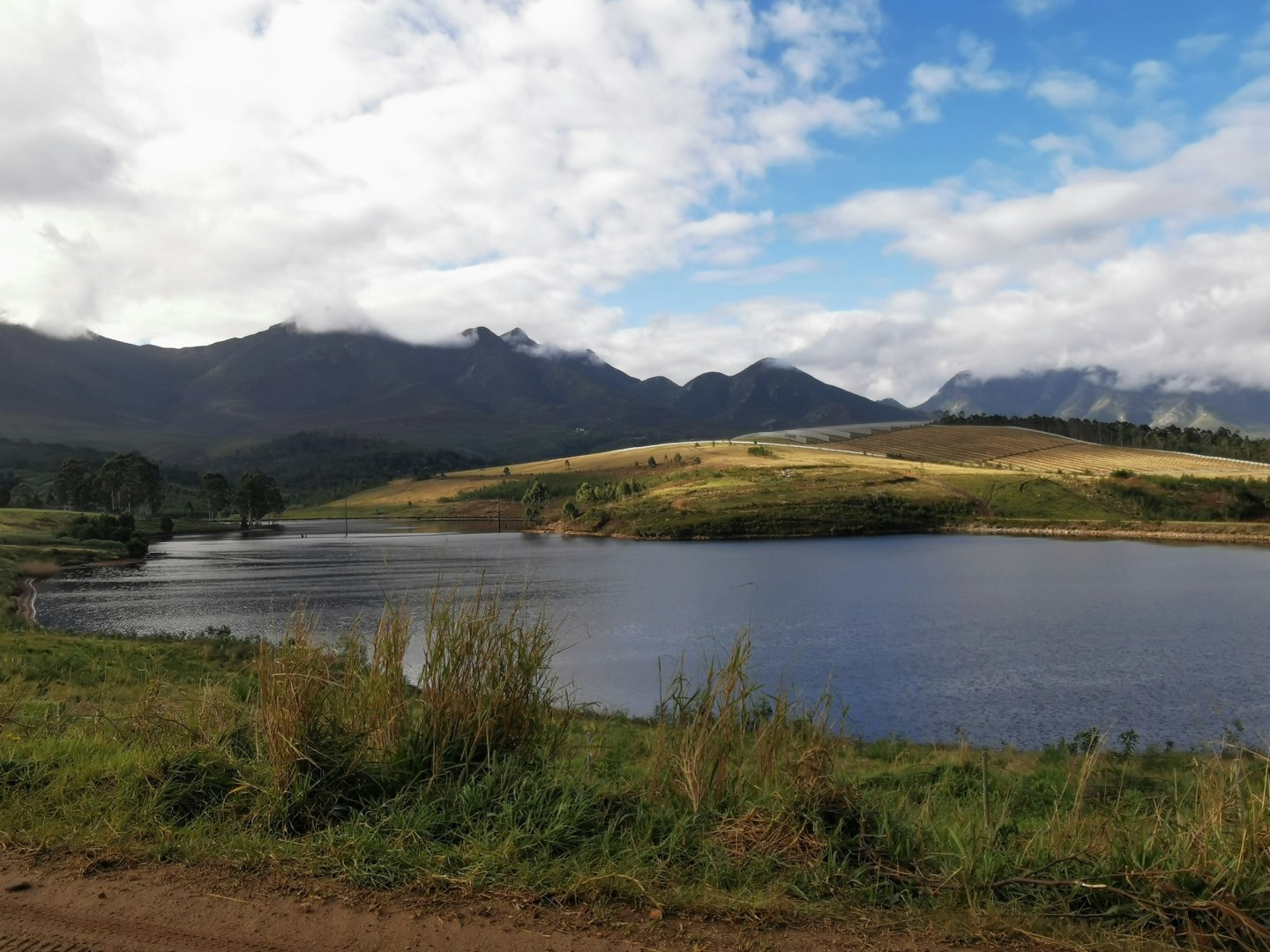
George
George, nestling below the magnificent Outeniqua Mountains is the sixth oldest town in South Africa. It is situated in the beautiful Western Cape Province and is the Capital of the Southern Cape. The town's central position between Cape Town and Port Elizabeth and its close proximity to other towns of the Garden Route with road, air and rail links to all the important centers in the country, has resulted in George becoming a major distribution, education and medical centre.

Zadar
Set on the Adriatic Sea, Zadar, Croatia, is a major Dalmatia historical center and a tourism magnet. Walk ancient streets, see Roman ruins and enjoy white-sand beaches.