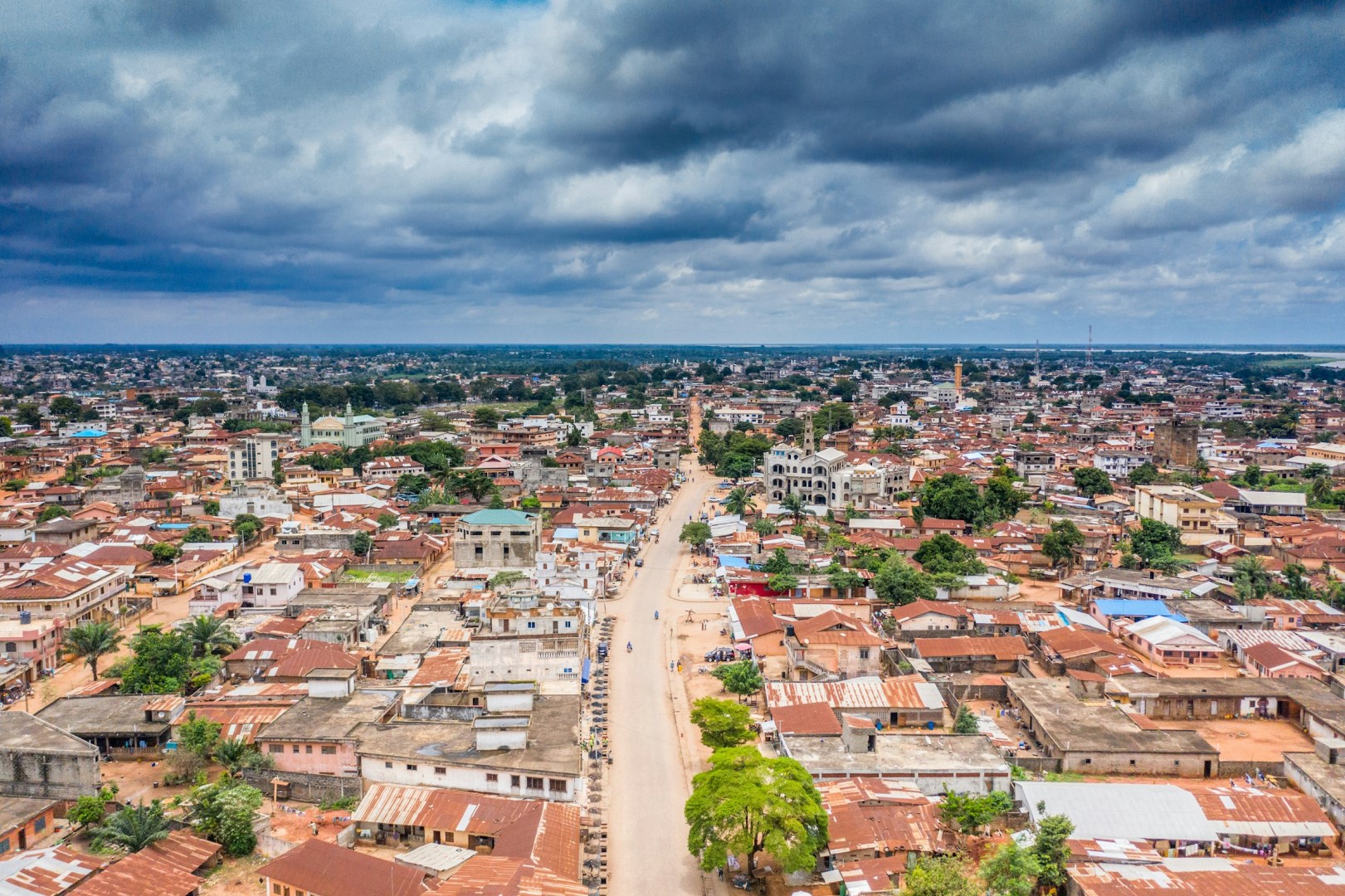
Porto-Novo
Porto-Novo is the political capital of Benin, located in the country's southeast near the Porto-Novo Lagoon and not far from the Nigerian border. The city is known for its combination of Yoruba heritage, royal traditions, and Afro-Brazilian architecture. Historic neighbourhoods contain distinctive buildings with decorated facades, while markets, workshops, museums, and religious sites remain part of everyday urban life.

Juneau
Juneau's majestic sprawl and abundance of nature set it apart from most capital cities in America. Tourists arrive via air or water, many coming in on cruise ships.

Palenque
Palenque, nestled in the lush jungles of Chiapas, Mexico, offers an enthralling glimpse into the grandeur of the ancient Maya civilization. The city is renowned for its well-preserved ruins, which include the majestic Temple of the Inscriptions, where the tomb of the ruler Pakal the Great was discovered in 1952.
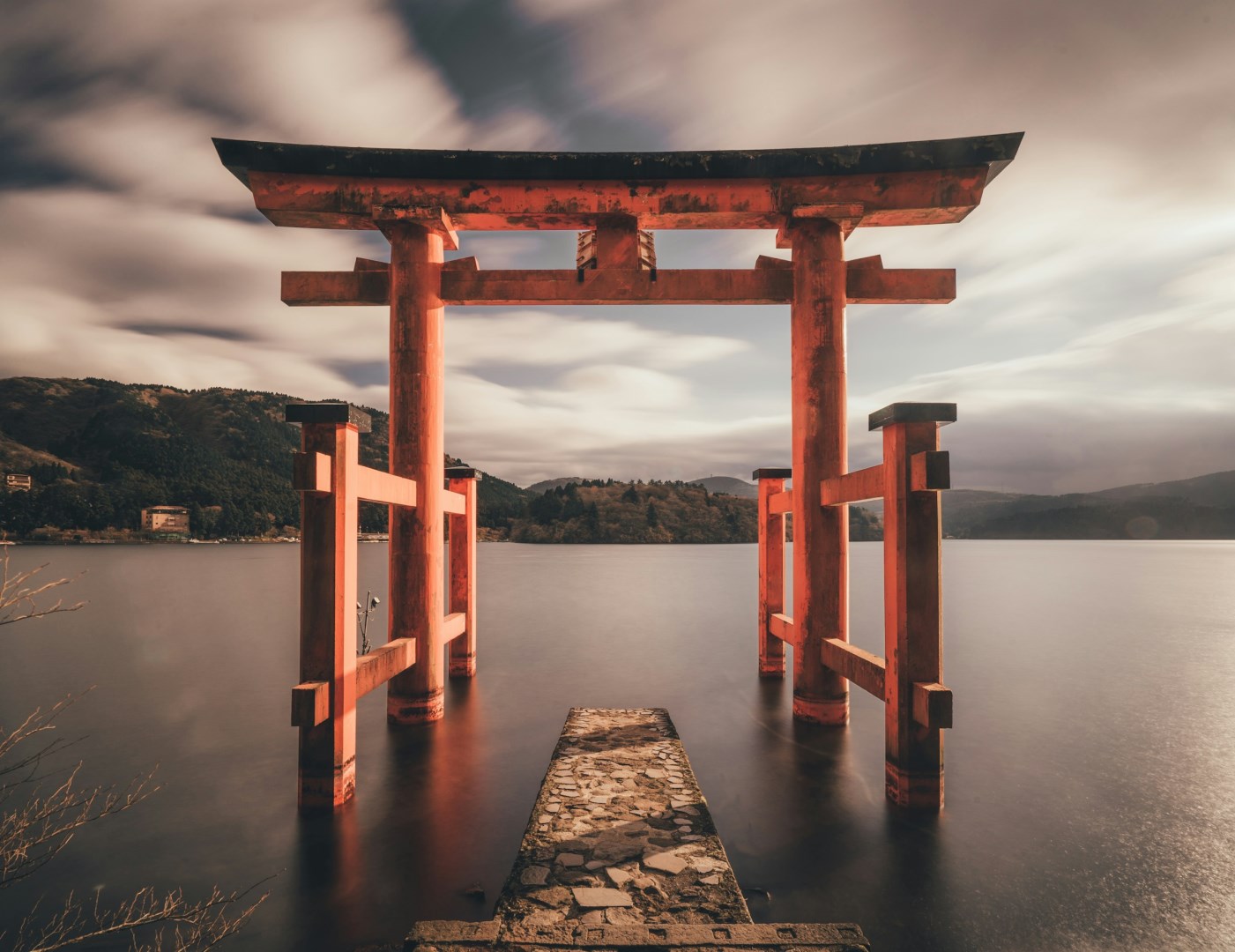
Hakone
Nestled in the mountains just 90 minutes from Tokyo, Hakone has long been a retreat for travelers seeking both quiet and culture. Once a crucial checkpoint on the historic Tōkaidō road between Edo and Kyoto, Hakone is still shaped by centuries of history. The reconstructed Hakone Sekisho (Hakone Checkpoint) offers a glimpse into the Edo Period, when travelers were inspected by samurai guards before continuing on their journey.
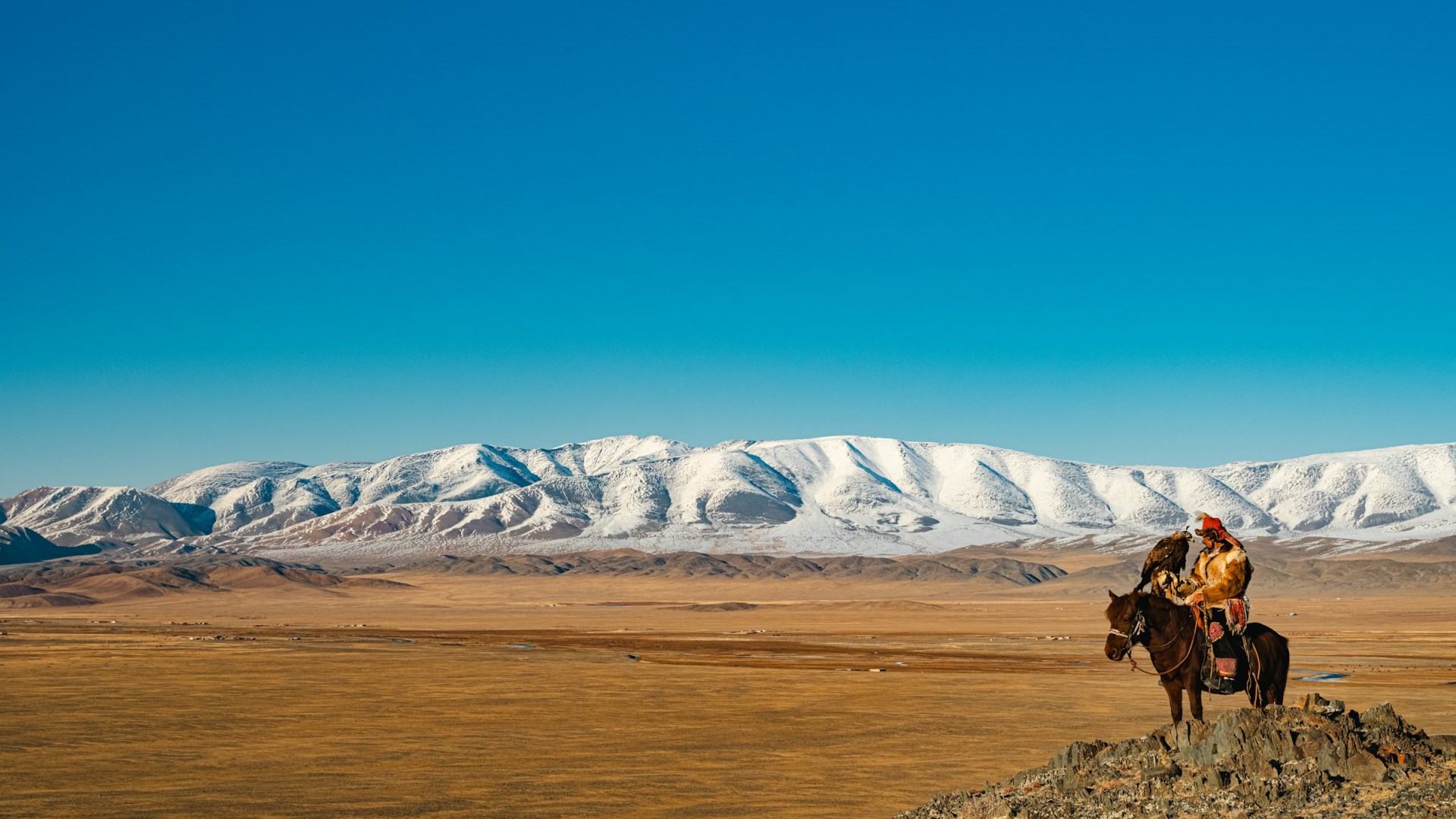
Mongolia
Mongolia, a landlocked nation between Russia and China, is defined by vast steppes, dramatic mountain ranges, and the sweeping expanse of the Gobi Desert. Known for its nomadic traditions, the country preserves a way of life that has endured for centuries.