Amarante
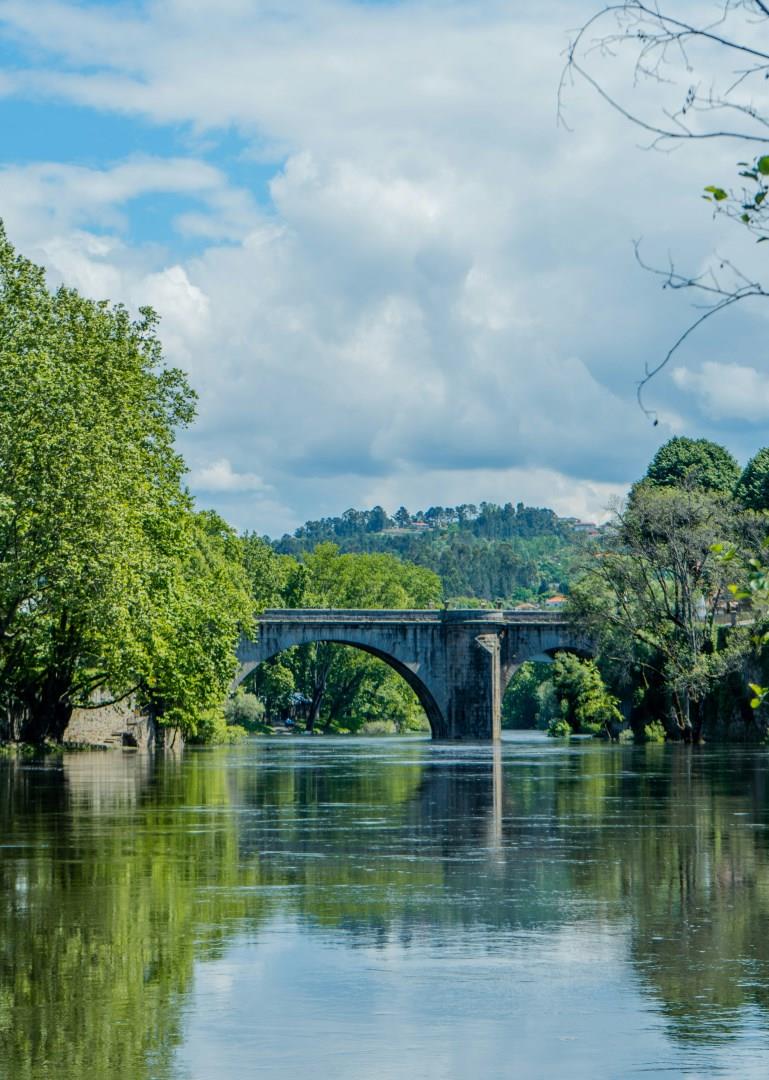
Amarante, located in Portugal’s northern region of Tâmega e Sousa, sits quietly along the banks of the Tâmega River, framed by stone bridges, historic churches, and lush hills. The city is best known for its connection to São Gonçalo, a 13th-century monk whose name now graces the arched bridge and the grand convent-church that stands beside it.

Germany
Germany offers a wide range of experiences, shaped by centuries of history, regional traditions, and striking landscapes. In Berlin, the past and present share the same streets. Visitors can walk along remnants of the Berlin Wall and then explore a thriving street art scene in neighborhoods like Kreuzberg and Friedrichshain. The city's Museum Island, a UNESCO World Heritage Site, houses ancient artifacts and 19th-century masterpieces just a short walk from modern coffee shops and rooftop bars.
Plovdiv
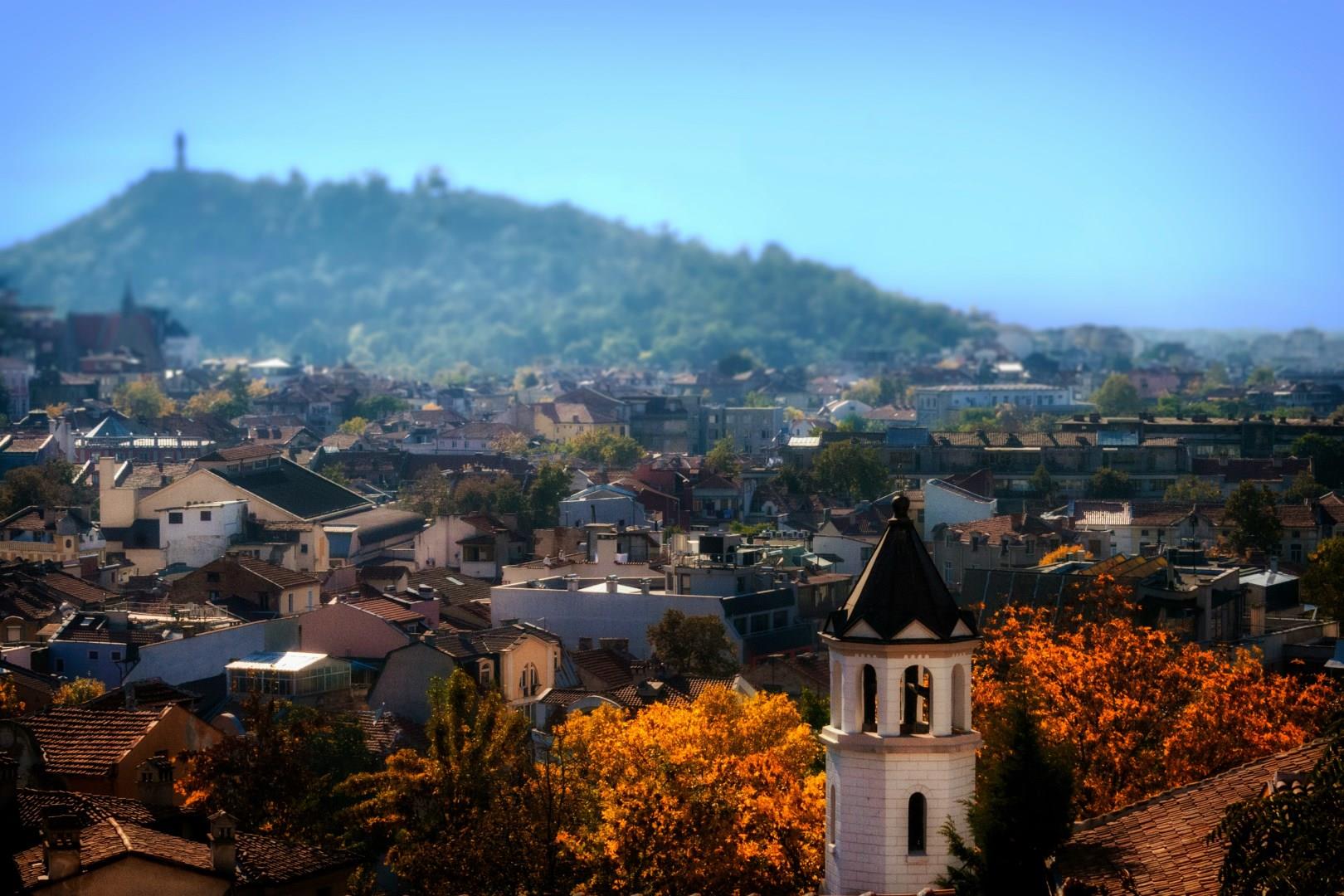
Plovdiv, one of the oldest continuously inhabited cities in Europe, carries over 8,000 years of history layered into its streets. The Roman Theater, still in use today, was discovered by accident in the 1970s and now hosts operas and concerts overlooking the Rhodope Mountains. Nearby, visitors can walk the remains of a Roman stadium buried beneath the main pedestrian street, where modern shops and cafés stand above ancient foundations.

Ivalo
Ivalo is a small settlement in Finnish Lapland, located along the Ivalo River in the municipality of Inari, well north of the Arctic Circle. It serves as the administrative and commercial center of the municipality and provides services for the surrounding wilderness communities. The river runs through the settlement before continuing toward Lake Inari, while extensive forests and open fell country surround the valley.
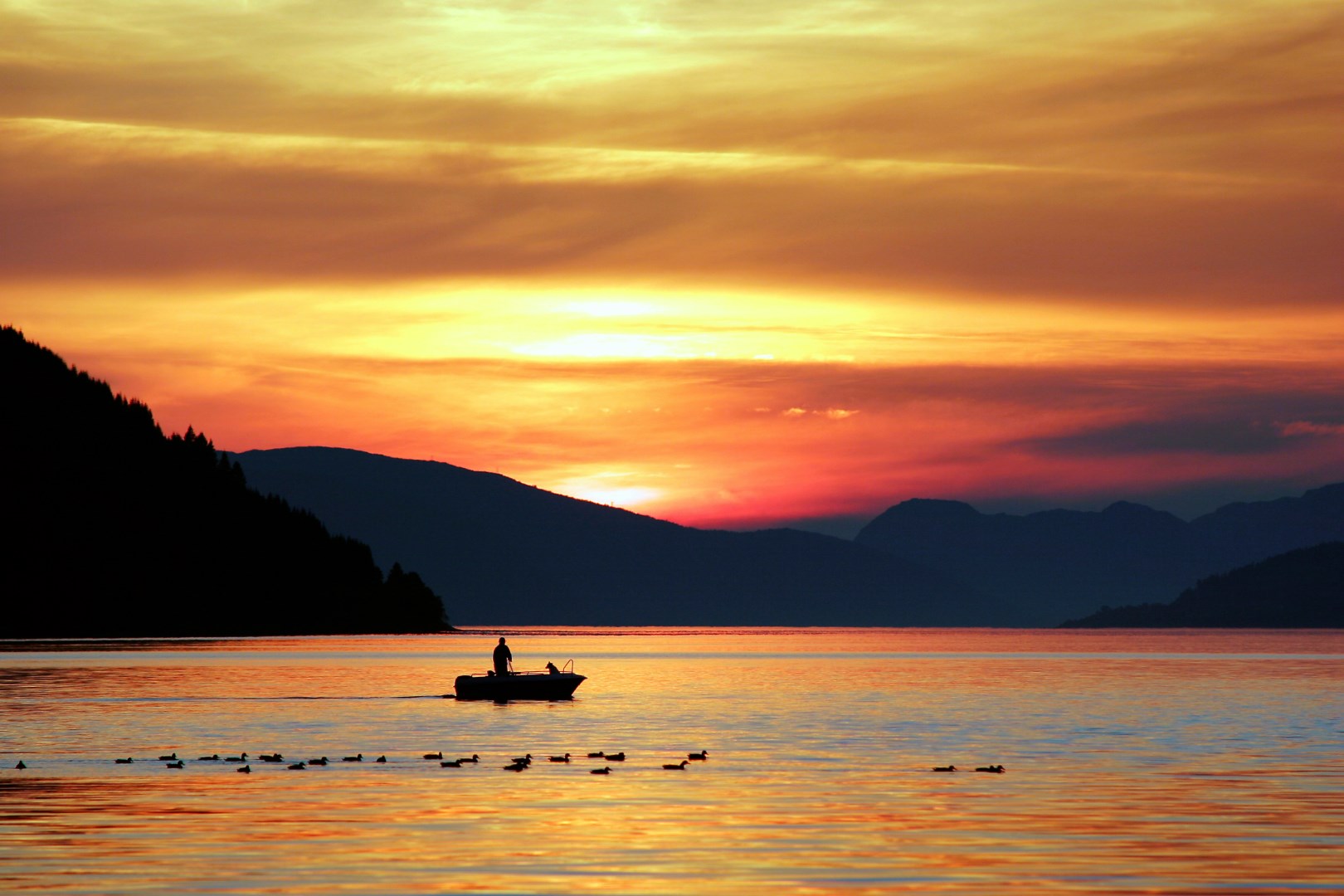
Nordfjordeid
Nordfjordeid is a town in Vestland county, western Norway, situated at the end of the Eidsfjorden branch of the larger Nordfjord. Surrounded by steep mountains, fertile valleys, and deep fjord waters, it serves as the administrative center of Stad Municipality.