Garden Route National Park
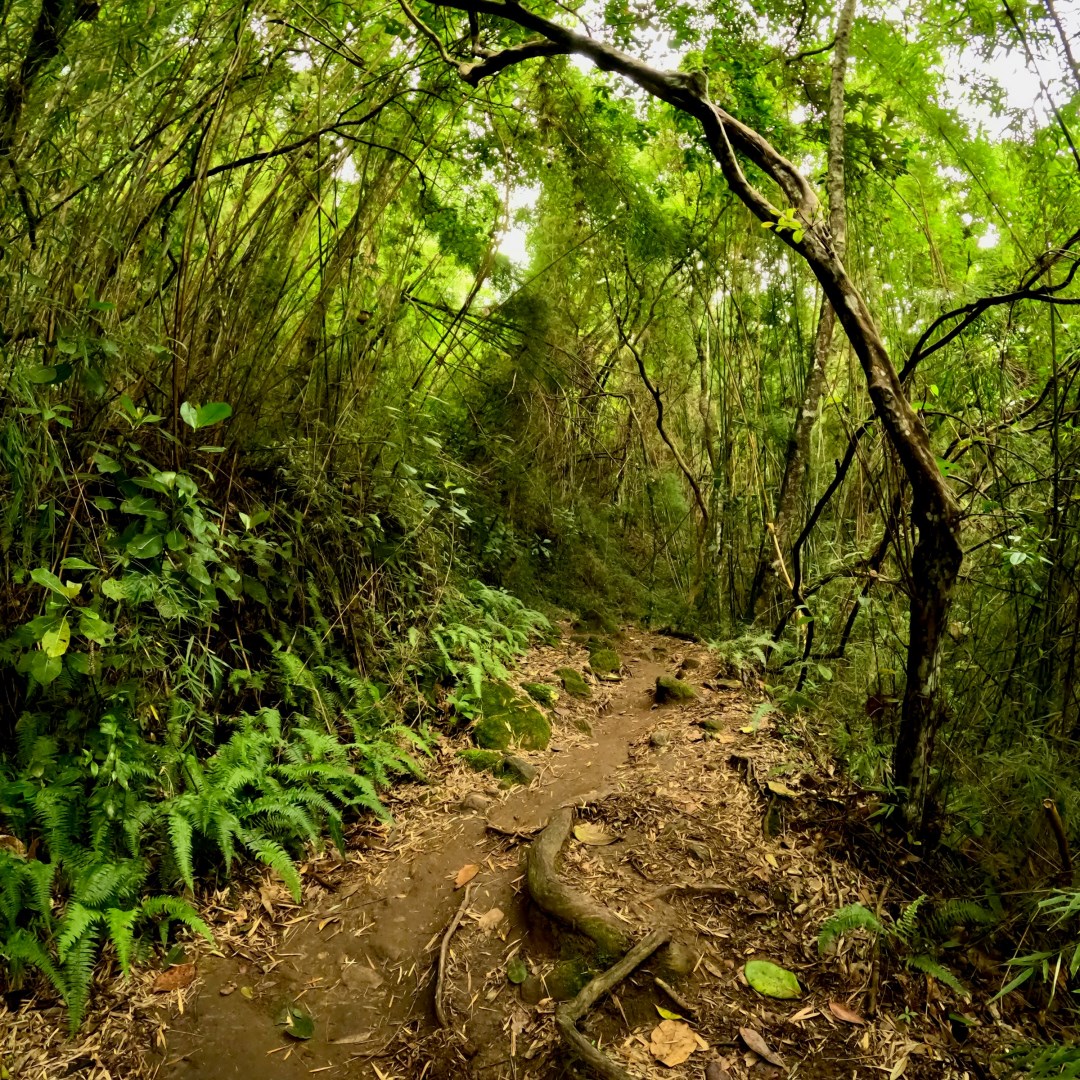
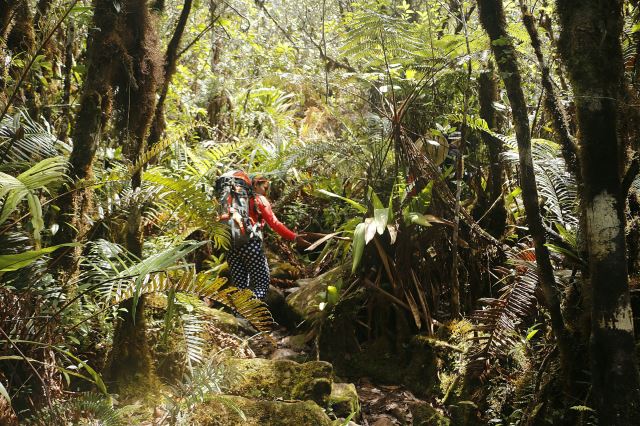
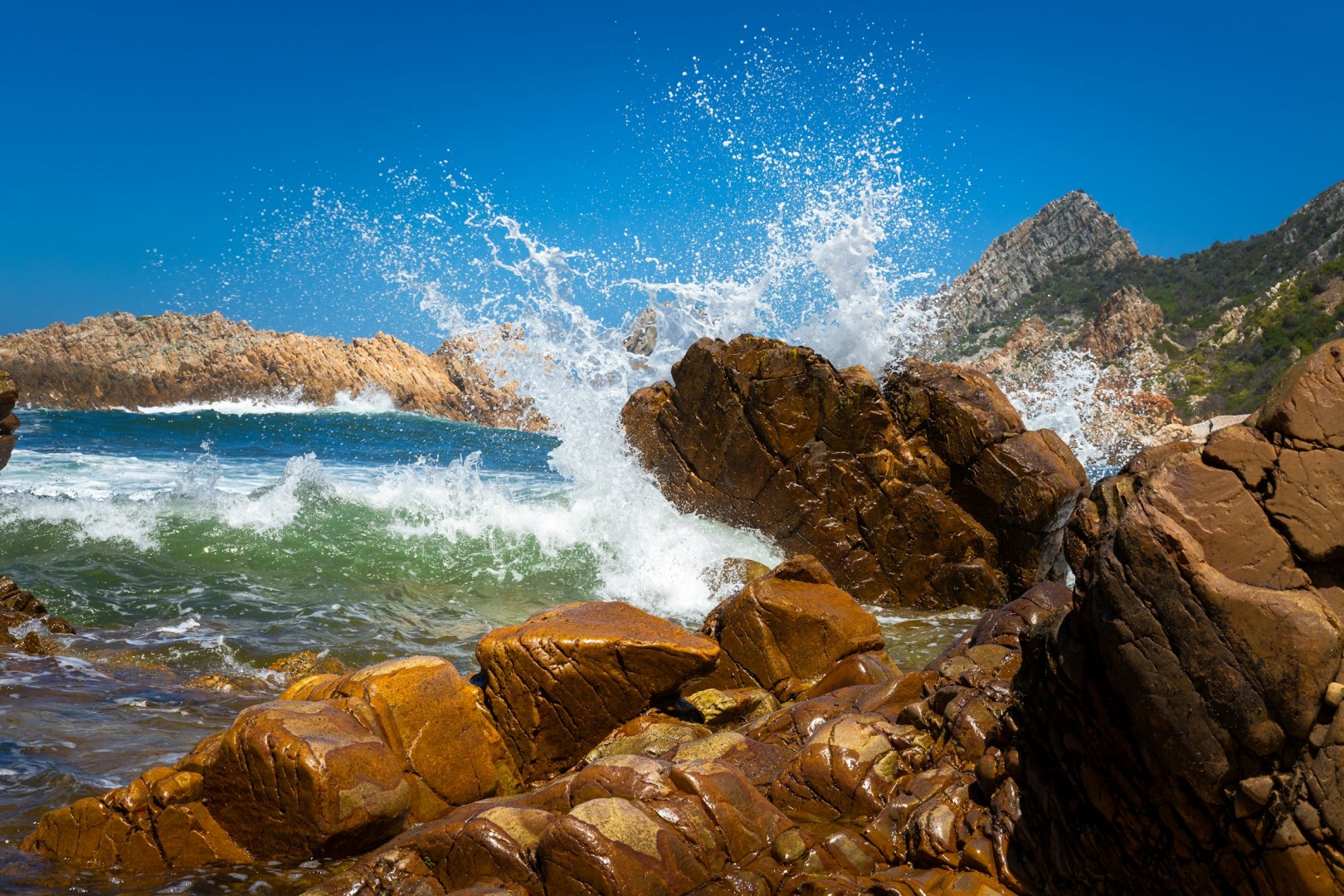
Garden Route National Park is a network of protected areas along South Africa’s southern coast, bringing together the Tsitsikamma, Wilderness, and Knysna sections under one management system. The park stretches across a varied landscape of Indian Ocean coastline, indigenous forest, mountain catchments, fynbos, rivers, lakes, and estuaries.

Arequipa
Arequipa, known as the "White City," is built from sillar, a pale volcanic stone that glows in the sunlight. This architectural detail gives the historic center its striking appearance and has earned it recognition as a UNESCO World Heritage Site. Towering above the city is the perfectly symmetrical Misti Volcano, which, along with two neighboring peaks, forms a dramatic backdrop.
El Tunco
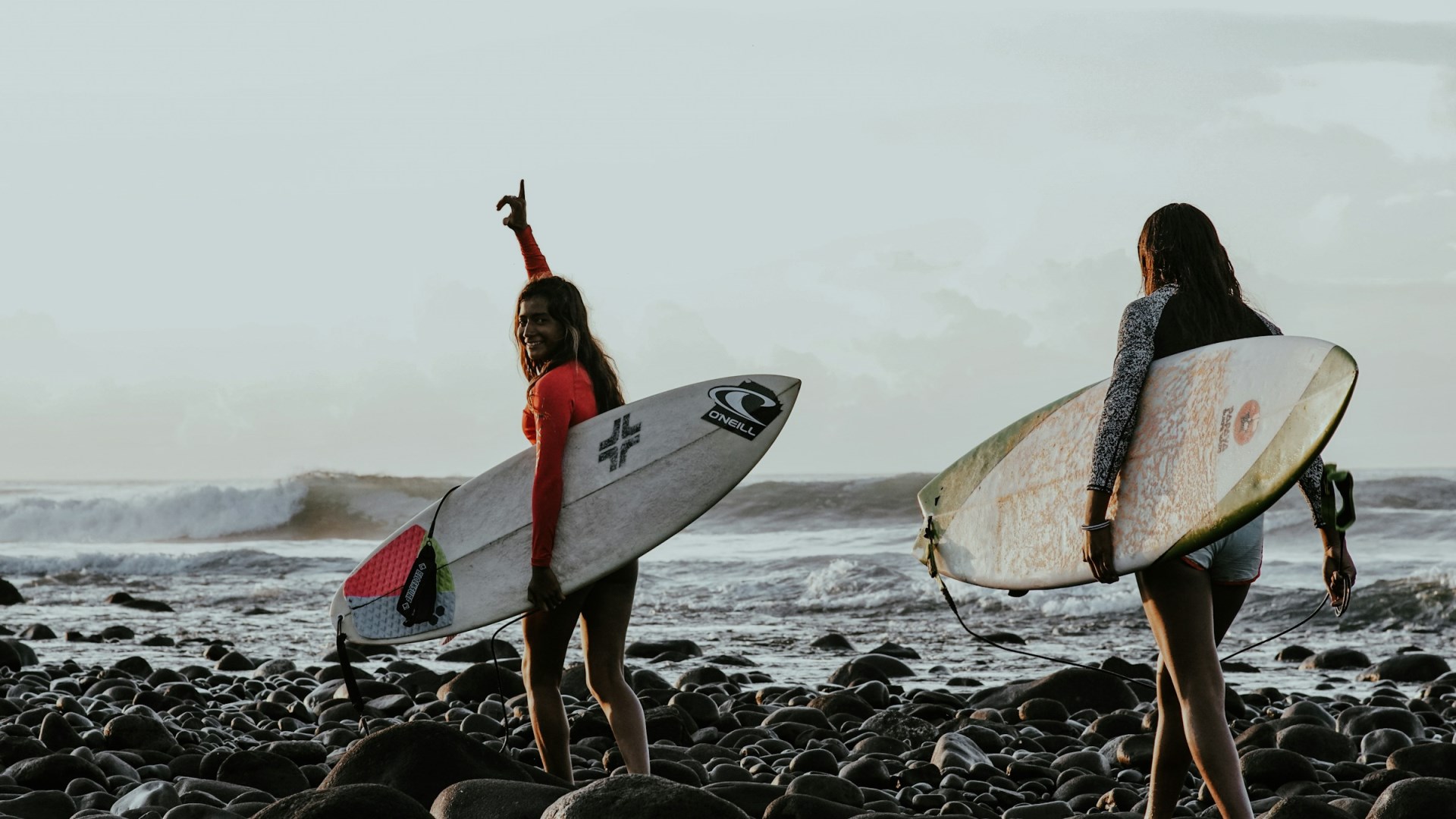
El Tunco is a small coastal village in the department of La Libertad, on El Salvador's central Pacific coast. It is named for the distinctive rock formation that sits offshore and is often described as resembling a pig, giving the beach its local name. The shoreline consists of dark volcanic sand, rocky outcrops, and strong Pacific surf, while low hills and tropical vegetation surround the village.
Kennebunkport
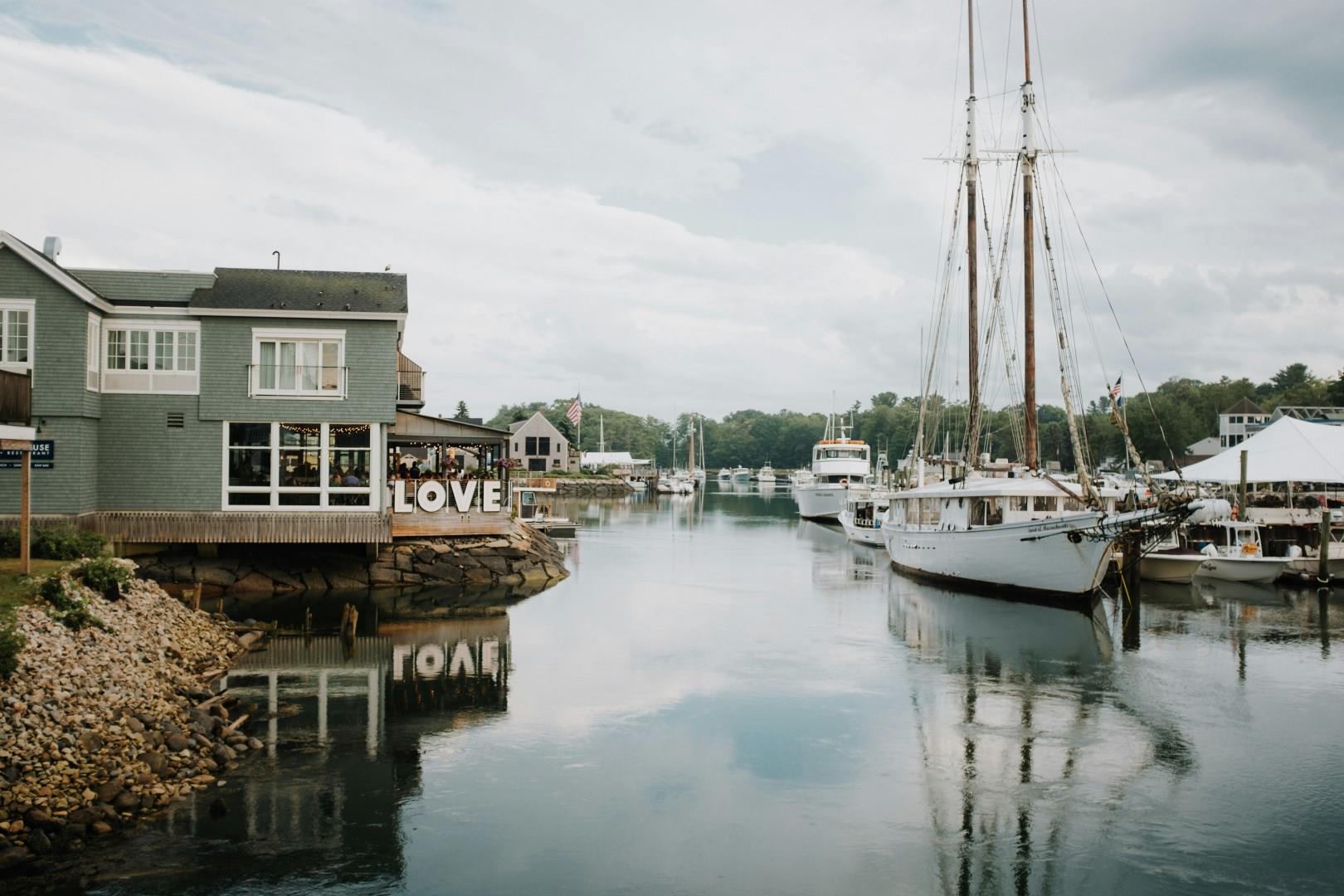
Kennebunkport is a small coastal town with a long maritime history and a character all its own. Originally settled in the 1600s, it grew as a shipbuilding center before becoming a quiet summer escape. Today, its working waterfront meets charming streets lined with boutiques, historic homes, and small galleries. Dock Square, the town’s walkable heart, is where visitors can browse local crafts, sample Maine-made ice cream, or pick up a hand-carved wooden buoy as a souvenir.
Freeport
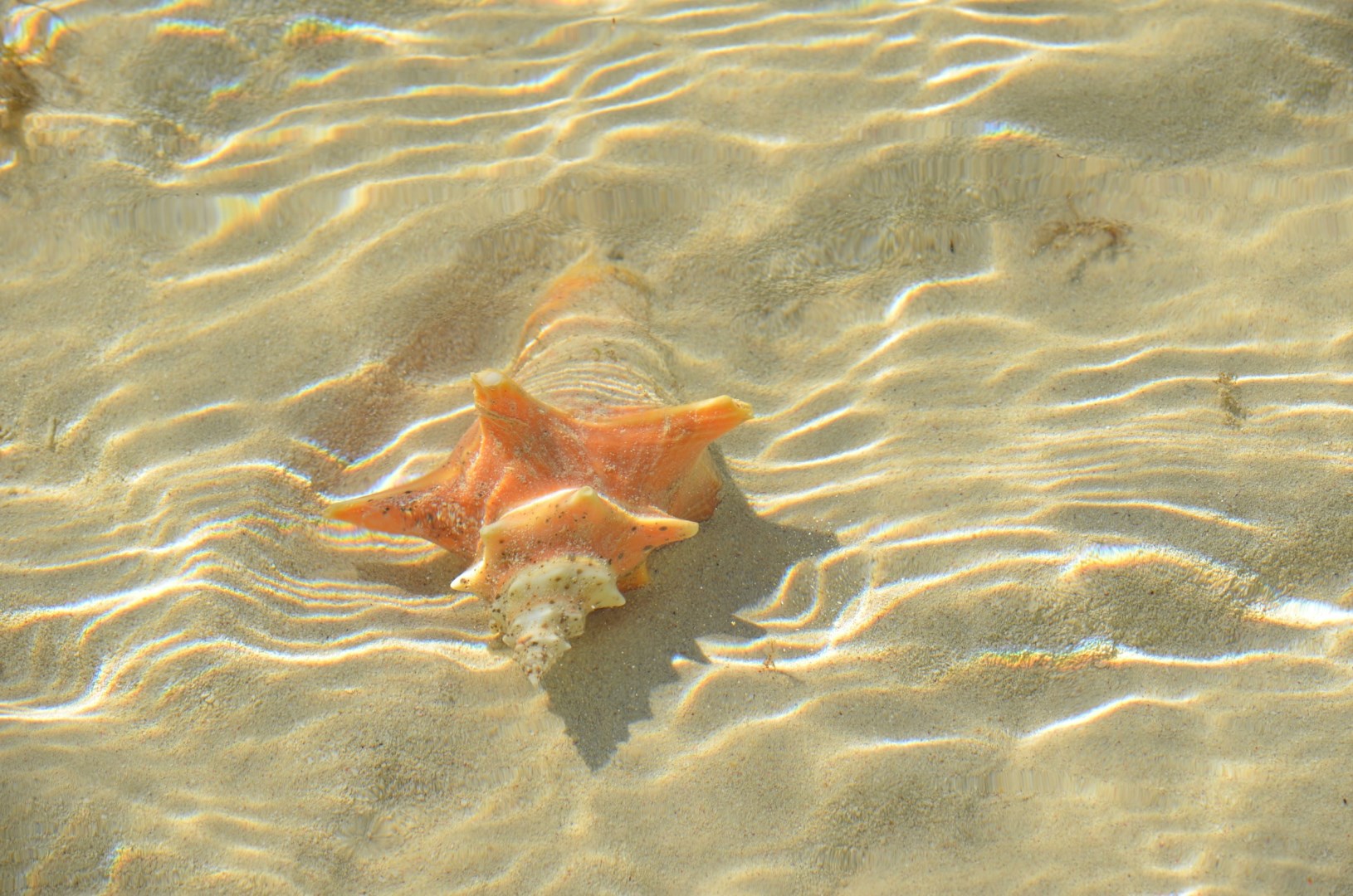
Freeport is the commercial center of Grand Bahama Island, set on the island’s southwestern side beside sheltered waters and extensive pine forests. The city was planned around a large private land development and has grown into a regional hub for tourism, shopping, dining, shipping, and recreation.