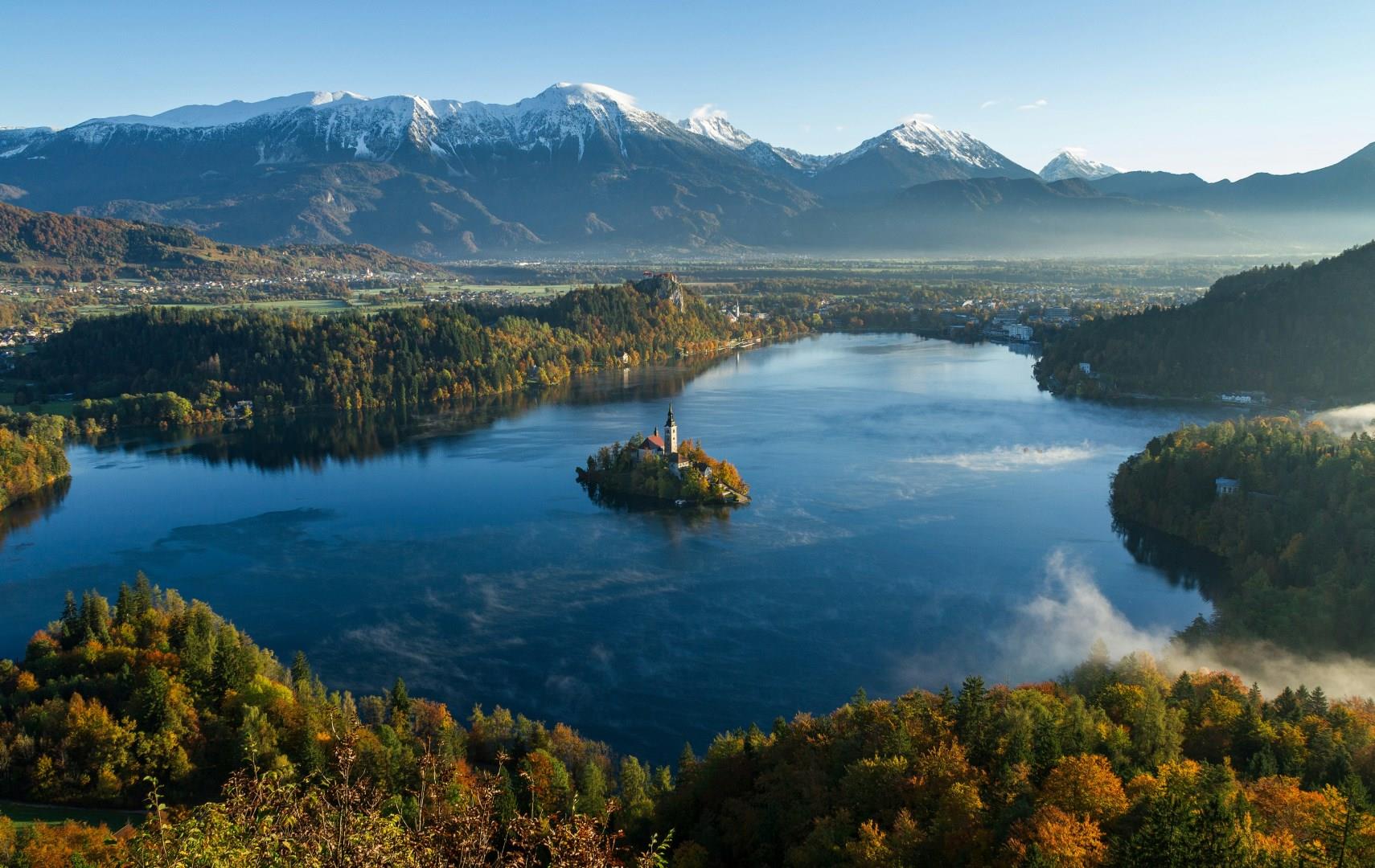
Bled, a small town in northwestern Slovenia, has gained international attention thanks to its lake, which features a lone island topped with a baroque church. Visitors often take traditional wooden boats called pletna to reach the island, where it's customary to ring the church bell and make a wish. According to local legend, the bell was originally cast in memory of a young widow’s lost husband, and today, its chime echoes across the lake as a symbol of devotion and hope.
Dijon is the capital of the Burgundy region in eastern France and a city renowned for its rich history, architectural beauty, and, of course, its world-famous mustard. With the city's origins dating back to Roman times, Dijon boasts an impressive array of historical sites, including the Église Notre-Dame and Palais des Ducs, one of France's most outstanding museums of fine arts.
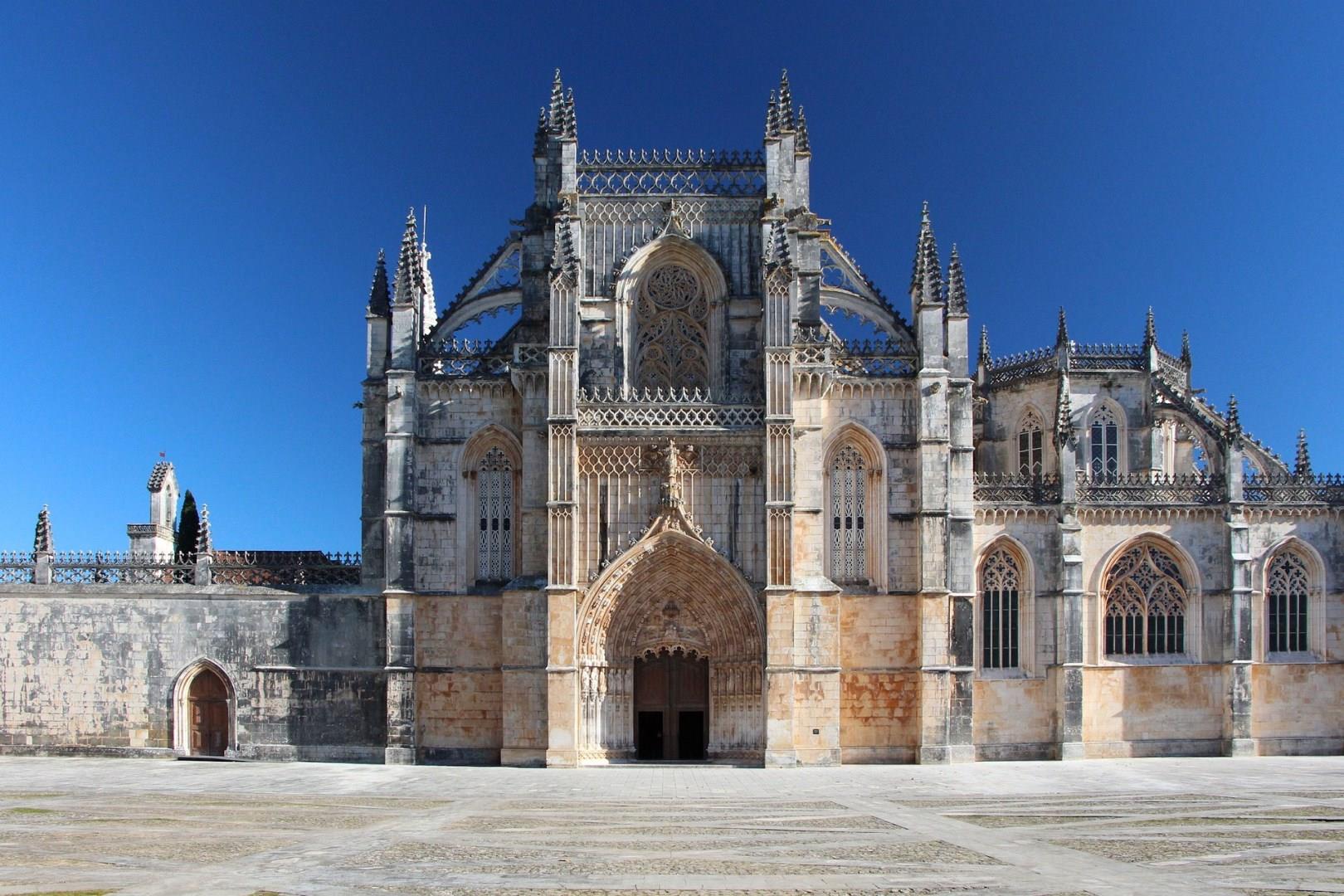
Batalha, a small town in central Portugal, is steeped in history and home to one of the country’s most magnificent monuments, the Batalha Monastery. This UNESCO World Heritage Site, also known as the Monastery of Santa Maria da Vitória, was built to commemorate the Portuguese victory over Castile at the Battle of Aljubarrota in 1385. I
Beyond its historical sites, Jordan's natural landscapes offer a diverse range of experiences. The Dead Sea, the lowest point on Earth's surface, is renowned for its buoyant waters and therapeutic mud, attracting visitors seeking relaxation and wellness. To the south, Wadi Rum's dramatic desert scenery, with its towering sandstone mountains and vast red dunes, provides a backdrop for adventure activities like jeep tours, camel rides, and stargazing.
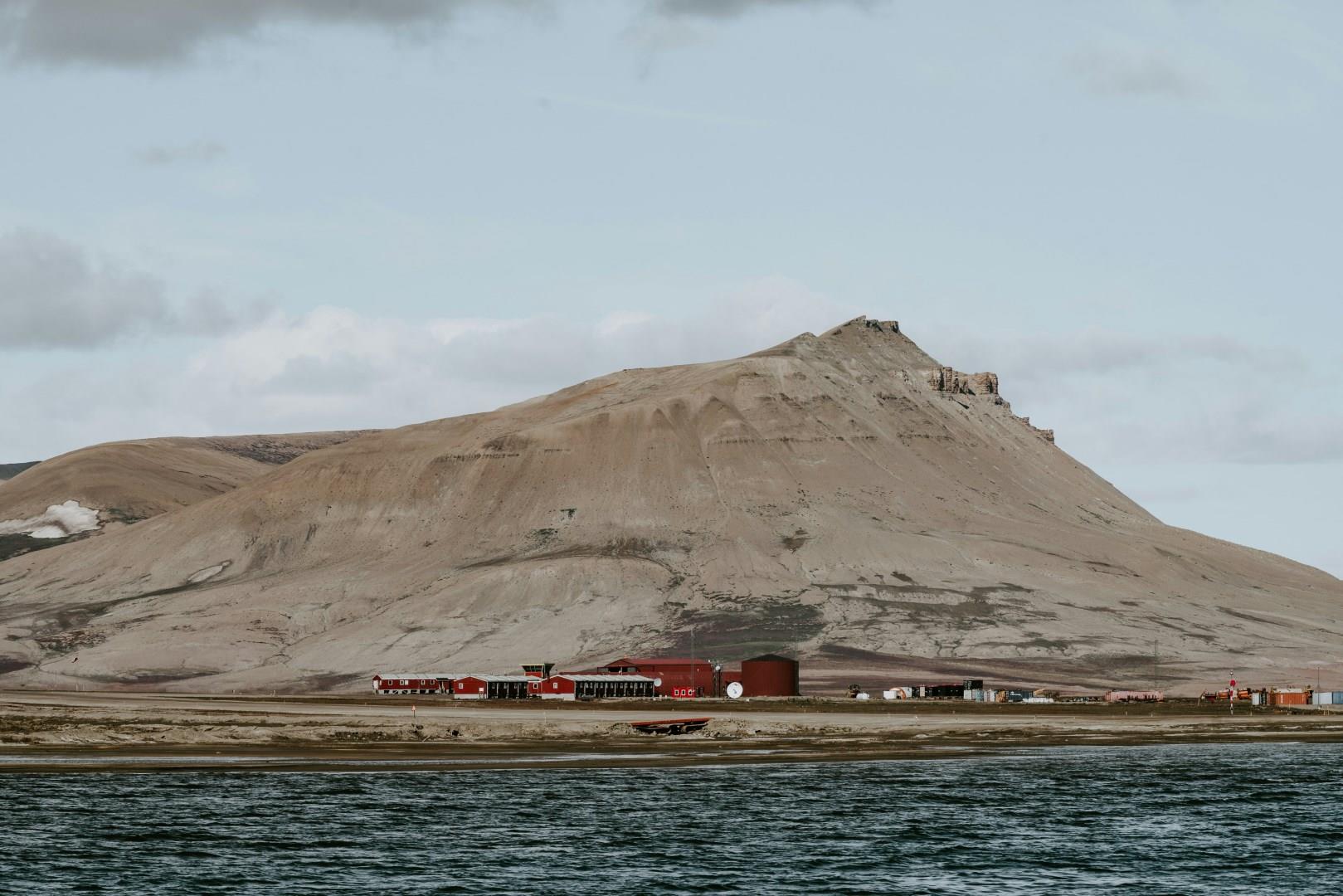
Constable Point, known locally as Nerlerit Inaat, is a small but fascinating gateway to Greenland’s remote east coast. Originally established in the 1980s to support mineral exploration and later functioning as a crucial supply base, Constable Point now serves as the main air access hub for visitors headed to the isolated communities of Ittoqqortoormiit and Scoresby Sound.
Photo Credit: Photo by Eduardo Fernández on Unsplash
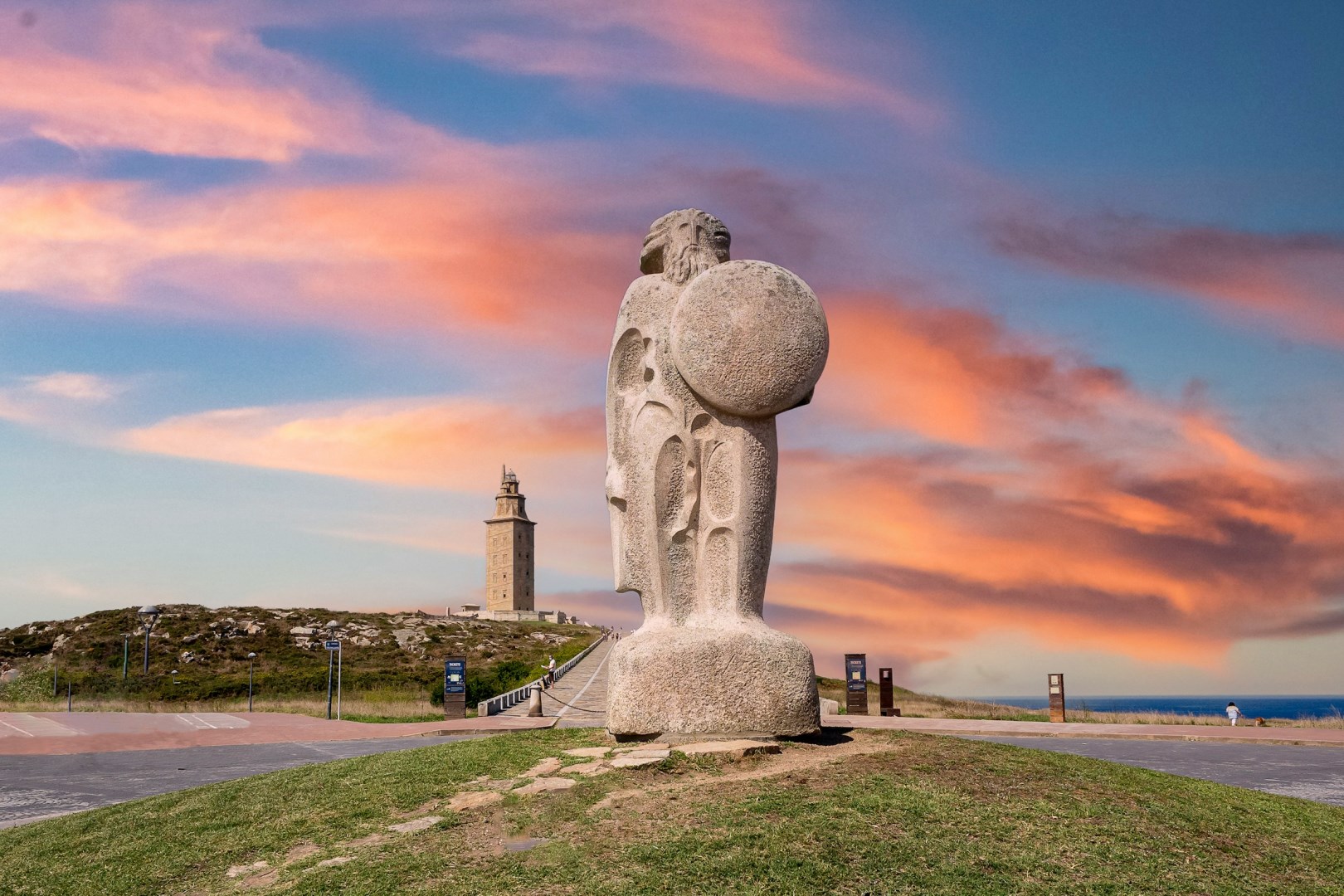
Faro de A Coruña
Photo Credit: Photo by Manuel Torres Garcia on Unsplash
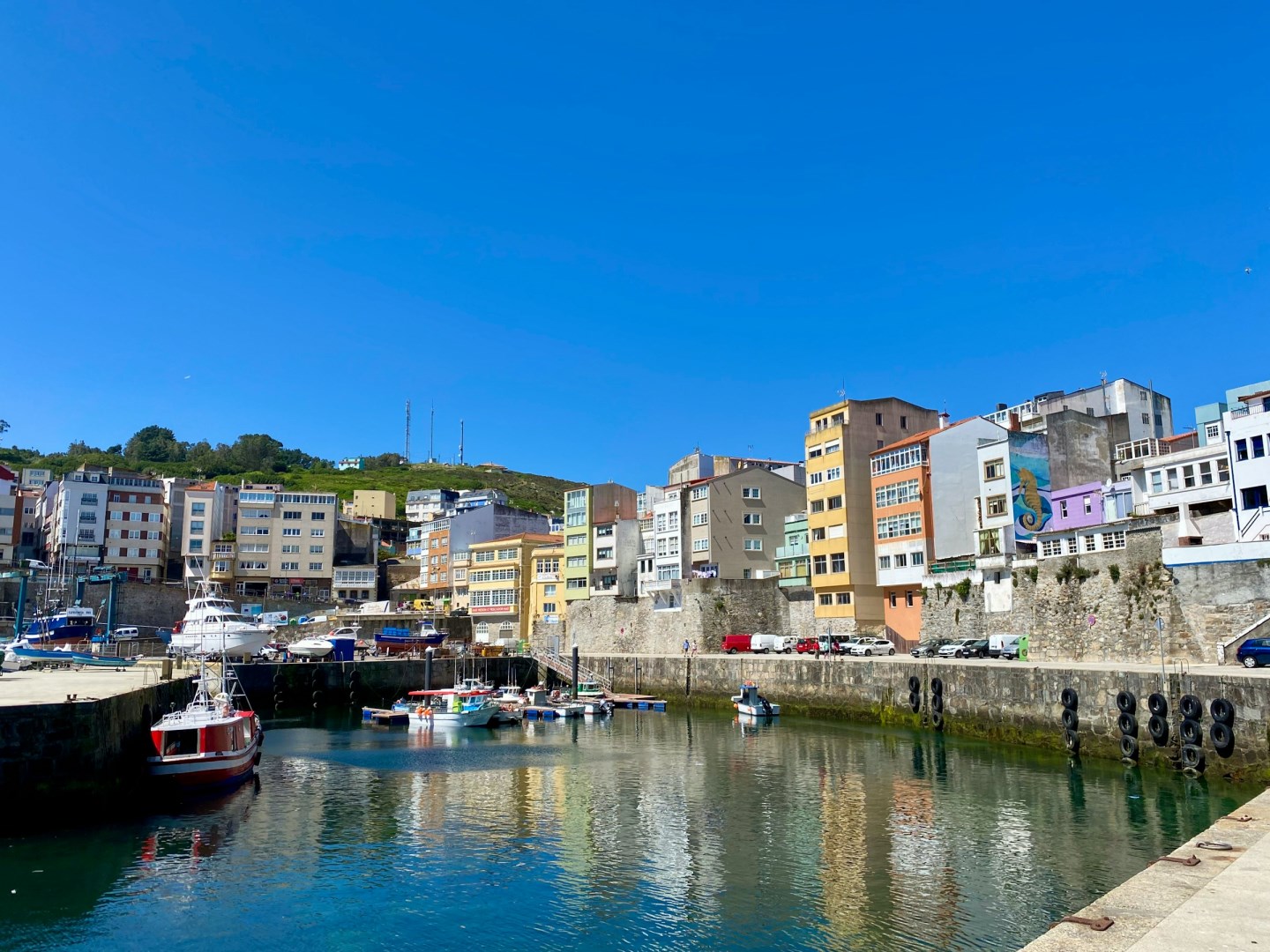
Photo Credit: Photo by Robert Jan Schokking on Unsplash
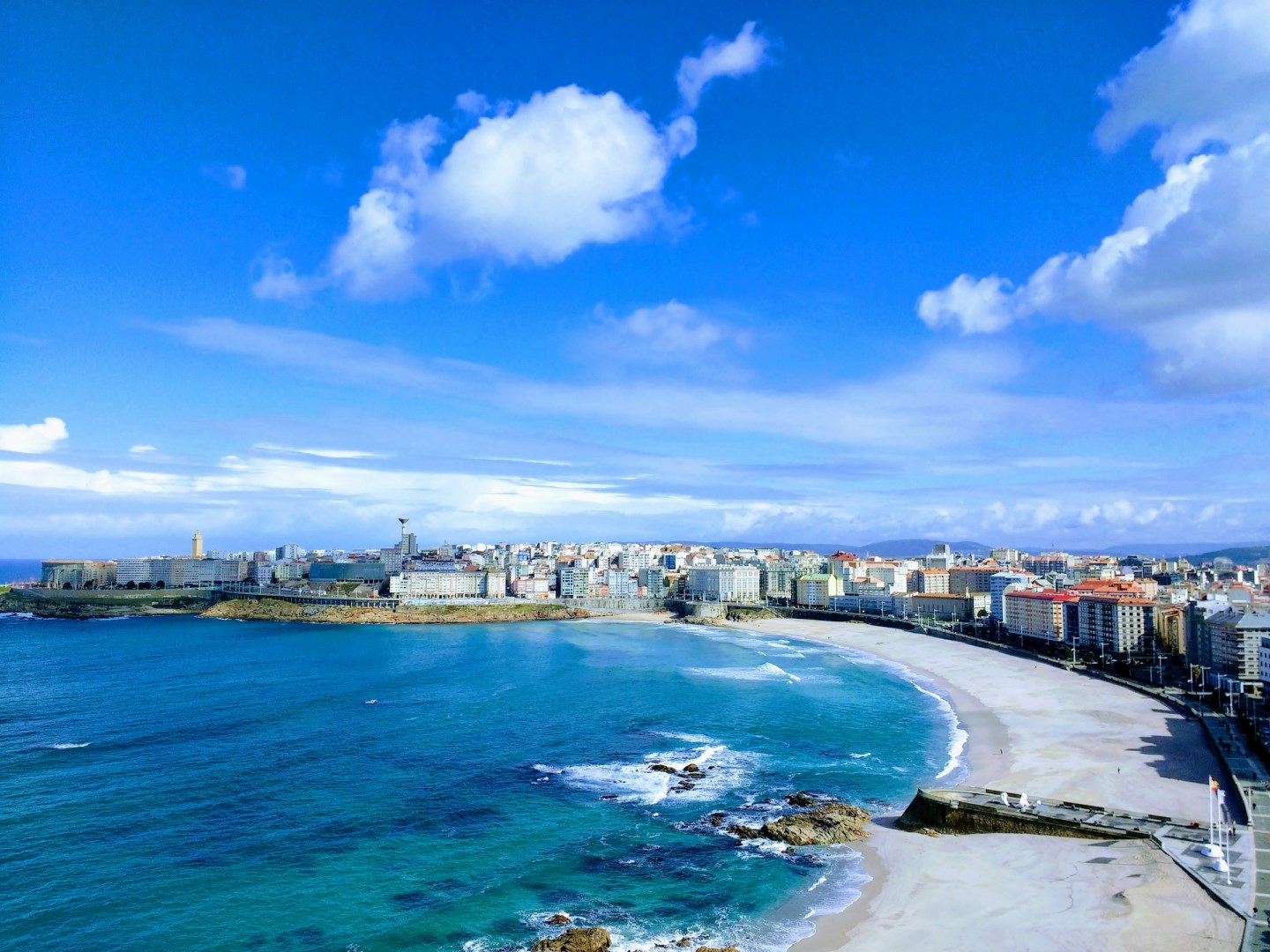
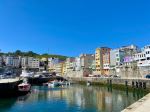
Perched on the northern coast of Spain, A Coruña (or La Coruña) is a captivating city with a rich maritime heritage and scenic beauty. Dominated by its iconic lighthouse, the Torre de Hércules, which is the oldest functioning lighthouse in the world, A Coruña offers a unique glimpse into ancient engineering. The Torre de Hércules, a UNESCO World Heritage Site, stands as a beacon of the city's historical and cultural significance source.
A Coruña's charm extends to its bustling Old Town, where you can wander through picturesque streets lined with colorful Galician buildings and traditional tapas bars. The Plaza de María Pita, named after the local heroine who defended the city from English invaders, serves as the heart of the city’s social life and features impressive architectural landmarks like the City Hall source. Don’t miss a stroll along the scenic promenade that encircles the city, offering panoramic views of the Atlantic Ocean and the rugged coastline source.
For nature enthusiasts, A Coruña provides easy access to the stunning beaches of Riazor and Orzán, ideal for sunbathing and water sports. The city is also a gateway to the lush green landscapes of Galicia, with numerous trails and parks such as the beautiful Monte de San Pedro, which offers spectacular views over the city and the sea source.
Slogan: "A Coruña: Where Ancient Legends Meet Atlantic Breezes."
Fun Fact: A Coruña is famous for its "meigas" or witches, a nod to the region’s rich folklore and magical traditions source.
Visiting A Coruña in the spring or early fall provides the best weather for exploring its outdoor attractions and enjoying its cultural events with fewer crowds.
Other Popular Destinations in Spain
Barcelona
To visit Barcelona is to embrace both the past and the future. There is much to do and see in this cosmopolitan capital of Catalonia, from medieval structures to beaches to UNESCO Heritage Sites by Antoni Gaudí and Lluís Doménech i Montaner.
Salamanca
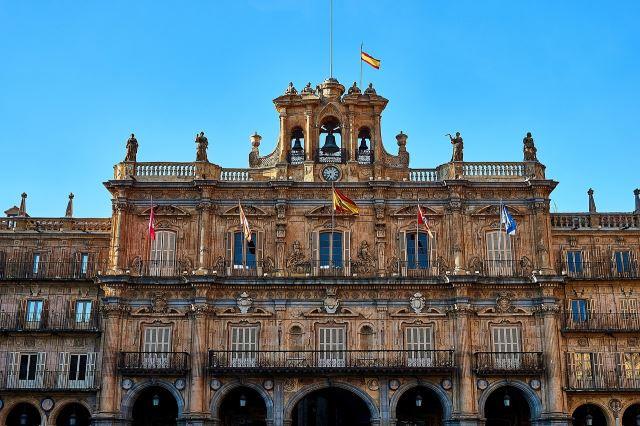
Salamanca, often called the “Golden City” for the warm glow of its sandstone buildings, is a place where centuries of stories are etched into every wall. Visit its historic center to wander through cobbled streets lined with architectural marvels. The University of Salamanca, founded in 1218, is one of the oldest in Europe and still buzzes with student life.