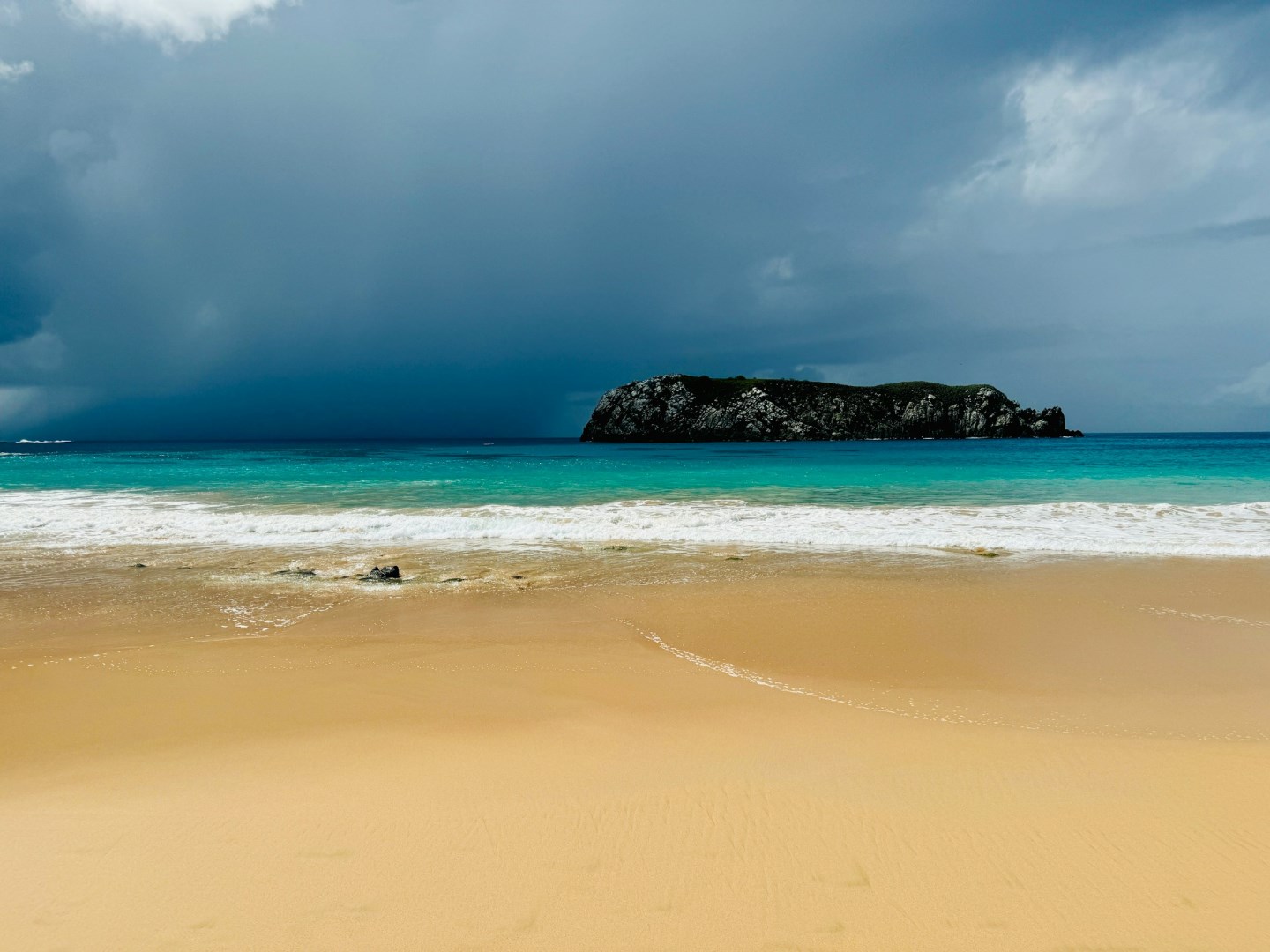
Fernando de Noronha is a volcanic archipelago in the Atlantic Ocean, belonging to the Brazilian state of Pernambuco. The archipelago consists of 21 islands and islets, with only the main island permanently inhabited. Much of the land and surrounding sea is protected through the Fernando de Noronha Marine National Park and the Fernando de Noronha Environmental Protection Area.
Uluru-Kata Tjuta National Park, national park in the Northern Territory, Australia, in the arid center of the continent, southwest of Alice Springs. The area was established as Ayers Rock/Mount Olga National Park in 1958 and renamed Uluru National Park in 1977.

Glenfinnan, nestled in the Scottish Highlands, is a picturesque village renowned for its dramatic landscapes and historical significance. This small but enchanting destination is best known for the Glenfinnan Viaduct, an architectural marvel completed in 1901.
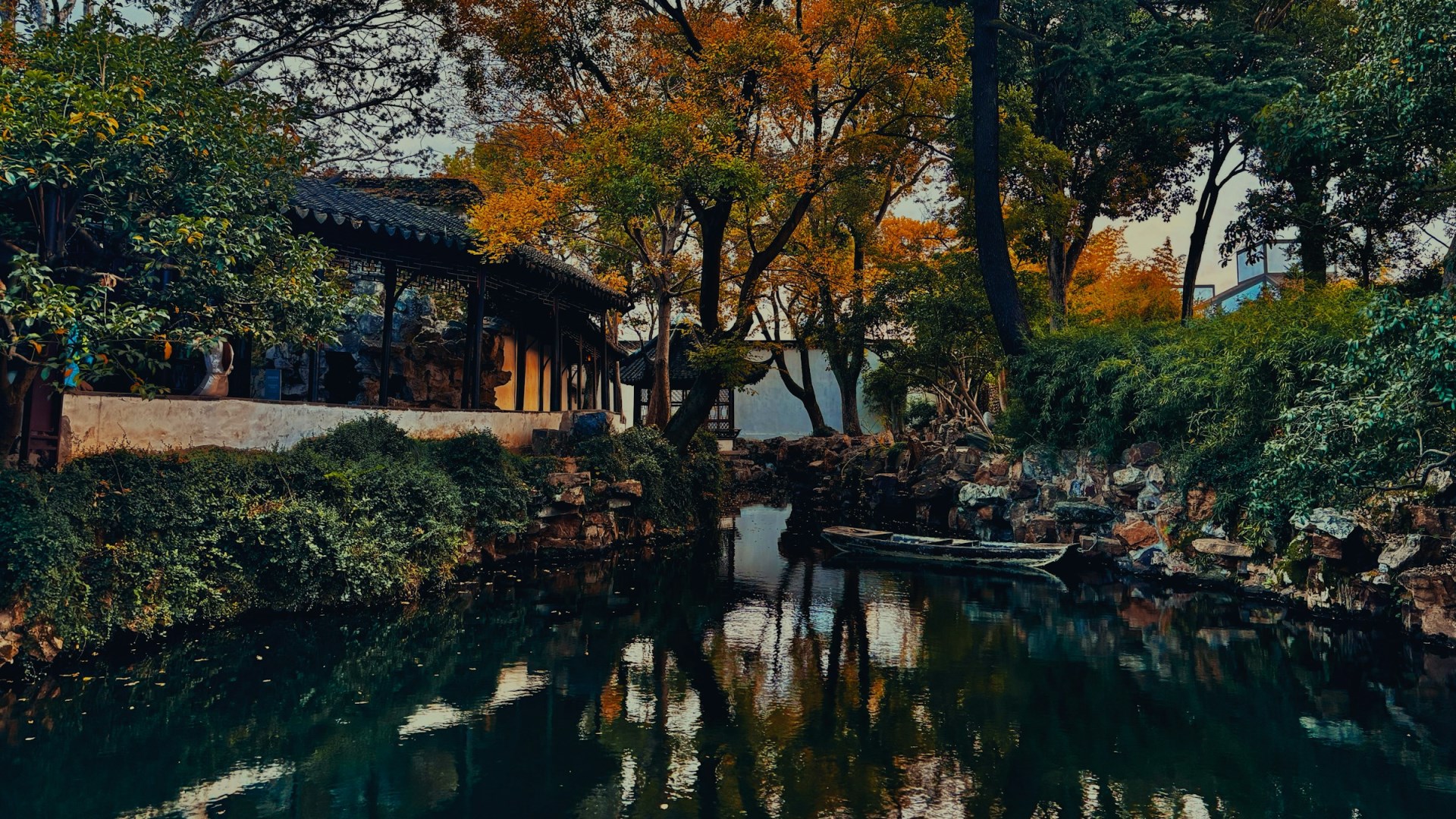
Suzhou, often referred to as the "Venice of the East," enchants visitors with its labyrinth of canals, classical gardens, and rich silk heritage. Located in eastern China's Jiangsu Province, Suzhou is famed for its beautifully preserved classical Chinese gardens, which are UNESCO World Heritage Sites.

Set along the shoreline of Santa Cruz Island in the Galápagos, the Charles Darwin Research Station introduces visitors to a living laboratory shaped by volcanic land and rare wildlife. Located near Puerto Ayora, the station stands as the scientific heart of the islands, where researchers from around the world work side by side to understand and protect species found nowhere else on Earth.
Photo Credit: Photo by Ahmed Elnokrashy on Unsplash
Photo Credit: Photo by Hongbin on Unsplash
Photo Credit: Photo by Alex Azabache on Unsplash
Photo Credit: Photo by Pradeep Gopal on Unsplash
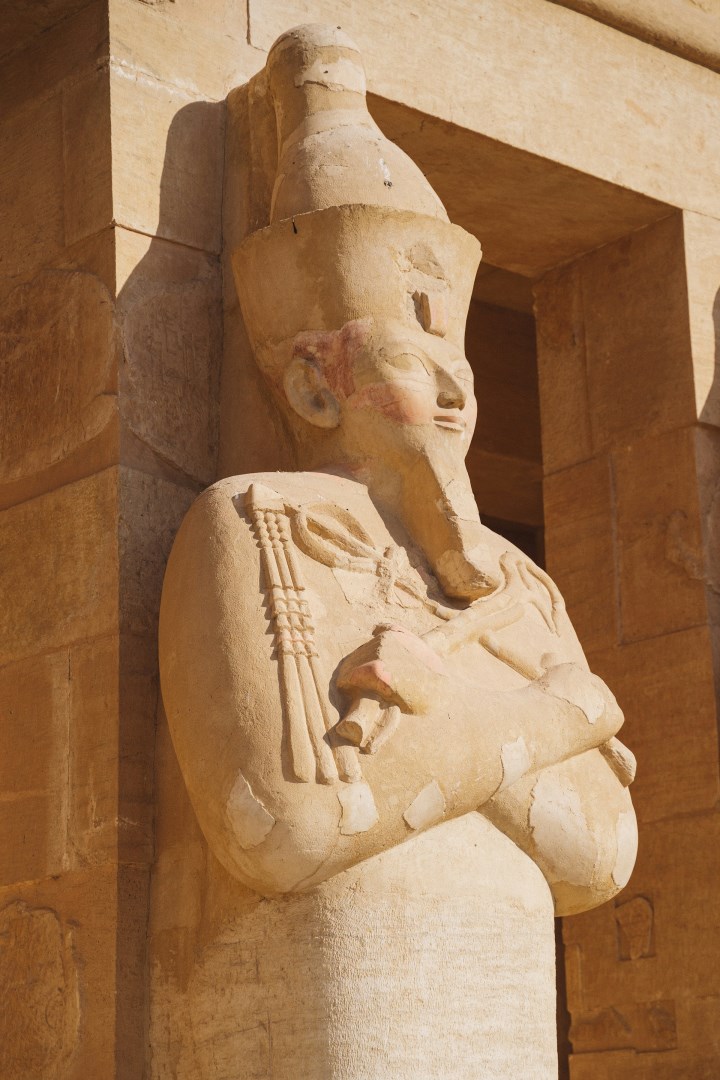
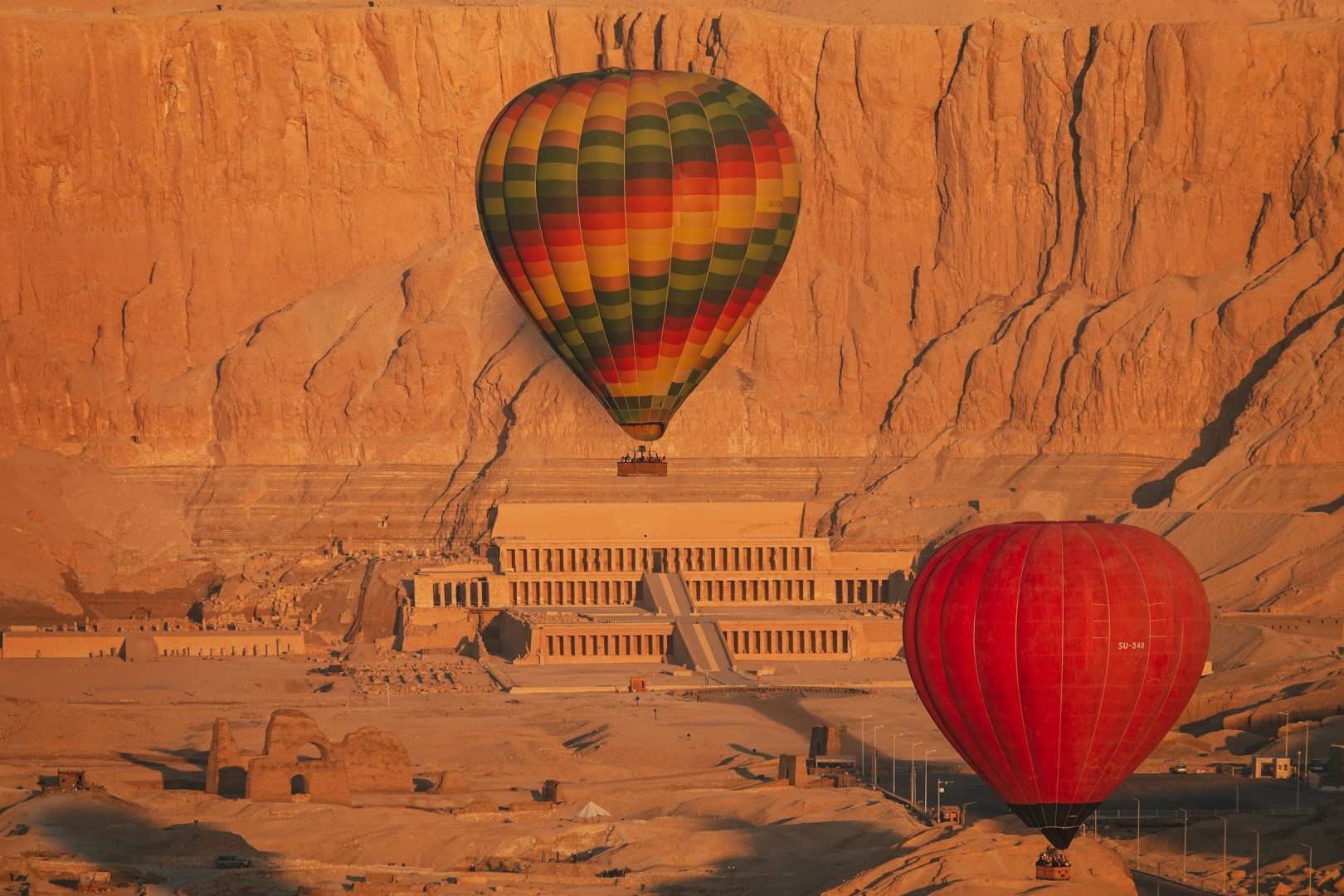
The Theban Necropolis
Photo Credit: Photo by Mo Gabrail on Unsplash
Photo Credit: Photo by Nathalie Lays on Unsplash
Photo Credit: Photo by Peter Nicola on Unsplash
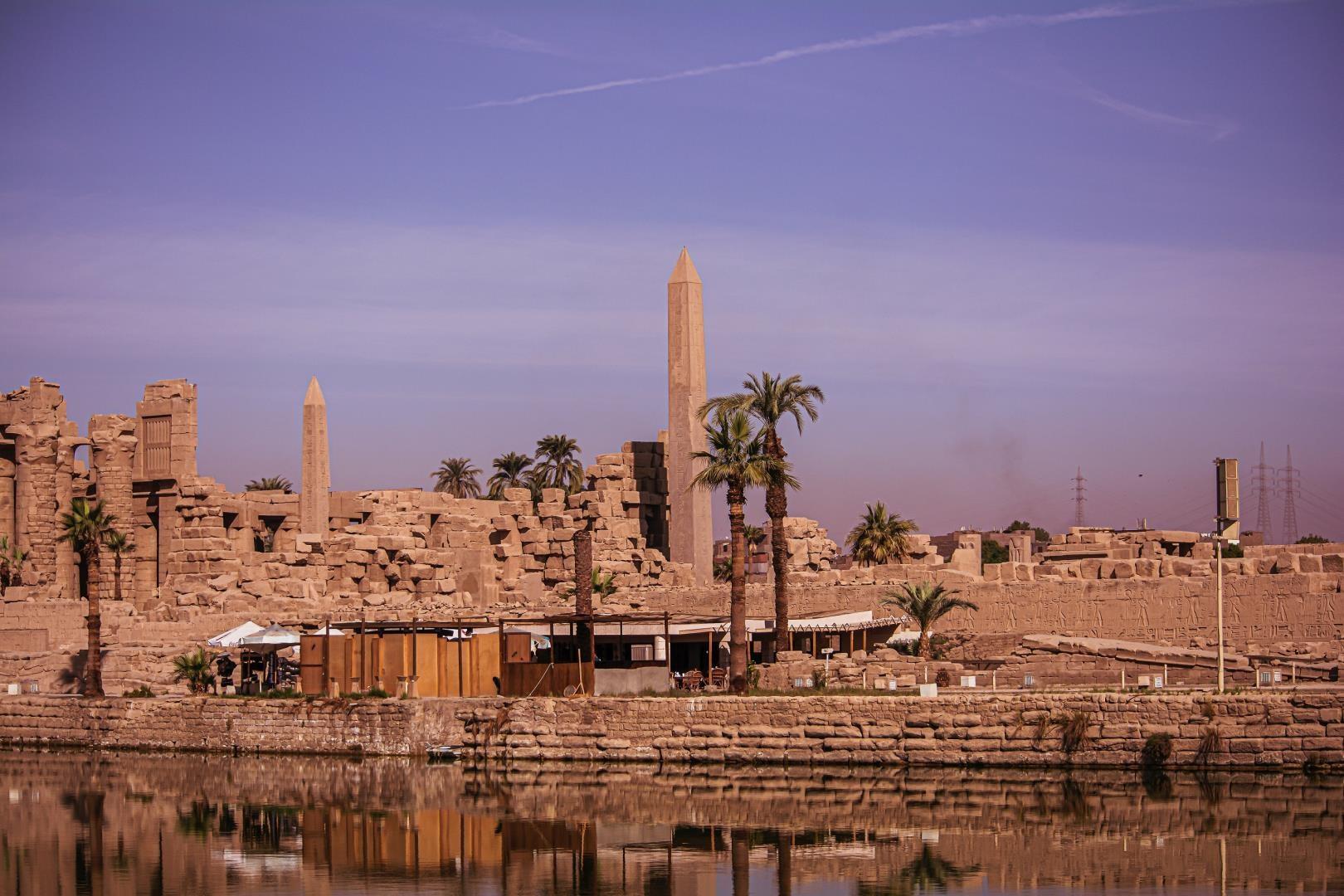
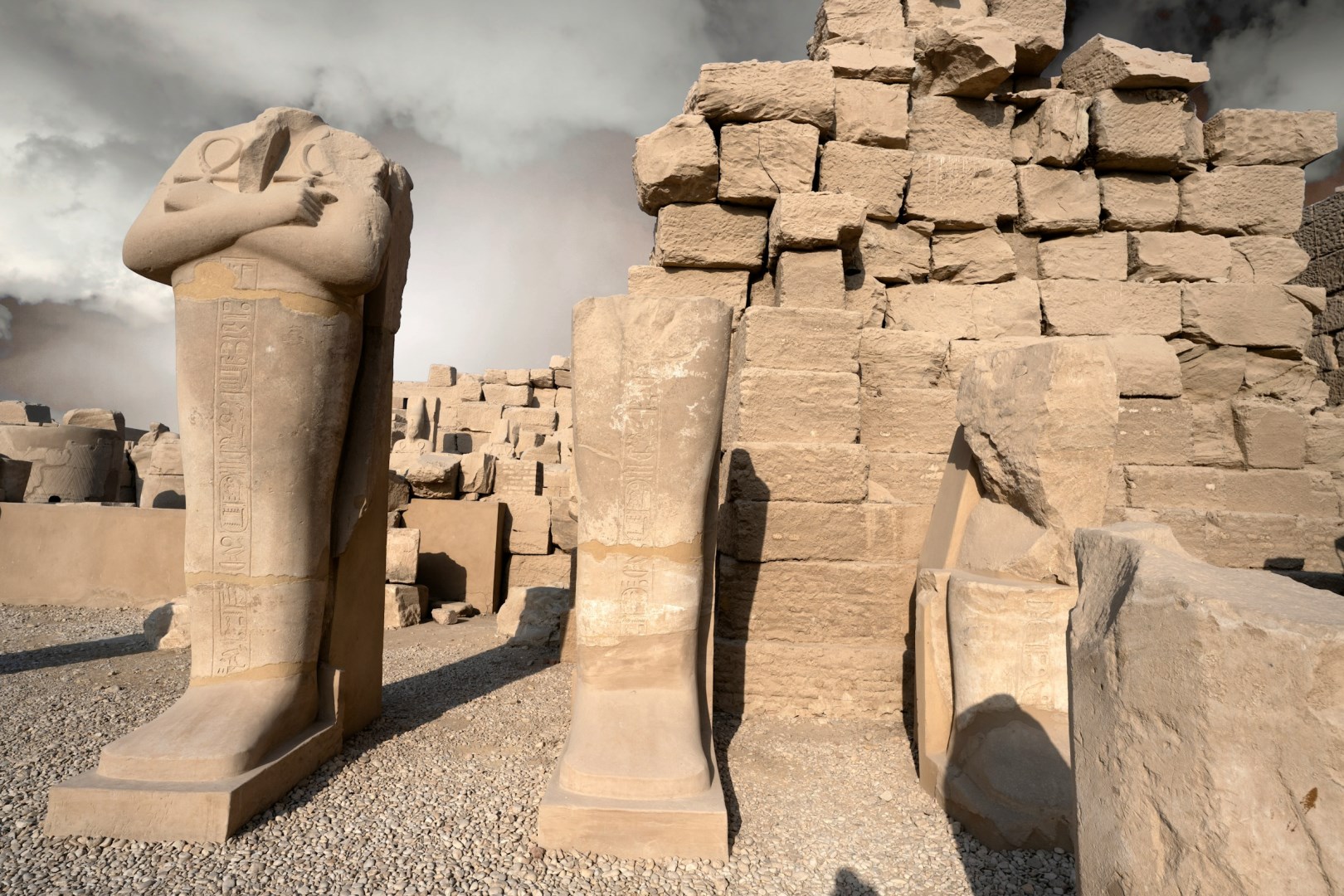
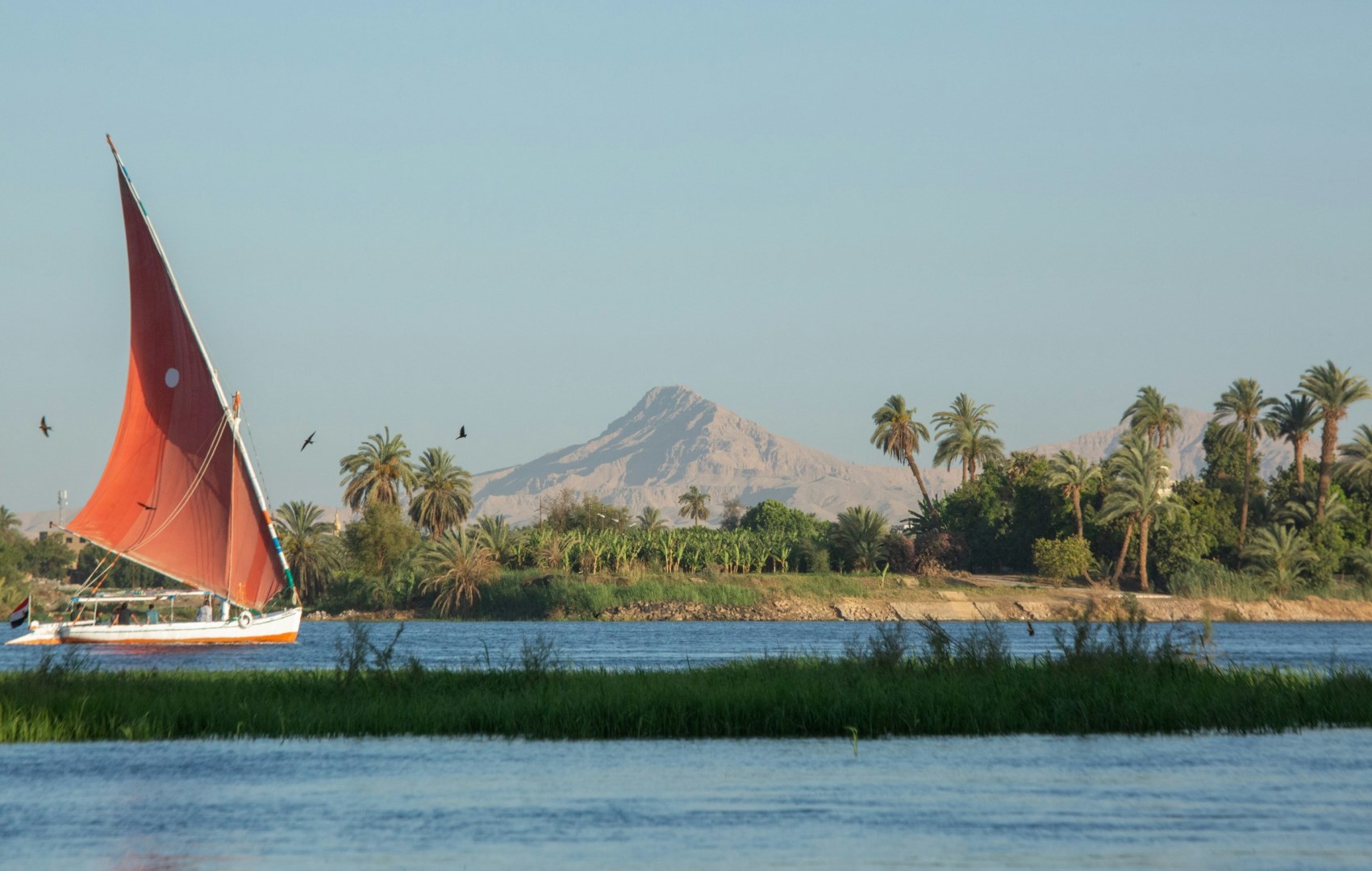
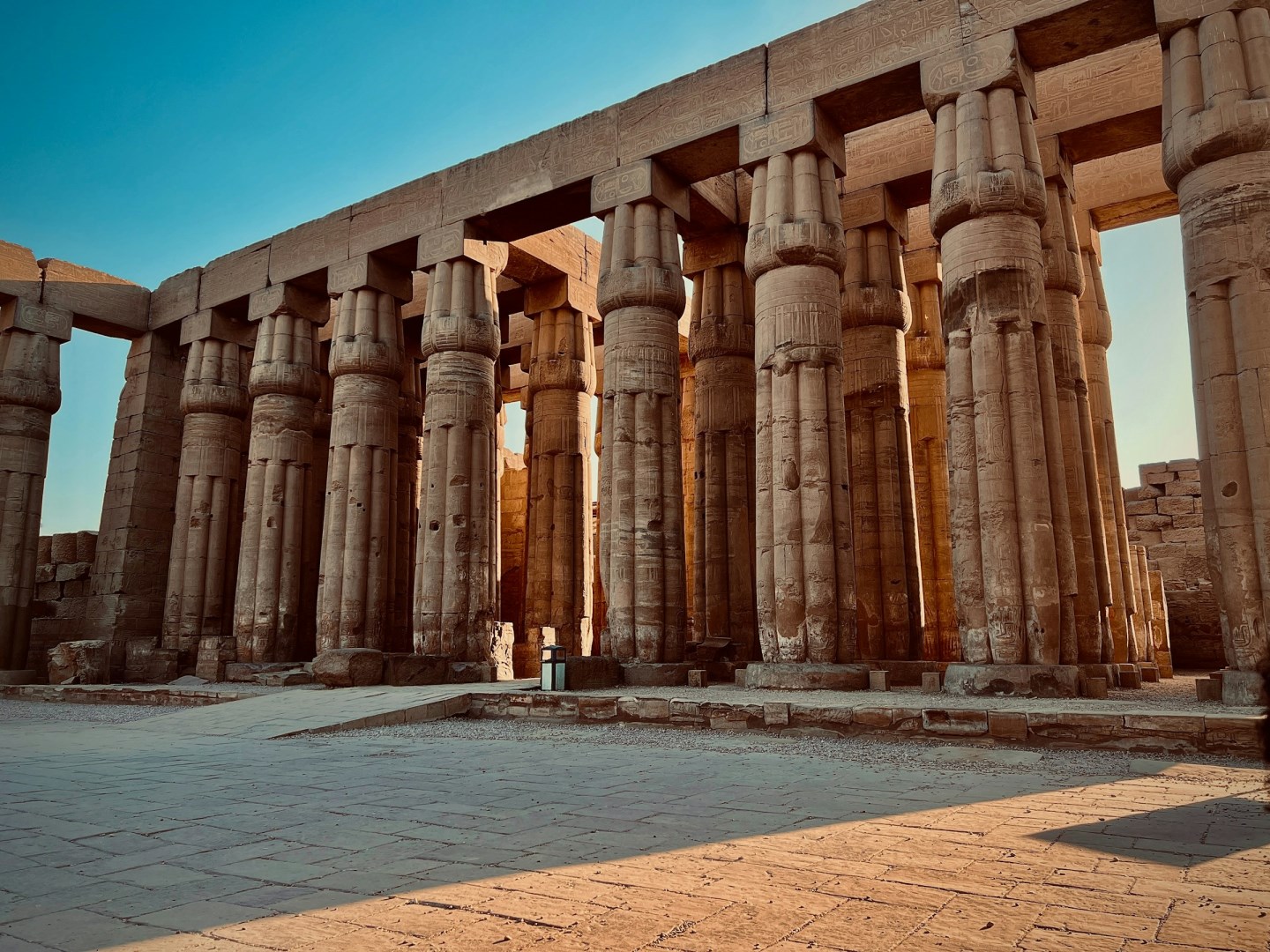
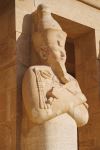
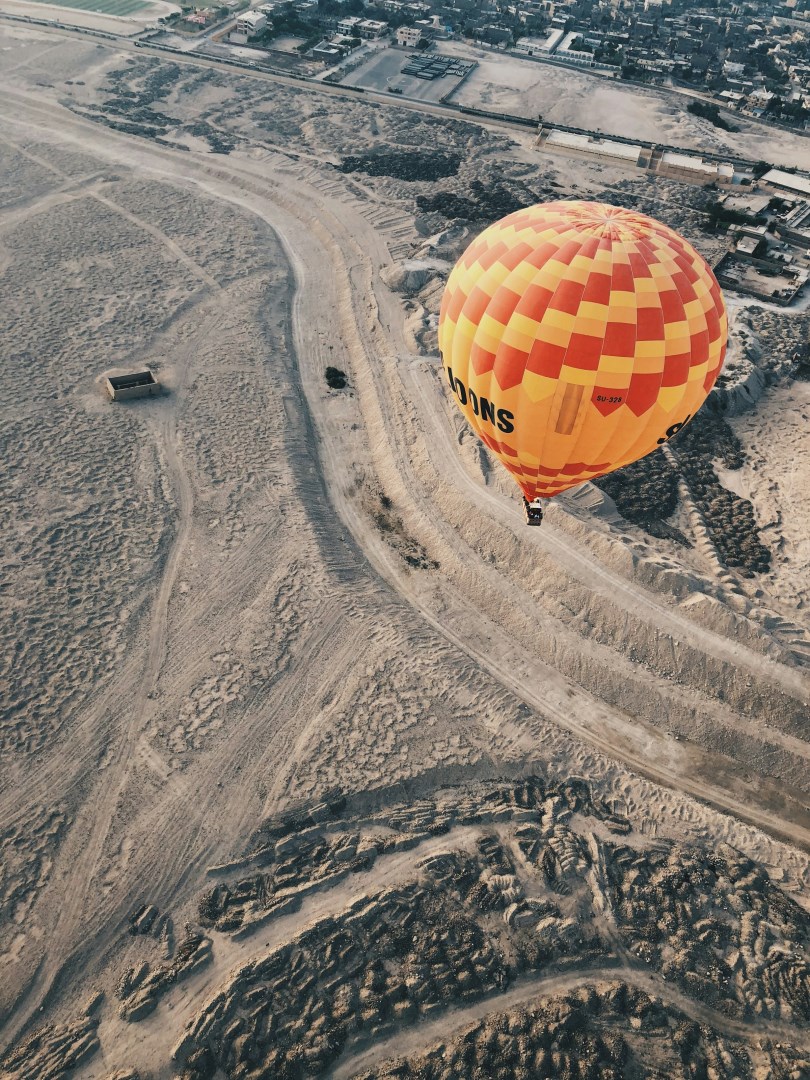
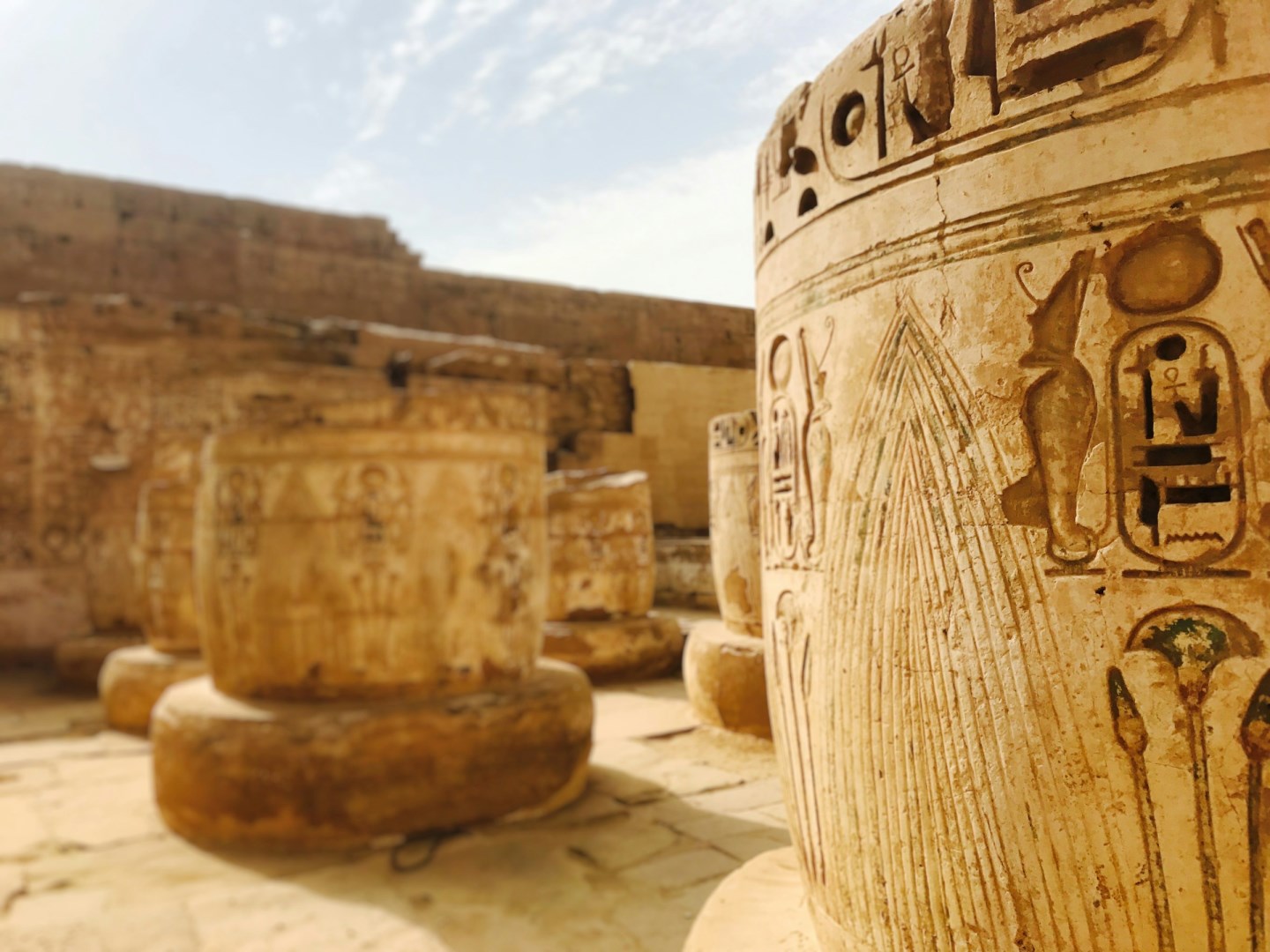
Luxor, often referred to as the world’s greatest open-air museum, is a city where ancient history and breathtaking archaeology converge. Nestled along the eastern bank of the Nile River, Luxor is home to some of the most remarkable and well-preserved relics of ancient Egypt. A visit to the Karnak Temple Complex, an expansive and awe-inspiring site dedicated to the Theban triad of gods, reveals the grandeur of ancient Egyptian architecture and religious practices. The massive columns, obelisks, and the Sacred Lake offer a glimpse into the grandeur of one of the most influential religious centers of ancient Egypt.
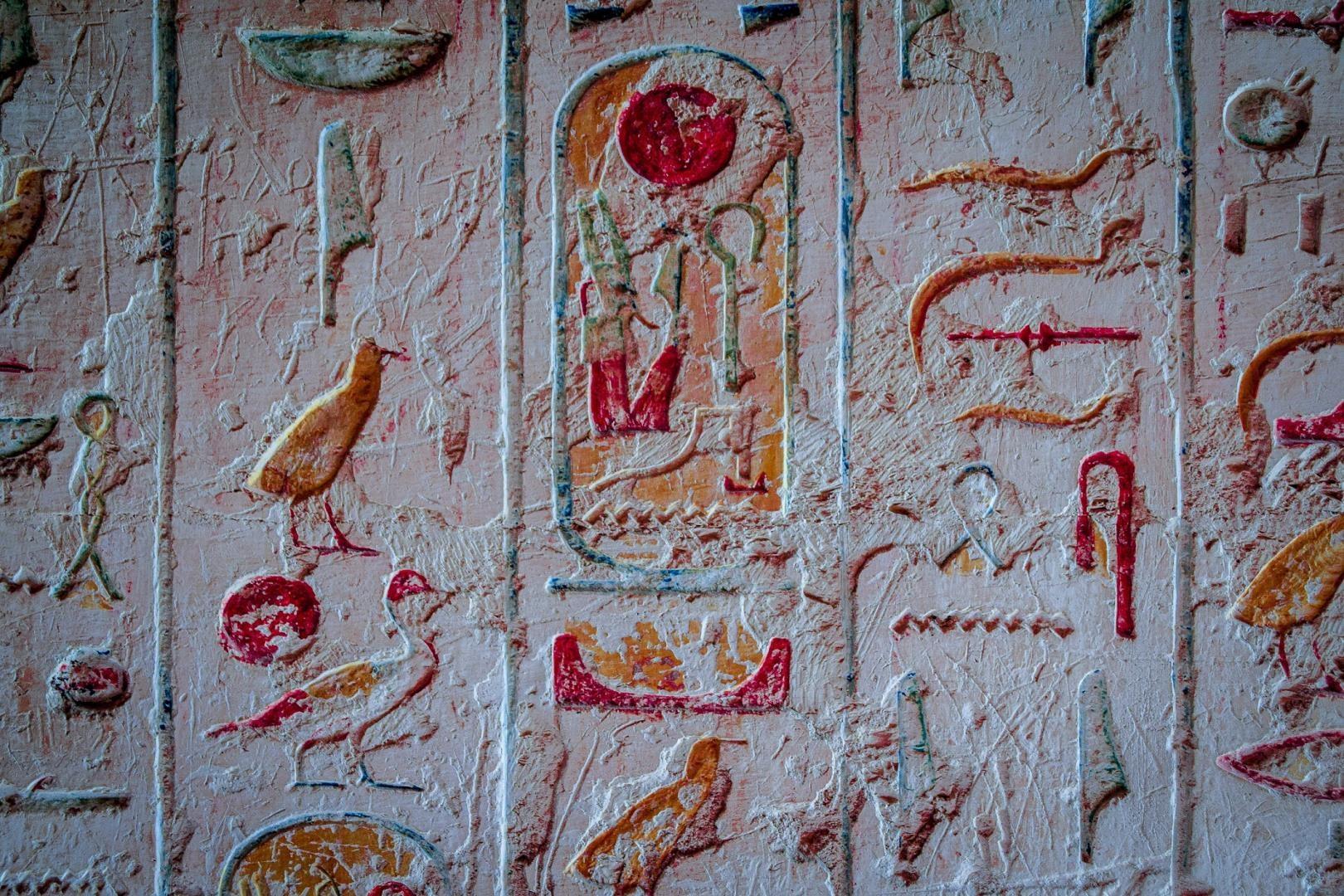
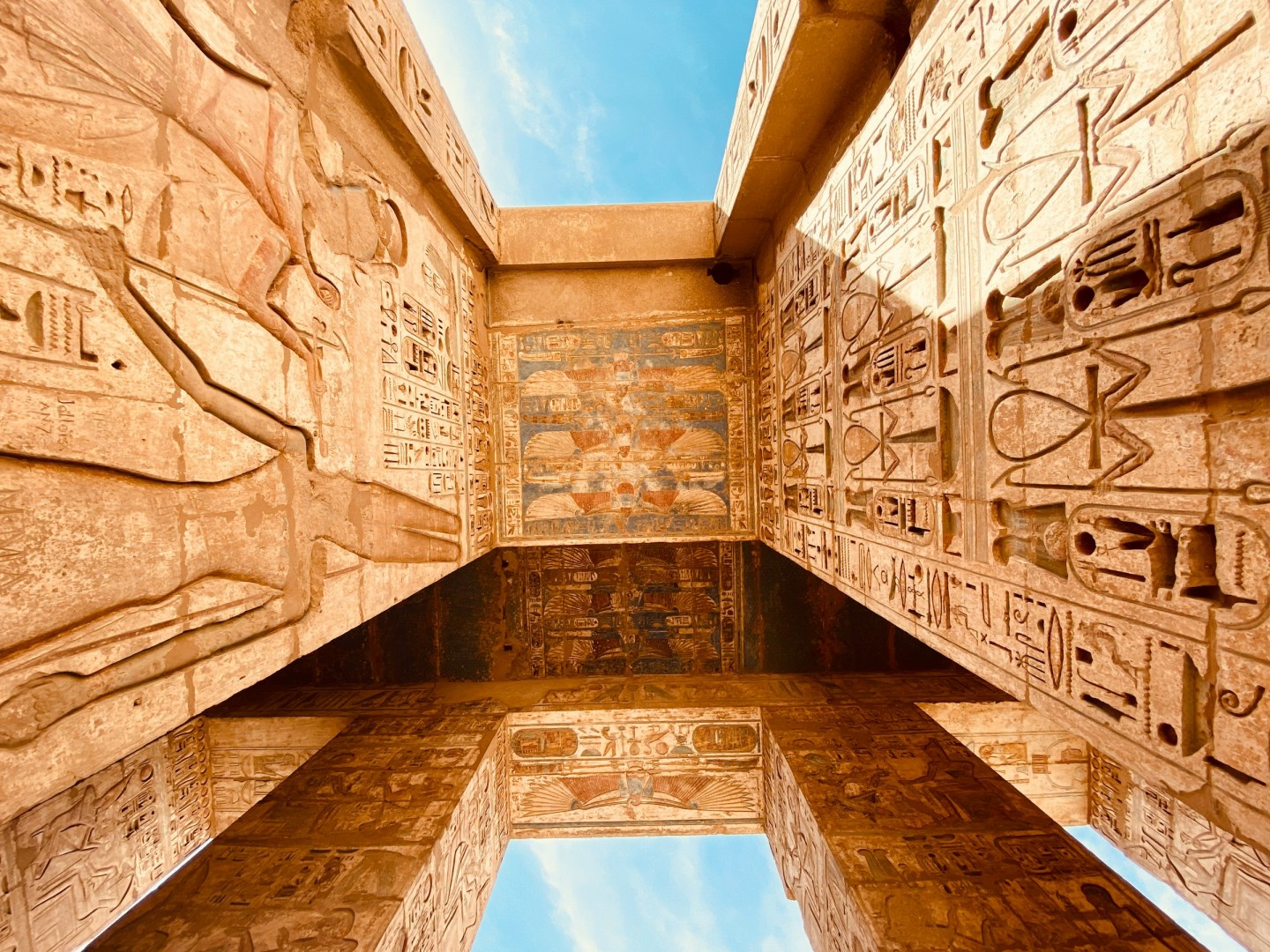
Just a short distance away lies the Valley of the Kings, a necropolis that served as the final resting place for many of Egypt’s pharaohs, including Tutankhamun. The richly decorated tombs, including the famous Tomb of Tutankhamun, provide unparalleled insights into the burial practices and art of ancient Egypt. Visitors can marvel at the intricate wall paintings and hieroglyphs that have been remarkably preserved over millennia.
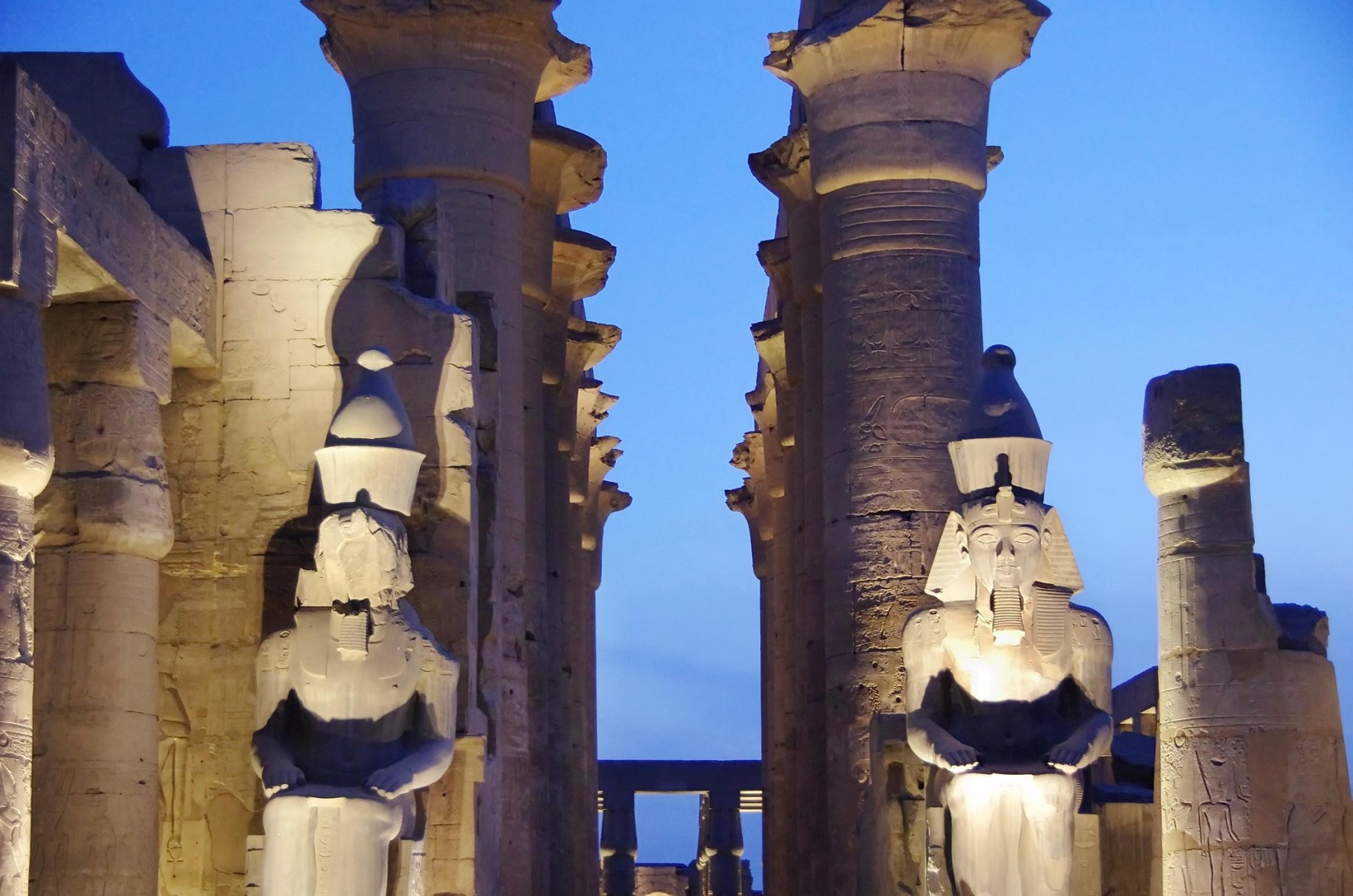
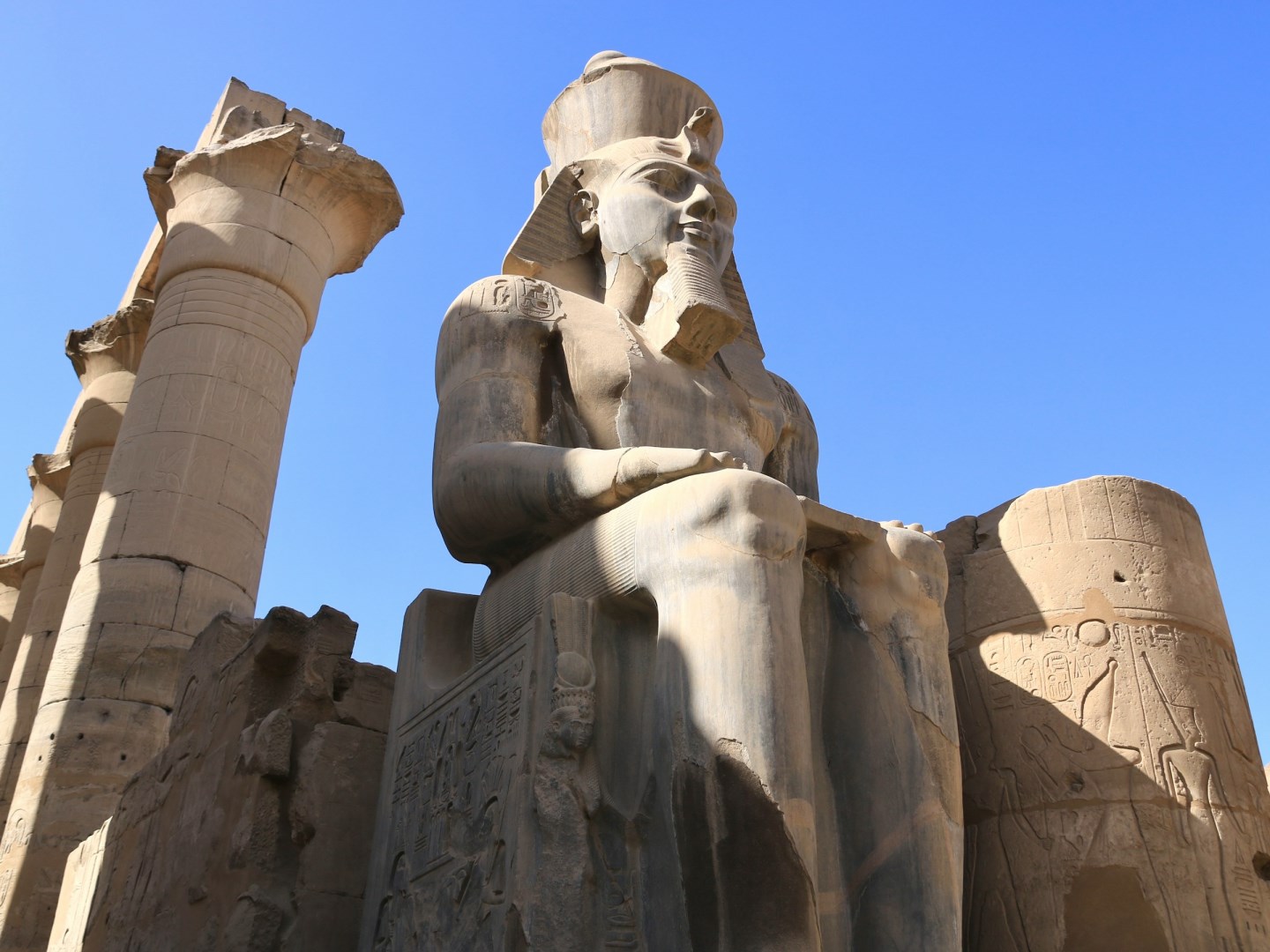
The Temple of Luxor, situated on the city’s main thoroughfare, offers another fascinating glimpse into ancient Egyptian religion and architecture. Originally built by Amenhotep III and later expanded by Ramesses II, this temple stands as a testament to the artistic and architectural achievements of ancient Egypt. The grand avenue of sphinxes that once connected it to Karnak Temple adds to the allure and historical significance of the site.
Fun Fact: Luxor was once known as Thebes and served as the capital of Egypt during the New Kingdom. The city’s rich history and architectural wonders make it a captivating destination for history enthusiasts and travelers alike. For a truly memorable experience, consider visiting Luxor between October and April when the weather is pleasant and ideal for exploring its ancient treasures.
Other Popular Destinations in Egypt
Cairo
Upon the banks of the mighty Nile River, the renowned city of Cairo stands tall as an iconic world capital and a well-preserved relic of antiquity. Immerse yourself in this historically significant city, replete with architectural wonders, mesmerizing artifacts, and sprawling markets humming with energy.
Aswān
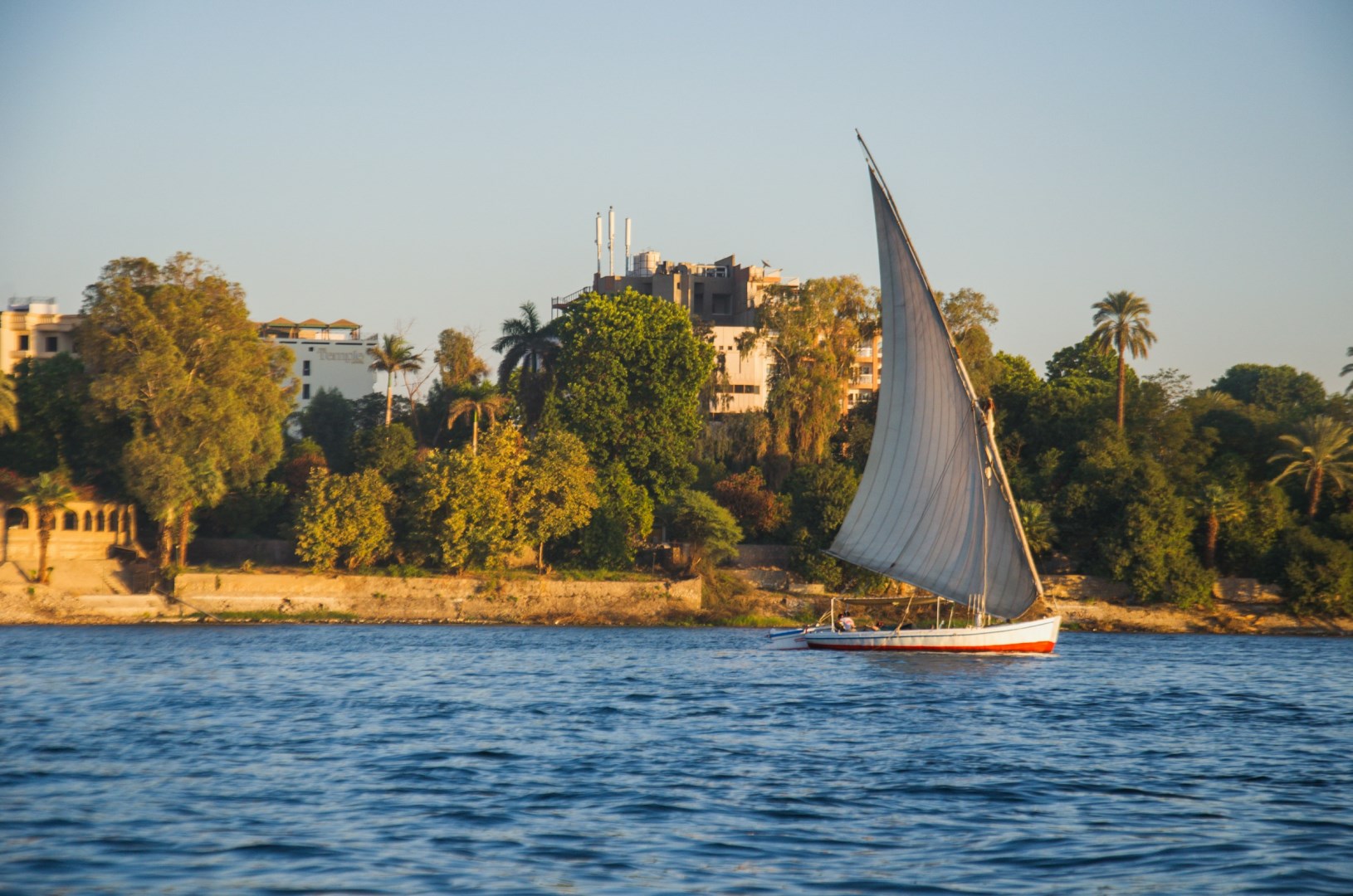
Nestled along the tranquil banks of the Nile River, Aswan, Egypt, is a city where ancient history and natural beauty converge in an enchanting landscape. Often referred to as the gateway to Nubia, Aswan is a haven for those seeking to explore Egypt's rich heritage while basking in a serene, almost mystical atmosphere. The city's ancient roots are palpable as you stroll through its vibrant streets, where the echoes of Pharaonic, Roman, and Islamic eras linger in every corner.