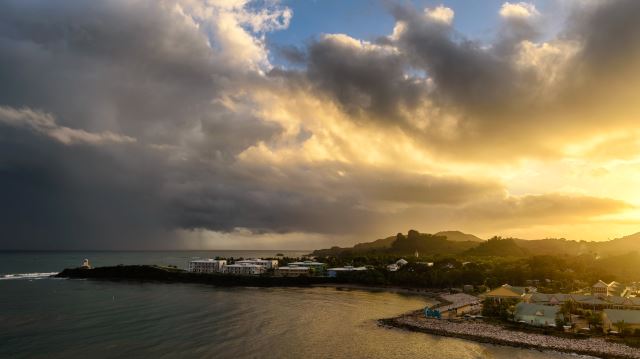
Dominica
Dominica, known as the “Nature Island of the Caribbean,” is a haven for eco-tourists and adventure seekers. Nestled between the French islands of Guadeloupe and Martinique, this lush island boasts a remarkable landscape of volcanic mountains, dense rainforests, and stunning waterfalls. Dominica’s most iconic natural wonder is the Boiling Lake, the second-largest hot spring in the world.
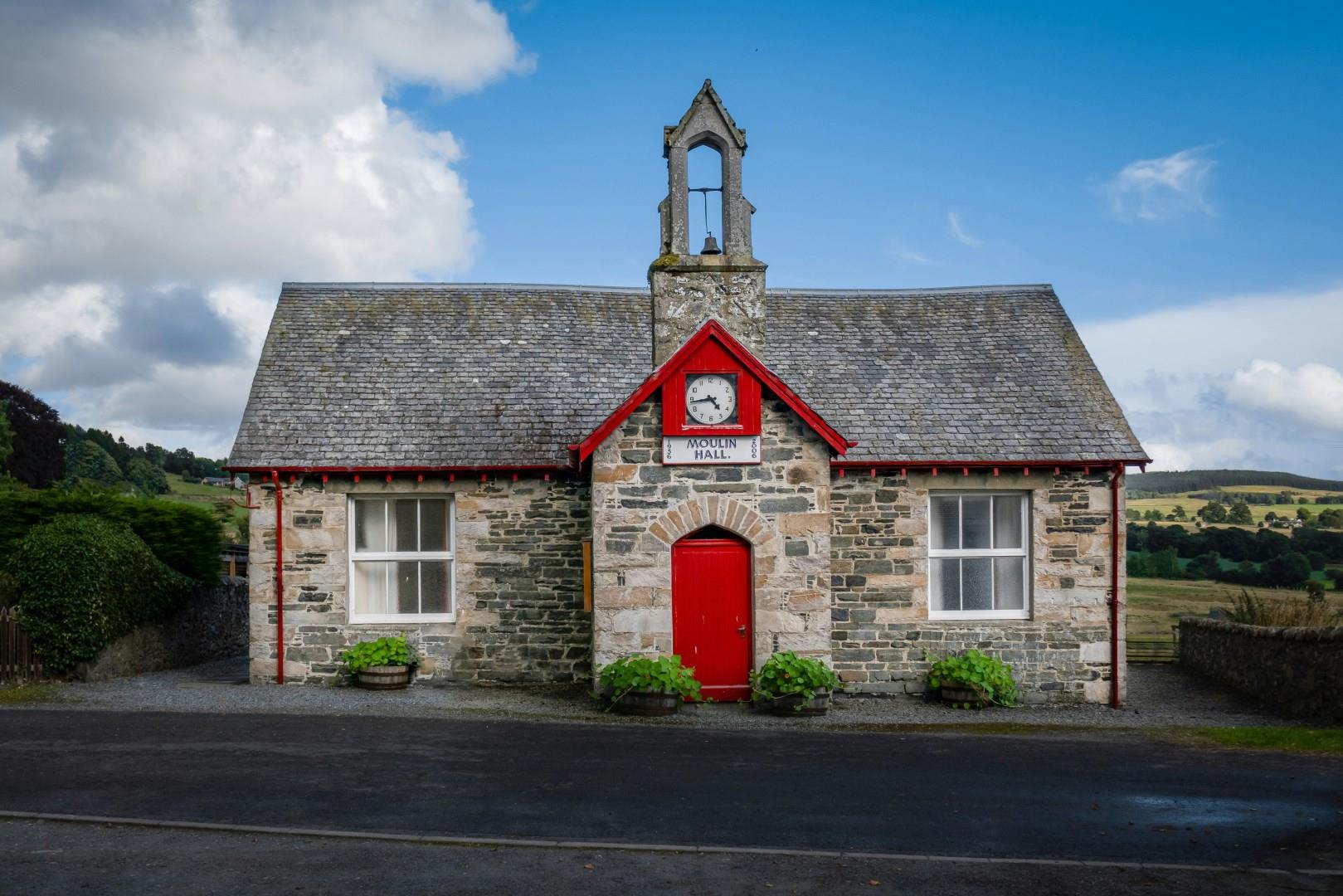
Pitlochry
Pitlochry, a charming town in the heart of the Scottish Highlands, is celebrated for its Victorian architecture, scenic surroundings, and welcoming atmosphere.
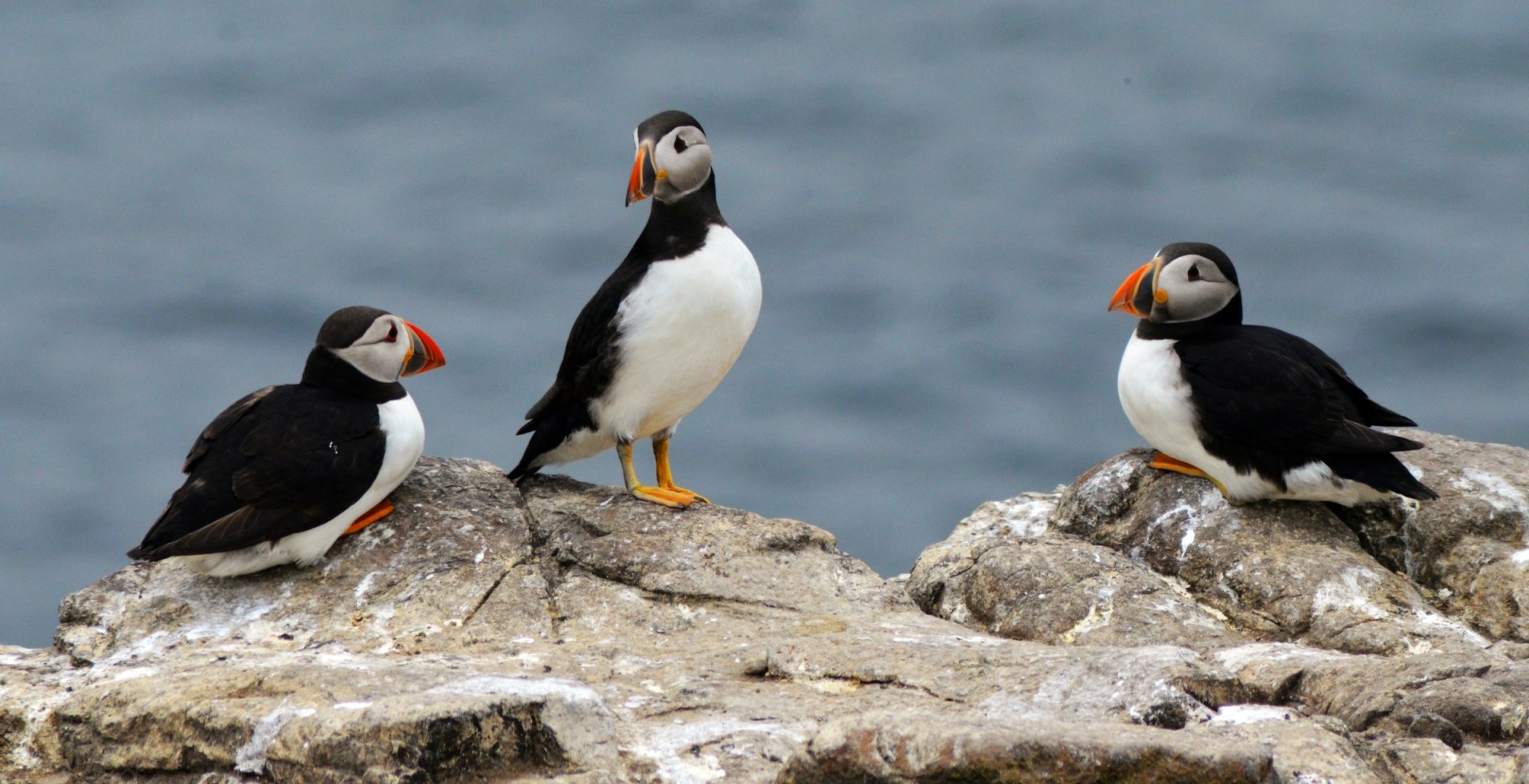
Farne Islands
The Farne Islands are a group of rocky islands off the Northumberland coast in northeast England, separated from the mainland by the waters of the North Sea. The archipelago consists of the Inner and Outer Farne Islands and is known for its exposed cliffs, sea caves, rocky shores, and internationally important wildlife colonies. The islands have no permanent population and are reached by boat from nearby Seahouses.

Ionian Sea
The Ionian Sea, a stretch of the Mediterranean nestled between Italy and Greece, offers a captivating blend of azure waters, picturesque islands, and rich history. The sea is framed by Italy's western coast and Greece's western islands, including Corfu, Kefalonia, and Zakynthos. These islands provide a gateway to some of the most stunning landscapes in the region, from the rugged cliffs of Zakynthos to the lush greenery of Kefalonia.

Grand Turk
Grand Turk, the historic and administrative heart of the Turks and Caicos Islands, offers a blend of heritage and relaxed island charm. The small capital of Cockburn Town is lined with 18th- and 19th-century colonial buildings, pastel-colored cottages, and narrow streets that reflect the island’s ties to the salt trade and British colonial past.