Weno
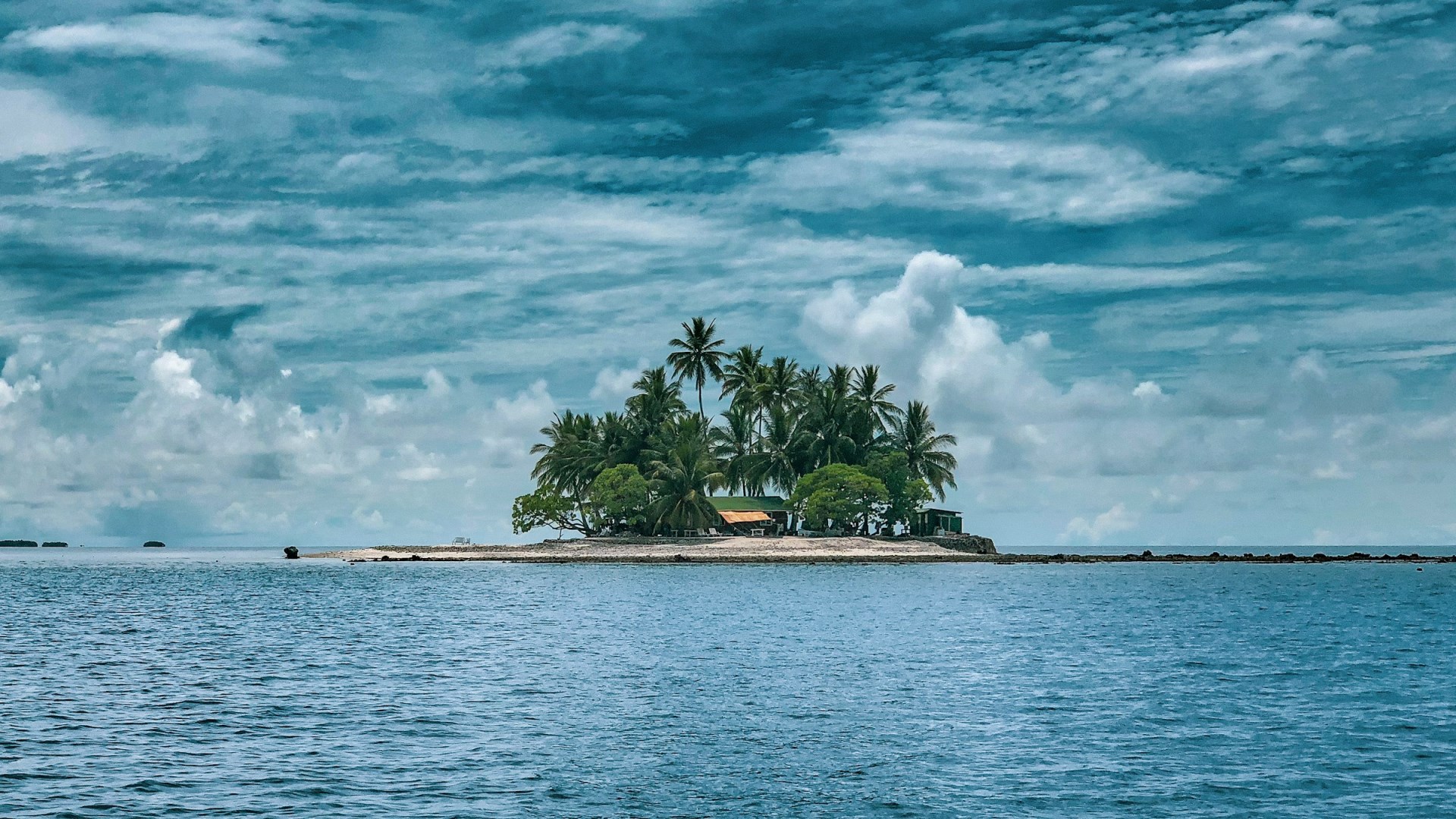
Weno is the largest island and administrative center of Chuuk State in the Federated States of Micronesia. It lies within the sheltered Chuuk Lagoon, a vast body of water enclosed by a surrounding reef and scattered with many smaller islands. Weno contains the state capital and serves as the main center for government, commerce, transportation, and services in the Chuuk Islands.

Taitung
Taitung is a city on Taiwan’s southeastern coast, backed by the Central and Coastal Mountain Ranges and facing the Pacific Ocean. Its setting gives the city a distinctive relationship with both mountains and sea, while a slower pace of development has preserved broad open spaces and coastal landscapes.
Toledo
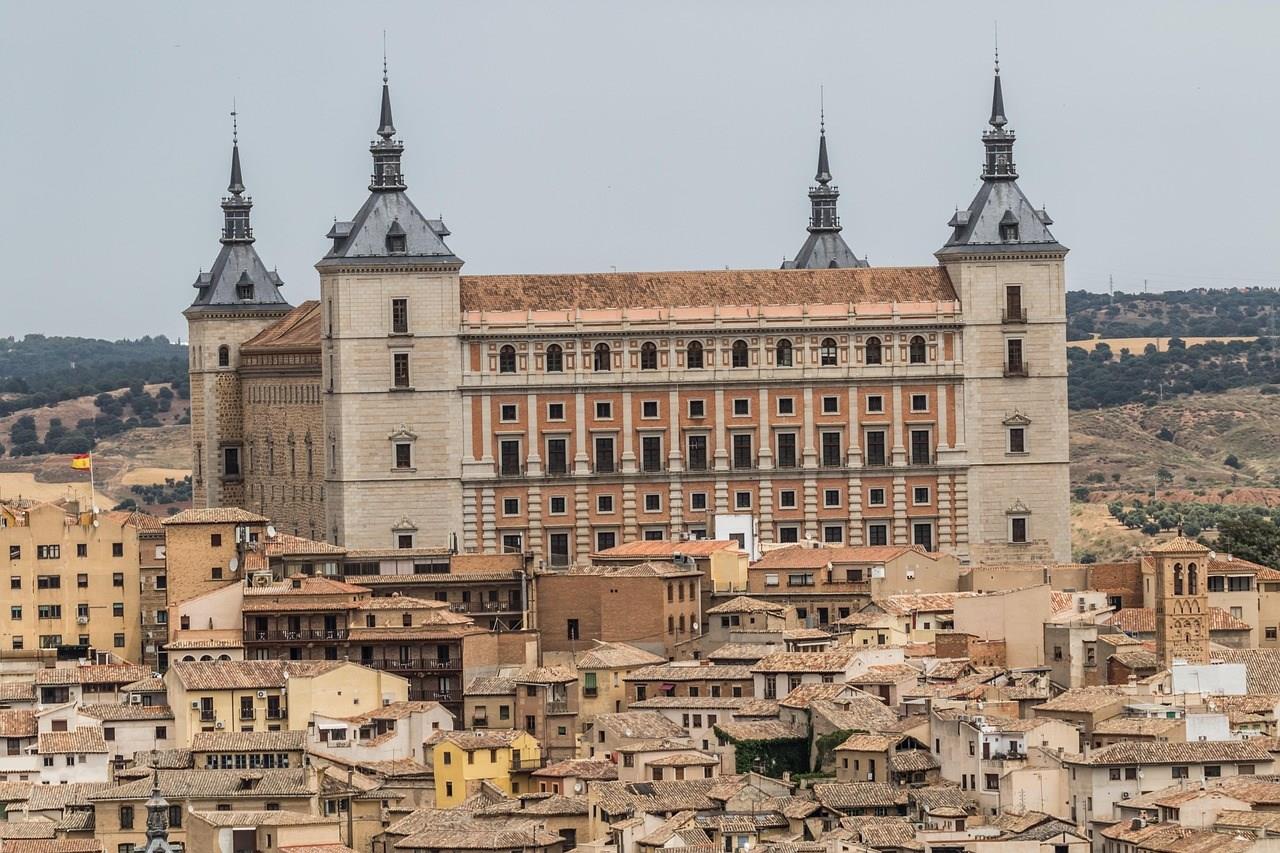
Toledo, high above the Tagus River in central Spain, is a city where layers of history are visible around every corner. For centuries it was an important Roman settlement, a Visigothic capital, and later a stronghold during the medieval Christian reconquest, before becoming the seat of royal power and a crossroads of cultures. Because of this long span of stories and architectural richness, the whole old town has been recognized as a UNESCO World Heritage Site.
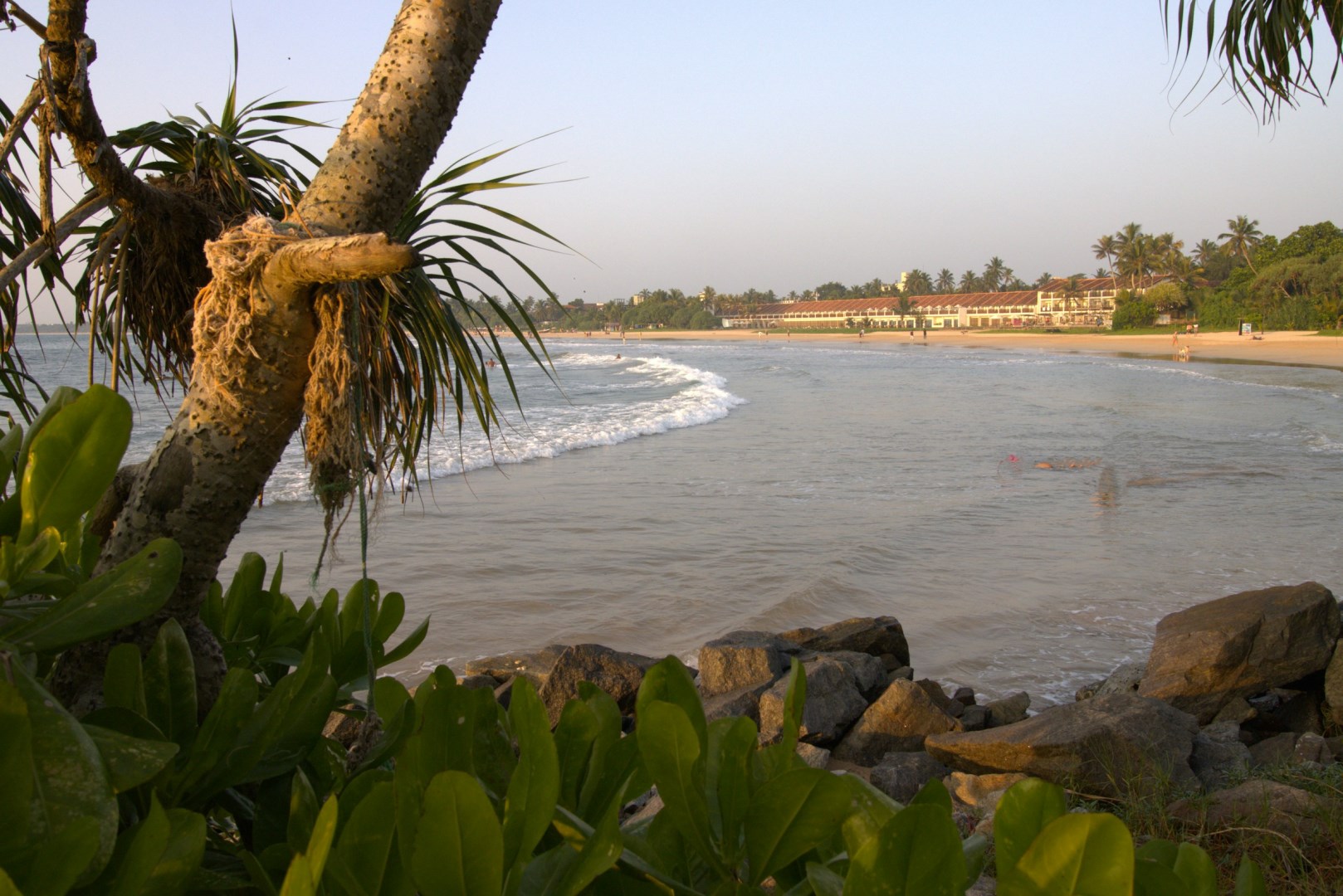
Bentota
Bentota is a coastal town in Sri Lanka’s Southern Province, positioned where the Bentara River meets the Indian Ocean. Its landscape is shaped by a broad sandy beach, the river’s waterways, and tropical vegetation, creating a setting where inland and coastal environments meet. Bentota is particularly associated with water-based recreation, including swimming, river excursions, fishing, windsurfing, waterskiing, snorkeling, and diving. The town is also known for Ayurveda, with wellness treatments

Huế
Its legacy as the former imperial capital of Vietnam is just one of many reasons to visit Hue. For more than a century, the emperors of the Nguyen dynasty (1802-1945) ruled from the Forbidden Purple City, the innermost enclosure of the citadel. Today, this complex is designated as a UNESCO World Heritage site and draws millions of visitors each year.