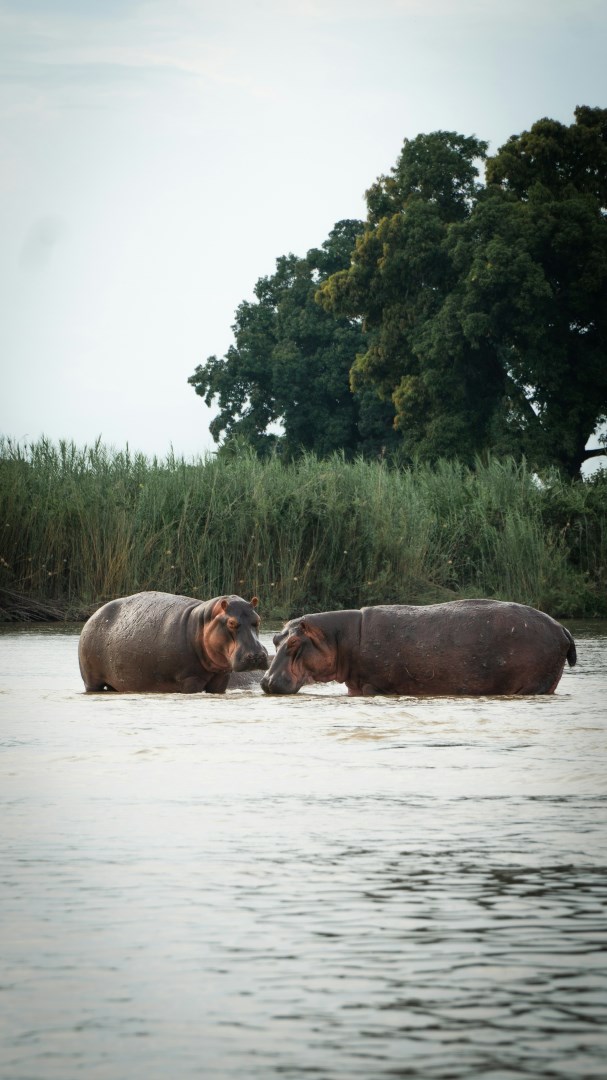
Located in the south of Tanzania, the Selous Game Reserve is one of the largest. Thanks to the undisturbed wilderness and diverse wildlife, it was named a UNESCO World Heritage site in 1982.
Apulia, or Puglia, is a sun-kissed region in southeastern Italy, renowned for its diverse landscapes and rich cultural heritage. The city of Bari, Apulia’s capital, offers a captivating blend of historic charm and vibrant modern life. Explore the narrow streets of the Old Town, home to the stunning Basilica di San Nicola, which houses the relics of Saint Nicholas.
Olomouc, a captivating city in the Czech Republic, offers a blend of historical charm and vibrant culture. The city’s centerpiece is the Holy Trinity Column, a UNESCO World Heritage Site and a stunning example of Baroque architecture. Erected in the 18th century to commemorate the end of the plague, this intricate monument features elaborate sculptures and exquisite details that make it a must-see source.
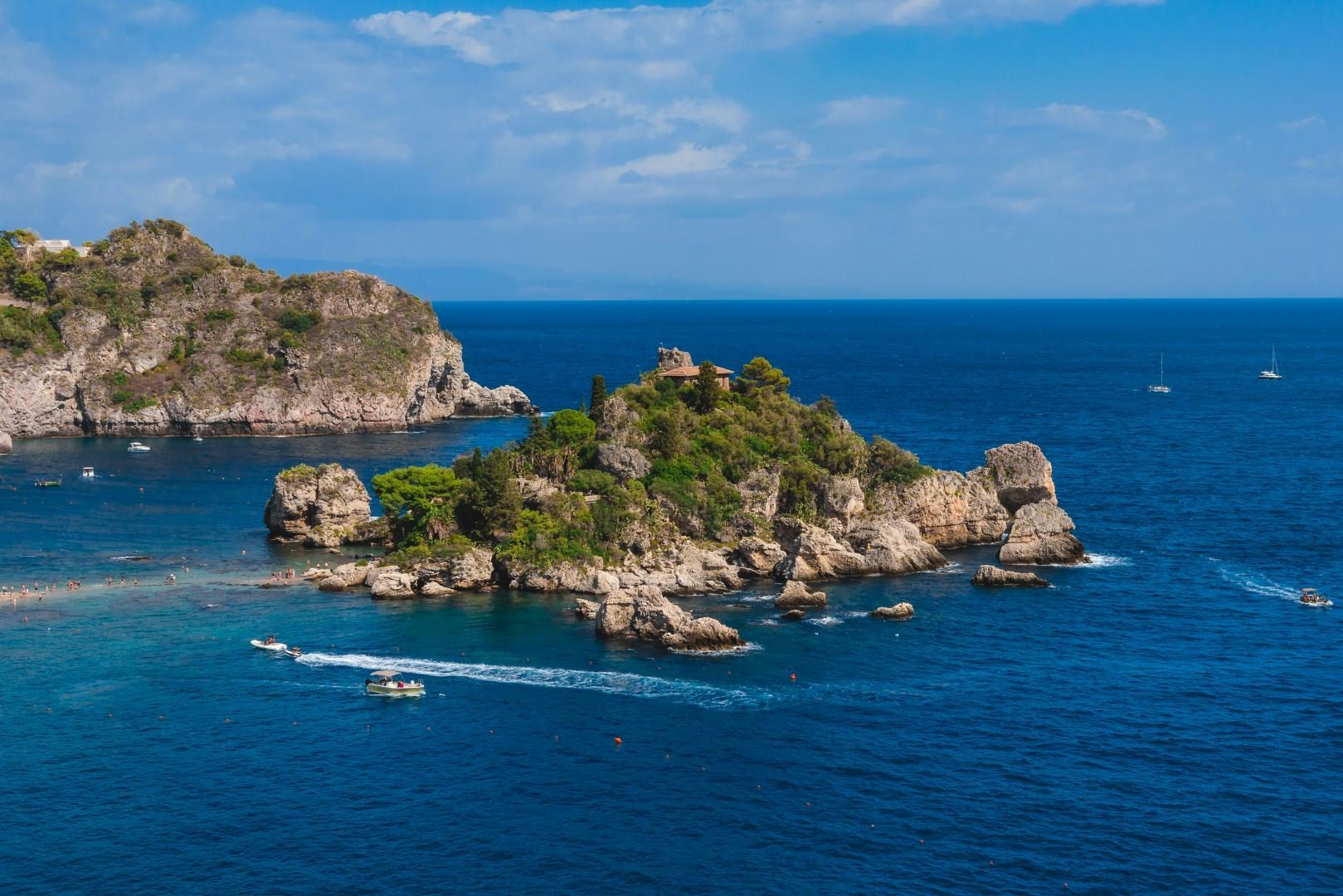
Isola Bella sits on Lake Maggiore as part of the Borromean Islands, closely tied to the ambitions of the Borromeo family who reshaped the rocky outcrop in the 17th century.
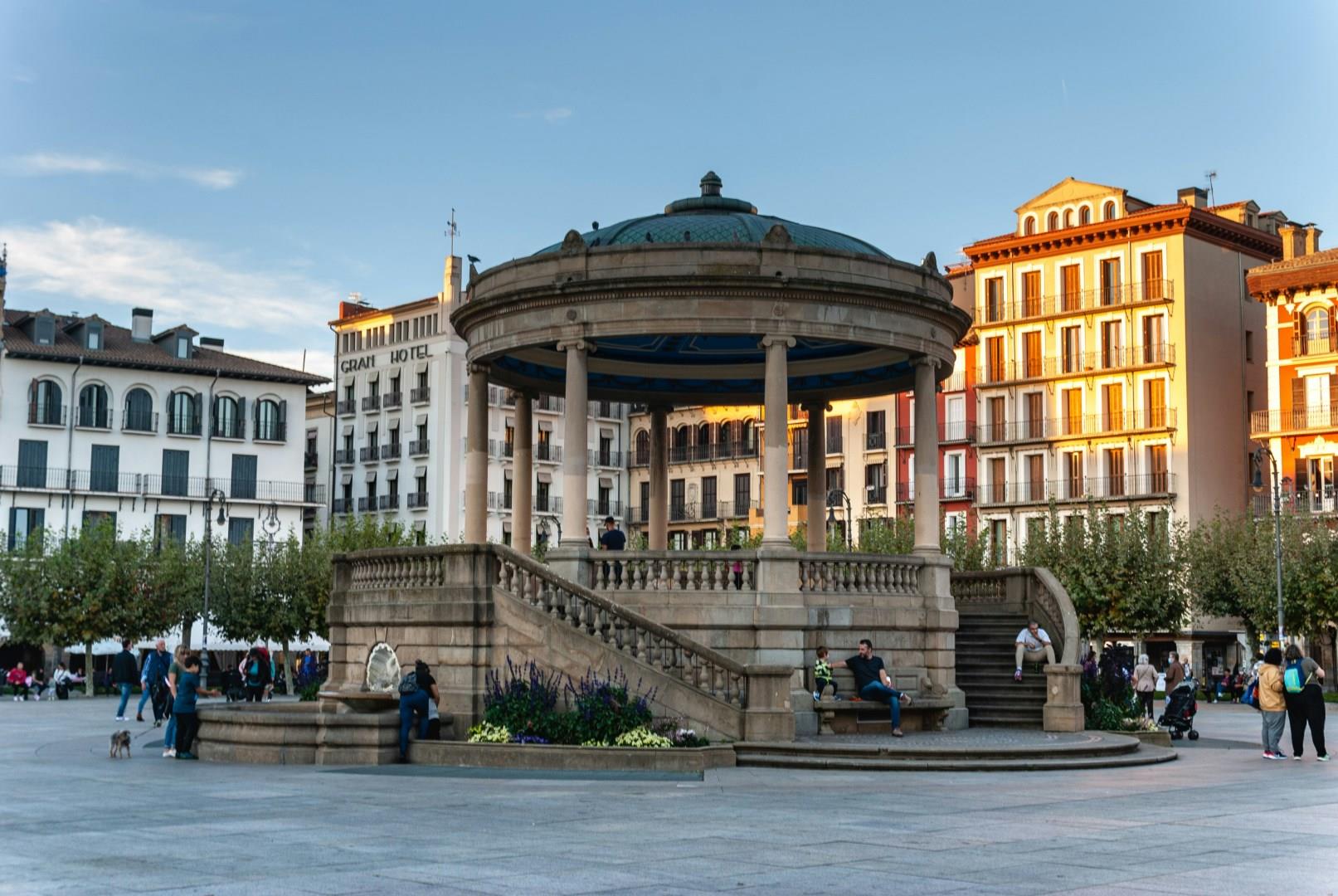
Pamplona, the capital of Spain’s Navarre region, is best known worldwide for the Running of the Bulls during the San Fermín festival each July. But beyond the brief rush of that event lies a city steeped in medieval history, Basque influence, and a slower pace that surprises many visitors. One of the most significant aspects of Pamplona is its place on the Camino de Santiago, the ancient pilgrimage route to Santiago de Compostela.
Photo Credit: Photo by Conny Schneider on Unsplash
Photo Credit: Photo by Hendrik Cornelissen on Unsplash
Photo Credit: Photo by Fausto García-Menéndez on Unsplash
Photo Credit: Photo by Andreas M on Unsplash
Photo Credit: Photo by Kevin Charit on Unsplash
Photo Credit: Photo by Mark Pisek on Unsplash
Photo Credit: Photo by Mihály Köles on Unsplash
Photo Credit: Photo by Miltiadis Fragkidis on Unsplash
Photo Credit: Photo by Elijah G on Unsplash
Photo Credit: Photo by Andreas M on Unsplash
Photo Credit: Photo by Bertrand Borie on Unsplash
Photo Credit: Photo by Antoino Lopez on Unsplash
Photo Credit: Photo by Bastian Pudill on Unsplash
Photo Credit: Photo by Antoino Lopez on Unsplash
Photo Credit: Photo by Max Nayman on Unsplash
Photo Credit: Photo by Michele Bergami on Unsplash
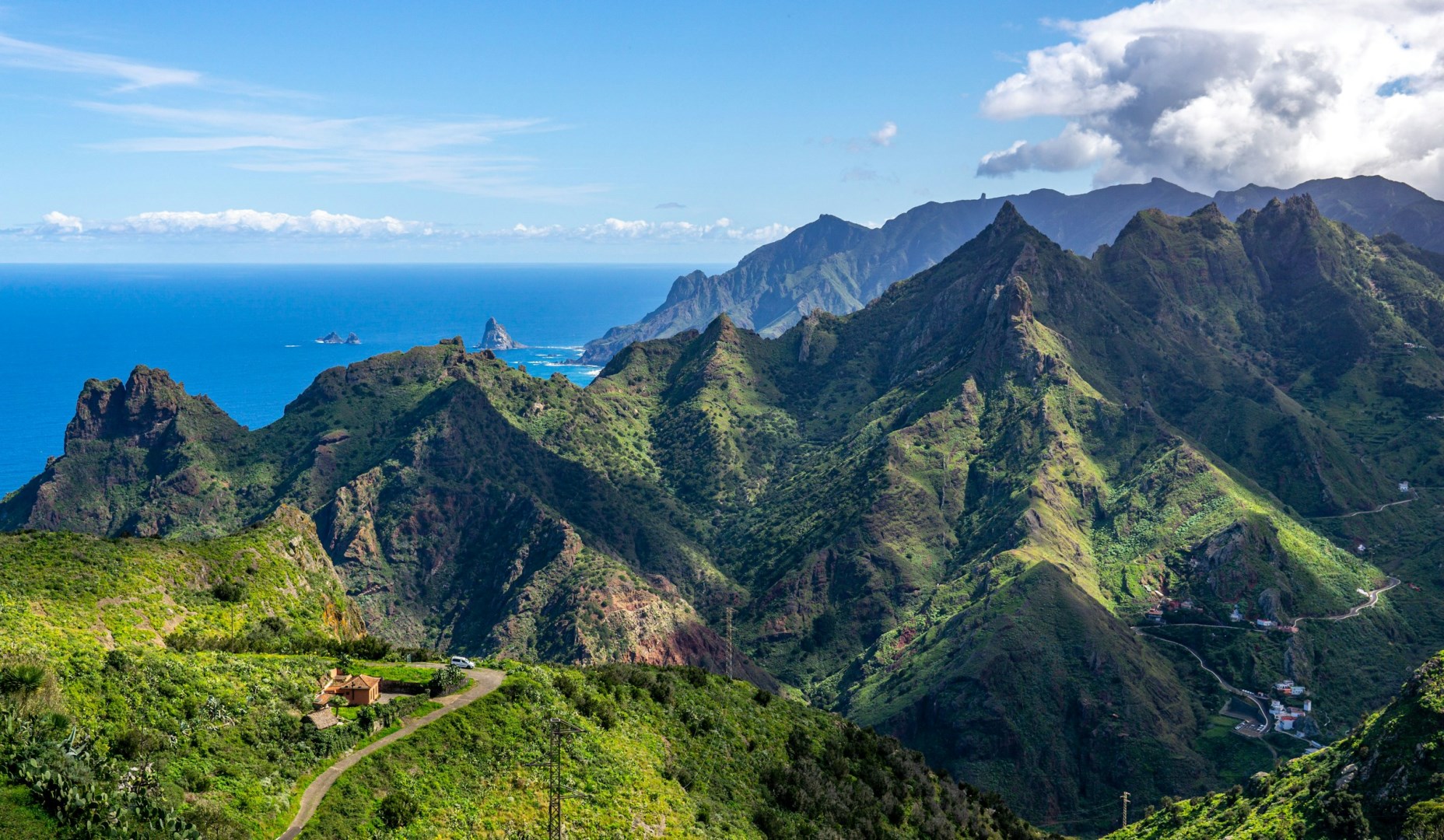
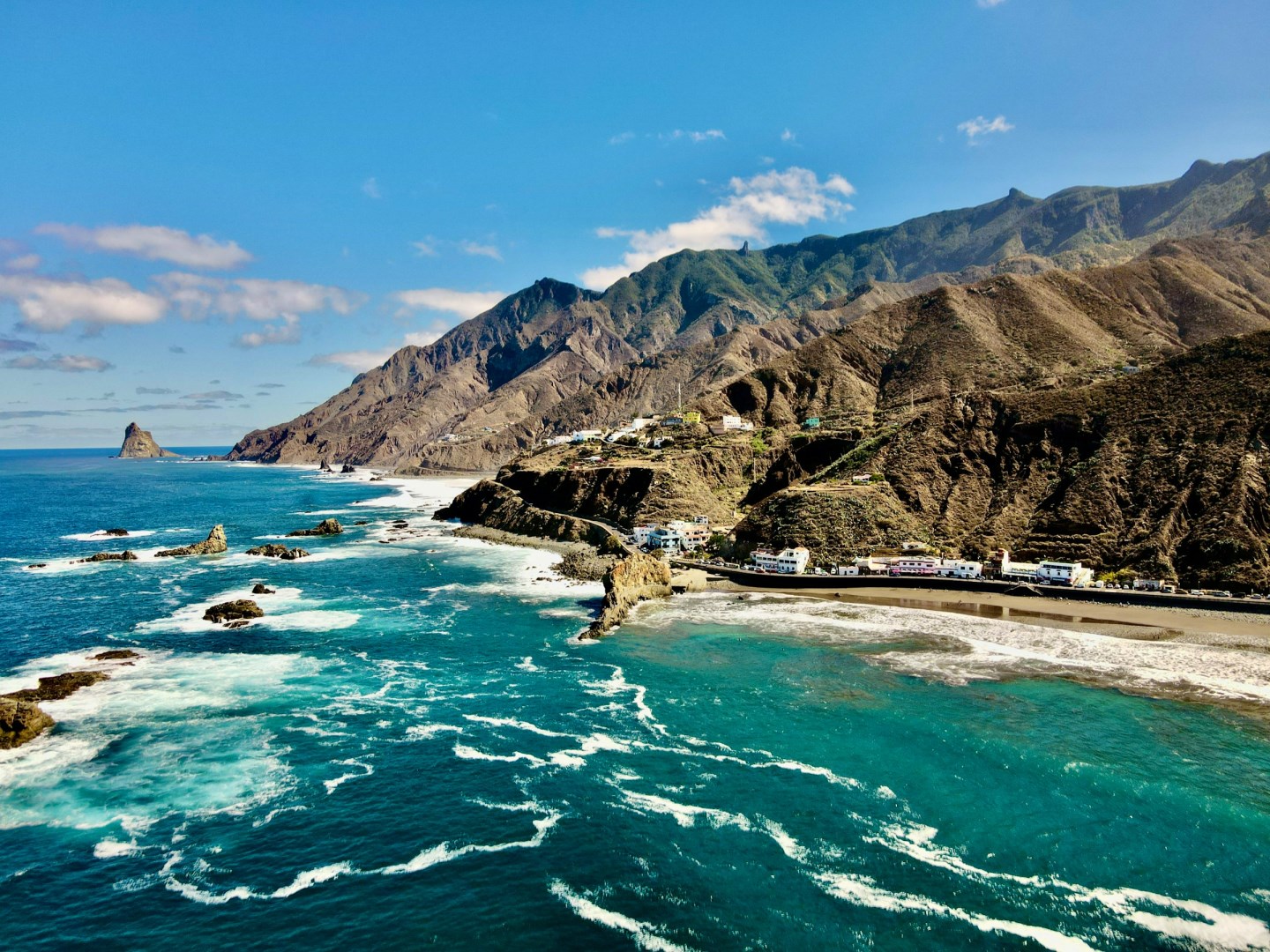
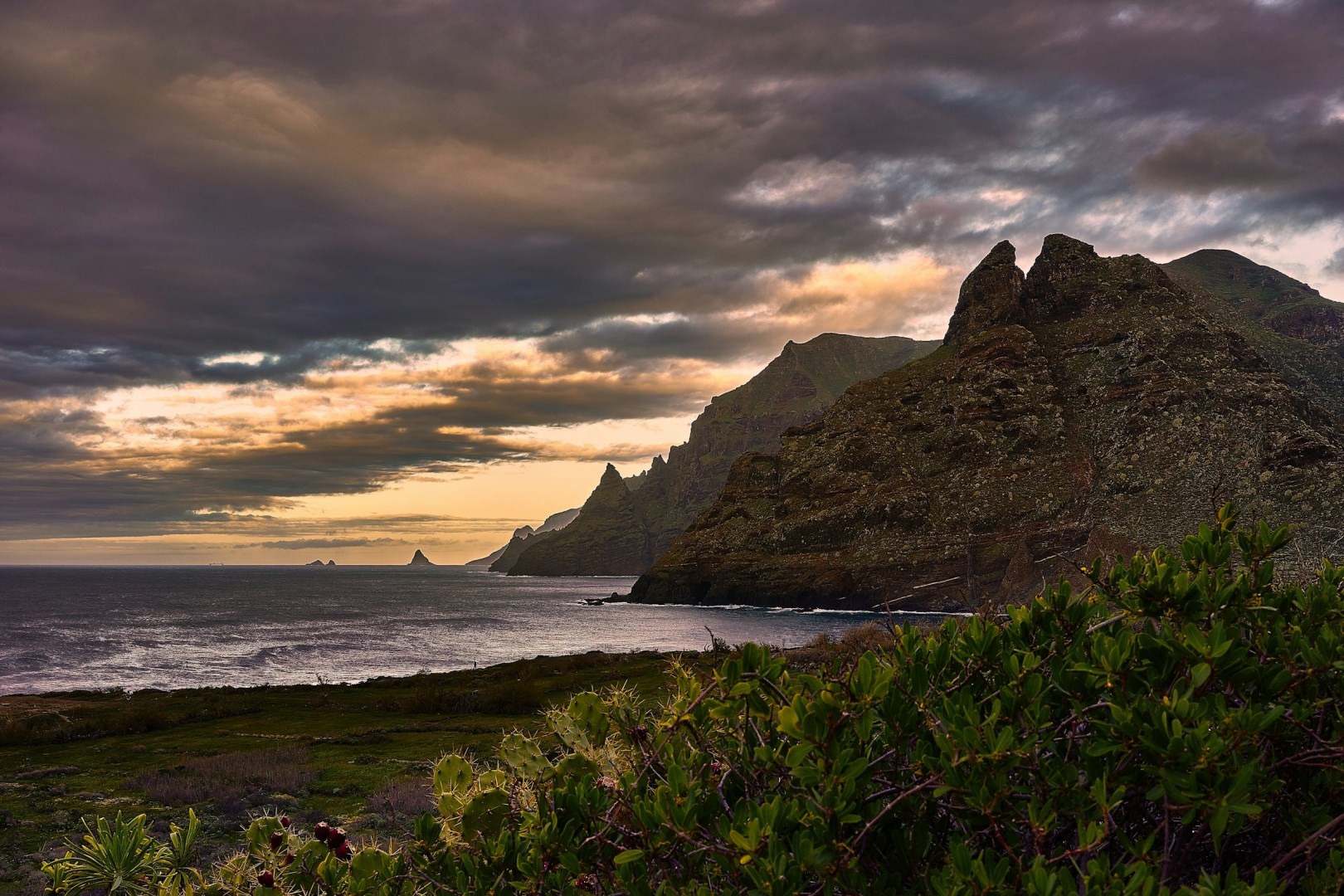
Taganana
Photo Credit: Photo by Carla M.J. Gomes on Unsplash
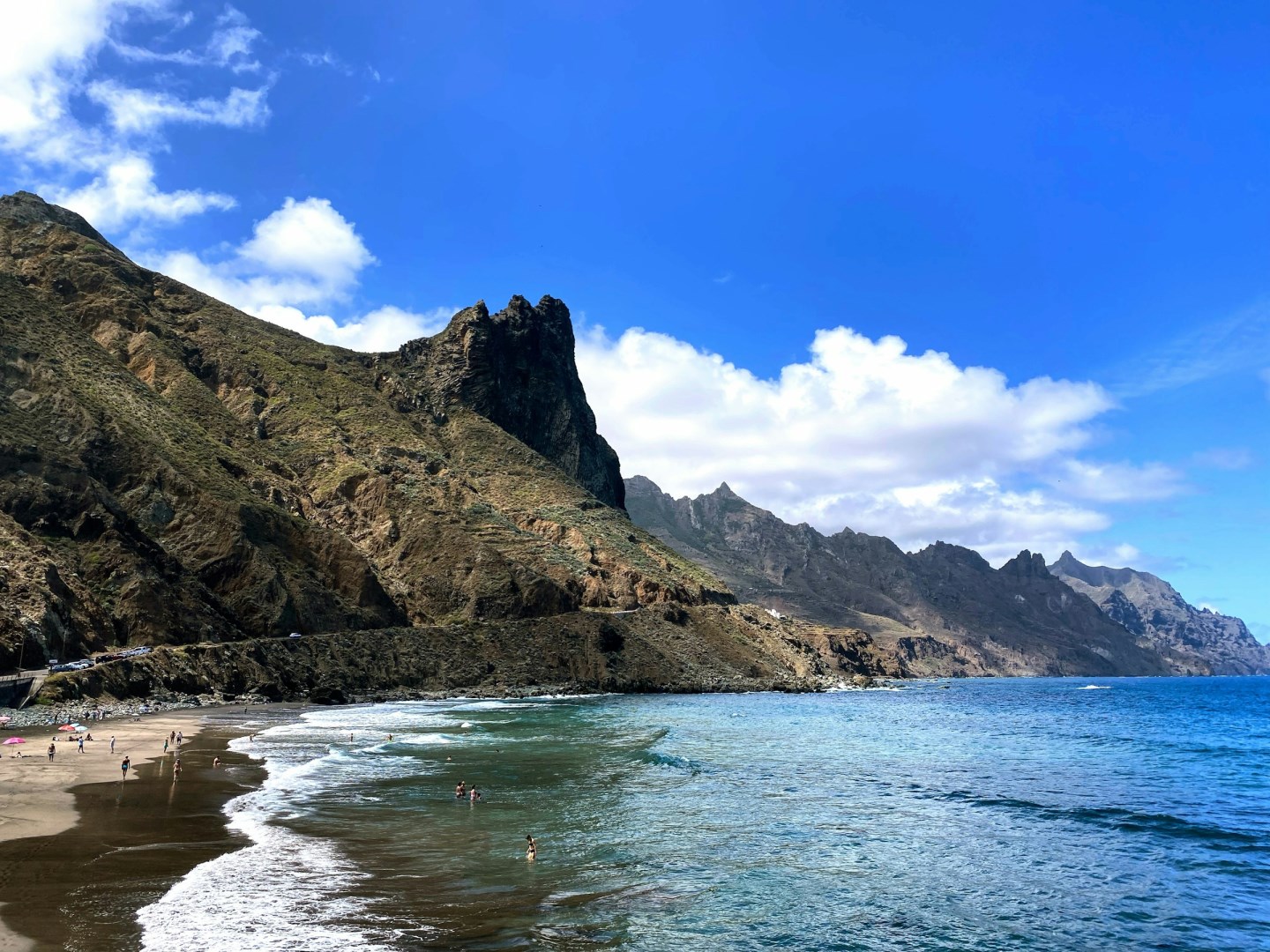
Photo Credit: Photo by Maksim Shutov on Unsplash
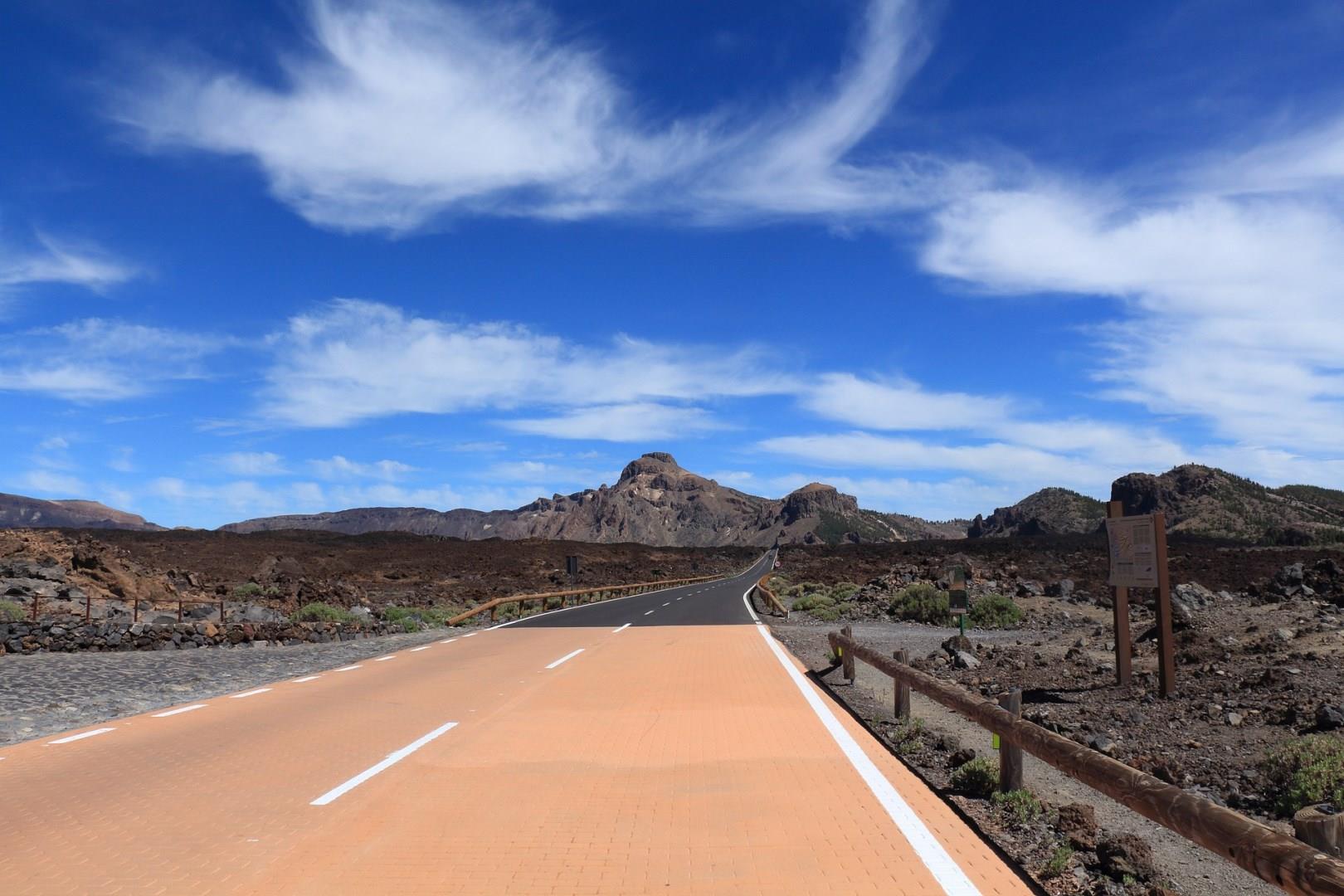
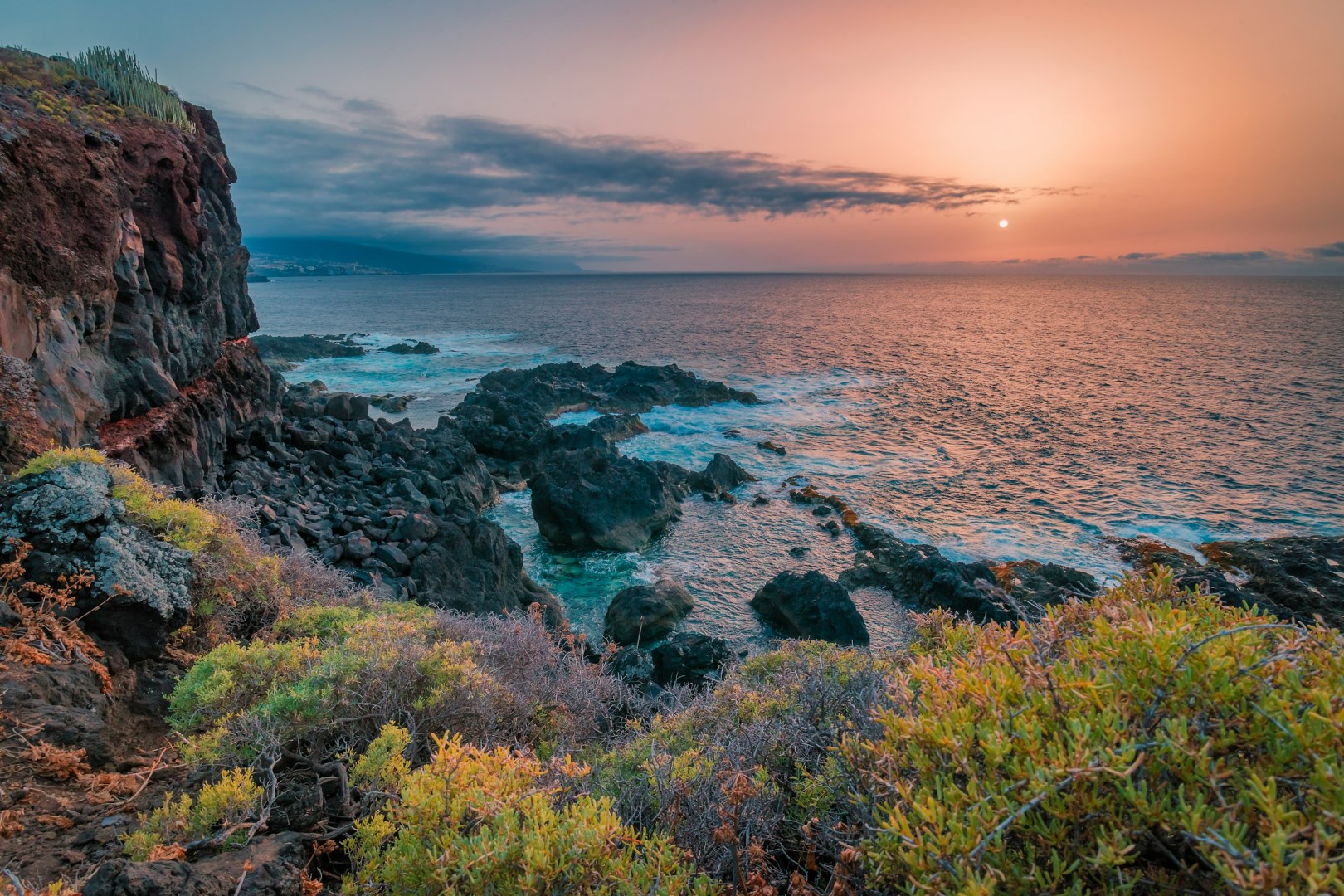
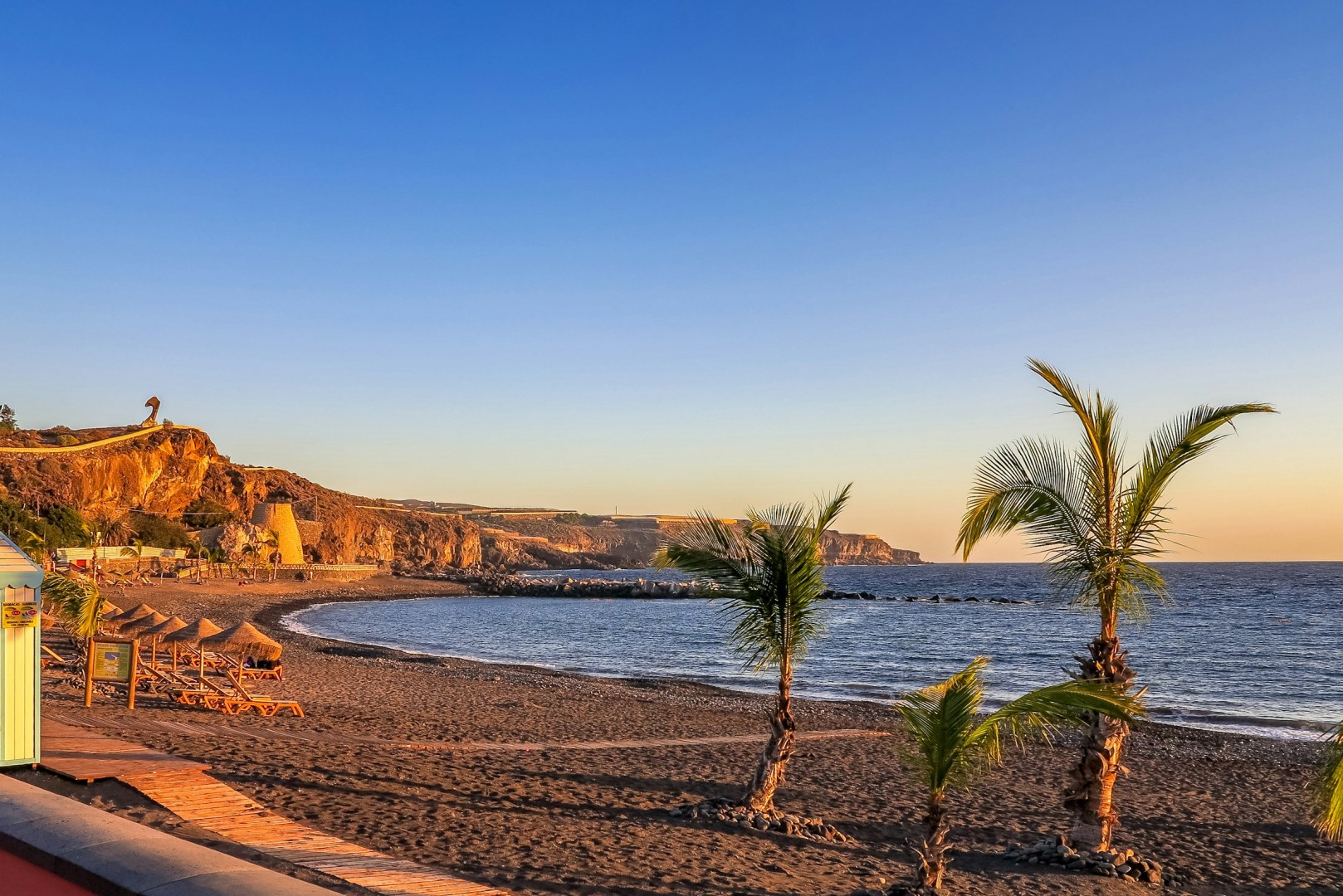
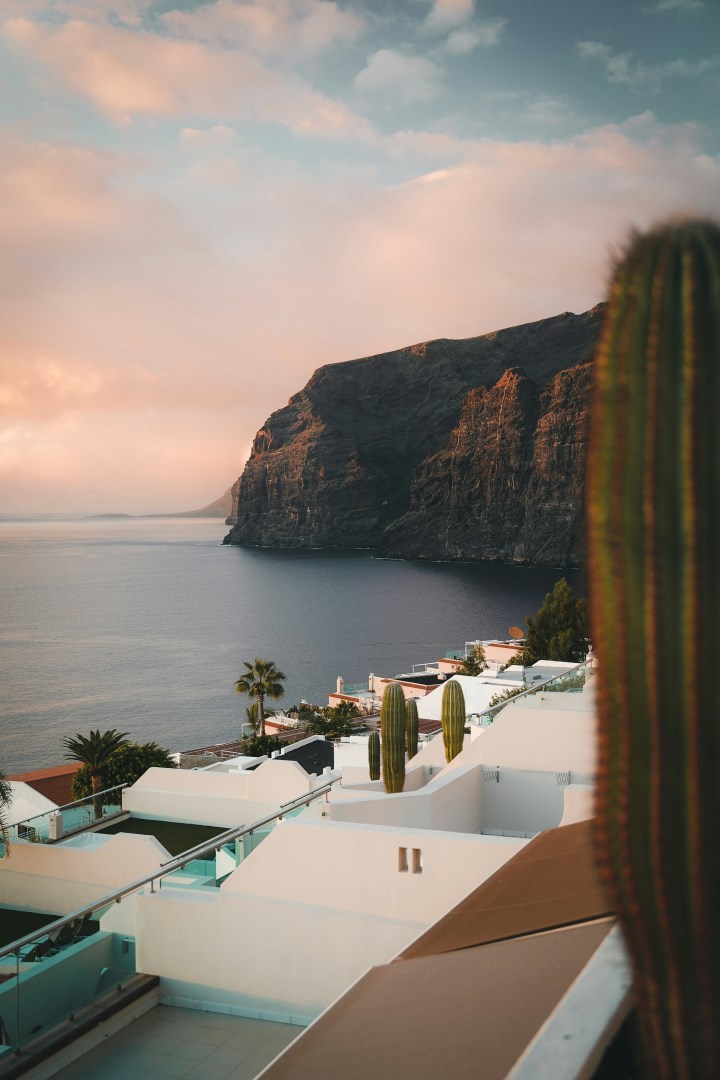
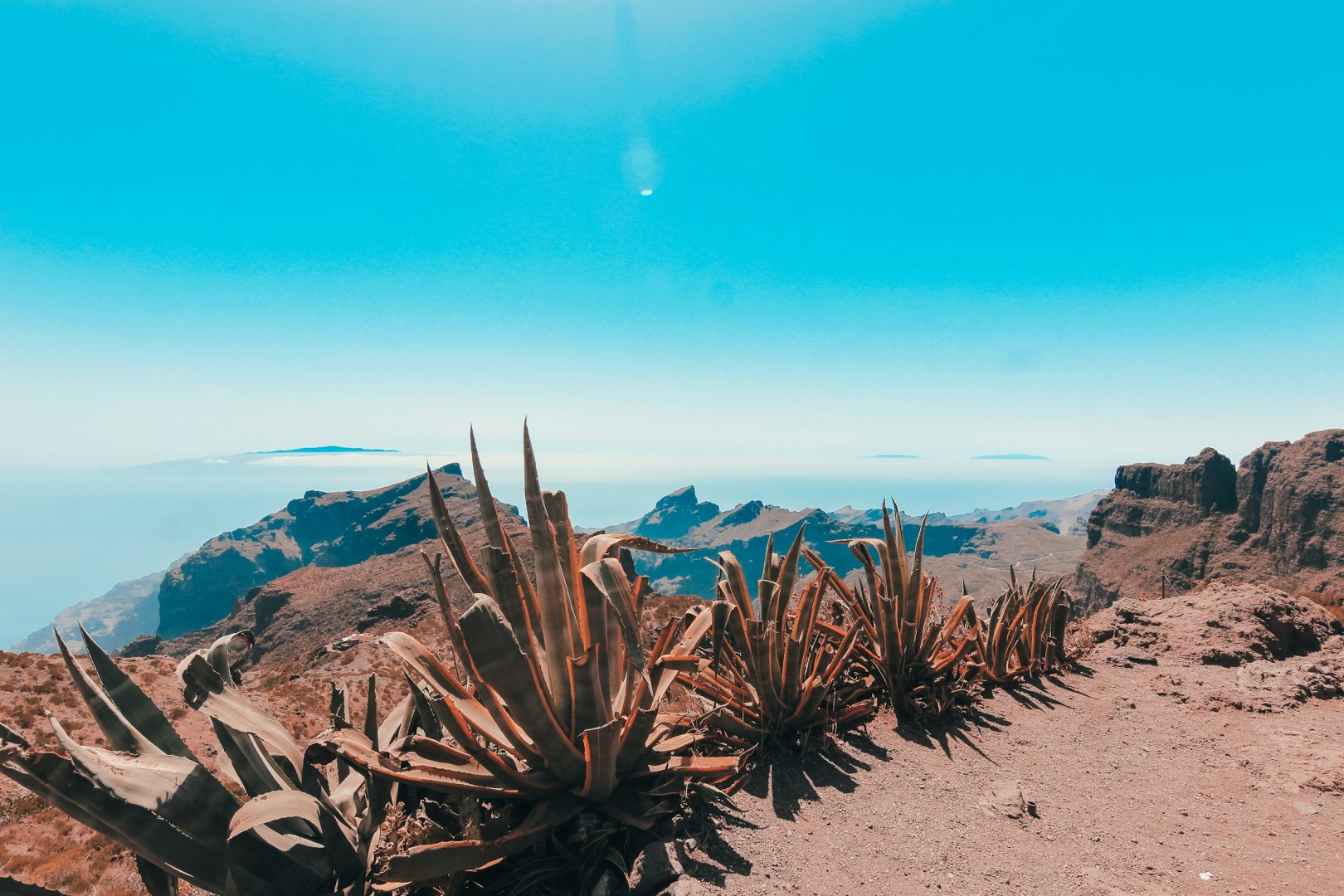
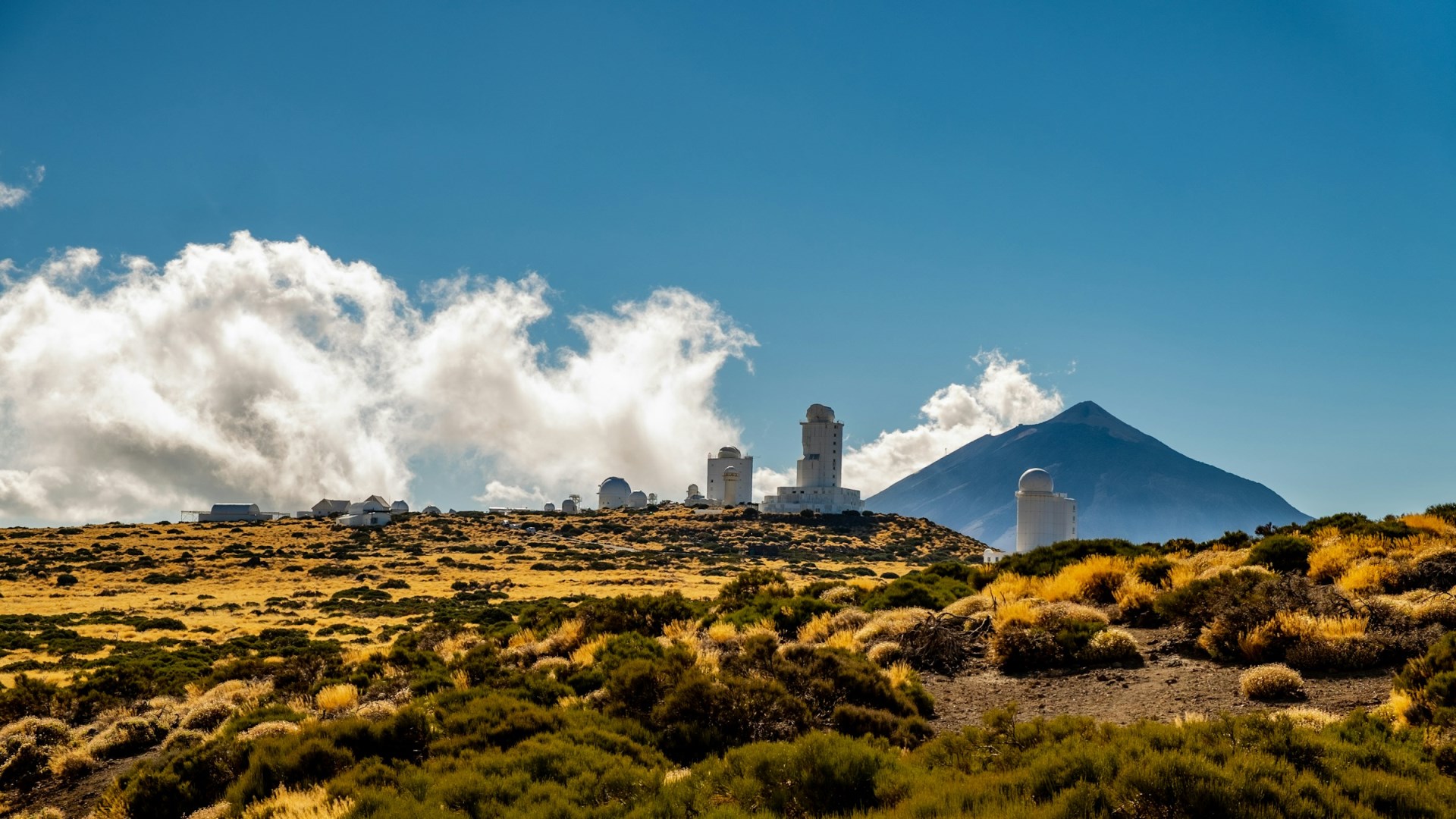
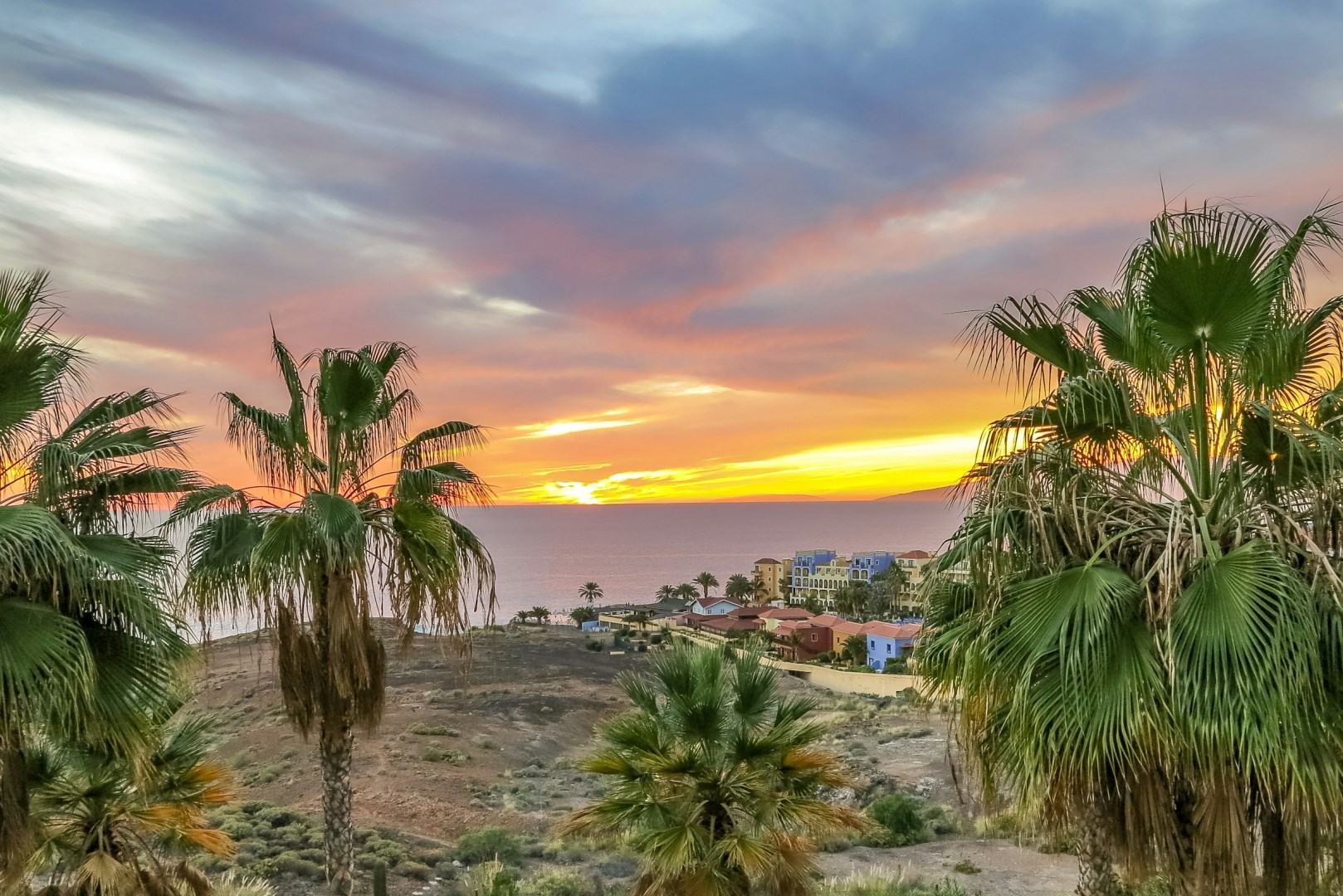
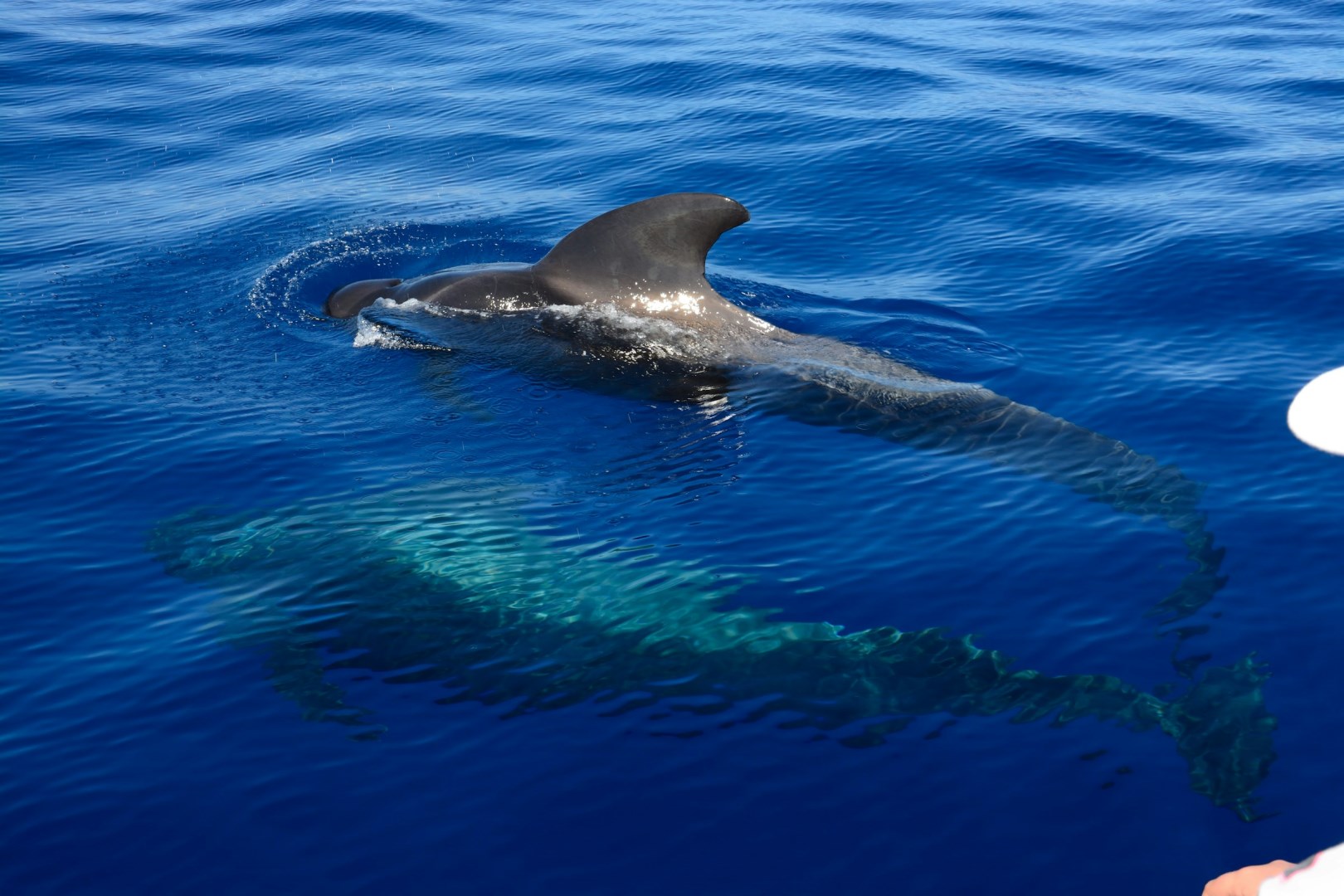
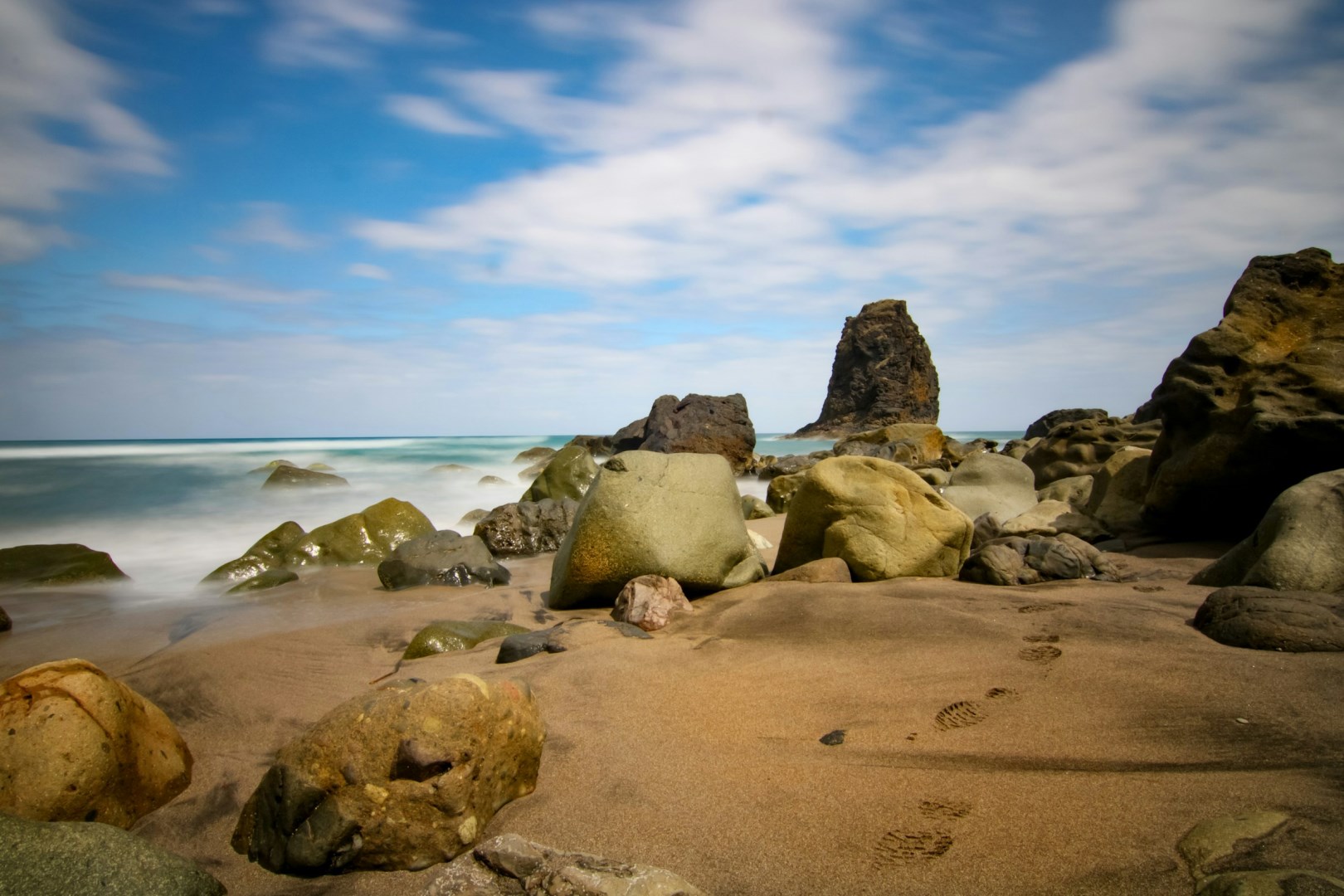
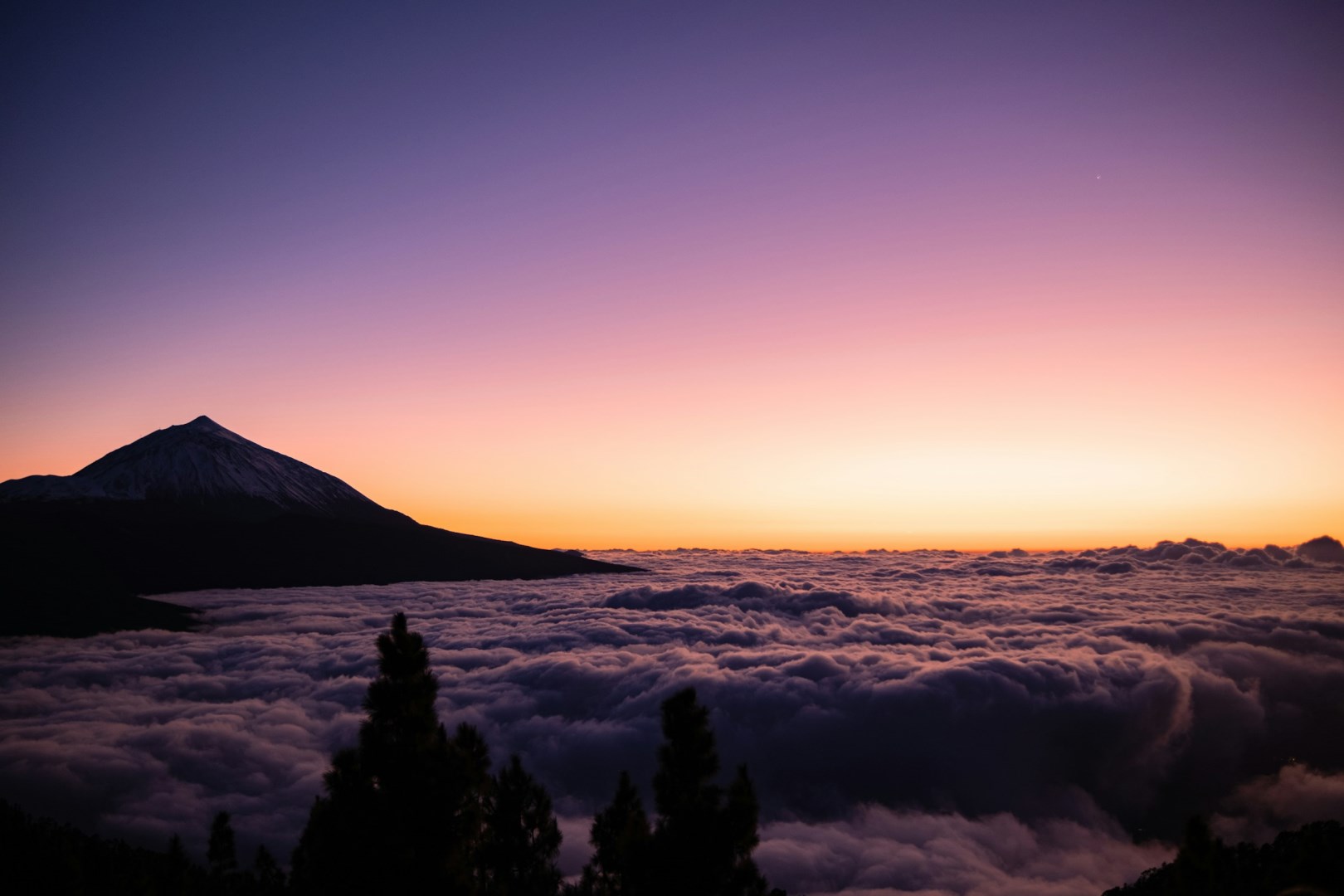
Tenerife is the largest isle of the Canary Islands archipelago. Famous for its black and yellow sand beaches as well as Mt. Teide, the dormant volcano that looms over the island.
Other Popular Destinations in Canary Islands
Santa Cruz de La Palma
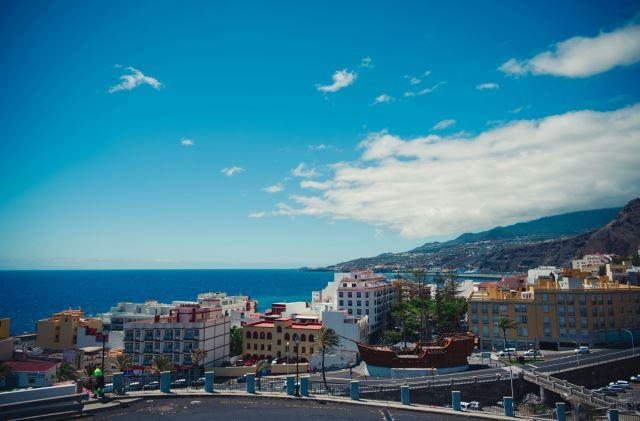
Santa Cruz de La Palma is the capital of the island of La Palma, one of the seven Canary Islands. Although often forgotten in favor of the similarly named Santa Cruz de Tenerife, it is a compact and colorful colonial town well worth a visit. Swimming, paragliding, and hiking and some of the most popular daytime activities, while stargazing is a favorite pastime after the sun goes down.
Las Palmas
Las Palmas (officially Las Palmas de Gran Canaria) is the capital of Gran Canaria island as well as co-capital (along with Santa Cruz de Tenerife) of the Canary Islands. It is a major cruise-ship port known for duty-free shopping and sandy beaches, including Playa de Las Canteras, considered by many to be one of the best urban beaches worldwide.