Madidi National Park
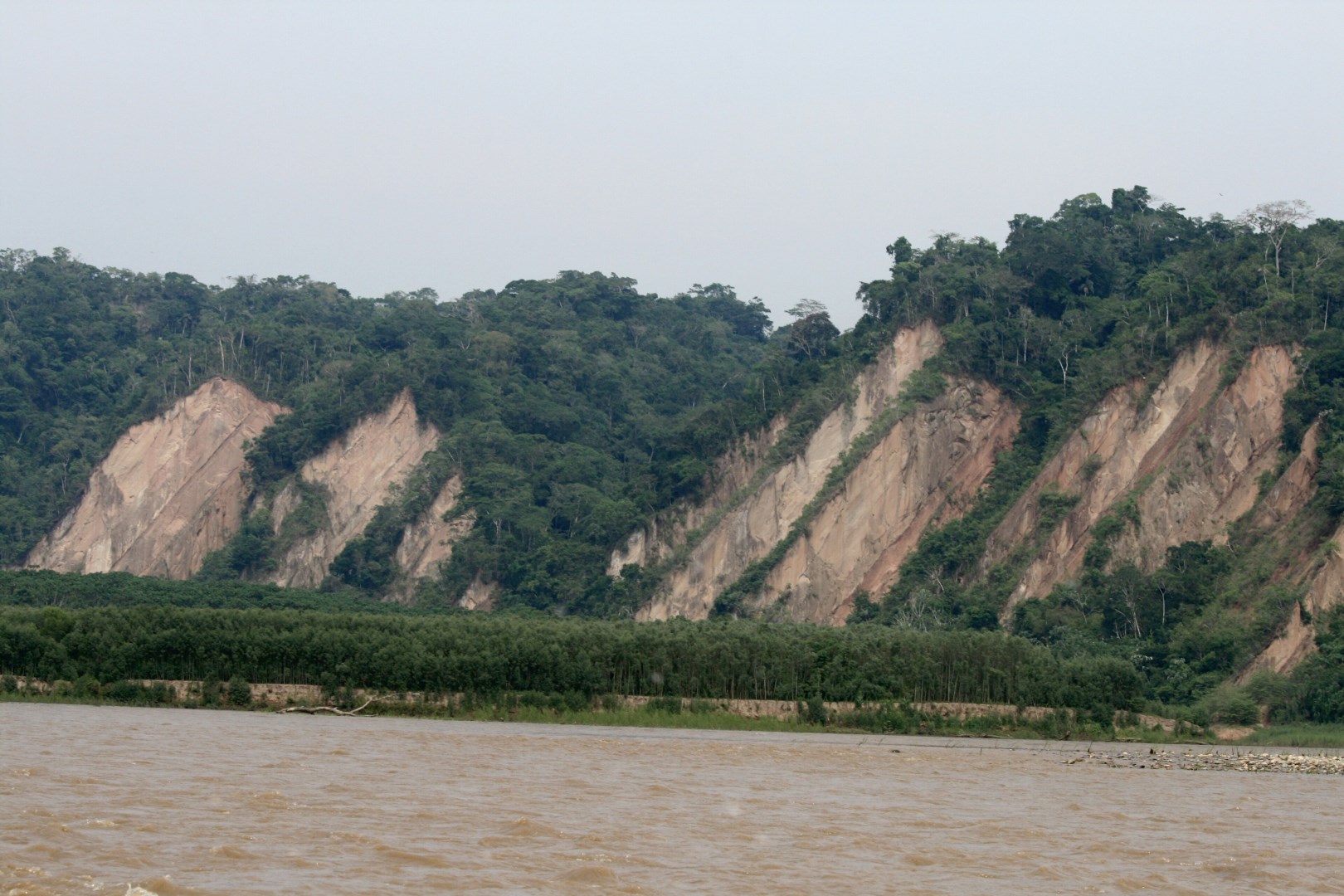
Would you dare venture into the untamed wilderness of Madidi National Park in Bolivia? This vast and biodiverse rainforest is home to jaguars, giant otters, and countless exotic species, making it one of Earth's most ecologically rich places. Trek through dense jungle, navigate winding rivers and immerse yourself in the sounds of nature. For those bold enough to explore this remote paradise, unforgettable wildlife encounters and raw natural beauty await.
Tel Aviv
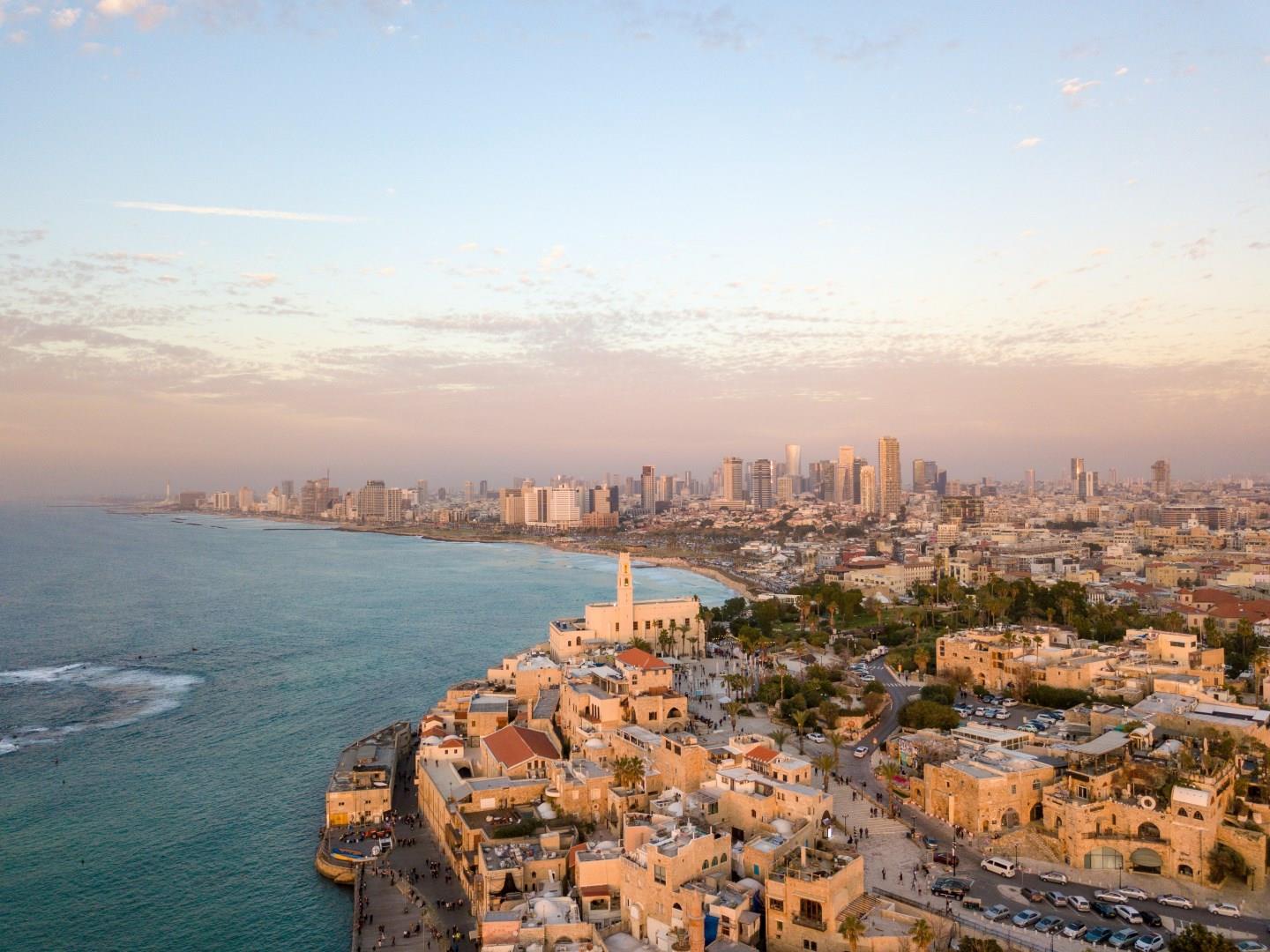
Tel Aviv began in 1909 as a new neighborhood beside the ancient port of Jaffa. The city is now home to the largest cluster of Bauhaus-style buildings in the world which earned UNESCO recognition for its early 20th-century urban planning. Visitors can explore those structures on guided architectural walks through streets like Rothschild or Dizengoff.

Floreana Island
Located off the coast of Ecuador, Floreana Island is one of the Galápagos Islands and a popular stop for gazing at a variety of wildlife, including Galápagos tortoises and flamingoes. Post Office Bay is home to the island chain's first post office site, originally established by visiting whalers in the 18th century. Though one of the smallest islands in the Galápagos, Floreana is well worth the trip!

Kangerlussuaq
Kangerlussuaq, Greenland, is a gateway to the stunning Arctic wilderness and an essential stop for any intrepid traveler seeking adventure in the icy realms of the north. This remote town, located on the western coast of Greenland, is renowned for its dramatic landscapes, including the vast Søndre Strømfjord, one of the longest fjords in the world.
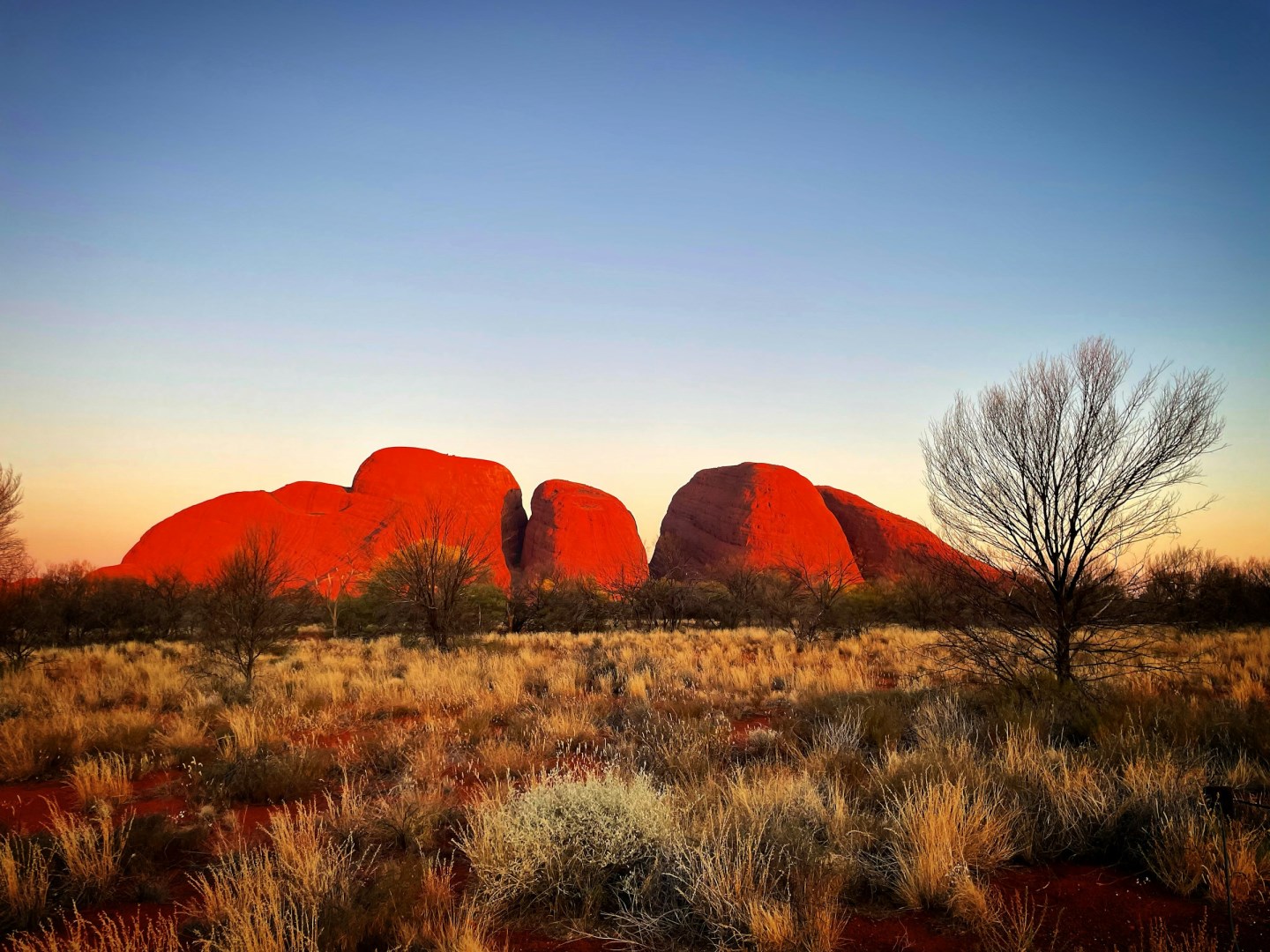
Kata Tjuta
Kata Tjuṯa is a group of large rock domes in the Red Centre of Australia, within Uluṟu-Kata Tjuṯa National Park in the Northern Territory. Located about 40 kilometres west of Uluṟu, the formation rises prominently from the surrounding desert plain and consists of 36 domes spread across a broad area. Its name means “many heads” in the local Aṉangu languages.